Publish with Us

Follow Penguin

Follow Penguinsters

Follow Penguin Swadesh

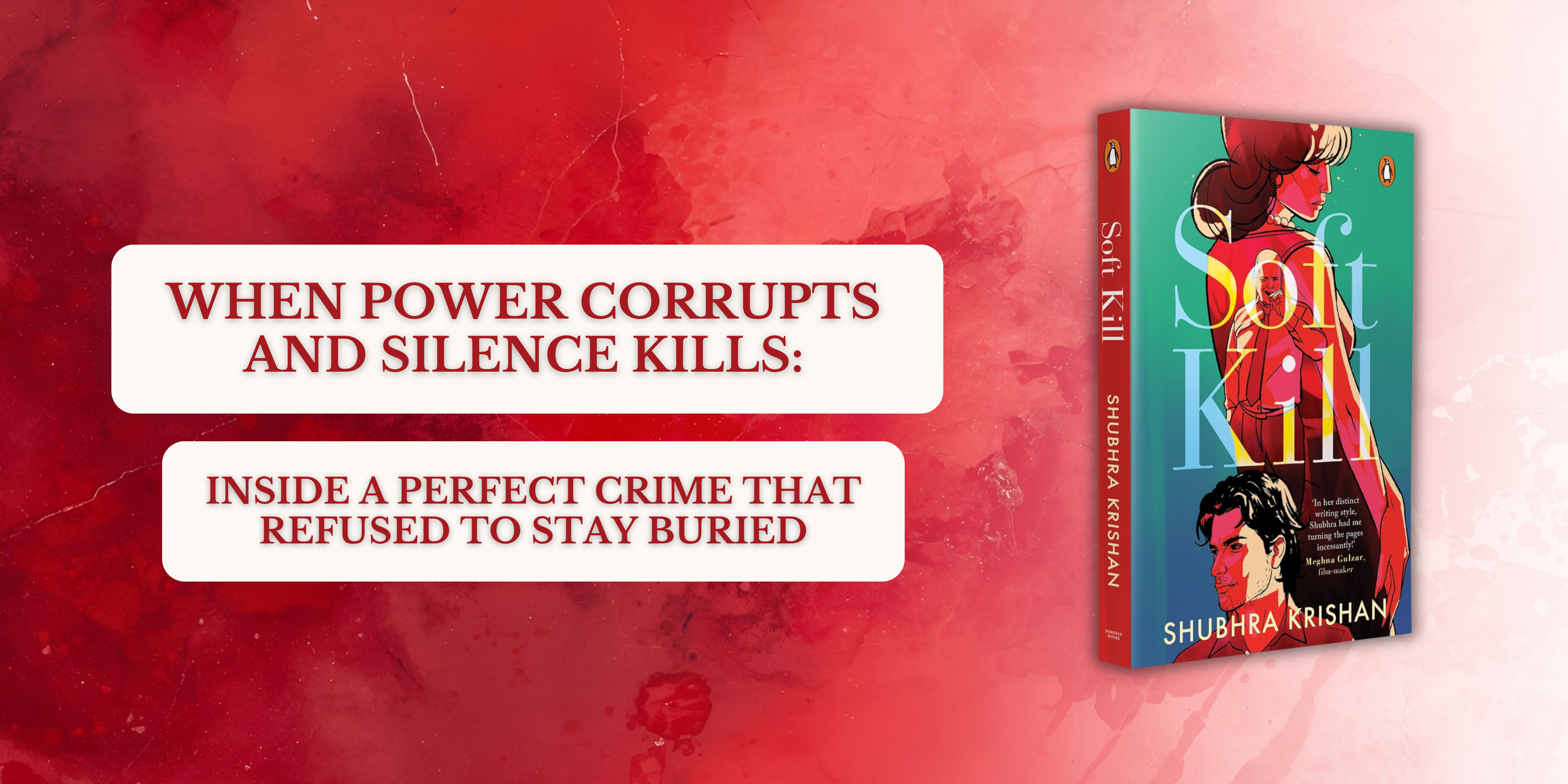
When Power Corrupts and Silence Kills: Inside a Perfect Crime That Refused to Stay Buried

In Soft Kill by Shubhra Krishan, a powerful man’s glittering life begins to crack long before his chilling, seemingly perfect murder comes to light.
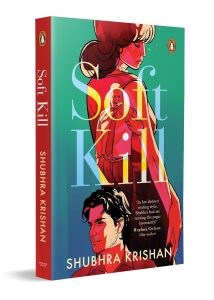
Front cover Soft Kill
Know more!
***

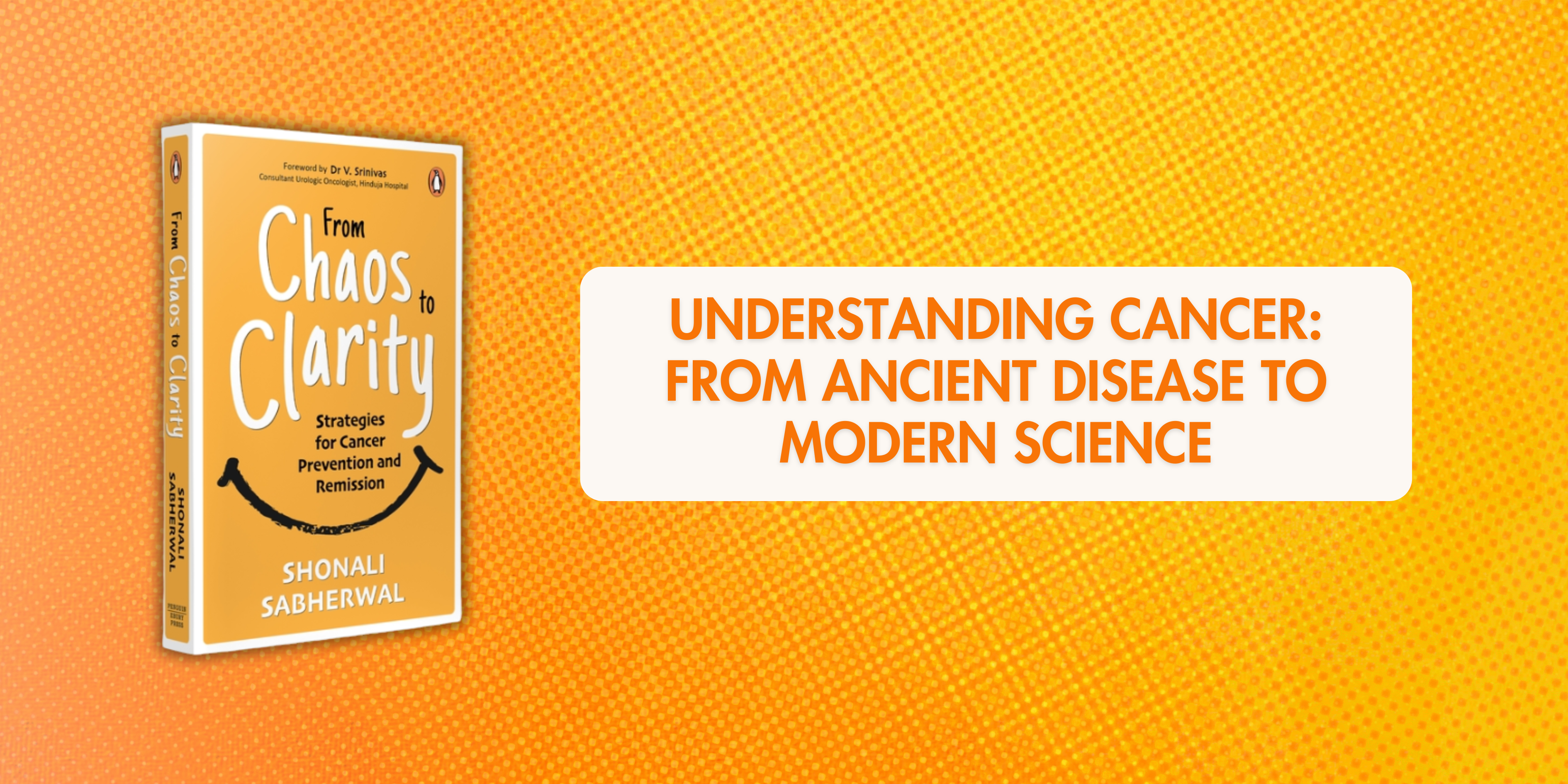
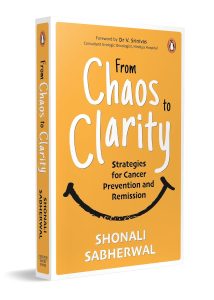
Understanding Cancer: From Ancient Disease to Modern Science

In From Chaos to Clarity, nutritionist Shonali Sabherwal unpacks cancer not as an external invader, but as a complex, evolving disease rooted within our own cells – offering a fresh, holistic perspective on prevention, treatment and healing.


Front cover From Chaos to Clarity
Know more!


***

The History and Nature of Cancer

Cancer is a prehistoric disease, one recognized since the time of the ancient Egyptians. It has walked this earth at least as long as we have, as an ever-present adversary. Its longevity makes it unique amongst maladies that have come and gone. Smallpox and the Black Death once devastated the world, but largely disappeared from the modern pantheon of health concerns. But cancer? Cancer was there in the beginning. It was there in the middle. And it’s here now, worse than ever.

Despite several thousand years of advancing medical knowledge, cancer still ravages us. It was likely rare in ancient times because it was associated with ageing, and life expectancy was low. Since people were dying young from famine, pestilence and war, cancer was not a big concern. The Greek physician Hippocrates (ca. 460 –ca. 370 ), who is often called the father of modern medicine, may have appropriately named our ancient foe using the word karkinos, meaning ‘crab’. This is a surprisingly astute and accurate description of cancer. Examined microscopically, cancer extends multiple spicules (a spikelike tendril) out of the main body to grab tenaciously onto adjacent tissue. Like the miniature versions of its namesake, cancer distinguishes itself from other deadly diseases by its ability to scuttle around the body from one location to another. A cut on your thigh does not metastasize into a cut on your head, but a cancer in your lung can easily become a cancer in your liver.

Cancers are divided into benign and malignant varieties. Benign cancers grow but don’t metastasize and are not deadly. It is the ability to move and spread, or metastasize, that is responsible for the majority of cancer deaths. For example, malignant tumours are a type of tumour that carries with it the volition of growing bigger as they are cancerous. The key difference between a malignant tumour and a benign (non-cancerous) tumour is its harmful nature—its tendency to grow uncontrollably and invade or damage other organs. For instance, in colon cancer, a tumour on the colon may exert pressure on the rectum or surrounding organs by increasing in size.

There are many types of cancer (breast, colorectal, prostate, lung, myeloma, etc.) which are generally named from the cell of origin. There are likely as many types of cancers as types of cells in the body. These cancers continue growing without limit and have the ability to leave the site of origin to reestablish at a distant site.

All cancers are derived from normal cells. Breast cancer originates from normal breast cells. Prostate cancer originates from normal prostate cells. Skin cancer originates from normal skin cells. This is a particularly vexing and unusual characteristic—it originally derives from ourselves. Cancer is not a foreign invader; it’s an internal uprising. The war on cancer is a war on ourselves.

Is the cell your answer for unlocking the mystery of cancer? The answer to that is yes, it is.

In his book The Song of the Cell, Siddhartha Mukherjee has explained that cancer cells don’t build anew; they hijack or, more accurately, the cells that are fittest for survival, growth and metastasis are naturally selected. The genes and proteins that cells use to generate the building blocks required for growth are appropriated from the genes and cells that a developing embryo uses to fuel its fierce burst of expansion during the first days of life. The pathways used by the cancer cell to move across vast bodily spaces are commandeered from those that allow inherently mobile cells in the body to move. The genes that enable unfettered cell division are distorted, mutated versions of genes that allow cell division in normal cells. Cancer, in short, is cell biology visualized in a pathological mirror.

This is technically a departure from a healthy normal condition. Let’s first understand that no outside force has done this to you. It is your internal milieu that goes awry to manifest a cancer.

Over the last hundred years, our understanding of cancer has undergone three major paradigm shifts. First, we considered cancer a disease of excessive growth. That’s certainly true, but this did not explain why cancer was growing. Next, we considered cancer a disease of accumulated genetic mutations that caused excessive growth. Also, certainly true, but this did not explain why these genetic mutations were accumulating. Most recently, a completely new understanding of cancer has emerged.

Cancer is, improbably, a disease unlike any other we’ve ever faced. It is not an infection. It is not an autoimmune disease. It is not a vascular disease. It is not a disease of toxins. Cancer is originally derived from our own cells but develops into an alien species. From the paradigm of understanding, new drugs have been developed that threaten, for the first time, to end this war in the trenches.

This then begs us to answer the question: Do the cells shape the cancer destiny? And, I would answer yes to this as well. So, in my little view of what makes us ‘us’, I can say that we are mind and matter. The mind and matter (our physical body) have a deep connection to our flow of consciousness. Our physical body has microorganisms and cells.


***


Get a copy from Amazon or wherever books are sold!
The Science-Backed Shift to Living Better, Not Just Longer

What if ageing wasn’t a slow decline but a process you could actively shape? The Longevity Code by Dr Sophia Pathai and Pullela Gopichand reframes the conversation – moving beyond just adding years to life, to building resilience, vitality and a longer healthspan through science, habits and intentional living.

Front cover The Longevity Code
Know more!


***

Lifespan, Resilience and Healthspan

‘Lifespan is measured in years. Healthspan is measured in how fully you can live those years—with clarity, movement and purpose.’—PULLELA GOPICHAND

Ageing is often viewed as an inevitable, unstoppable decline—a slow and unsophisticated march toward physical and mental deterioration. For centuries, this view was widely accepted and for good reason, as we had to focus on dealing with any number of stressors in order to survive. From the threat of predators and the constant struggle for food and clean water to recurring waves of infectious disease and the trauma of war, most people lived in environments where ageing simply meant surviving. Today, instead of surviving, we are afforded the luxury to think about thriving. Ageing, we now know, is not solely dictated by the passage of time. It is the result of cumulative biological processes occurring within our cells, organs and tissues. These processes—while inevitable—are not beyond our influence, and as scientists and physicians, we are beginning to understand that ageing is, in fact, modifiable. Rather than thinking about ageing as an end-stage that we must all face, ageing can be approached as a process that we can influence and modify. We are at a pivotal moment where advances in scientific knowledge and cutting-edge technologies are converging—offering us unprecedented tools to understand, measure and actively influence the ageing process in ways that enhance the quality of life. These tools range from biological age testing and DNA-based tools for personal health insights to AI-enabled diagnostics and wearable biosensors—all of which we will explore in more detail throughout this book. As our understanding of the science and of the biology involved increases, we are learning how we might intervene, repair and adapt, shifting the trajectory of our health and our longevity.

Let’s face it, we place huge emphasis on chronological age—the number of years we have lived and the annual milestone celebrated as birthdays—particularly landmarks, such as attaining the ages of twenty-one, fifty or seventy-five. We commend the vitality of the younger generation, who embrace their career journeys with hungry ambition, who relish the challenge of passing a driving test, who anticipate and then savour the sublime experience of receiving their first paycheck. We equate being chronologically older with increased experience and wisdom yet simultaneously lament the passing of time, often quipping how it is all ‘downhill from now’. We all know family or friends who are chronologically old yet possess the energy, vitality and even physical attributes of someone much younger, and we are also aware of those who seem older, way beyond their chronological years. The late Fauja Singh, centenarian and marathoner exemplified this, and in the business world, Kiran Mazumdar-Shaw, entrepreneur and business leader, founded her company in 1978 and continues to contribute to the biotech world and beyond, with passion and purpose.

What if ageing could be reimagined as a process of optimization where the focus shifts from merely living longer to living better? By targeting the biological processes that underlie ageing, we have the potential to extend not just lifespan—the number of years an individual lives, from birth to death—but more importantly, healthspan—the number of years we live in good health. Healthspan is a more complex concept and refers to the number of years an individual lives in good health, free from chronic diseases and disabilities. There is considerable overlap between the two states of lifespan and healthspan, but there are notable elements where they differ. Healthspan is a component of lifespan, and ideally, a longer lifespan should include an extended healthspan. Traditional healthcare has largely focused on increasing lifespan by treating diseases as they arise. Lifespan can certainly be extended with medical interventions that keep people alive despite having a condition or a disease, but this does not necessarily mean that those years are healthy or free from disability. Think of someone kept alive in a hospital on a ventilator—their lifespan will be extended but not their healthspan. Both lifespan and healthspan seek to maximize the duration of life. However, healthspan aims to ensure those additional years are lived in good health. Adopting a mindset that embraces the shift from lifespan to healthspan is critical because it underscores the importance of quality over quantity—think of it as ‘adding life to years, not simply years to life’.


***


Get a copy from Amazon or wherever books are sold!
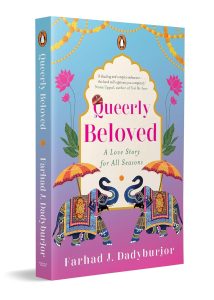
Love, Chaos and Second Chances: The Ultimate Modern LGBTQ+ Wedding Romance

Big weddings promise perfect beginnings. But in Farhad J. Dadyburjor’s Queerly Beloved, love refuses to follow a script, unfolding instead in all its messy, complicated and unexpectedly tender ways.


Front cover Queerly Beloved
Know more!


***

Dressed in a royal gold-and-cream embroidered sherwani with matching jodhpuris on his feet and a large, bejewelled turban resting on his soft, floppy hair, Ved Mehra looked around him and admired the jasmine and marigold garlands dancing in the breeze. They covered the poles of the mandap like creepers—forming a drooping canopy after reaching the top. A small fire burned bright on little logs of wood in the centre of the stage in a shiny square vessel. The priest sitting cross-legged near it waited patiently for the ceremony to commence. Ved’s mother, Dolly, sparkling in a shiny maroon sequined saree on his right, was smiling from cheek to cheek as she gently pressed his sweaty hand in anticipation. Prem, his father, was just climbing onto the stage after welcoming some of their business clients who had taken their seats. Everyone admired the exquisite flower decorations all around and indulged in the posh nibbles and flutes of champagne being served as the Arabian Sea lapped gently a short distance behind them.

Ved smiled as his father hugged him and stationed himself on his other side, filled with pride on a day he had dreamed about for a greater number of years than he could remember. It had finally arrived, making Ved believe he was truly the luckiest man in the world for being able to marry his soulmate.

And there in the distance, the man of his life was approaching him. Carlos Silva, dressed handsomely in a dark blue Nehru jacket with tapered white pants, a pink kerchief placed spiffily in his jacket pocket that offset his tanned complexion and his slicked back light brown hair. Ved smiled with so much love that he felt as if his heart might just fall out. Here was the man he was ready to spend the rest of his life with.

But Carlos didn’t smile back. He seemed to be walking towards Ved hurriedly, his face flushed a deep red, an urgency in his stride.

Wait.

This was not how things were meant to go.

Carlos always had such a strong grip on his emotions. So, why was he suddenly looking so emotional? Was it last minute jitters? Had something happened to upset him?

Ved kept smiling goofily at him, egging him on, ignoring the sense of rotting dread deep inside of him as Carlos climbed onto the stage with tears streaming down his cheeks, took both of Ved’s hands in his tightly, looked at him pitifully for just a second, then said in a jittery voice, ‘Ved, I can’t do this . . . it’s over. I’m leaving you for someone else. Please, forgive me,’ and turned around, running out of the venue.

There was an audible gasp from the seated guests. Ved wanted to say something, but it was like his mouth was frozen. His face felt contorted and his body shook violently as he tried to hold back his tears. He could see his mother’s face filled with shock, his father supporting him from behind with trembling hands, the earth beginning to spin violently below him. Ved felt as if his mouth was being wrenched apart as he finally let out a scream, something so feral and frightening that it scared all the guests who hurriedly began scattering out of the venue.

And in that moment, when confusion reigned, the fire toppled over on to the stage and slowly started burning the sides, creeping up the wooden poles, eating the tiny white and orange flowers in its path. The priest shrieked frantically and ran off. His mother looked at him with tears in her eyes, waiting for Ved to do something. His father was shouting as the fire fast approached. But Ved seemed rooted to the spot, unable to move, staring helplessly as the burning flames started engulfing his feet.


***


Get a copy from Amazon or wherever books are sold!
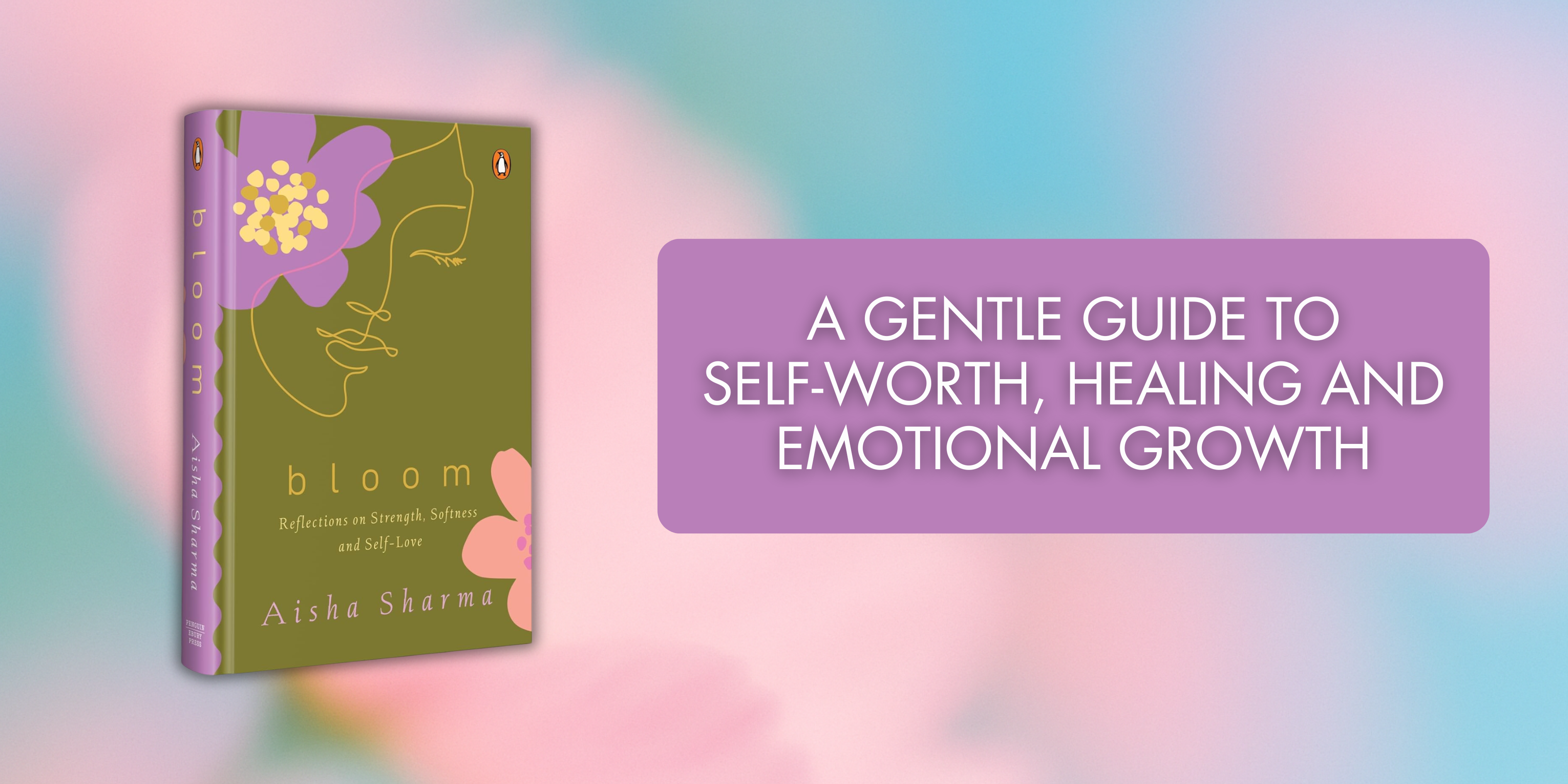
A Gentle Guide to Self-Worth, Healing and Emotional Growth

In Bloom, Aisha Sharma reminds us that true growth begins not in being chosen by others, but in choosing ourselves – especially in the quiet, aching spaces where we feel unseen yet continue to show up.

Front cover Bloom
Know more!
***
What It Means to Be Unseen and Still Show Up
One of the deepest human desires is to be seen.
To have someone look at you—not just glance, but pause, soften, and say, ‘I see you.’
But to be truly seen today requires an emotional intelligence not everyone has the capacity to give.
To be unseen is not the absence of love— it’s the absence of reflection.
It’s presence not mirrored. It’s effort unanswered.
And yet—some still show up.
Softly.
Consistently.
Quietly waiting for a version of someone to meet them fully.
To feel them fully.
To be unseen, and still show up, is one of the most tender kinds of strength.
But something happens when we stop staying in spaces where we’re only partially held.
When the frequency shifts—and we choose alignment over longing.
That’s when the universe responds.
With mirrors.
With match.

What To Read This Month

Some months arrive with a book or two worth talking about. April arrived with fourteen. This month’s new releases span centuries and continents, moving between Maratha battlefields and Mumbai’s marathon roads, between Everest base camps and the boardrooms of Hindustan Unilever — and somehow, every single one of them has something urgent to say.

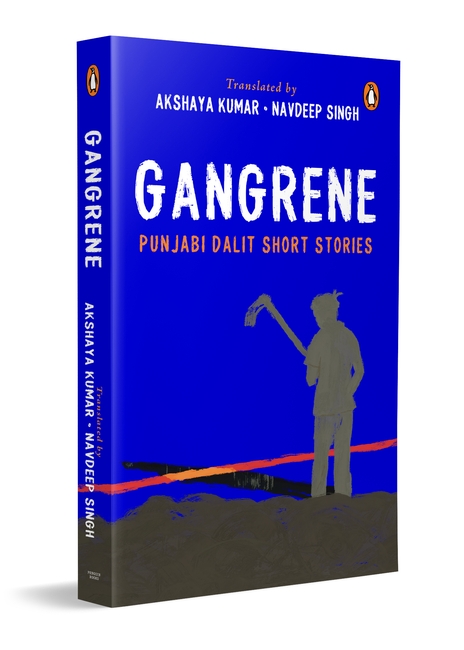
Gangrene – Akshaya Kumar, Navdeep Singh

Akshaya Kumar & Navdeep Singh Rot beneath the surface makes for the most arresting literature. This anthology excavates Punjabi Dalit life with unflinching honesty — stories where caste wounds fester quietly and explode loudly. Searing, essential, and long overdue, Gangrene is the anthology that refuses to let comfortable readers stay comfortable.

Front Cover, Gangrene
Gangrene || Akshaya Kumar, Navdeep Singh

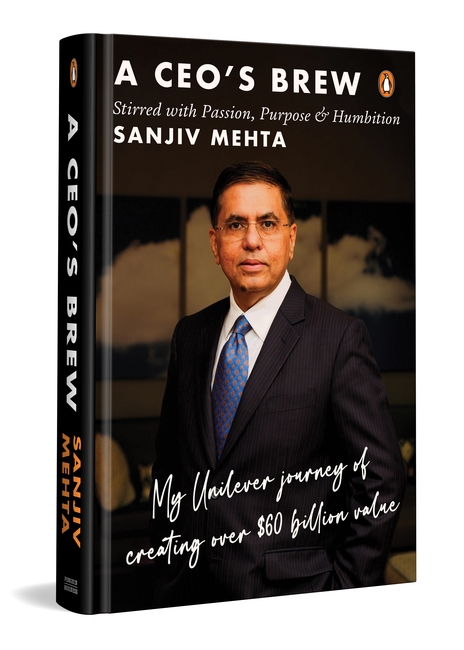
A CEO’s Brew Stirred with Passion, Purpose and Humbition – Sanjiv Mehta

Sanjiv Mehta Twenty-one years, five continents, sixty billion dollars — and Sanjiv Mehta still believes humility is a superpower. Part memoir, part masterclass, this is the story of how a man with ‘Humbition’ turned Hindustan Unilever into a global gold standard. Served strong, no sugar-coating required.

Front Cover, A CEO’s Brew Stirred with Passion, Purpose and Humbition
A CEO’s Brew || Sanjiv Mehta


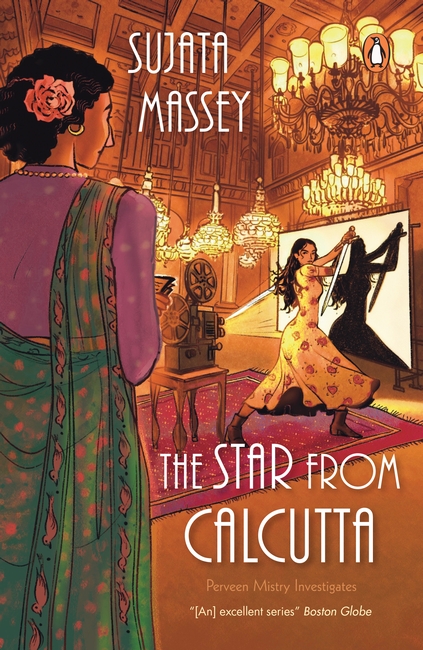
The Star from Calcutta – Sujata Massey

Bombay, 1922: a movie censor is murdered, a leading lady vanishes, and India’s first female lawyer Perveen Mistry has front-row seats to early Bollywood’s darkest drama. Glamour, intrigue, and a courtroom mind — Massey’s fifth Perveen Mistry mystery is a blockbuster in every sense.

Front Cover The Star from Calcutta
The Star from Calcutta || Sujata Massey


A Fire over Mount Everest – Siddharth Kak

Siddharth Kak Everest doesn’t care about your ambitions. It chooses who climbs it. Documentary filmmaker Siddharth Kak embedded with an expedition and returned with a story no camera could fully capture — of triumph, obsession, rivalry, and a mountain that humbles even the best-prepared humans.

Front Cover A Fire over Mount Everest
A Fire over Mount Everest || Siddharth Kak


India’s Forests: Revisiting Nature and History -Arupjyoti Saikia, Mahesh Rangarajan

Trees have long memories. This richly researched volume recasts India’s forests not merely as ecology but as history — arenas of colonial ambition, peasant resistance, and ecological reckoning. A book for anyone who thought the jungle was just scenery.

Front Cover India’s Forests
India’s Forests || Arupjyoti Saikia, Mahesh Rangrajan


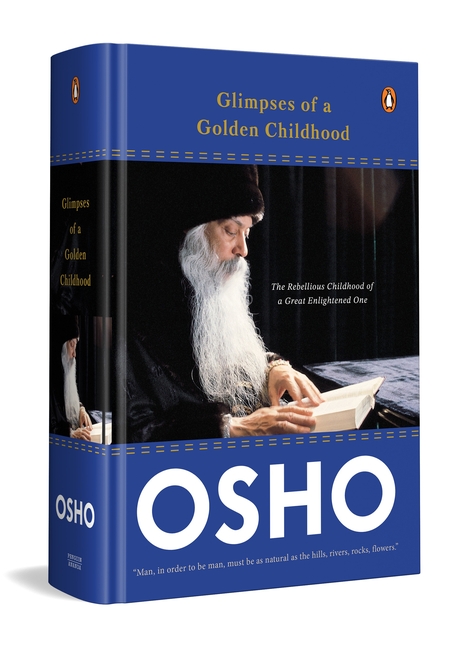
Glimpses of a Golden Childhood – Osho

Before he became the most controversial mystic of the 20th century, Osho was a magnificently rebellious small boy in Madhya Pradesh. This memoir of his early years is funny, irreverent, and surprisingly tender — the origin story of a man who never once obeyed an instruction he hadn’t interrogated first.

Front Cover Glimpses of a Golden Childhood
Glimpses of A Golden Childhood || Osho


Mumbai Marathon – Aarambh M. Singh

42.195 kilometres. One impossibly chaotic city. Millions of stories pounding the pavement. Filmmaker-turned-author Aarambhh M Singh captures the Mumbai Marathon as only a storyteller can — not just as a race, but as a mirror of the city’s relentless, breathless, magnificent spirit.

Front Cover Mumbai Marathon
Mumbai Marathon || Aarambh M. Singh


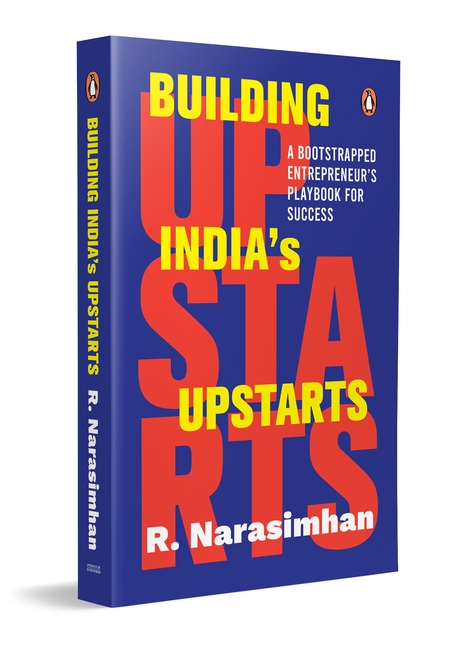
Building India’s Upstarts – Narasimhan Raghavan

No VC money. No safety net. Just grit, jugaad, and a refusal to quit. Drawing on India’s most resourceful founders, this playbook is for entrepreneurs who’d rather build something real than pitch decks endlessly. Practical, honest, and proudly bootstrapped in spirit.

Front Cover Building India’s Upstarts
Building India’s Upstarts | R. Narasimhan


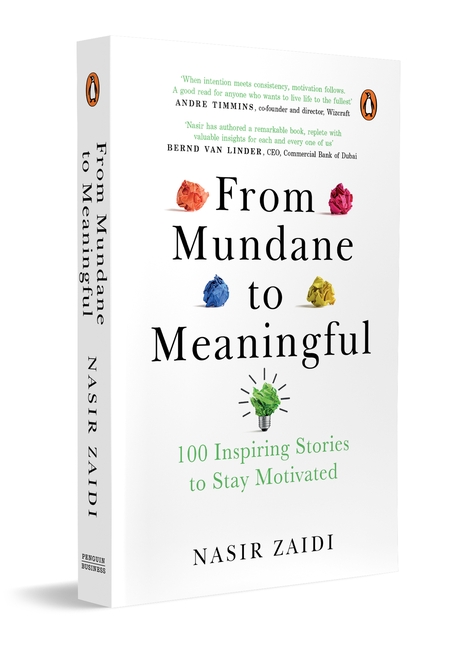
From Mundane to Meaningful – Nasir Zaidi

Twenty-eight years in banking taught Nasir Zaidi that the extraordinary is hiding inside the ordinary — you just need the right lens. Part self-help, part memoir, this book coaches professionals to stop sleepwalking through their careers and start crafting lives worth actually living.

Front Cover From Mundane to Meaningful
From Mundane to Meaningful || Nasir Zaidi


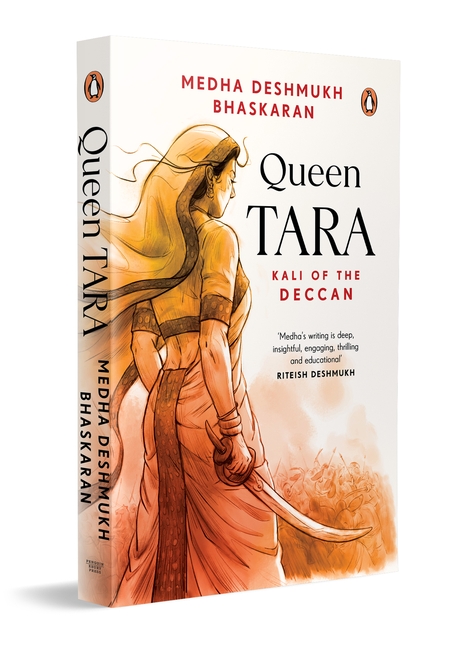
Queen Tara – Medha Deshmukh Bhaskaran

Medha Deshmukh Bhaskaran From the ashes of defeat, a warrior is forged. Medha Deshmukh Bhaskaran brings us another blazing chapter of Maratha history through a woman who chose to fight when surrender would have been easier. Vivid, immersive, and resolutely feminist — Queen Tara earns its throne.

Front Cover Queen Tara
Queen Tara || Medha Deshmukh Bhaskaran


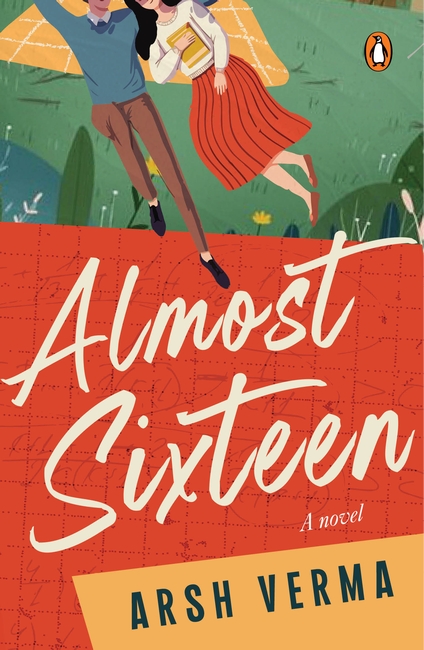
Almost Sixteen – Arsh Verma

A serving IPS officer writes about the treacherous terrain of being almost — but not quite — sixteen. Part coming-of-age, part dark comedy, Arsh Verma turns the universal awkwardness of adolescence into something unexpectedly luminous. A page-turner that remembers exactly how strange youth feels.

Front Cover Almost Sixteen
Almost Sixteen || Arsh Verma


From Guerrilla Fighter to Chief Minister: A Memoir – Zoramthanga

From armed insurgency to the Chief Minister’s chair — Zoramthanga’s life is one of India’s most remarkable political transformations. This memoir charts Mizoram’s journey from conflict to peace with rare candour, and reminds us that conviction, not compromise, is what endures.

Front Cover From Guerrilla Fighter to Chief Minister
From Guerrilla Fighter to Chief Minister || Zoramthanga


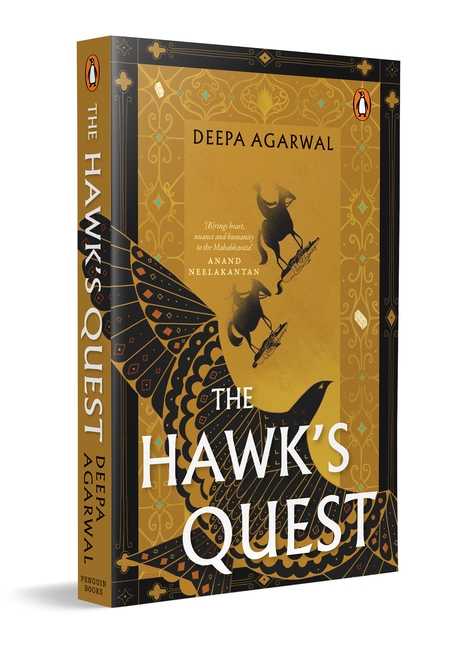
Hawk’s Quest – Deepa Agarwal

NCERT award-winning author Deepa Agarwal takes young readers on an adventure as swift and sharp-eyed as a hawk in flight. A quest story that soars across landscape and legend, reminding readers of all ages that courage is simply curiosity that refused to turn back.

Front Cover The Hawk’s Quest
The Hawk’s Quest || Deepa Agarwal


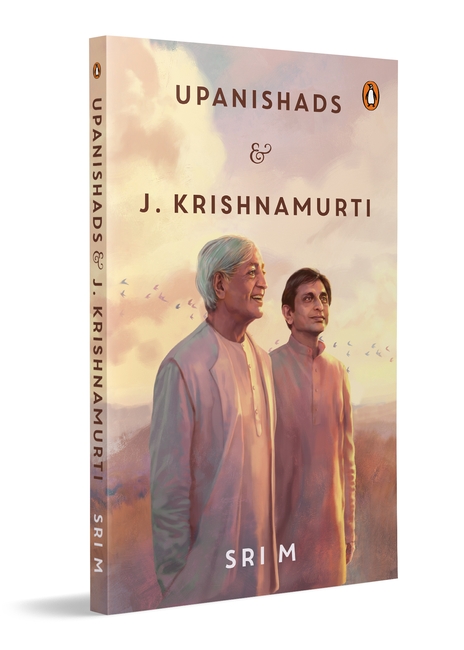
Upanishads and J Krishnamurti – Sri M

What happens when ancient Vedic wisdom meets the most rebellious philosopher of the 20th century? Sri M — yogi, Padma Bhushan laureate, and personal acquaintance of Krishnamurti — finds surprising harmony between tradition and transcendence. Quietly radical, deeply thought-provoking.

Front Cover Upanishads and J Krishnamurti
Upanishads and J Krishnamurti || Sri M


At Penguin India, we believe reading is never just an escape. It’s a way of paying attention. And this April, we’ve given you fourteen new ways to do exactly that.

Happy Reading!

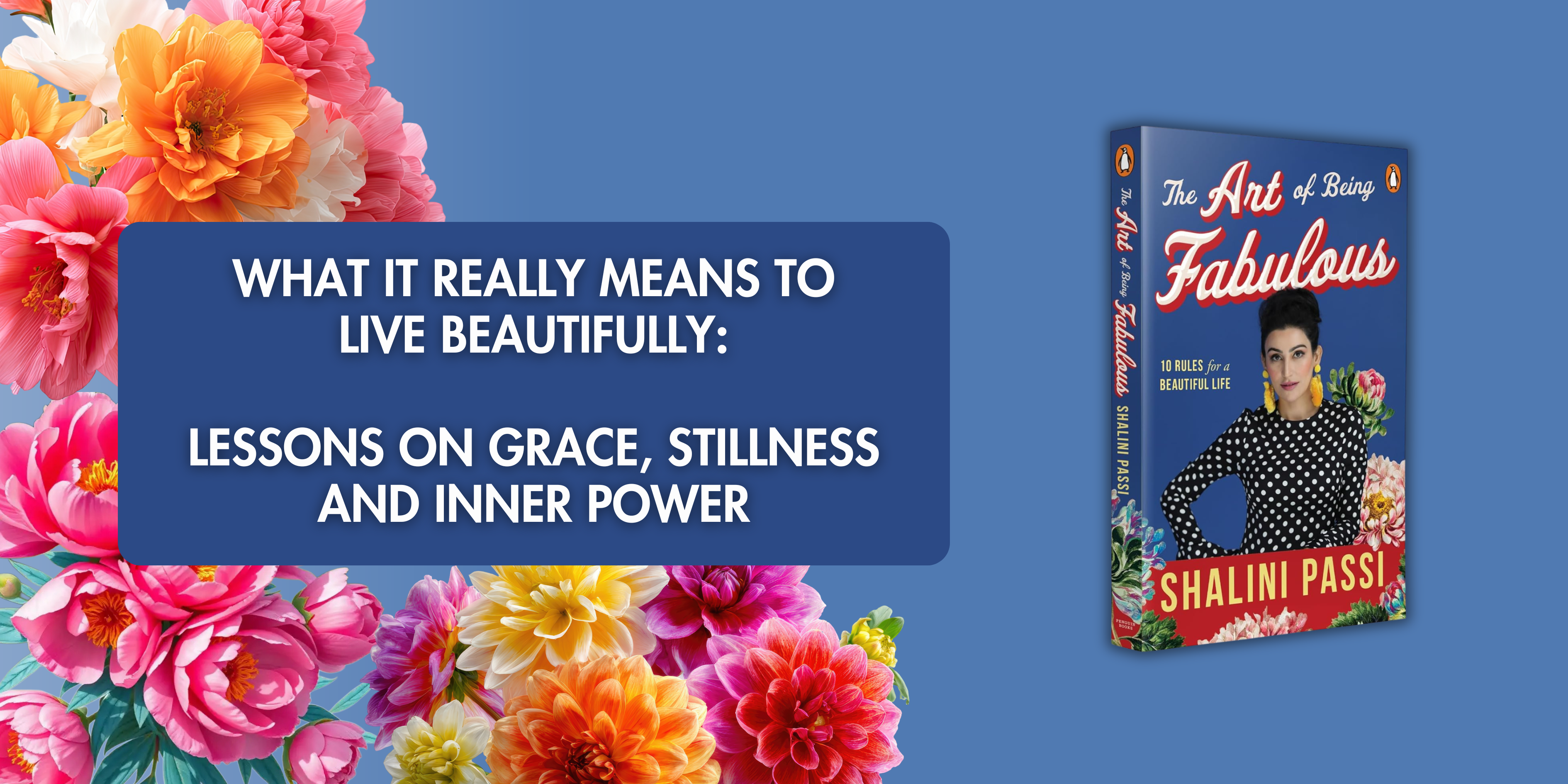
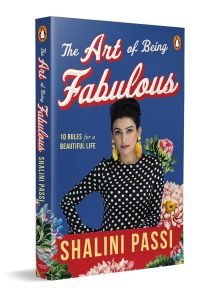
What It Really Means to Live Beautifully: Lessons on Grace, Stillness and Inner Power

In The Art of Being Fabulous, Shalini Passi redefines what it means to live beautifully – moving beyond surface glamour to reveal a life shaped by stillness, creativity and a deeply rooted sense of purpose.

Front cover The Art Of Being Fabulous
Know more!

A Beginner’s Guide to the Law of Attraction That Actually Works

In Manifest Anything in 100 Days, Dr Amiett Kumar breaks down the Law of Attraction into simple, actionable steps, showing how consistent mindset shifts and daily practices can help you turn your biggest dreams into reality.


Front cover Manifest anything in 100 days
Know more!


***


Before we begin this journey of the Law of Attraction, let’s first get ready. Think of this like packing your bag before a trip.

The first step to using the Law of Attraction is to first understand it. So, before you move ahead, I want you to sit in a comfortable, upright position. Are you seated?

Great. Now, here is the Law of Attraction in the simplest way possible:

Whatever you think about the most, you will attract into your life.

Sounds too simple? That’s because it is that simple. Whatever you focus on the most—whether it’s your dreams, worries or fears—you bring it closer to yourself.

Remember that famous dialogue from the movie Om Shanti Om, where Shah Rukh Khan says:

‘Agar kisi cheez ko puri shiddat se chaho to puri kaynaat use tumse milane ki koshish mai lag jaati hai.’

This is exactly how the Law of Attraction works. But there is one thing that I want to bring attention to here.

You’ll find the same idea in The Alchemist by Paulo Coelho. The book talks about a ‘personal legend’— your biggest dream in life. When you truly believe in your dream and work for it, the Universe helps you in unexpected ways. This isn’t luck—it’s the Law of Attraction at work.

This is what the Law of Attraction is all about. And this is where our journey begins.

But wait—did you already take the first step?

Not yet! You missed the Ready, Set, Go! moment.

It’s simple to learn about the Law of Attraction, but why do so many people struggle to use it? Why do so many fail to achieve what they truly want?

Here’s the answer:

Knowing about the Law of Attraction and actually using it are two very different things.

Learning about the Law of Attraction is like packing your bag before a trip. It’s just preparation.

But actually walking to your door, stepping outside and starting the journey—that’s action. That’s what makes the difference.

And that’s exactly what we’re going to do now. Now that you are starting to attract your dream life, why don’t you tell me what it is that you are attracting?


***


Get a copy from Amazon or wherever books are sold!
Stop Trying to Win Arguments: The Smarter Way to Influence People

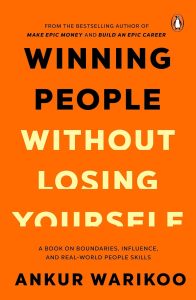
In Winning People Without Losing Yourself, Ankur Warikoo breaks down the subtle art of dealing with people and shows you how to navigate people with clarity, confidence, and self-respect.


Front cover Winning People Without Losing Yourself
Know more!


***


Influence ≠ people pleasing

If you’re bending over backwards just to convince people, you are not influencing. You are auditioning.

Because being sweet is easy.

Being taken seriously requires a lot of work.

You won’t be remembered for always nodding along.

You’ll be remembered for speaking up when it mattered.

For asking the question no one else had the guts to.

For saying what others were only thinking.

Yes, people tend to like those who agree with them on everything.

But people follow those who are clear.

So be thoughtful. Be respectful. But don’t disappear trying to keep everyone happy.

Because influence isn’t about being everyone’s favorite. Influence is about being someone they listen to.


Influence ≠ control

Your relative posted fake news again.

Your temper flares.

You start typing furiously: fact-checks, ten links and a graph.

Take a deep breath.

Are you really trying to help or just win an argument?

Be honest.

Sometimes ‘I want them to know this is wrong’ is just another way of saying,

‘They should think like me.’ If the goal is to feel smart, be right, or control the outcome, you’re not helping.

You are just trying to win.

If you care more about proving you’re right than actually helping, then that’s not influencing.

That’s just arguing.

Ever feel like you keep saying the right things, but no one’s really listening?

We’re told influence comes from saying smart things.

Speaking with confidence.

Sounding sure of yourself.

Even when you’re not.

But you’ve done all that.

You prepared. Spoke clearly. Didn’t interrupt anyone. Made an important point.

And still! Blank stares.

People checking their phones.

Nobody is listening.

Five minutes later, someone else says the same thing.

And suddenly, it’s a genius idea.

Hello! What just happened?

Are you just background noise in everyone else’s day?

Here is the truth:

You are not ignored because you’re wrong.

You are not ignored because you aren’t smart enough.

You are not ignored because you aren’t loud enough.

They are listening for something that matches their moment.

Their priorities. Their mood. Their vibe.

People don’t listen when it matters to you.

They listen when it matters to them.


***

Get a copy from Amazon or wherever books are sold!

A Poetic Journey Across the Continent | The Alphabets of Africa

In The Alphabets of Africa, Abhay K. turns poetry into a map of the continent, tracing its civilizations, cities and cultural icons. Read an excerpt below.


Front cover The Alphabets of Africa
Know more!


***

Shaka Zulu

A military tactician, a songwriter,

a music composer, all combined in one

I often inspired my people

with music and songs

I had a premonition that the ‘white man’

would seize the Zulu kingdom

As a child, I was often mocked

for being born out of wedlock

my mother and I

were banished by my father

I trained as a fighter in the army

and soon became its commander

after my father’s death, I returned to my village

and became the King, deposing my half-brother

I named my people—Zulu, after my clan

and united them into a nation

I extended my rule to KwaZulu-Natal

Europeans called me a wild warrior

‘an insatiable and exterminating savage’

but Zulus counted me as a great king

for laying the foundations of a state

and building a great army

my wars against the rival communities

birthed new kingdoms of Zimbabwe and Lesotho

I remained celibate to govern my vast land

created an all-women’s regiment to gather intelligence

I invented assegai—the short spear for close combats

and devised the cow horn formation to encircle the enemy

death of my mother, Nandi, shook me to the core

and I decreed that for a year, no crops would be sown

and whoever would not cry enough

would meet one’s end

alienated people conspired to cease my tyranny

and two of my half-brothers stabbed me to death.


[Shaka Zulu (c.1787–1828) was a prominent Zulu leader who transformed the Zulu Kingdom into a powerful empire in Southern Africa. He is renowned for his military reforms, strategic innovations and brutal conquests, which led to the expansion of the Zulu Kingdom and reshaped the political landscape of the region.]


***

Get a copy from Amazon or wherever books are sold!
error: Content is protected !!