“If you’ve never done anything wrong it’s probably because you have never tried anything new.”
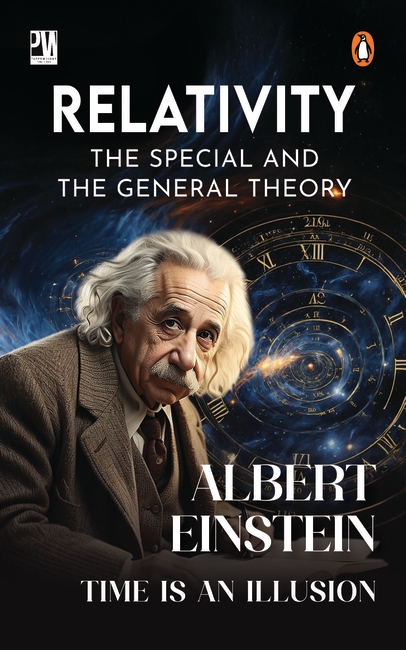
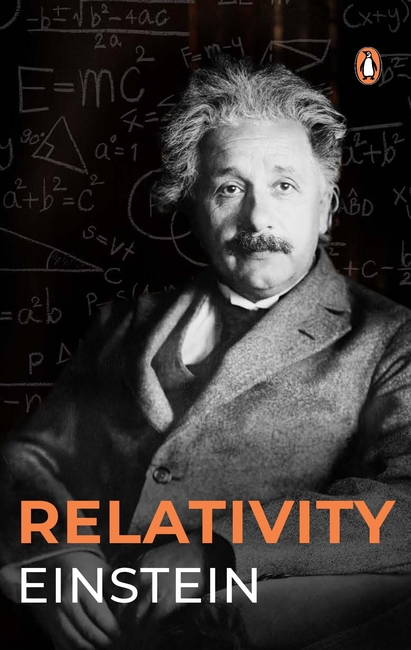
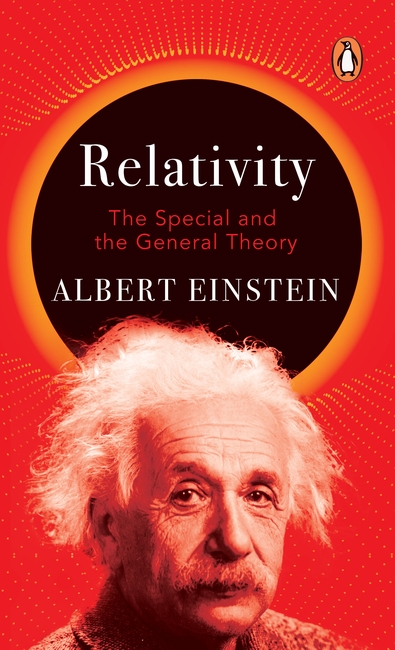
In 1905 and 1915, Albert Einstein published two theories that revolutionized our understanding of space, time, and the very fabric of reality. His special and general theories of relativity dismantled Newton’s absolute universe and revealed a cosmos where time dilates, space contracts, and massive objects bend the geometry of spacetime itself.
This volume presents Einstein’s groundbreaking papers in their historical context, alongside his own accessible
explanations written for the general public. From the famous equation E=mc² to the prediction of black holes
and gravitational waves, these works established the theoretical foundation for modern physics and cosmology.
Einstein’s insights into the nature of light, gravity, and motion continue to guide scientific discovery more than a century later, from GPS satellites to particle accelerators to the detection of ripples in spacetime itself.
Both a monument to human intellectual achievement and a surprisingly readable introduction to concepts
that changed everything we thought we knew about the universe, Relativity remains as relevant today as when it first shattered our assumptions about reality.
For readers of Stephen Hawking’s A Brief History of Time, Richard Feynman’s Six Easy Pieces, or Carl Sagan’s Cosmos, Einstein’s Relativity provides a foundational exploration of space, time, and gravity. Unlike popular science books that summarize theories secondhand, this edition presents Einstein’s own explanations, combining historical context, conceptual clarity, and profound insight into the nature of the universe.


Imprint: India Penguin
Published: Dec/2025
ISBN: 9780143479987 (Paperback)
Length : 148 Pages
MRP : ₹225.00
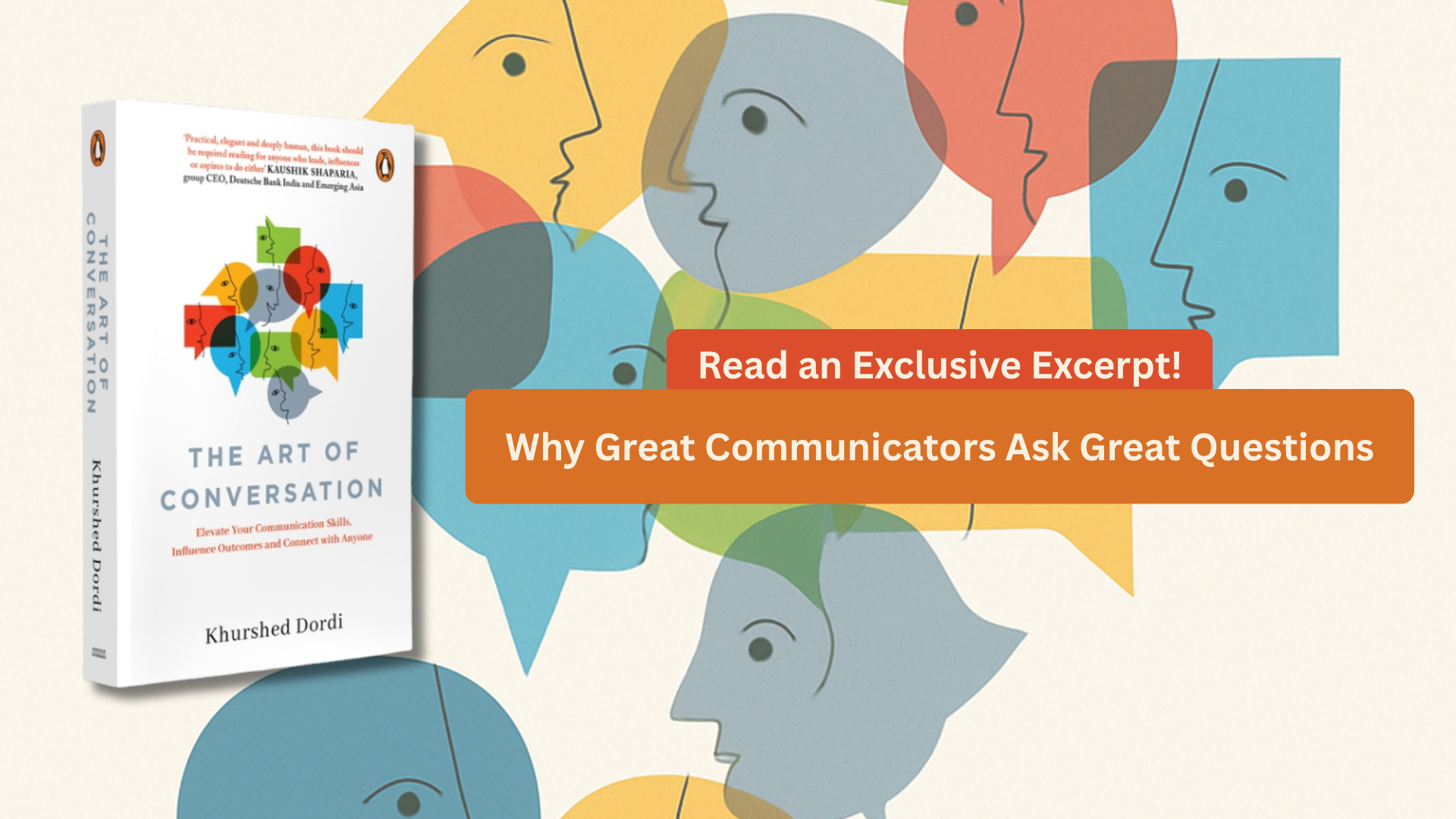
Read an exclusive excerpt from The Art of Conversation: “The Power of the Question” INTRODUCTION TO QUESTIONING Asking questions is an essential skill in any conversation. It helps gather information, gain clarity and show interest in the other person. However, asking the right questions requires practice and understanding of different types of questions. […]