What happens when you leave behind the familiar and follow your curiosity to far corners of the world?
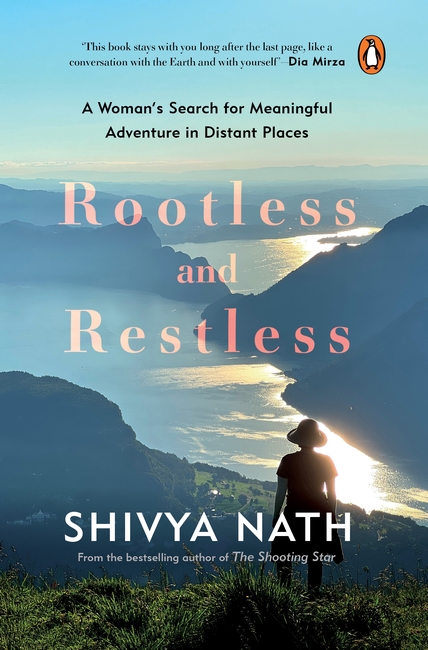
In Rootless and Restless, Shivya Nath trades comfort for adventure and sets off on a deeply personal journey to some of our planet’s most remote places. From a tiny island deep in the Arctic to off-grid Indigenous communities in Myanmar and the stark mountain deserts of Uzbekistan, she travels in search of stories, traditions and ways of life that are rarely written about.
Along the way, Shivya finds herself tangled in a morality police raid in Iran, discovering centuries-old traditions in Japan and coming face-to-face with the last living member of an entire species in the Pacific Ocean.
In a world shaped by social media, cultural divides and climate change, Rootless and Restless is a reminder that travel can be more than ticking destinations off a list. It can open doors to remarkable people, unexpected lessons and perhaps even transform the traveller herself.

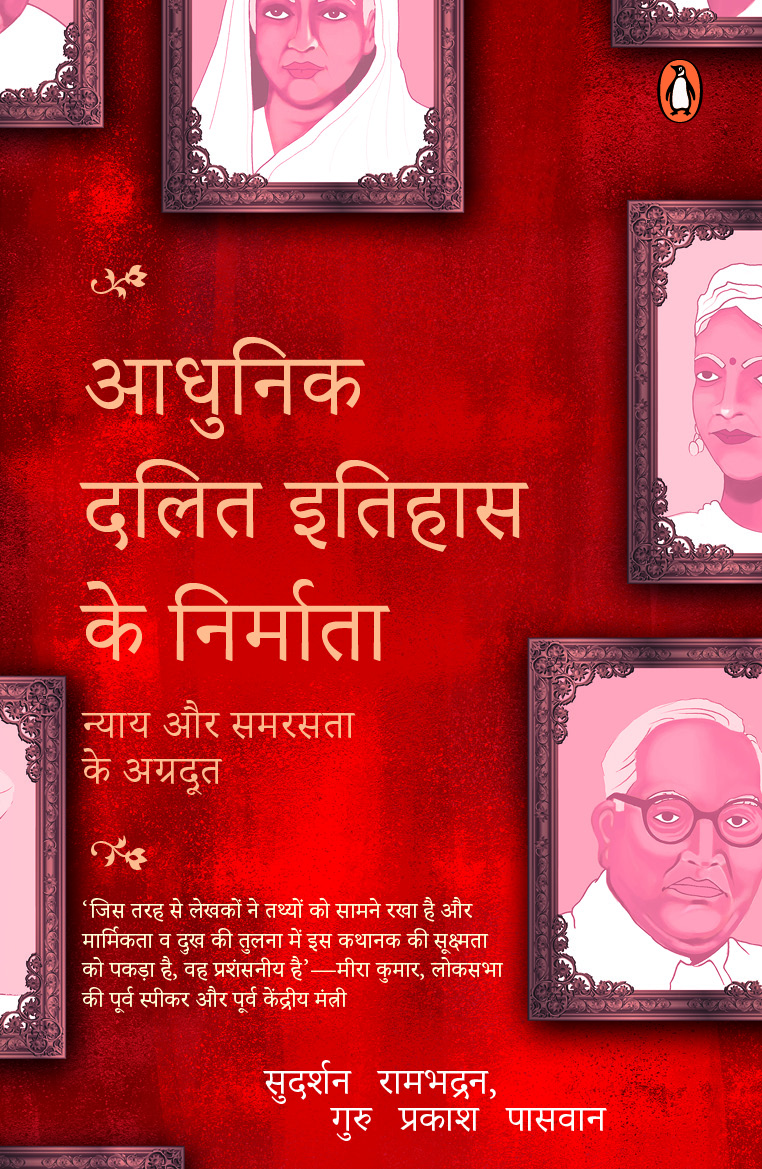
उन्नीसवीं सदी के उत्तरार्ध में केरल में एक व्यक्ति बड़ी शान से सड़क पर एक बैल गाड़ी से जा रहा था। जो कृत्य एक सामान्य सी बात थी, वह उस समय प्रतिरोध का एक बड़ा कृत्य था। घुड़ सवारी करना या बैलगाड़ी पर बैठने का अधिकार उस समय सिर्फ ऊँची जातियों के लोगों के पास था। लेकिन अछूत कही जाने वाली पुलया जाति का वह व्यक्ति जाति आधारित भेदभावों को चुनौती दे रहा था। वह कोई और नहीं बल्कि समाज सुधारक और आन्दोलनकारी अय्यनकाली थे।
इस पुस्तक में ऐसे ही प्रेरक व्यक्तित्वों के विवरण हैं जिन्होंने जीवन भर भेदभाव के खिलाफ अथक लड़ाई लड़ी। यह पुस्तक दलित समुदाय के प्रति आधुनिक भारत की उसी समझ को विस्तृत करने के प्रयास के तहत लिखी गई है।
भीमराव आम्बेडकर, बाबू जगजीवन राम, गुरराम जेशुवा, केआर नारायणन, सोयराबाई, रानी झलकारीबाई और उन जैसे कई अन्य ऐतिहासिक और समकालीन व्यक्तित्वों के ऊपर मौलिक शोध पर आधिरत आधुनिक दलित इतिहास के निर्माता दलित विमर्श में एक महत्वपूर्ण योगदान है। अतीत और वर्तमान के कुछ अग्रणी दलित चिंतकों के ऊपर लिखी गई यह लकीर खींचने वाली किताब दलित पहचान, इतिहास और राजनीति पर ज़रूरी बहस को शुरू करने का लक्ष्य रखती है।

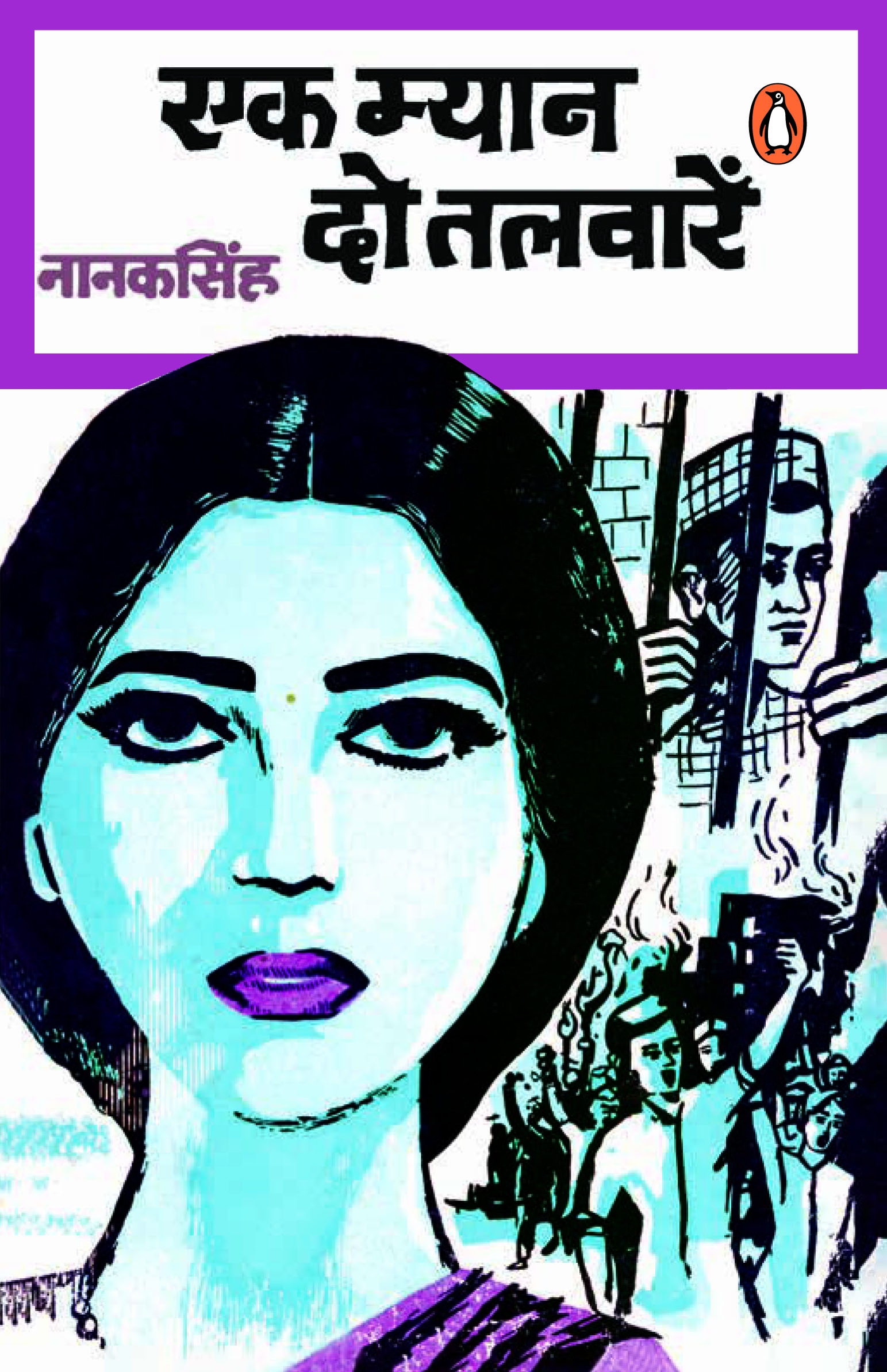
इस उपन्यास में 1914-15 के दौरान अंग्रेजों के खिलाफ उपजे क्रांतिकारी आंदोलन की झलकी दी गई है। बीरी और उसका भाई अपने देश को स्वतंत्र कराना चाहते हैं, लेकिन उनकी राह में सबसे बड़ी रूकावट उनका अपना पिता ही बन जाता है, जो अंग्रेजों का वफादार चमचा था। देश के लिए मर मिटने वालों की यह कहानी आजादी के अमृत महोत्सव के अवसर पर पुन: प्रकाशित की गई है।

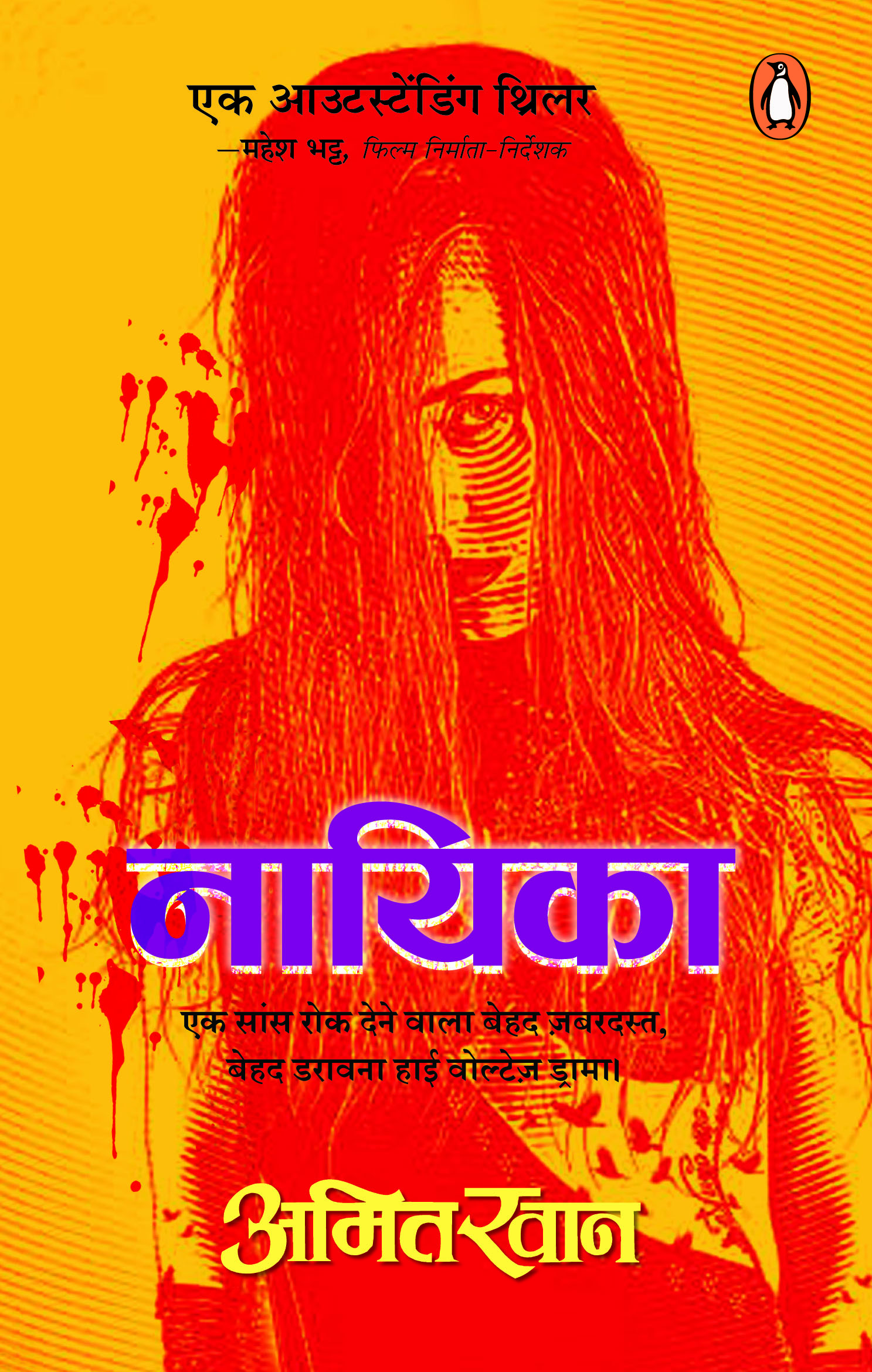
क्या किसी पागलखाने में छिपा हो सकता है, हत्याओं का राज़! आखिर वो कौन है, जो कर रहा है लाशों पर अट्टहास? मौत के तांडव की एक ऐसी सनसनीख़ेज़ कहानी, जिसे पढ़कर हत्यारे से नफ़रत नहीं होती, क्यों? शहर में क़त्ल पर क़त्ल हुए जाते हैं और पुलिस क़ातिल को पकड़ नहीं पाती। सारी घटनाओं में एक बात ख़ास है, हर मरने वाला आरोपी है, बलात्कारी है। आखिर वो कौन है, जो इन वारदातों को अंजाम दे रहा है और फिर इन हत्याओं का तरीका क्या है? इस राज़ का खुलासा भी होता है मगर एक रेडियो शो में और लोग उसकी वजह सुनकर भौंचक्के रह जाते हैं। सस्पेंस और रोमांस से भरपूर अमित खान का यह थ्रिलर आपको आखिर तक बांधकर रखेगा और आप दिल थामे यह उपन्यास पढ़ने पर मजबूर हो जाएँगे।

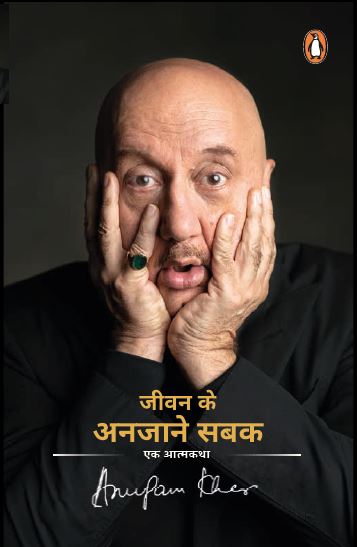
एक लाजवाब, रोचक और बेबाक जीवनी जिसमें कई अनसुनी कहानियाँ, उदाहरण और सबक छुपे हुए हैं। अनुपम खेर अपनी ऐसी आत्मकथा के हीरों हैं जिसमें नाटक, कॉमेडी और रोमांस सबकुछ है! आखिर किसे पता था कि शिमला जैसे छोटे शहर का एक लड़का एक दिन अभिनय की दुनिया में देश और दुनिया में इतना बड़ा नाम हासिल करेगा जिसे कई राष्ट्रीय और अंतरराष्ट्रीय पुरस्कार मिलेंगे! पाँच सौ से अधिक फिल्मों की वो यात्रा अब भी जारी है। अनुपम को सिर्फ अपने खास लुक के लिए ही नहीं जाना जाता, बल्कि वे अपने बेबाक विचारों के लिए भी मशहूर हैं। इस पुस्तक में जीवन के अविश्वसनीय सबक छुपे हैं जिसमें कोई भी भावी कलाकार अपने जीवन के अक्स देख सकता है।

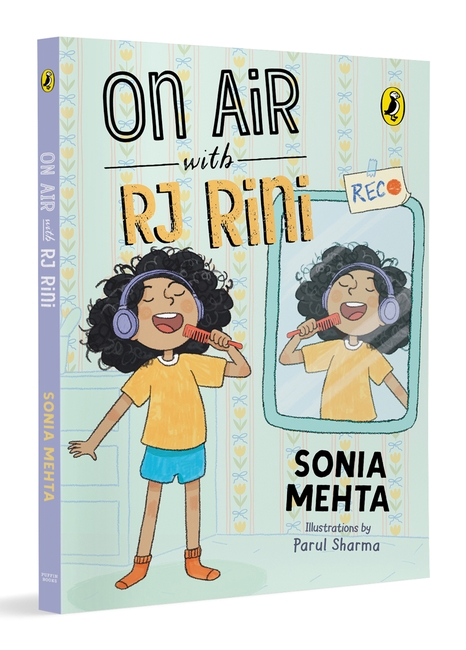
Rini is a certified chatter-machine with a heart full of stories and a mind that never stops buzzing. She talks to everyone—her mirror, her plants, even the toaster—but at home, no one has time to listen.
Then one day, Rini stumbles upon the magical world of radio . . . a place where people want to hear you talk! Suddenly, becoming an RJ becomes her biggest dream. With a hairbrush for a mic and her eccentric neighbour Gaga as her cheerleader, Rini practices nonstop.
Set in the bustling Sunshine Colony, full of noisy courtyards, quirky aunties, and fairground chaos, this warm, funny story is about finding your voice and making sure it’s heard.

Unlike most entrepreneurship books that focus on venture-backed startups, this work examines the journey of creating sustainable, profitable companies through bootstrapping. What sets this book apart is its focus on “upstart” companies—traditional businesses that succeed through incremental innovations and operational excellence rather than disruptive technology. This represents a massive but often overlooked opportunity in India’s growth story. With India’s growing economy creating unprecedented opportunities for such businesses, this book fills a crucial gap in entrepreneurship literature focused on the Indian context.

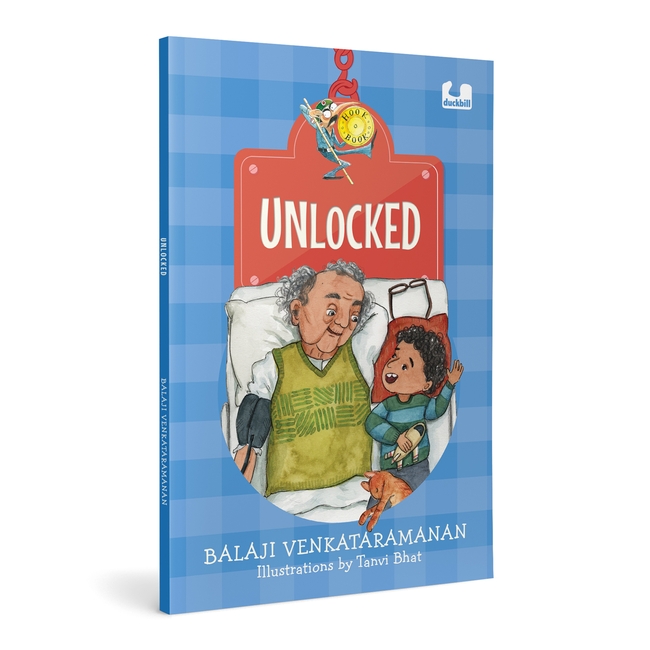
Nothing fascinates Ravi more than Grandpa’s magic box. What secrets does it hold?
About the Hook Book Series
In a world where children’s books often feel cut from the same cloth, Hook Books stand out as a vibrant blend of imagination, humour, and heart. Crafted as a bridge between picture books and early chapter books, this series delivers stories that spark joy and wonder, while remaining rooted in age-appropriate learning.
Hook Books keep the fun going with:
- Short, digestible bits of text (perfect for budding readers)
- Bright colour illustrations that pull kids into the story
- Themes that speak to the everyday lives of children—plus a sprinkle of whimsy!
From fantasy tales to those that touch on more advanced ideas, Hook Books ensure that young readers are always in for a treat, no matter their reading level. Even better, these books take children on journeys through different parts of India, giving them a taste of the rich diversity of our world through local flavours, landscapes, and cultures. Whether the story takes place in bustling cities or quiet villages, Hook Books make every setting feel like home.
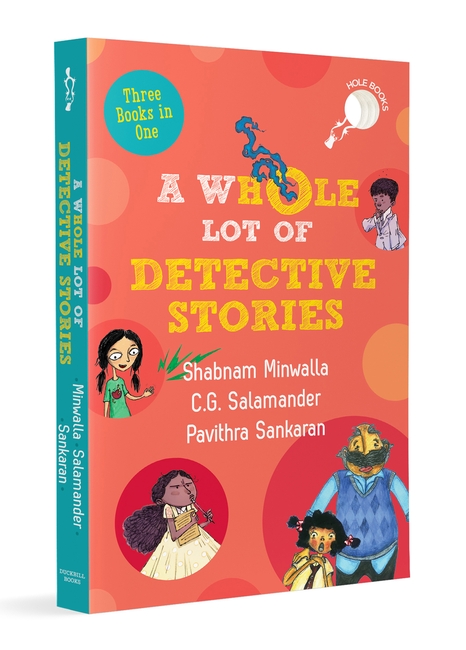
There are mysteries afoot—but yay, there are also detectives who will solve these! Meet Nina, who uses her special powers to find the stolen silver own; Nisha Small and Jamie, who have to find a missing wedding thaali, and Mira, who has to hunt down her grandfather’s purloined gold watch.
There a clues galore, and all kinds of villains, and some very clever thinking in this delightful collection of detecting unlimited.

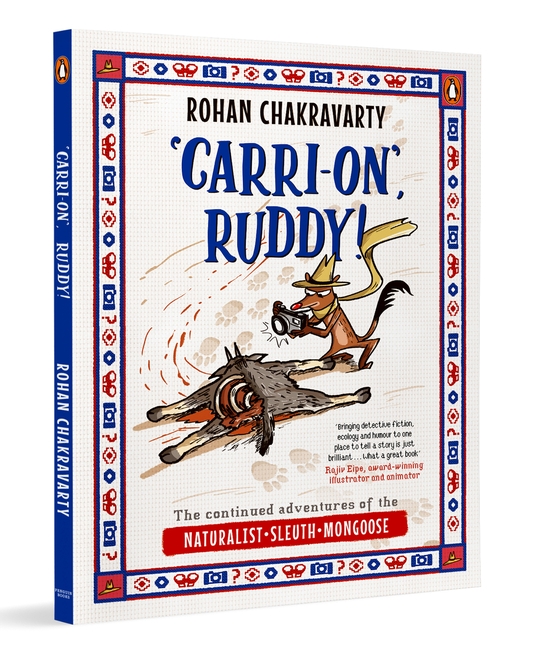
Hoof and claw marks on trees! Cannibal bees! Lichens that threaten lizards! What on earth is going on?!
Naturalist Ruddy—a clever Ruddy Mongoose and Kanha Tiger Reserve’s resident nature detective. With an instinct for digging and a nose for mysteries, Ruddy investigates unusual phenomena and animal interactions that unfold like nature’s ‘crime scenes’, even when no laws are broken.
Travel across India with Ruddy as he cracks nail-biting cases, uncovers the secrets of the natural world and meets a cast of unforgettable animal characters along the way.