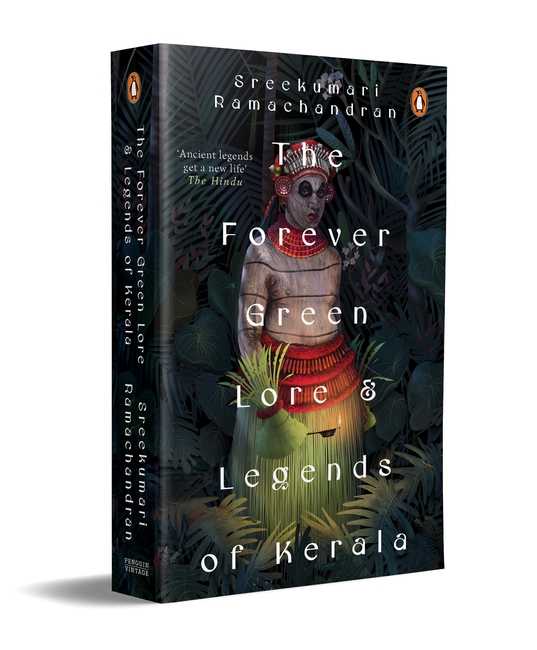
Dive into the enchanting world of The Forever Green Lore and Legends of Kerala, where history and mysticism intertwine to create a tapestry of cultural heritage that is both vibrant and timeless. This book is a heartfelt journey through Kerala’s rich traditions and folklore, offering readers a glimpse into the soul of this captivating region.
Each chapter is a doorway to the past, revealing stories of divine interventions and miraculous events that have shaped Kerala’s identity. Experience the thrill of the legendary snake boat races of Vanchippattu and the spiritual fervour of Villadichan Pattu performances. Feel the divine presence in tales of Karuppaswamy’s possession and the sacred timber of Aranmula Temple, where faith and devotion transcend the ordinary.
Through vivid storytelling and meticulous research, The Forever Green Lore and Legends of Kerala celebrates the enduring spirit of its people. It is a tribute to the profound devotion of individuals like Poonthanam Nambudiri and Gouri, whose spiritual journeys offer a glimpse into the deep-rooted faith that permeates Kerala’s culture.
This book is a must-read for anyone captivated by the intersection of history, spirituality, and cultural traditions. Whether you are a history enthusiast, a lover of folklore, or someone seeking spiritual narratives, it promises to transport you to a world where the past is alive and the spirit of Kerala shines brightly.

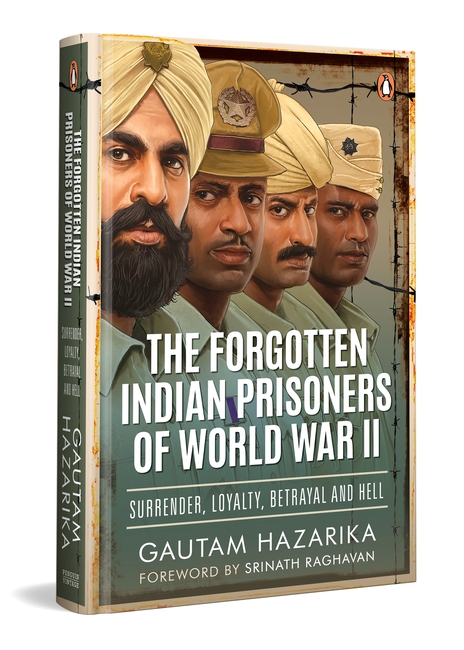
Against the tumultuous backdrop of Singapore in 1942 unfolds the extraordinary saga of Captain Mohan Singh of the 14 Punjab Regiment and the Indian National Army (INA). As the pioneering leader of the INA, Singh’s bold alliance with Japan sought to liberate India from the yoke of British rule but soon encountered treacherous challenges.
In chronicling how INA soldiers fought bravely when they got a chance, as well as the harrowing trials of them enduring starvation and sickness in Burma, this tale unveils a lesser-known chapter of history. The author masterfully follows the INA’s journey through the jungles of Burma to the postwar days in India when it hastened Independence, highlighting Subhas Chandra Bose’s pivotal rise to leadership along the way.
This is also the story of Lieutenant M.M. Pillai’s daring escape from Singapore. Of the grim fate of prisoners of war (POWs) like Warrant Officer John Baptist Crasta, one of 17,000 Indian POWs sent to hard labour camps in the Pacific. Of the war crime trials held by the Australians for Japanese atrocities against these POWs where Subedar Chint Singh was a key witness. Of the wives waiting for years with little news of their soldier-husbands.
Gautam Hazarika’s The Forgotten Indian Prisoners of World War II, enriched by personal accounts and the hard truth, is a testament to loyalty, resilience and the indomitable human spirit
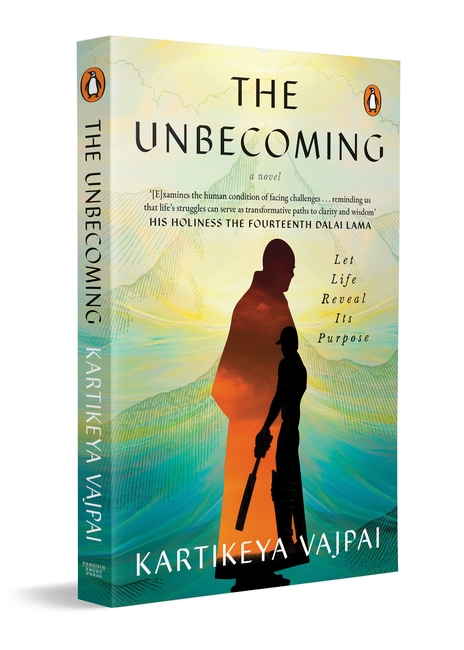
The Unbecoming will help you to:
- See how identity, ego, and expectations can blur our experience of the present moment.
- Understand what real detachment looks like – free from fear and greed.
- Realize that creativity is born from stillness, not struggle.
- Embrace honest, authentic self-expression in every area of life.
- Invite inner spontaneity through deeper awareness.
Who is The Unbecoming for?
- Anyone seeking purpose, clarity, or direction.
- Those wrestling with self-worth and trying to hear their inner calling.
- Those who want to build inner value instead of chasing external validation.
- Anyone longing to rediscover everyday creativity.
- Those overwhelmed by constant digital noise and fading attention spans.
- People exhausted by the pressure of “being the doer,” who want to move through life as a calm, clear channel for meaningful work.
- Anyone craving ease, effortlessness, and flow.
What’s inside The Unbecoming?
- A transformative philosophy delivered through fiction.
- One character who pursues perfection through a spiritual lens while another searches for purpose after success collapses – and rediscovery begins.
- A story that unfolds through unexpected turns as both characters uncover deeper truths about identity, attention, and freedom.
- A narrative that moves between the high-stakes world of an international cricketer and the quiet depth of a monk devoted to inner silence.
- A reveal of how material ambition can be transformed through a spiritual lens.
- A reminder that purpose isn’t something we catch by chasing – it’s something that finds us when we become open and available to life, allowing it to fulfil its purpose through us.
In a low-income neighbourhood of Delhi, the Anand family’s hopes rest on the elder son, Atul, who has accepted a lucrative job in Bangkok. However, days after his departure, Atul disappears—caught in a brutal cyber scam hub operating out of Cambodia. As the family grapples with Atul’s disappearance, its dynamics are tested. Then, the younger son Aseem—wayward, with a history of half-baked plans and ongoing financial demands—takes matters into his own hands.
Armed with nothing but desperation and a reckless plan, Aseem dives into a deadly world of exploitation and crime. To save his brother, he’ll have to risk everything—including his own life. Can he pull it off?
From the creator of the much-acclaimed web series Grahan, Press 9 for a Crime is a heart-stopping, gripping story of sacrifice, deception, redemption and the power of family in the face of impossible and overwhelming odds.
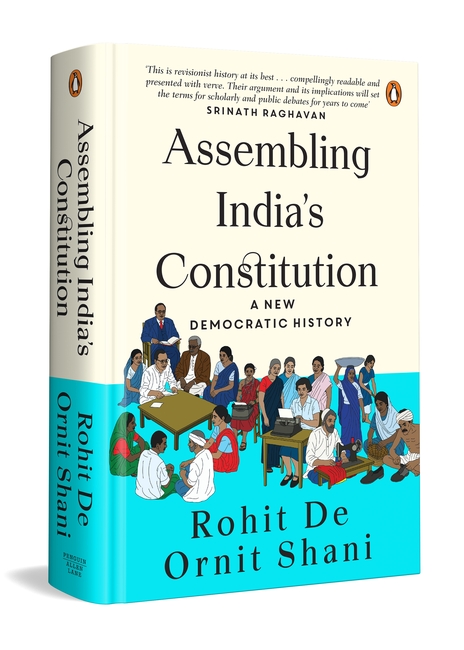
In this paradigm-shifting history, two leading historians of India re-examine the making of the Indian constitution from the perspective of the country’s people. In a departure from dominant approaches that foreground the framing of the text within the Constituent Assembly, Ornit Shani and Rohit De instead demonstrate how it was shaped by diverse publics across India and beyond. They reveal multiple, parallel constitution-making processes underway across the subcontinent, highlighting how individuals and groups transformed constitutionalism into a medium of struggle and a tool for transformation. De and Shani argue that the deep sense of ownership the public assumed over the constitution became pivotal to the formation, legitimacy and endurance of India’s democracy against arduous challenges and many odds. In highlighting the Indian case as a model for thinking through constitution making in plural societies, this is a vital contribution to constitutional and democratic history.
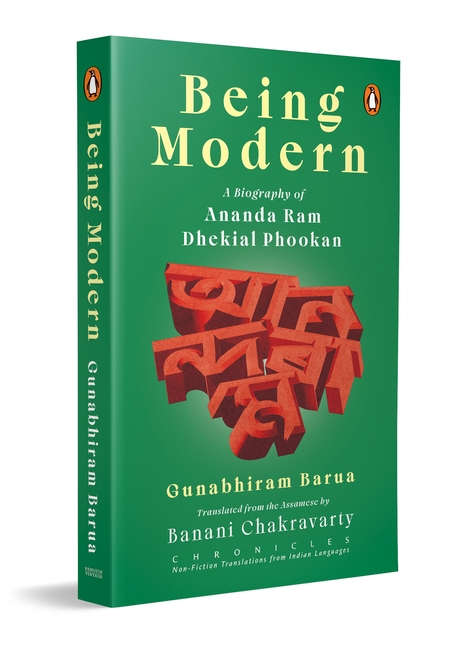
Ananda Ram Dhekial Phookan (1829–59), the subject of this first modern Assamese biography, was the most significant figure in early colonial Assam. Born into a family affected by the region’s political upheavals, including the First Anglo–Burmese War (1824–26), Ananda Ram embodied the various social and cultural transformations of the early nineteenth century.
Despite his short life, Ananda Ram left an indelible mark on Assamese society and scholarship. His crusade to establish Assamese as Assam’s rightful court and official language—displacing Bengali from its entrenched position—would prove pivotal to the making of modern Assamese identity. His diverse scholarship ranged from books for young readers to more serious and intellectually rigorous works on colonial law and language, among other subjects.
Gunabhiram Barua, the author of this book, intertwines Ananda Ram’s life story with a broader historical account of Assam’s transition into colonial modernity. History unfolds alongside biography in this book elegantly translated by Banani Chakravarty for the Chronicles series—making it a window into nineteenth-century Assam as well as a portrait of a remarkable life.
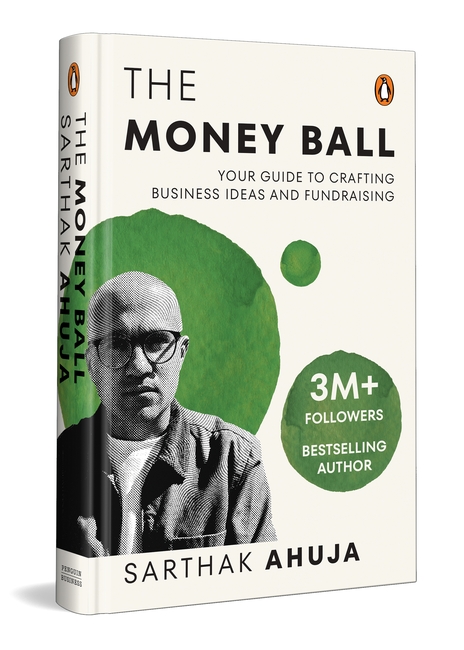
What separates successful entrepreneurs and business leaders from others is largely their ability to take the right decisions and grab the right opportunities. And one way to become better at that is by having enough information to guide those decisions. Sarthak Ahuja is a business consultant with a proven track record of guiding startups and established businesses towards sustainable growth. With a passion for entrepreneurship and an in-depth understanding of the financial and regulatory aspects of running a business, Sarthak has become a go-to advisor for businesses of all sizes. This book is a handbook of actionable insights across leadership, business, finance, marketing and startups.
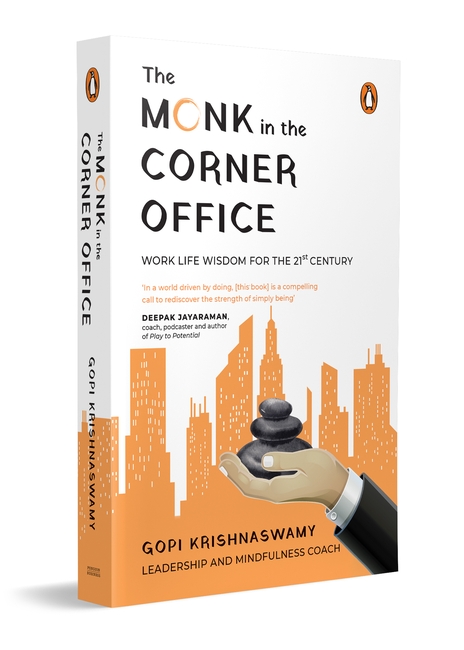
Burnout is not the cost of ambition. It’s the cost of flawed leadership design. Today’s executives are praised for endurance. For intensity. For pushing through. But behind the performance metrics is a quieter truth:
Exhausted leaders make reactive decisions. Burned-out teams stop innovating. Relentless pace erodes judgment.
And eventually, something breaks.
In The Monk in the Corner Office, former IDEO managing director and Zen practitioner Gopi Krishnaswamy challenges the myth that high performance requires personal sacrifice. Drawing on decades of executive leadership and disciplined inner training, he presents a new standard for modern leadership:
Sustained excellence without depletion. This is not a wellness book. It is a strategic performance manual for serious leaders.
Inside, you’ll learn how to:
- Build clarity under pressure
- Protect cognitive and emotional energy at the top
- Design organizations that don’t manufacture burnout
- Lead with calm authority in volatile environments
- Replace heroic effort with intelligent performance systems
Because in today’s environment, intensity is easy.
Sustainability is rare.
The leaders who will define this decade are not the ones who endure the most strain. They are the ones who master themselves—and build systems that make high performance sustainable. If you carry serious responsibility—for a company, a division or a team—this book offers a competitive advantage most leaders overlook.
Calm is power.
Clarity is leverage.
Sustainable performance is the future!

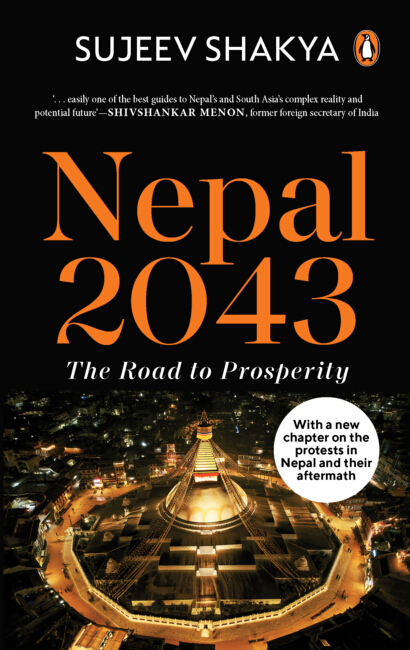
Nepal is poised as never before to embark on an incredible future. The past two decades has seen unprecedented economic growth despite the challenges propped up by frequent changes in government, tumultuous political transitions, earthquakes, floods, blockades and to top it all, the pandemic. There is little written about this change as negative narratives cloud contemporary writings on Nepal.
Moreover, there’s something uniquely exciting about where Nepal can go from here on. Drawing from practical experiences and academic insights, this book presents a compelling vision for Nepal’s future, exploring key areas such as hydropower, agriculture, tourism, migration and digital transformation. It argues that with a sixfold increase in GDP over two decades, Nepal is actually poised to scale even greater heights in the years to come. Positioned strategically between China and India, and supported by a robust diaspora, this not-so-small country has the potential to transform into a high-income country by 2043. There is change brewing among its youth who are ready to play a more active role in transforming the country’s politics and economy. It is, therefore, only a matter of time before all this untapped potential is leveraged. While this book is about Nepal’s potential, it is also a playbook for emerging economies.
Come, join the journey to reimagine and reintroduce Nepal to the global stage.

*A Classic Fairytale Series*
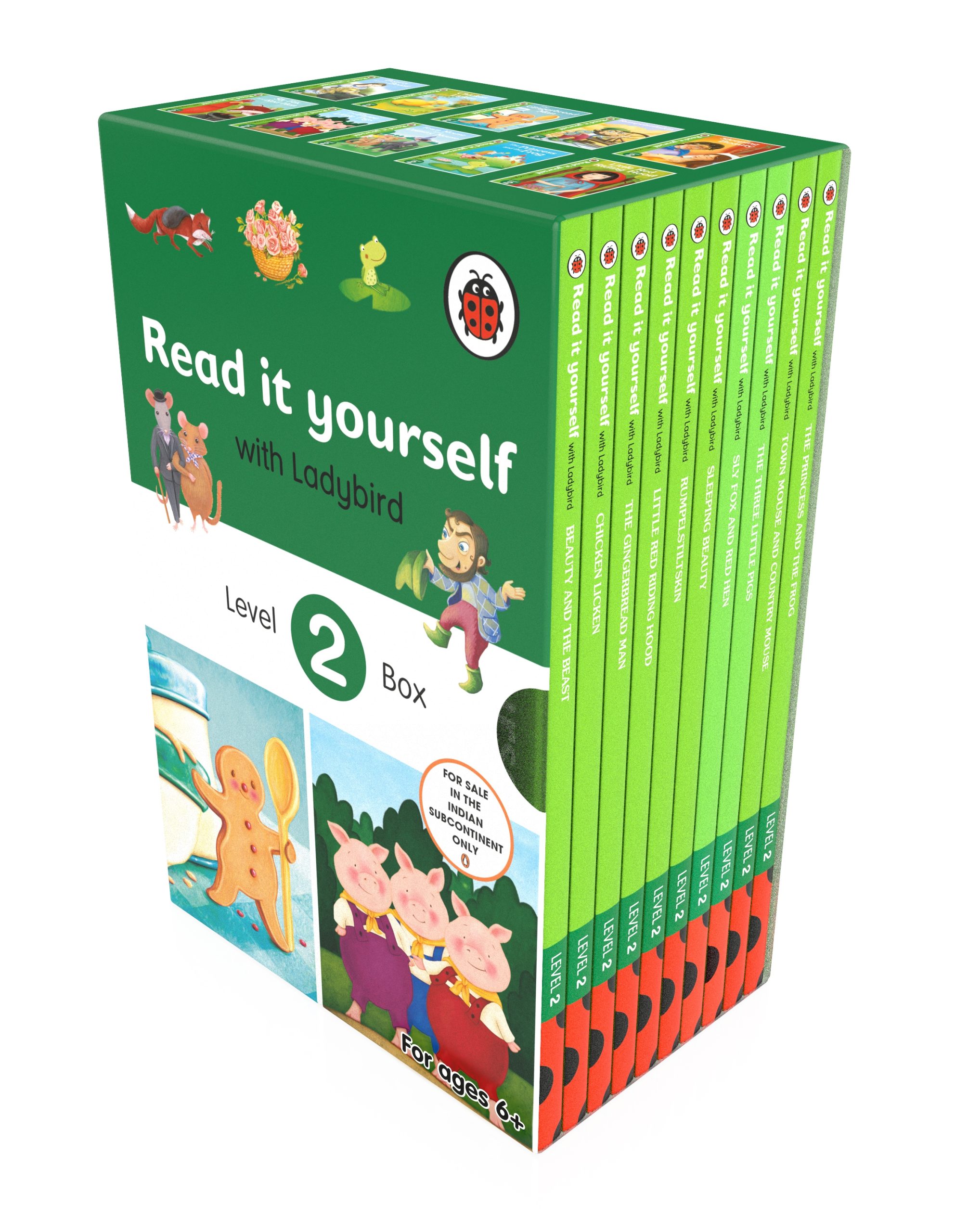
Read It Yourself with Ladybird is one of Ladybird’s best-selling series. This is a series of character stories and traditional tales, written in a simple way for children who are learning to read. For over thirty-five years it has helped young children who are learning to read develop and improve their reading skills.
Each Read It Yourself book is very carefully written to include many key, high-frequency words that are vital for learning to read, as well as a limited number of story words that are introduced and practised throughout. Simple sentences and frequently repeated words help to build the confidence of beginner readers and the different levels of books support children all the way from very first reading practice through to independent, fluent reading.
Each book has been carefully checked by educational consultants and can be read independently at home or used in a guided reading session at school. Further content includes comprehension puzzles, helpful notes for parents, carers and teachers, and book band information for use in schools.
Please note that the following individual books as per original ISBN and cover image in this listing shall be dispatched collectively.
This box contains 10 graded storybooks from Level 2. It is perfect for children who can read short, simple sentences with help.
This Tuck-Box includes below titles:
1. The Gingerbread Man
2. Town Mouse and Country Mouse
3. The Three Little Pigs
4. Chicken Licken
5. Little Red Riding Hood
6. Sly Fox and Red Hen
7. Sleeping Beauty
8. Beauty and the Beast
9. Rumpelstiltskin
10. The Princess and the Frog
Level 2 Read It Yourself Tuck-Box is ideal for children who have received some initial reading instruction and can read short, simple sentences with help.