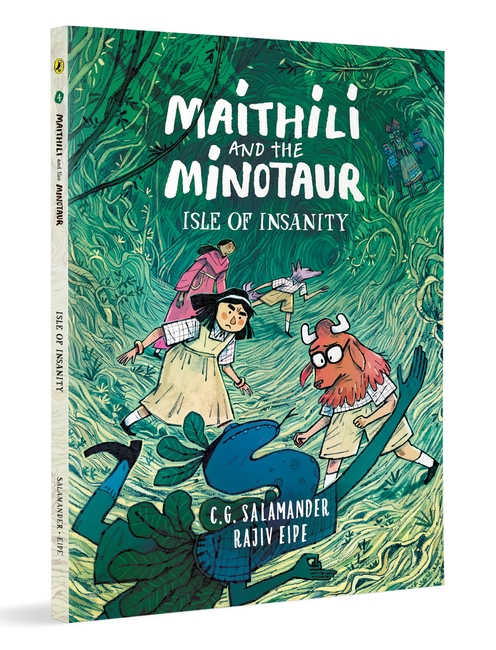
Maithili and her friends never planned on landing up at an isle of rust and ritual. Not when there was a dance contest to win.
But a countdown now looms, and one wrong move could destroy everything. Can they escape the island in time? Or will they succumb to its insanity?
Step into the fourth instalment of Maithili and the Minotaur, set in an outlandish world where nothing is as it seems.

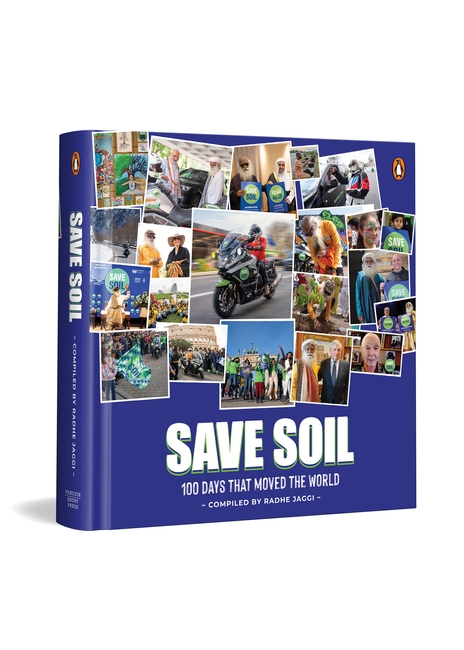
‘If life allows you to create something that is larger than you, it is the greatest privilege and fulfillment for a human being’ – Sadhguru
On 22 March 2022 Sadhguru began a global movement to address the soil crisis by bringing together people from around the world to stand up for Soil Health and supporting leaders of all nations to institute national policies and actions toward increasing the organic content in cultivable Soil. For this, he embarked on an incredible 100-day, 30,000 km journey across the world on a motor-bike, meeting global leaders, giving media interviews and stirring people wherever he went.
This book is an exclusive, behind-the-scenes look at the making of the world’s largest people’s movement where the volunteers from the Isha team, relive this awe-inspiring journey of a lone motorcyclist that touched over 4 billion people and brought much-neglected ‘soil’ into the world’s collective awareness.

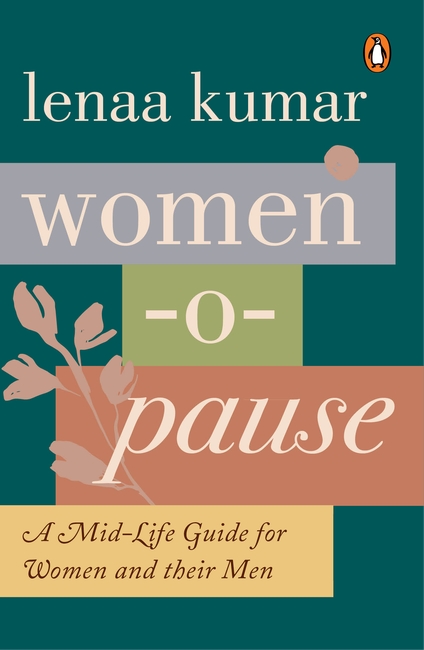
From the bestselling author of The Autobiography of God
In Women-O-Pause, Lenaa invites you into a year of profound transformation. 2024 sparked a wave of social media attention just as her life shifted dramatically through marriage, relocation, and an unexpected initiation: perimenopause. Rather than viewing it as a decline, she reframed this transition as ‘Womenescence’—a powerful awakening into the next phase of womanhood.
Amid the whirlwind of public visibility and private change, she embarked on a deep exploration of midlife health. Refusing to accept confusion, discomfort, and pharmaceutical dependence, she turned to extensive research, lifestyle changes, and natural healing practices rooted in holistic wellness and ancient traditions.
The result is both memoir and guide—a practical yet deeply reflective blueprint for women navigating perimenopause and menopause with greater awareness, agency, and vitality. Through personal insight and actionable tools, Women-O-Pause challenges conventional narratives while encouraging women to reconnect with the cyclical intelligence of their bodies.
Featuring insights from professional doctors who offer medical insight and clinical perspectives, this book bridges lived experience with modern science. It ultimately reframes menopause not as a problem to be solved, but as a powerful rite of passage.

राजनैतिक पैंतरेबाजियों के बीच प्यार के लुभावने सपने युद्ध की लपटों में किस तरह बिखर गए, इसी की रोचक कहानी है — निमन्त्रण, जिसे इस सदी के महान उपन्यासकार आचार्य चतुरसेन ने अत्यंत कलात्मक ढंग से लिखा है।
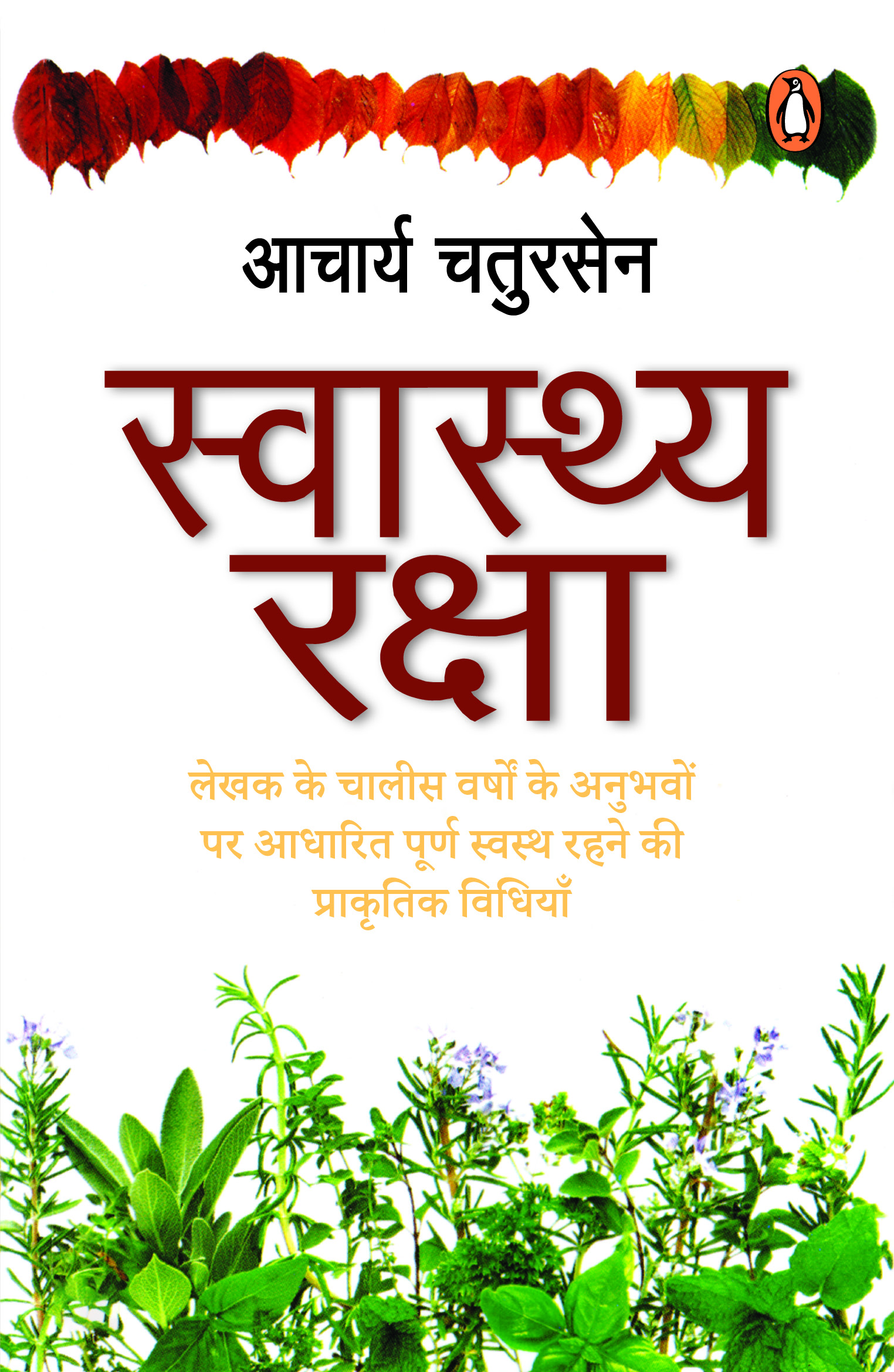
स्वास्थ्य रक्षा का अर्थ है शरीर की रोग, विकार, आलस्य आदि से रक्षा करना। शास्त्रों के अनुसार आध्यात्मिक (मन से उत्पन्न दु:ख), आधिभौतिक (शारीरिक दु:ख) तथा आधिदैविक (प्रकृत दु:ख) रूपों से भावना की रक्षा, स्वास्थ्य रक्षा है। आचार्य चतुरसेन ने आयुर्वेद के तरीके से स्वस्थ रहने के मूलमंत्र को इस पुस्तक में दिया है। स्वास्थ्य रक्षा के अनेक मूलमंत्र हैं जैसे पौष्टिक और स्वास्थ्यकर भोजन खाना। भोजन नियत समय पर और भूख लगने पर करना चाहिए। सादा, सुपाच्य, सन्तुलित और पौष्टिक भोजन अधिक लाभदायक है। घी, तेल, फल, सब्जी के प्रयोग से भोजन में पौष्टिकता आती है। सड़े-गले बासी, अपाच्य भोजन का सेवन नहीं करना चाहिए। यह पुस्तक अपने आप में एक कंपलीट हैल्थ गाइड है, जो हर किसी के लिए उपयोगी है।

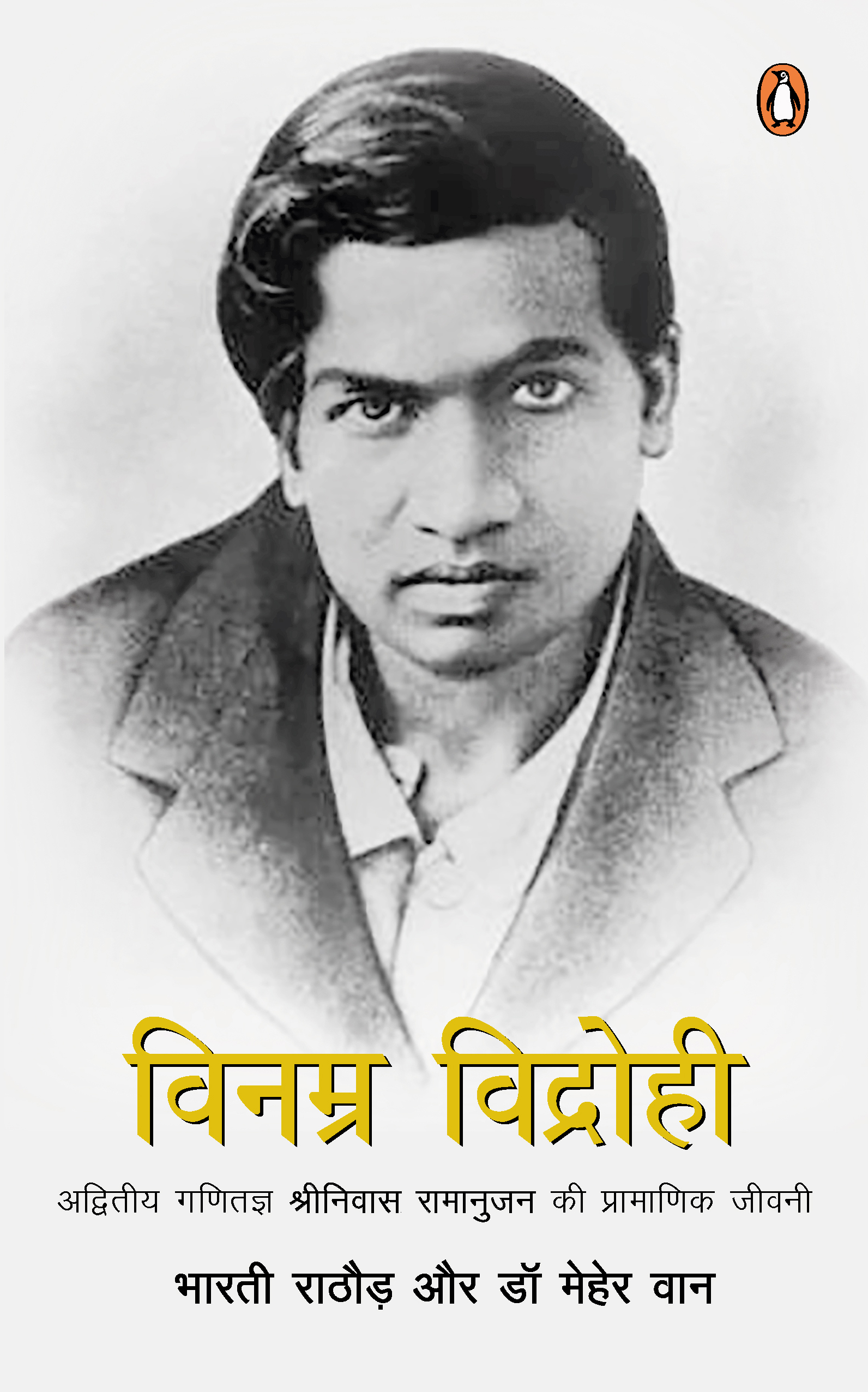
यह पुस्तक भारत में जन्मे विलक्षण प्रतिभाशाली गणितज्ञ श्रीनिवास रामानुजन की जीवनी है जिसमें उनकी एक सामान्य परिवार में जन्म से लेकर कैंब्रिज में जाकर पढ़ने और गणित के अकाट्य सूत्रों को प्रस्तुत करने की कहानी है जिस पर अभी तक दुनिया मंथन कर रही है। इस पुस्तक में तत्कालीन समाज, अंग्रेज़ी राज, यूरोप की स्थिति और अकादमिक जगत की हलचलों का भी पता चलता है। इस पुस्तक की भाषा प्रांजल है और इसे युवा वैज्ञानिक डॉ मेहर वान और पत्रकार भारती राठौड़ ने काफी सरल भाषा और बातचीत की शैली में लिखा है जो पाठकों को बांधकर रखती है। विज्ञान, इतिहास, शोध और अकादमिक क्षेत्रों में दिलचस्पी रखने वालों के लिए यह एक ज़रूरी पुस्तक है।
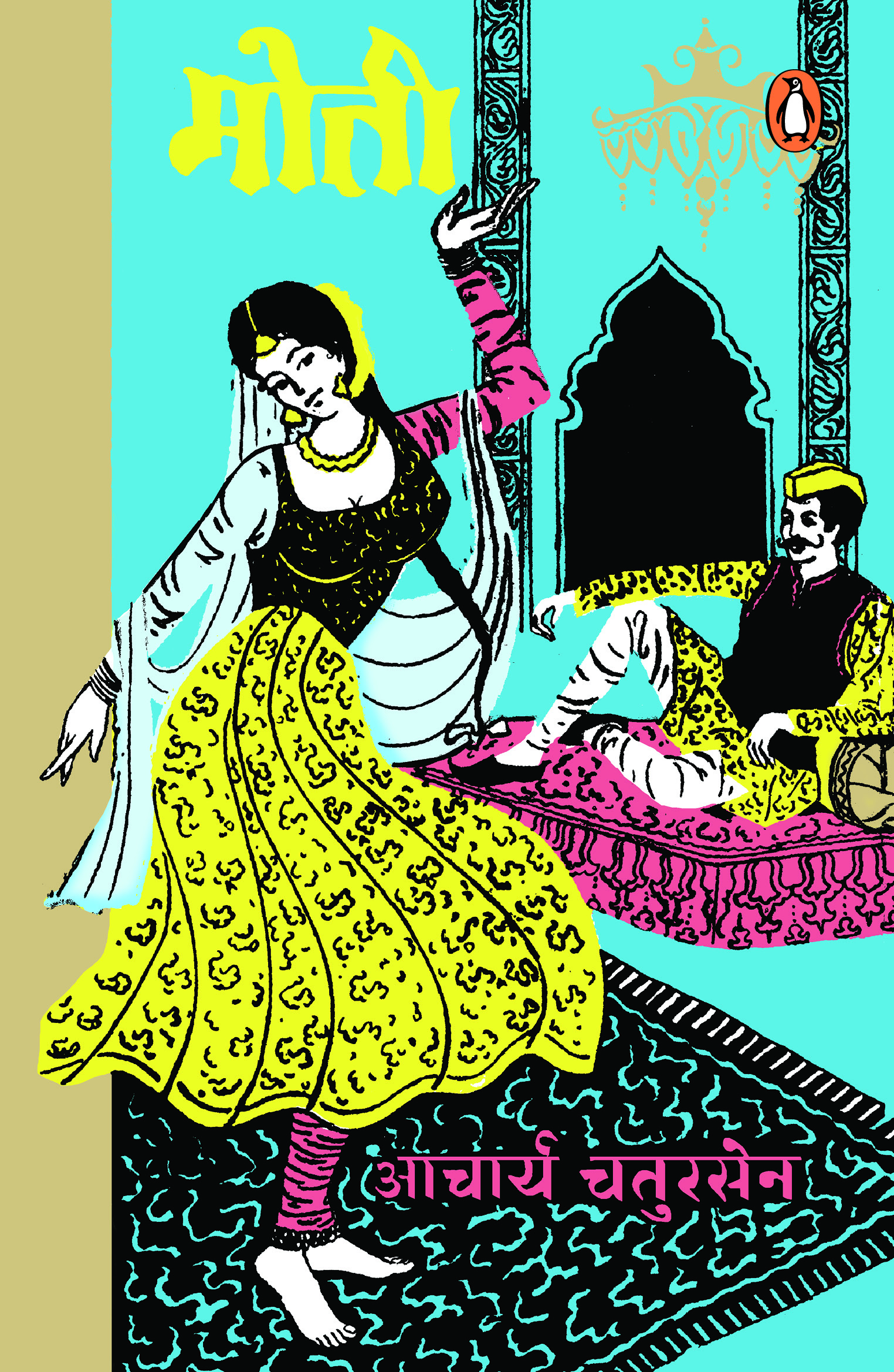
मोती—एक अनोखा इन्सान, क्रांतिकारी आंदोलन में भाग लेने के कारण उसे सज़ा हो गई, लेकिन वह जेल से छूट कर आया तो देखा—उसके सपनों की रानी नीलम पुष्प-हार लिए उसके स्वागत को तैयार खड़ी है और विवाह की तैयारियाँ हो रही हैं।
प्रसिद्ध लेखक आचार्य चतुरसेन की इस अंतिम कृति के पीछे लेखक के पूरे जीवन का अनुभव है और इसमें उनकी कला पूरे विकास पर है।
आध्यात्मिक विचारधारा भ्रमित भी कर सकती है। वर्तमान युग की उन्मत्त गति ने उन बन्धनों को ढील दी जो हमारे पूर्वजों को प्रार्थना और विश्वास से जोड़े हुए थे। लेकिन रोल मॉडल हमें अपनी राह फिर खोजने में मदद कर सकते हैं। कृपा सिन्धु में प्रसिद्ध इस्कॉन साधू नित्यानन्द चरण दास पाठकों को उन इक्कीस असाधारण प्रतीकों के जीवन से परिचित करा रहे हैं जो अपनी शिक्षाओं और जीवन के माध्यम से आध्यात्मिक मार्गदर्शक बने।
मीराबाई और रामानुजाचार्य से लेकर सन्त तुकाराम और आदि शंकराचार्य तक–महान आत्माओं का जीवन एक स्तर पर सबसे आवश्यक आध्यात्मिक सिद्धान्तों का व्यावहारिक प्रदर्शन ही है। हालांकि, नित्यानन्द चरण दास का उद्देश्य न केवल उनकी सांस्कृतिक और आध्यात्मिक विरासत की समृद्धि का उल्लेख करना है, बल्कि पाठकों को यह बताना भी है कि नित्य के कार्यों और विकल्पों से ही सीखा जा सकता है। कृपा सिन्धु प्रेरणादायक होने के साथ आशा भी प्रदान करती है : हमारी यात्रा कितनी भी दोषपूर्ण क्यों न रही हो, आध्यात्मिक मुक्ति सबके लिए सुलभ और सहज है।

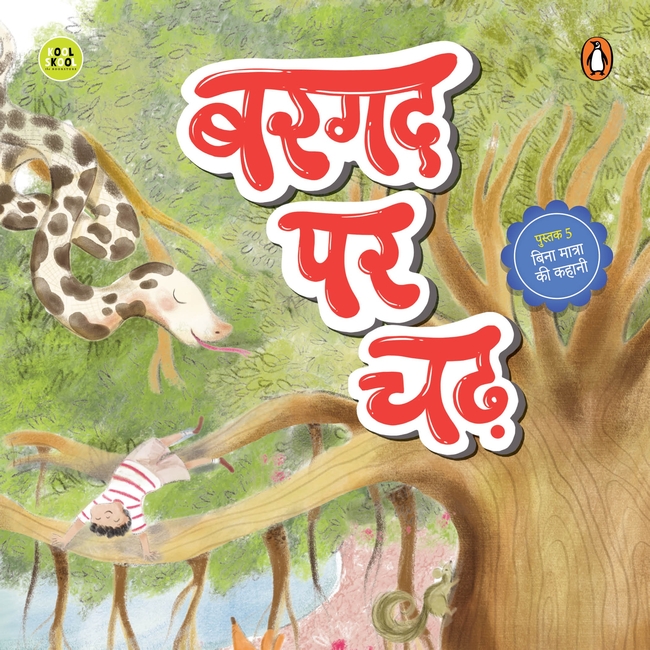
Discover a playful and lively world of stories made entirely of four-letter words without matras! With simple language and colorful illustrations, this book helps young children build confidence, improve comprehension, and develop a love for reading—all through fun, engaging activities.
What’s Inside:
- Playful and lively stories designed for early readers.
- Bright, engaging pictures that make reading fun and visually appealing.
- Includes simple exercises to help children identify letters and understand words.
- Boosts early reading skills and curiosity.
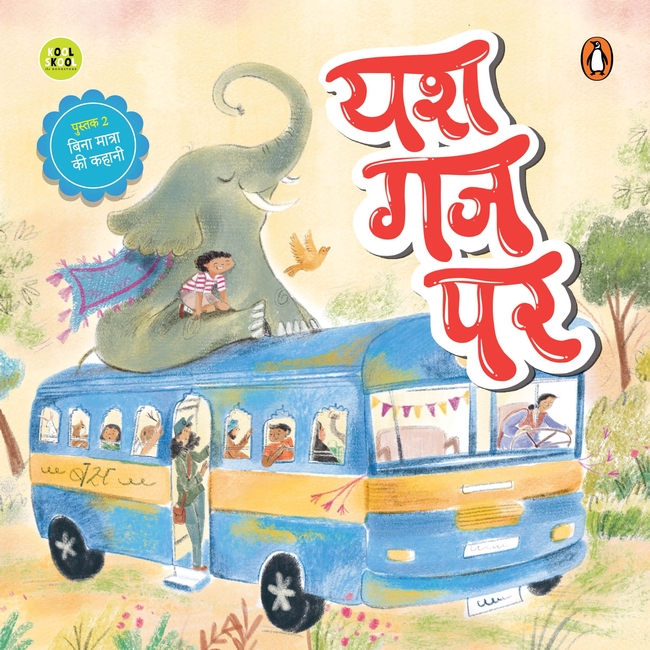
Discover a playful and lively world of stories made entirely of two-letter words without matras! With simple language and colorful illustrations, this book helps young children build confidence, improve comprehension, and develop a love for reading—all through fun, engaging activities.
What’s Inside:
- Playful and lively stories designed for early readers.
- Bright, engaging pictures that make reading fun and visually appealing.
- Includes simple exercises to help children identify letters and understand words.
- Boosts early reading skills and curiosity.