![Made of Rivers [Revised and Expanded]](data:image/svg+xml,%3Csvg%20xmlns%3D%22http%3A%2F%2Fwww.w3.org%2F2000%2Fsvg%22%20viewBox%3D%220%200%201000%201546%22%3E%3C%2Fsvg%3E)
Now revised and expanded with new poems, this raw and poignant collection takes readers on a journey through the winding currents of self-discovery, transformation, and healing, culminating in a glistening sea of love and redemption.
the love that is meant for you
will always find you –
the river
always finds
the sea.
— inevitable
Emory Hall’s debut poetry collection, Made of Rivers, intricately maps the anatomy of a river, surging with themes of loss, grief, and the sacred currents of transformation and motherhood. Brimming with magic and profound depth, Made of Rivers will wash anew all those who come to it, revealing hidden corners of the self yearning to be discovered. It explores the feminine and draws upon Emory’s own wellspring of life experiences, hardships, triumphs, and revelations. Her work sheds light on vital themes of healing and self-care, offers solace to those navigating profound loss, and strikes a chord with mothers, both seasoned and new, who find their own journey mirrored in the pages of her poetry.

Are you ready to embark on an enchanting journey, filled with awe, magic and wonder?
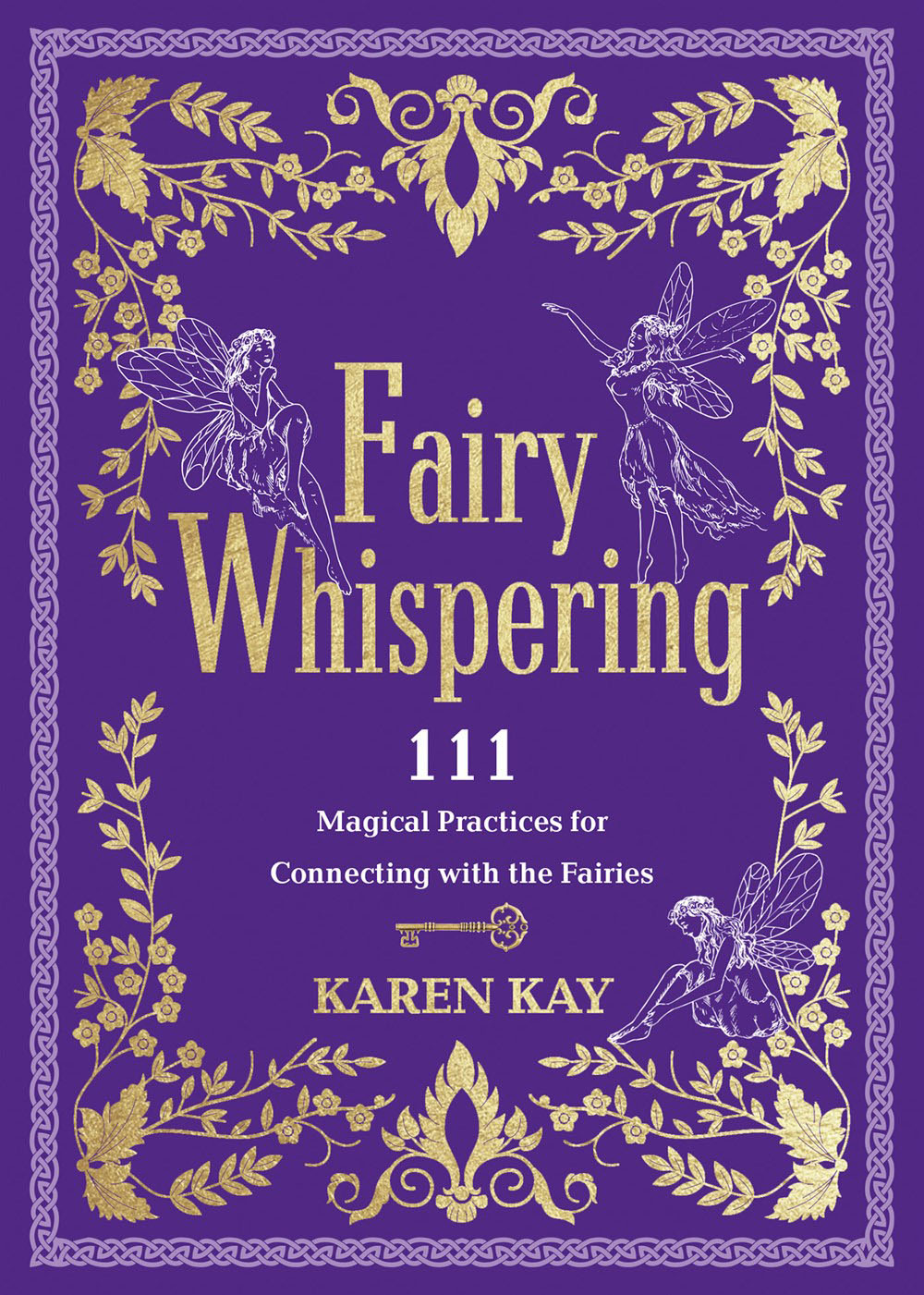
As we grow up, our belief in all things magical can fade. Fairy whisperer Karen Kay is here to remind you that magic is everywhere, miracles happen and fairies are real. They are the guardians of nature – playful, joyful, sometimes mischievous!
Fairy Whispering provides 111 simple ways to open the door to this enchanting realm and connect with the fairies, including rituals, spells, meditations and incantations. Karen encourages you to embrace your inner child and, most importantly, to have fun – in Fairyland, anything goes!
With an open mind, a love of nature and a gentle heart, you can build your own personal relationship with the fairies and sprinkle a little fairy dust everywhere you go. Fairies are closer than you think. Believing is seeing…

Entrepreneur and transformative coach Marni Battista offers a unique blend of spiritual wisdom and practical exercises designed to redefine success and reignite the passion in your life.
Rooted in neuroscience, somatics, and a whole-self approach to transformation, Battista lays out seven spiritual questions that will help you to build a more meaningful life.
“Did you seek wisdom?”
“Were you, you?”
“Were you radically honest with yourself?”
“Did you busy yourself with creation?”
“Did you make time for your spiritual life?”
“Were you hopeful?”
“Did you recognize the blessing?”
Each spiritual question is brought to life by a personal story from Marni’s own Radical Living Challenge. Workbook-style exercises are woven throughout each section, crafted to help you overcome fears and resistance, define success on your terms, and design your own style of radical living.
Within each section, Battista examines the truths and fictions we tell ourselves and others as we teeter on the tightrope between love and freedom, meaning and mortality, guilt and redemption, terror and courage, hope and change.
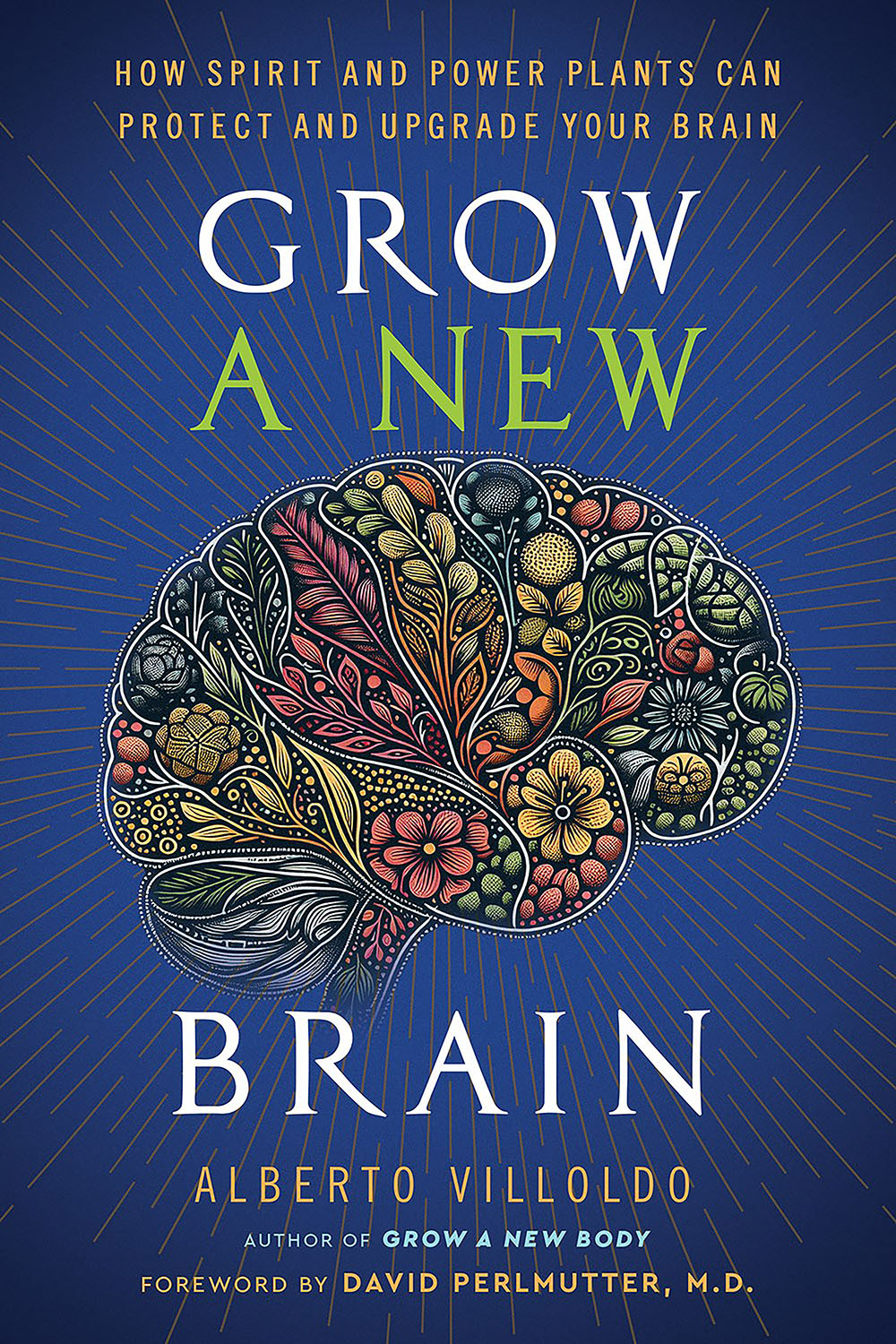
Growing older is inevitable, but aging can be prevented—even reversed—when you upgrade your brain, using ancient and modern science and proven anti-aging techniques, to create psychosomatic and brain health.
A healthy brain is the foundation for a healthier and more fulfilling life, and in Grow a New Brain, modern shamanic practitioner Alberto Villoldo reveals research and introduces protocols for readers to improve their brain function right now. The book combines ancient and modern science to eliminate old senescent cells, detoxify your brain and body, reduce inflammation, increase the growth of brain cells that support neuroplasticity, and more. Readers will learn:
• How to turn your kitchen into a shaman’s laboratory to make your own probiotics that repair that gut and produce neurotransmitters that balance the brain.
• How to use shamanic meditative techniques to switch on genes for health and turn off genes for illness and disease, and drawing on the science of epigenetics how to avoid being trapped in the destiny inherent in your genetic coding
• How to reverse damage to the brain caused by free radicals and restore the functioning of our mitochondria (or power centers) in our cells.
• How to increase the amount of BDNF (brain-derived neurotrophic factor) you produce, allowing you to grow new brain cells (neurogenesis) that will support neuroplasticity.
Astrology seen through the lens of karmic history offers insight into your beliefs, talents, fears, and goals, and gives deeper clarity and emotional resonance to the spiritual guidance offered in this comprehensive guide.
Our astrological natal chart placements aren’t just random collections from a cosmic lottery. They are the direct result of beliefs formed in other lives and our soul’s intention for growth and healing in this life. An understanding of our karmic history is essential to see the full picture and insight astrology offers us.
This book lays groundwork for basic fluency with astrology that include connections to karmic history not found in most books. The text explores aspects of numerology, past life experiences, and connecting to our intuition get the most out of our natal chart readings.
Lisa Wagner, a professional astrologer with over 30 years of experience, guides readers on a journey of self-discovery as she explains how a fusion of astrology and karma can unlock incredible compassion and understanding—both for ourselves and for others.

Correct the power imbalances in your work and life with a science-backed practice that combines the rigor of Stoic philosophy with the relational impact of empathy.
Stoicism combined with empathy may sound like a contradiction in terms. But when these seemingly opposing forces are harnessed together, they have the power to change your life.
From surviving missile attacks and political oppression in Iran to leading high-stakes legal teams and negotiations in corporate America, Shermin Kruse’s journey fuels her mission to merge empathy and stoicism as tools for navigating power, justice, and human connection in every facet of life. In this eye-opening book, she offers you this radical perspective shift—anchored in up-to-the-minute research—to help you navigate life’s challenges with power and principles.
We often think of empathy as an emotional stance: we feel what someone else is feeling. But Kruse outlines a form of empathy that’s based in cognition, not emotion—a way for us to understand what the other person is thinking and feeling while keeping a distance from their feeling state—and shows us how we can strategically maneuver our level of engagement from “emotional empathy” to “cognitive empathy” in different circumstances. Then she utilizes Stoic philosophy and modern science to outline the how of emotional regulation and control. The bridge she builds between Stoicism and empathy gives us the knowledge and discipline we need to:
• Calmly assess the power dynamics of any situation
• Understand and manage our own emotions as well as the emotions of others
• Defuse danger and turn conflict into connection
• Skillfully steer a challenging conversation toward the result we want
Whether you’re a leader striving to succeed in your role with integrity, an educator seeking to guide curious minds with compassion, a parent nurturing resilience in your children, or simply facing a personal or professional crossroads, Stoic Empathy is an essential toolkit for negotiating success in every area of your life.

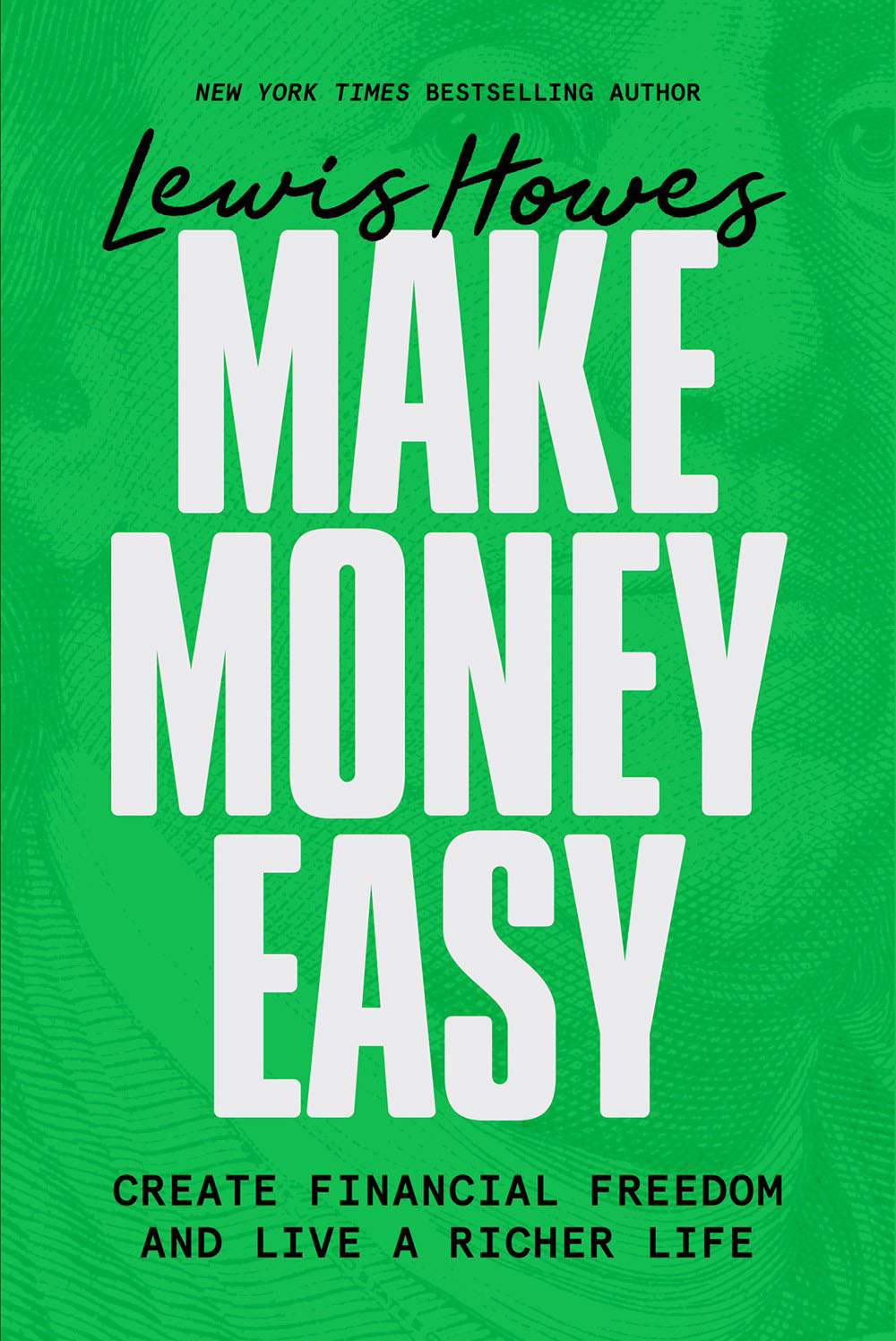
NEW YORK TIMES BESTSELLER!
Align your financial goals with your Meaningful Mission to achieve lasting abundance and prosperity, from the host of The School of Greatness.
When you change your mindset around money, your entire life becomes richer
Are you tired of living paycheck to paycheck? Do you feel trapped by your monthly expenses? Do you wonder how some people enjoy financial free¬dom while you seem stuck?
Your relationship with money begins with having the right mindset. Until you heal your relationship with money, nothing can change for the better. Because if you don’t care for your money, your money won’t care for you.
Lewis Howes, host of The School of Greatness show, offers the practical advice and mindset shifts you need in order to make financial peace and fulfillment a day-to-day reality. Leveraging insights gained from interviews with the world’s leading financial experts, the latest research around the psychology of money, and his own journey to success, Lewis walks you through how to:
• Identify your Money Style (a key to understanding why you are lacking abundance)
• Develop a powerful Money Mindset so you can earn more
• Create a Money Map to reach clear financial goals
• Appreciate your value and discover your hidden skills for greater earning potential
• Find your Money Mentors to limit money losses and accelerate financial gains
• And much more . . .
This isn’t just another book about finances or investing. This is everything you need to own your worth, so you can earn more and create the abundance you desire.

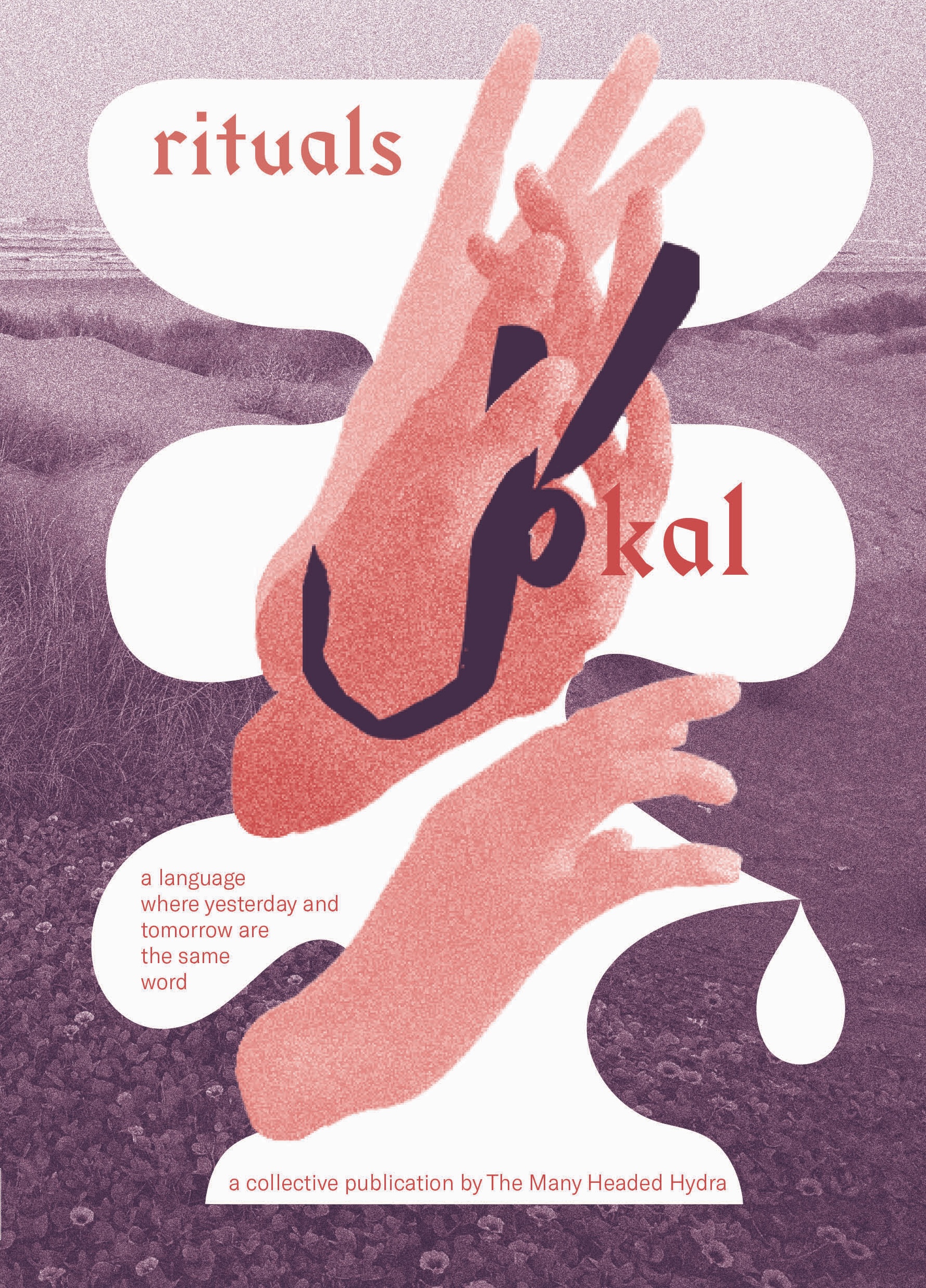
The first in a series of publications emerging from the transoceanic platform kal, RITUALS proposes queer and trans- feminist ecologies, embodiments and mythmaking. The contributions trace and disrupt cross-colonial legacies through bodies of water lapping at the shorelines of the Arabian Sea, the Indian Ocean, and the Atlantic. kal RITUALS is an ode to transterritorial alliances that disrupt binary contours of time and being. A collective work by The Many Headed Hydra, kal RITUALS connects art, research and publishing. Put together by a self-organized artistic platform that spans Karachi, Berlin and beyond, the book emerges from a language where yesterday and tomorrow are the same word, kal. Zubaan

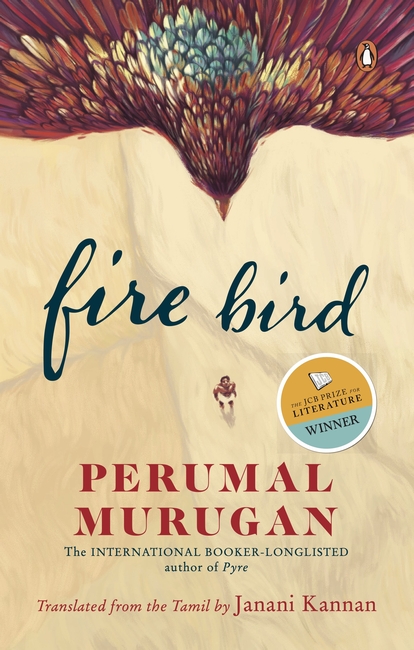
Winner of the JCB Prize for Literature 2023
Fire Bird is a masterfully crafted tale of one man’s search for the elusive concept of permanence. Muthu has his world turned upside down when his father divides the family land, leaving him with practically nothing and causing irreparable damage to his family’s bonds. Through the unscrupulous actions of his once-revered eldest brother, Muthu is forced to leave his once-perfect world behind and seek out a new life for himself, his wife and his children.
In this transcendental novel, Perumal Murugan draws from his own life experiences of displacement and movement, and explores the fragility of our fundamental attraction to permanence and our ultimately futile efforts to attain it. Translated from the nearly untranslatable Aalandapatchi, which alludes to a mystical bird in Tamil, the titular fire bird perfectly encapsulates the illusory and migratory nature of this pursuit.
Fire Bird is a thought-provoking and beautifully written exploration of the human desire for stability in an ever-changing world.

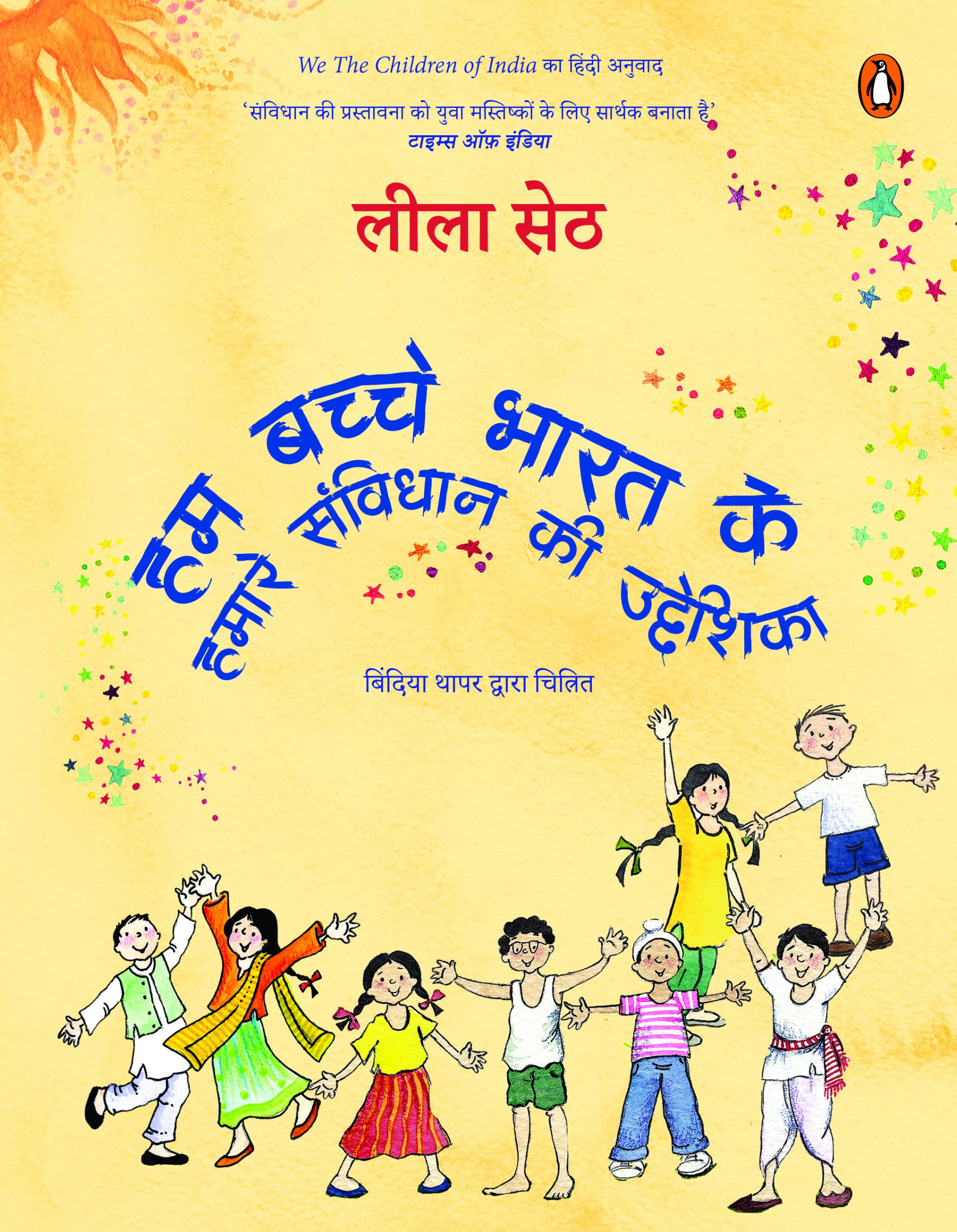
लीला सेठ द्वारा लिखित यह पुस्तक अंग्रेज़ी में वी द चिल्ड्रेन ऑफ इंडिया का हिंदी अनुवाद है। इस पुस्तक में लेखक ने बच्चों के लिए संविधान की प्रस्तावना का बड़े ही सरल और सीधे शब्दों में वर्णन किया है। इस पुस्तक की भाषा और शब्दों का इस्तेमाल बच्चों के समझ में आसानी आ सके इस बात को ध्यान में रखकर किया गया है। यह एक सचित्र पुस्तक है, इस पुस्तक में कई ऐसी रंगीन तस्वीरें हैं जिससे बच्चे संविधान की प्रस्तावना के बारे में आसानी से समझ सकेंगे।
इस पुस्तक में भारत के संविधान सभा में सम्मिलित सभी महापुरुषों के सचित्र वर्णन हैं, जो बच्चों को समझने में काफी मदद करेंगे।




![Made of Rivers [Revised and Expanded]](https://cdn.penguin.co.in/wp-content/uploads/2025/05/9789366116778.jpg)