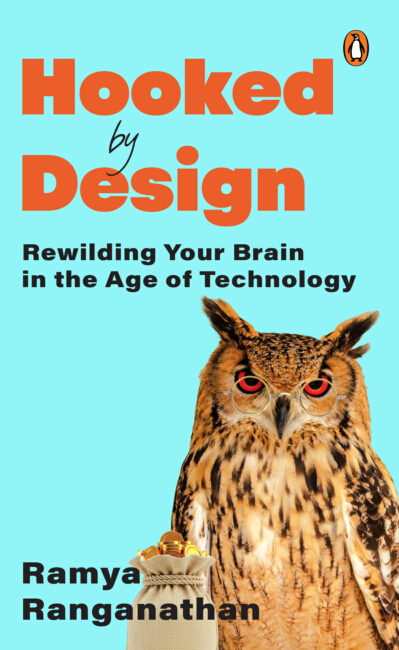
Why do our minds feel so overwhelmed in a world designed to keep us clicking, comparing, striving and wanting more? In Hooked by Design, Ramya Ranganathan reveals how modern hyper-stimulating culture hijacks ancient brain systems built for survival, belonging and reward leaving us distracted, anxious and disconnected from what makes us feel fully alive.
Blending neuroscience, evolutionary psychology, coaching insights and personal experience, Ranganathan introduces a memorable cast of inner characters including Captain Storm, our threat detector, to Dopamma, the restless force of pursuit, and Serona, the voice of steadiness and enoughness. Through examples from coaching clients, classrooms, family life, social media, work culture and her own struggles, the author shows how these circuits shape everyday behaviour: comparing oneself to a colleague’s promotion, overgiving in group chats, working without rest, using humour to avoid difficult conversations, expecting instant responses from loved ones, buying more than needed and mistaking information consumption for learning.
The book’s argument is compassionate rather than shaming: these behaviours are not personal failures but predictable outcomes of ancient circuits placed inside exploitative modern systems, and you can rewild your brain and free yourself once you understand how it is being exploited.

‘Fall in love, laugh out loud and get swept away by four irresistible romantic comedies from #1 New York Times bestselling author Lynn Painter.
MAID FOR EACH OTHER
A millionaire and his house cleaner. A fake relationship. And absolutely no chance of falling in love… right? When Abi agrees to pretend to date wealthy, career-driven Declan, their arrangement quickly becomes much more complicated. Perfect for fans of fake dating, forced proximity, opposites attract, different worlds and rags-to-riches romance.
MR. WRONG NUMBER
One wrong text changes everything. When Olivia discovers that the anonymous man she has been flirting with is someone she knows all too well, sparks fly. With hilarious misunderstandings and undeniable chemistry, this is a must-read for fans of wrong-number romance, brother’s best friend, forced proximity, enemies-to-lovers and one-bed romance.
THE LOVE WAGER
Jack and Hallie make a bet to see who can find love first. The problem? They might already have found it in each other. With dating disasters, tacos and a fake date at a wedding, this romance delivers friends-to-lovers, fake dating, forced proximity, slow burn, witty banter and second chances.
HAPPILY NEVER AFTER
What happens when two people who don’t believe in happily ever after start falling for each other? Sophie and Max work together as professional wedding objectors, breaking up couples before they say “I do” – but their own chemistry may prove impossible to ignore. Expect love cynics, workplace romance, forced proximity, sizzling chemistry and a happily-ever-after you won’t see coming.
Inside this collection:
♥ 4 bestselling Lynn Painter rom-coms
♥ Funny, feel-good contemporary romance
♥ Fake dating and forced proximity
♥ Friends-to-lovers and enemies-to-lovers
♥ Wrong-number romance and brother’s best friend
♥ Opposites attract and different worlds
♥ Witty banter, irresistible chemistry and happy endings

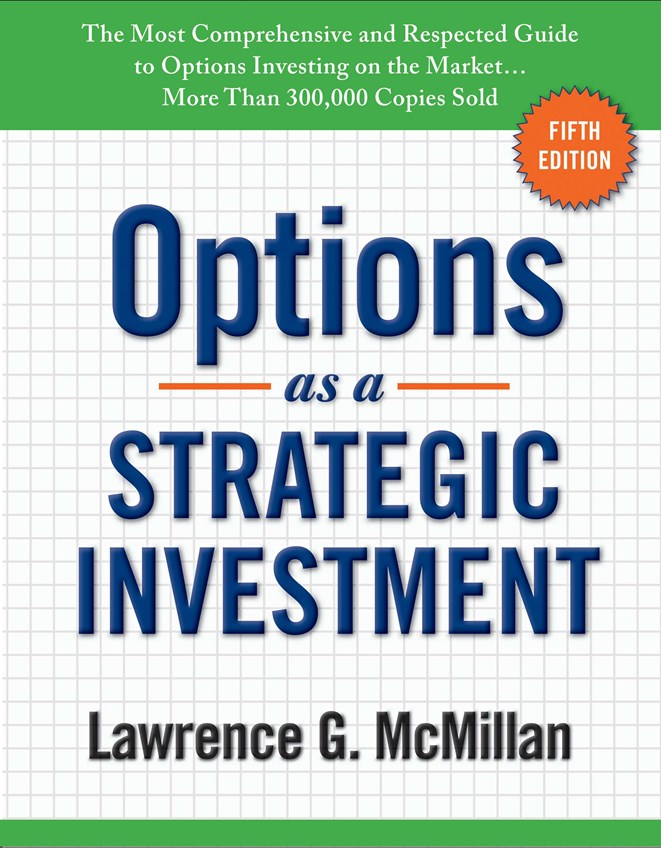
The market in listed options and non-equity option products provides investors and traders with a wealth of new, strategic opportunities for managing their investments. This updated and revised Fifth Edition of the bestselling Options as a Strategic Investment gives you the latest market-tested tools for improving the earnings potential of your portfolio while reducing downside risk—no matter how the market is performing.
Inside this revised edition are scores of proven techniques and business-tested tactics for investing in many of the innovative new options products available. You will find:
• Buy and sell strategies for Long Term Equity Anticipation Securities (LEAPS)
• A thorough analysis of neutral trading, how it works, and various ways it can improve readers’ overall profit picture •Detailed guidance for investing in Preferred Equity Redemption Cumulative Stocks (PERCS) and how to hedge them with common and regular options
• An extensive overview of futures and futures options
Written especially for investors who have some familiarity with the option market, this comprehensive reference also shows you the concepts and applications of various option strategies — how they work, in which situations, and why; techniques for using index options and futures to protect one’s portfolio and improve one’s return; and the implications of the tax laws for option writers, including allowable long-term gains and losses. Detailed examples, exhibits, and checklists show you the power of each strategy under carefully described market conditions.

The ultimate guide to a critical tool for mastering the financial markets
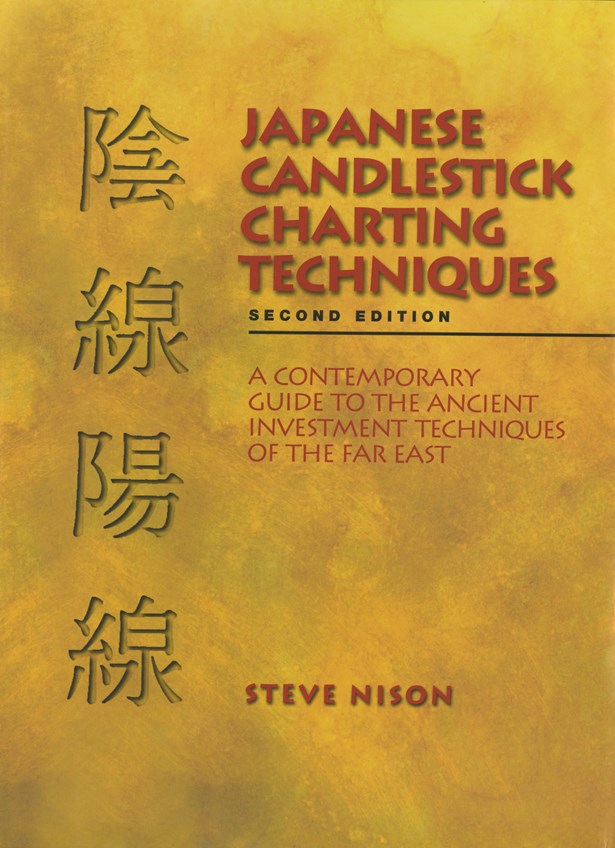
A longstanding form of technical analysis, Japanese candlestick charts are a dynamic and increasingly popular technical tool for traders of all skill levels. Known for its versatility, this ancient charting can be fused with every other technical tool available, including traditional Western technical analysis.
Japanese Candlestick Charting Techniques is the most comprehensive and trusted guide to this essential technique. Informed by years of research from a pioneer trader, this book covers everything you need to know, including hundreds of examples that show how candlestick techniques can be used in all of today’s markets.
This totally updated revision focuses on the needs of today’s traders and investors with:
• All new charts including more intra-day markets
• New candlestick charting techniques
• More focus on active trading for swing, online and day traders
• New Western techniques in combination with candles
• A greater spotlight on capital preservation.
From speculation and hedging to futures and equities, candlestick charting is the next level up for both amateur day traders and seasoned technicians, and this book provides expert guidance for putting it into action.

NATIONAL BESTSELLER • This gripping and triumphant memoir from the author of The Mountain follows a living legend of extreme mountaineering as he makes his assault on history, one 8,000-meter summit at a time.
“From the drama of the peaks, to the struggle of making a living as a professional climber, to the basic how-tos of life at 26,000 feet, No Shortcuts to the Top is fascinating reading.”—Aron Ralston, author of Between a Rock and a Hard Place and subject of the film 127 Hours For eighteen years
Ed Viesturs pursued climbing’s holy grail: to stand atop the world’s fourteen 8,000-meter peaks, without the aid of bottled oxygen. But No Shortcuts to the Top is as much about the man who would become the first American to achieve that goal as it is about his stunning quest. As Viesturs recounts the stories of his most harrowing climbs, he reveals a man torn between the flat, safe world he and his loved ones share and the majestic and deadly places where only he can go.
A preternaturally cautious climber who once turned back 300 feet from the top of Everest but who would not shrink from a peak (Annapurna) known to claim the life of one climber for every two who reached its summit, Viesturs lives by an unyielding motto, “Reaching the summit is optional. Getting down is mandatory.” It is with this philosophy that he vividly describes fatal errors in judgment made by his fellow climbers as well as a few of his own close calls and gallant rescues. And, for the first time, he details his own pivotal and heroic role in the 1996 Everest disaster made famous in Jon Krakauer’s Into Thin Air.
In addition to the raw excitement of Viesturs’s odyssey, No Shortcuts to the Top is leavened with many funny moments revealing the camaraderie between climbers. It is more than the first full account of one of the staggering accomplishments of our time; it is a portrait of a brave and devoted family man and his beliefs that shaped this most perilous and magnificent pursuit.

A thrilling chronicle of the tragedy-ridden history of climbing K2, the world’s most difficult and unpredictable mountain, by the bestselling authors of No Shortcuts to the Top
At 28,251 feet, the world’s second-tallest mountain, K2 thrusts skyward out of the Karakoram Range of northern Pakistan. Climbers regard it as the ultimate achievement in mountaineering, with good reason. Four times as deadly as Everest, K2 has claimed the lives of seventy-seven climbers since 1954. In August 2008 eleven climbers died in a single thirty-six-hour period on K2–the worst single-event tragedy in the mountain’s history and the second-worst in the long chronicle of mountaineering in the Himalaya and Karakoram ranges. Yet summiting K2 remains a cherished goal for climbers from all over the globe. Before he faced the challenge of K2 himself, Ed Viesturs, one of the world’s premier high-altitude mountaineers, thought of it as “the holy grail of mountaineering.”
In K2: Life and Death on the World’s Most Dangerous Mountain, Viesturs explores the remarkable history of the mountain and of those who have attempted to conquer it. At the same time he probes K2’s most memorable sagas in an attempt to illustrate the lessons learned by confronting the fundamental questions raised by mountaineering–questions of risk, ambition, loyalty to one’s teammates, self-sacrifice, and the price of glory. Viesturs knows the mountain firsthand. He and renowned alpinist Scott Fischer climbed it in 1992 and were nearly killed in an avalanche that sent them sliding to almost certain death. Fortunately, Ed managed to get into a self-arrest position with his ice ax and stop both his fall and Scott’ s.
Focusing on seven of the mountain’s most dramatic campaigns, from his own troubled ascent to the 2008 tragedy, Viesturs and Roberts crafts an edge-of-your-seat narrative that climbers and armchair travelers alike will find unforgettably compelling.

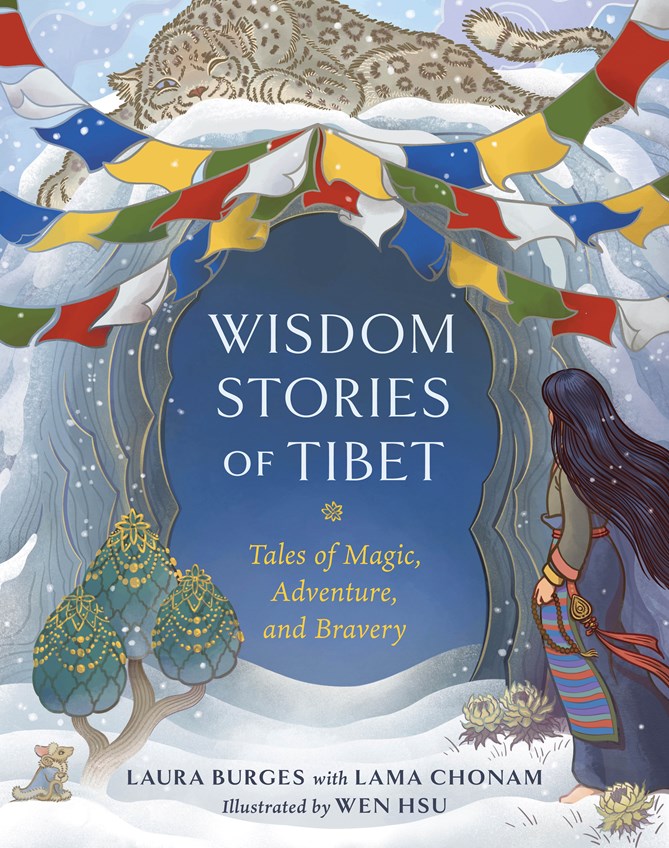
The magic, mystery, and wisdom of Tibet come alive in this stunningly illustrated collection of 14 folktales with timeless life lessons for kids (ages 6+)
From the magical mountains and valleys of Tibet, these Buddhist-themed folktales for kids offer a captivating view into the lore and wisdom of Tibetan culture and tradition.
Buddhism and its profound effect on Tibet’s people and culture is reflected in these stories, each of which is imbued with life lessons for all ages. Threaded through these tales are the teachings of the Buddha and the special quality and relationship that Tibetans have with the mountains, trees, rocks, rivers, and sky.
The collection features tales of renowned Tibetan Buddhist figures, such as:
– Songsten Gampo, the king known as the reincarnation of the Buddha of Compassion, whose story show how even a small creature like a mouse can have a big impact on the world
– Yeshe Tsogyal, the Mother of Tibet whose teachings have guided generations on the path of love and insight
– Gesar of Ling, the 12th-century super-human warrior king of Tibet, who remains a shining inspiration for overcoming life’s obstacles
– Guru Rinpoche, also known as Padmasambhava, the great teacher who brought the teachings of Buddhism to Tibet
The stunningly detailed and vibrant illustrations by Wen Hsu bring these stories magically to life—making them as vivid and evocative to us today as they have been for generations of Tibetans. Recounted with humor and cleverness, the stories feature animals and archers, spirits and deities, bodhisattvas and dakinis, lamas and rulers, and heroes and heroines—and highlight the mystical power of the natural world.

Gather around Druk the Dragon as he introduces kids (ages to 5–9) to Tara, a goddess of compassion in both Hindu and Buddhist traditions, and reveals the colorful forms she takes to ease suffering and help all beings, large and small!
The great goddess Tara manifests in a variety forms and colors to help alleviate the suffering of those who think of her. A deity of compassion in both Hindu and Buddhist traditions, she creates a safe place to learn, increase patience, protect friends and family, end natural disasters, help crops grow, and more. She is always ready to spring into action for the benefit of the world. This book introduces how she came to be and explains the different forms she takes.
Druk the Dragon is our lovable narrator who makes the introduction to his friend Tara friendly and accessible. He explains the rainbow of her talents that kids can picture when they need her help manifesting special qualities:
– White for calm and peacefulness
– Yellow for positive richness like patience, confidence, and love
– Red for health and happiness
– Blue to clear difficult emotions
– Green for protection and compassionate action
The book includes a heartfelt author’s note that explains how we can all be like Tara by emanating her vow to reduce suffering in the world. It concludes with a short, guided meditation that kids can practice with a mantra to summon the compassion of Tara.

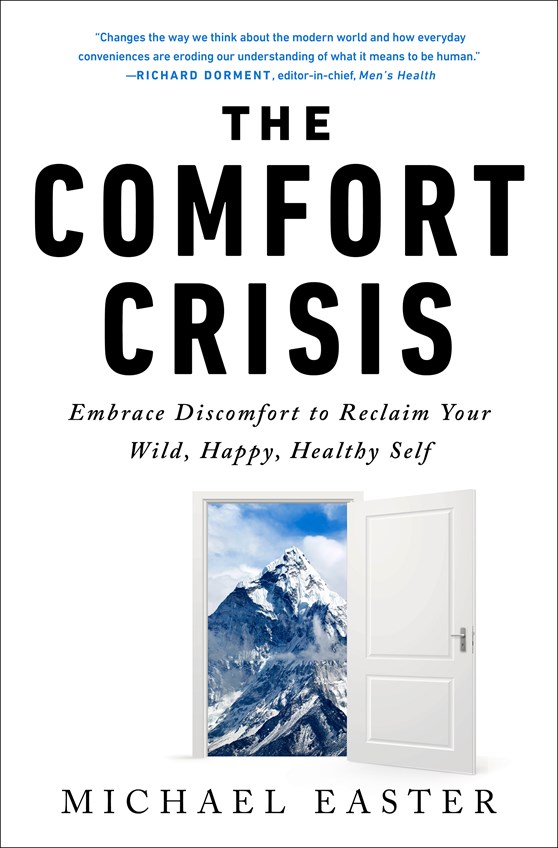
Discover the evolutionary mind and body benefits of living at the edges of your comfort zone and reconnecting with the wild—from the New York Times bestselling author of Scarcity Brain.
“If you’ve been looking for something different to level up your health, fitness, and personal growth, this is it.”—Melissa Urban, Whole30 CEO and author of The Book of Boundaries
“Michael Easter’s genius is that he puts data around the edges of what we intuitively believe. His work has inspired many to change their lives for the better.”—Dr. Peter Attia, author of Outlive
In many ways, we’re more comfortable than ever before. But could our sheltered, temperature-controlled, overfed, underchallenged lives actually be the leading cause of many our most urgent physical and mental health issues? In this gripping investigation, award-winning journalist Michael Easter seeks out off-the-grid visionaries, disruptive genius researchers, and mind-body conditioning trailblazers who are unlocking the life-enhancing secrets of a counterintuitive solution: discomfort.
Easter’s journey to understand our evolutionary need to be challenged takes him to meet the NBA’s top exercise scientist, who uses an ancient Japanese practice to build championship athletes; to the mystical country of Bhutan, where an Oxford economist and Buddhist leader are showing the world what death can teach us about happiness; to the outdoor lab of a young neuroscientist who’s found that nature tests our physical and mental endurance in ways that expand creativity while taming burnout and anxiety; to the remote Alaskan backcountry on a demanding thirty-three-day hunting expedition to experience the rewilding secrets of one of the last rugged places on Earth; and more.
Along the way, Easter uncovers a blueprint for leveraging the power of discomfort that will dramatically improve our health and happiness, and perhaps even help us understand what it means to be human.

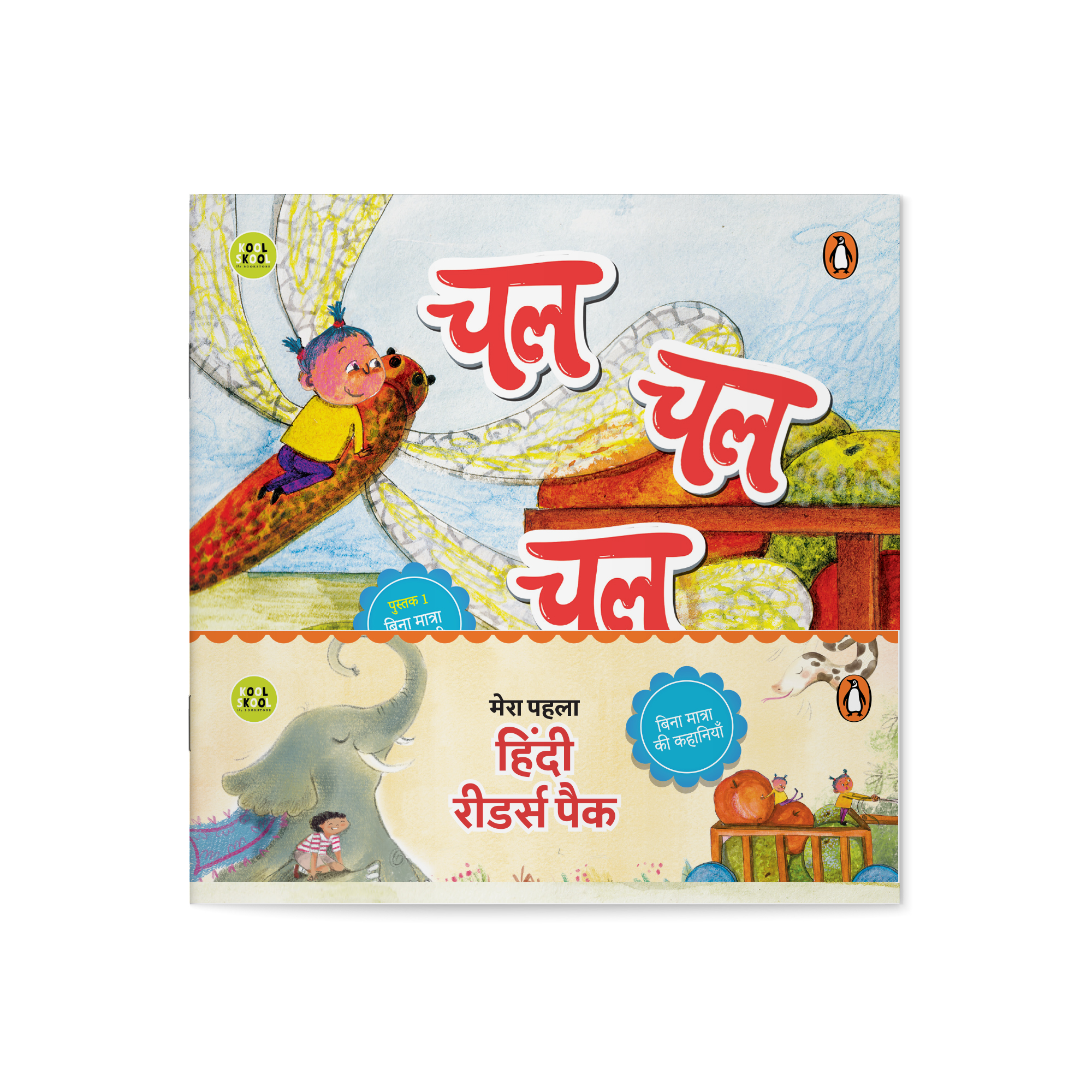
सरल भाषा और सुंदर, रंगीन चित्रों से सजी ये किताबें छोटे बच्चों के लिए पढ़ाई को आसान और मज़ेदार बनाती हैं। इनमें बिना मात्रा वाले दो, तीन और चार अक्षरों के शब्दों के साथ रोचक कहानियाँ दी गई हैं, जो बच्चों को सहज रूप से पढ़ना सिखाती हैं। ये किताबें बच्चों में आत्मविश्वास बढ़ाती हैं और हिंदी पढ़ने की अच्छी आदत विकसित करती हैं।