Emma finally has a fresh start—a new boyfriend, a place of her own, and a little distance from her overprotective sister. Sure, she’s struggling to find a job, and her apartment isn’t in the best part of town, but it’s hers. And for the first time in a while, she’s happy.
Until she uncovers a devastating lie.
Her perfect boyfriend? He’s already married.
Emma knows she should walk away, but something keeps pulling her back. There’s more to his secrets than just a hidden wife. He is not who he claims to be.
And when Emma finally learns the truth about his wife, everything takes a terrifying turn.
They are not a normal couple.
- A Gripping Psychological Thriller
- A Deceptive Love Story
- A Mystery That Unfolds with Shocking Twists
- A Final Twist You Won’t See Coming
- Perfect for Fans of Freida McFadden & Kiersten Modglin

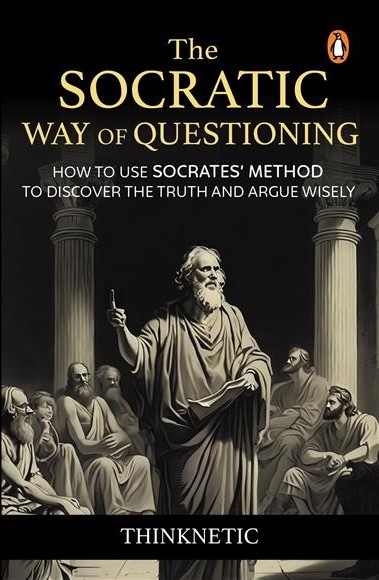
Master the Art of Questioning and Transform the Way You Think and Communicate
Imagine stepping into a debate, a meeting, or even a casual conversation—feeling completely confident, prepared not just to speak, but to make a real impact. Too often, we struggle to express our thoughts clearly, leaving us feeling unheard or misunderstood. But what if there was a way to break through these barriers and master the art of communication?
The Socratic Way of Questioning unveils the secrets of Socrates’ timeless method, showing you how to:
- Engage in insightful, thought-provoking dialogue
- Challenge assumptions and uncover hidden truths
- Navigate complex arguments with clarity and confidence
- Strengthen your critical thinking and persuasion skills
- Foster deeper connections through effective communication
By applying the Socratic method, you’ll not only become a better communicator but also a more insightful thinker and impactful leader. Whether you’re looking to enhance your debating skills, sharpen your reasoning, or influence discussions, this book provides the tools to elevate your conversations and reveal the truth with precision.
Unlock the power of Socratic questioning and transform the way you engage with the world—starting today!

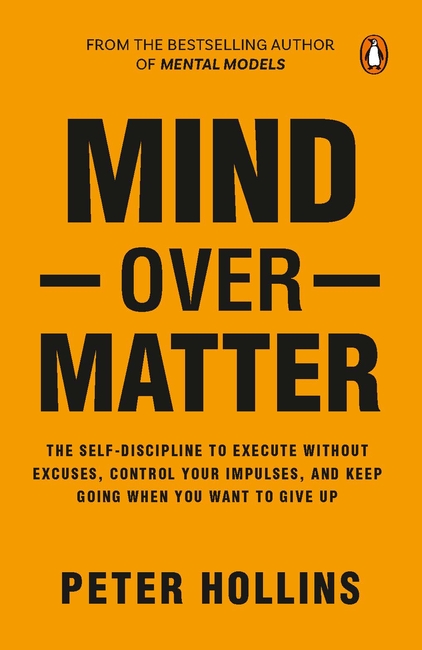
Mind Over Matter: A Practical Guide to Overcoming Mental Barriers and Taking Action
Your approach to life is a powerful mix of action and mindset. If anxiety and fear dominate your thoughts, they will shape your decisions and, ultimately, your outcomes. But what if you could train your mind to believe in the best possible results—while still considering risks?
Mind Over Matter isn’t just another book on self-discipline—it’s a toolbox designed to keep you moving toward your goals. With no fluff or vague theories, this book provides direct, actionable techniques to ensure your actions align with your intentions.
Inside, you’ll discover:
- The emotional, psychological, and biological obstacles holding you back
- The 5-step cycle of laziness—and how to break free from it
- A series of tough questions that force self-awareness and action
- A powerful formula for maximizing willpower and staying motivated
- A bonus chapter from bestselling author Stephen Guise on using mini habits to rewire your mindset
Stop falling into self-defeating patterns. Take control of your thoughts, take action, and start creating the life you want—one intentional step at a time.

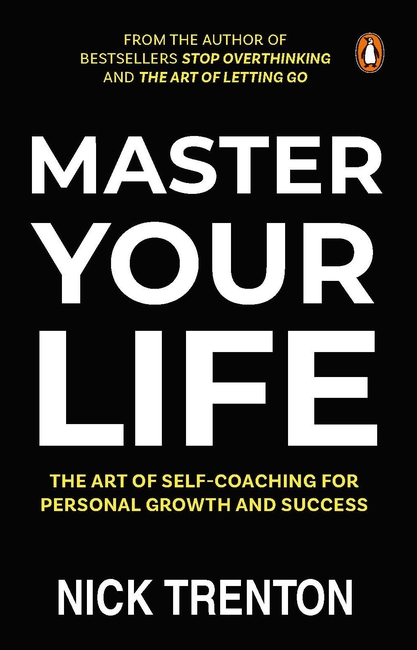
Master Your Life: The Art of Self-Coaching for Personal Growth and Success
Are you ready to take control of your life and become the best version of yourself? Master Your Life is your ultimate guide to self-coaching—turning knowledge into action and personal growth. Instead of relying on others for guidance, this book teaches you how to navigate challenges, find clarity, and unlock your full potential on your own terms.
Discover how to cultivate self-awareness, set meaningful goals, and create a roadmap for success—all without outsourcing your emotional and tactical needs. With practical strategies and actionable insights, you’ll learn to break through self-doubt, harness motivation, and develop a mindset for continuous growth.
Inside this book, you’ll learn:
- How to identify your core values and never feel dissatisfied again
- Scientific frameworks for lasting behavior change and personal growth
- Techniques to observe yourself, overcome blind spots, and take action
- How to disarm the ego and unleash your full potential
- Powerful self-awareness questions to get unstuck and gain clarity
Whether you’re looking to improve your mindset, build confidence, or navigate life with purpose, Master Your Life will give you the tools to coach yourself toward success. Take charge today!

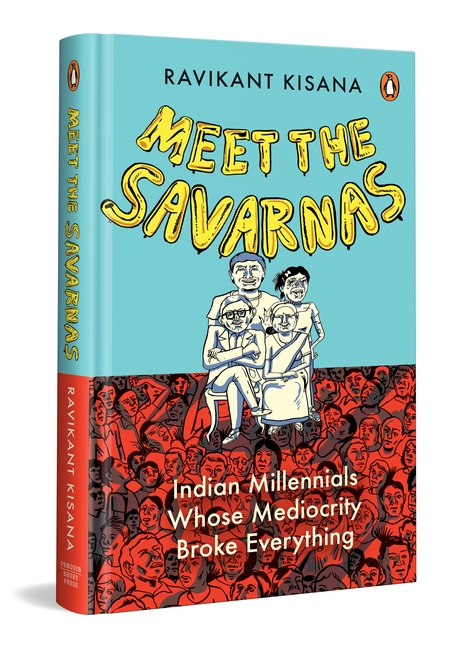
In the early 2000s, India was expected to ‘shine’ and emerge as a rising superpower. It was the post-1990s golden generation— professionals fresh out of B-schools and engineering programmes —who were supposed to take us there. The Great Indian Dream was ready to lift-off. Except we never left the ground.
No one could really explain what went wrong. Some blamed politicians, some corruption, some capitalism and some communal polarization. Most people missed the giant elephant in the room—caste.
Caste in India is mostly researched and reported from the experience of the oppressed. Caste as a privilege is not understood well. How do caste elites respond to modernity? How do they understand culture, intimacy, love and tradition? Were their ideas, institutions and imaginations ever even capable of delivering upon the Great Indian Dream?
In Meet the Savarnas, Ravikant Kisana goes where few authors have dared: to document the lives, the concerns and crises of India’s urban elites, to frame the savarnas as a distinct social cohort, one that operates within itself and yet is oblivious of its own social rules, privileges and systems.

Ever since his father went away to work, all Vincent’s mother can say to any of his plans is: ‘Vincent Can’t Go’. But with his best friend’s birthday party coming up, Vincent has to go. How will he manage that?
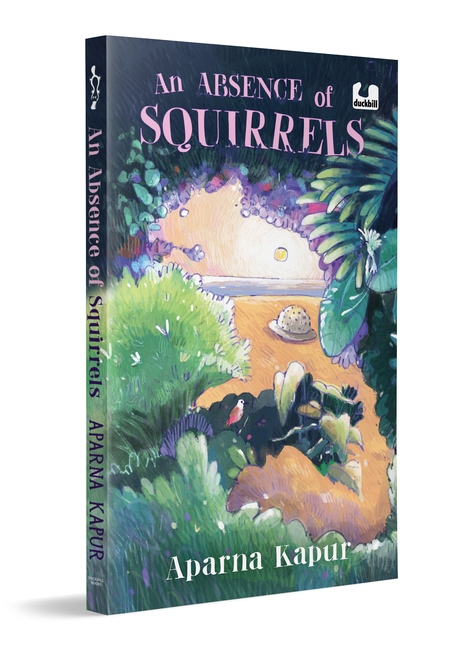
Welcome to Thutta. We have a train, an ocean and 5,120 people.
One of these people is Katli, although she pretends to be seven people — making up new versions of herself is her way of dealing with being a thirteen-year-old on an island where nothing much happens.
Until one morning, when she follows a cat off a train and sets off a sequence of events involving absent animals, mysterious meetings and sneaky schemes. As the secrets grow into something much bigger than Katli could have imagined, she knows one thing for sure: life on the island will never be boring again.
Oh, and whatever you do, don’t say SQUI—

The past crashes into Kareena’s present as her first love resurfaces after eighteen years, awakening desires she thought were long buried. As she struggles between two worlds, two men, and two versions of herself, her inner turmoil deepens when a stranger enters her life, further blurring the lines between loyalty and longing.
Meanwhile, Mouni, a teenager, witnesses two contrasting expressions of love—one driven by persistent pursuit, the other by selfless, serendipitous surrender.
Will the intense implications of love weigh upon the fragile heart of a woman and a girl on the cusp of understanding love? The First Connect explores love’s unpredictability, unravelling the complexities of lost love, being lost in love, and love lost in translation. Through delicate moments of magic and fleeting waves of whisper, it asks: does love thrive through conscious effort, or does it find its way through fate alone? And most importantly, what makes a First Connect truly flourish and feel real?

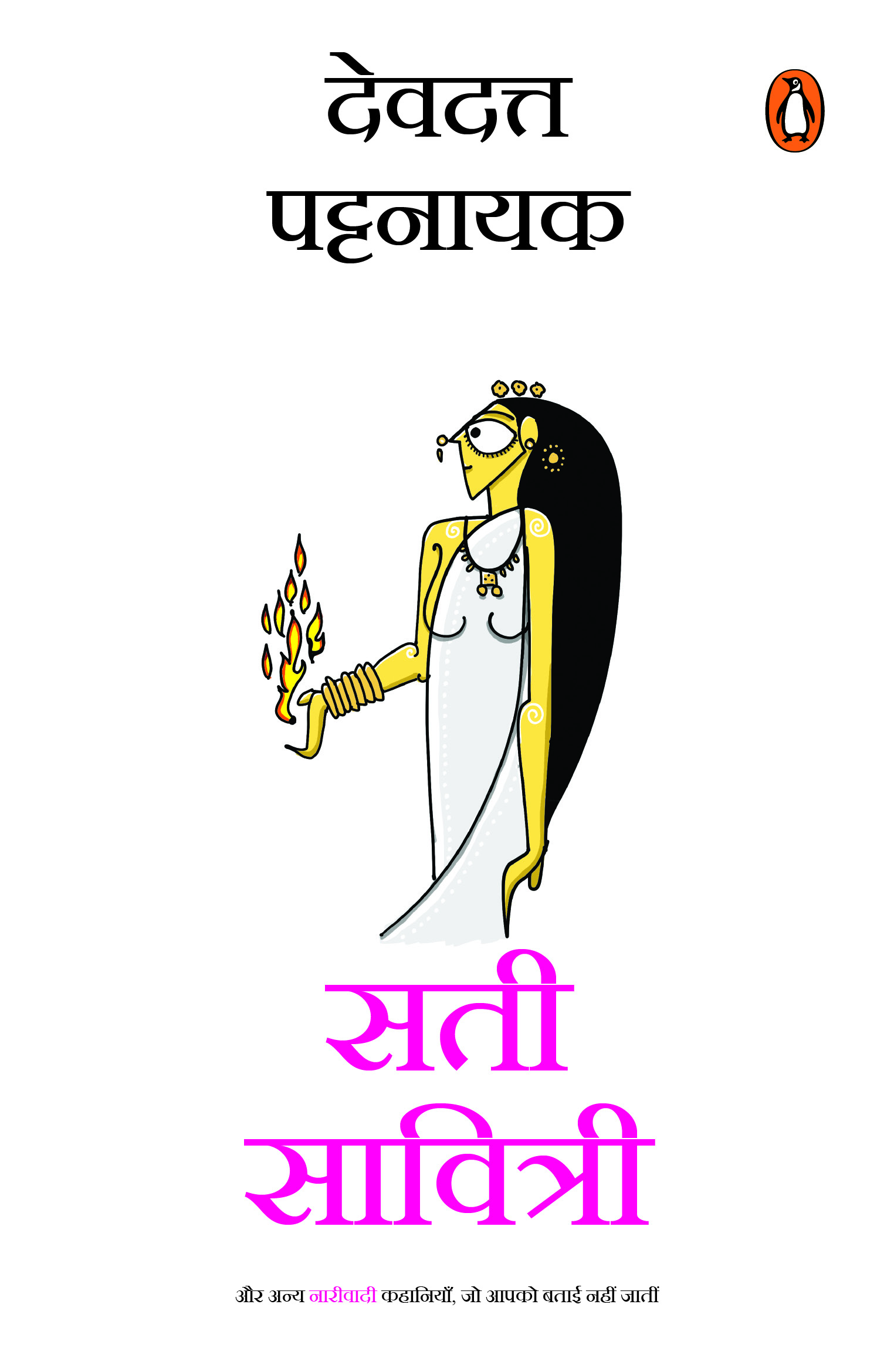
हिंदू, बौद्ध और जैन साहित्य ऐसी कहानियों से भरा पड़ा है, जहाँ महिलाएँ पुरुषों को अपना धर्म परिभाषित नहीं करने देती हैं। आधुनिक समय में हम इसे नारीवाद कहते हैं। वेदों में, एक महिला की पसंद को स्वीकार करना एक बुद्धिमान और सुरक्षित मन की अभिव्यक्ति है। जबकि पश्चिमी मिथक में, पितृसत्ता पारंपरिक है और नारीवाद प्रगतिशील है। भारतीय मिथक में पितृसत्ता और नारीवाद दोनों हमेशा पुनर्जन्म के अंतहीन चक्रों के माध्यम से शाश्वत तनाव में सह-अस्तित्व में रहे हैं। इस प्रकार मुक्ति एक विदेशी विचार नहीं है। यह हमेशा यहाँ रहा है। आपने पितृसत्ता की कहानियाँ सुनी हैं। यह पुस्तक आपको अन्य कहानियाँ सुनाती है – वे कहानियाँ जो आपको सुनाई नहीं गईं।

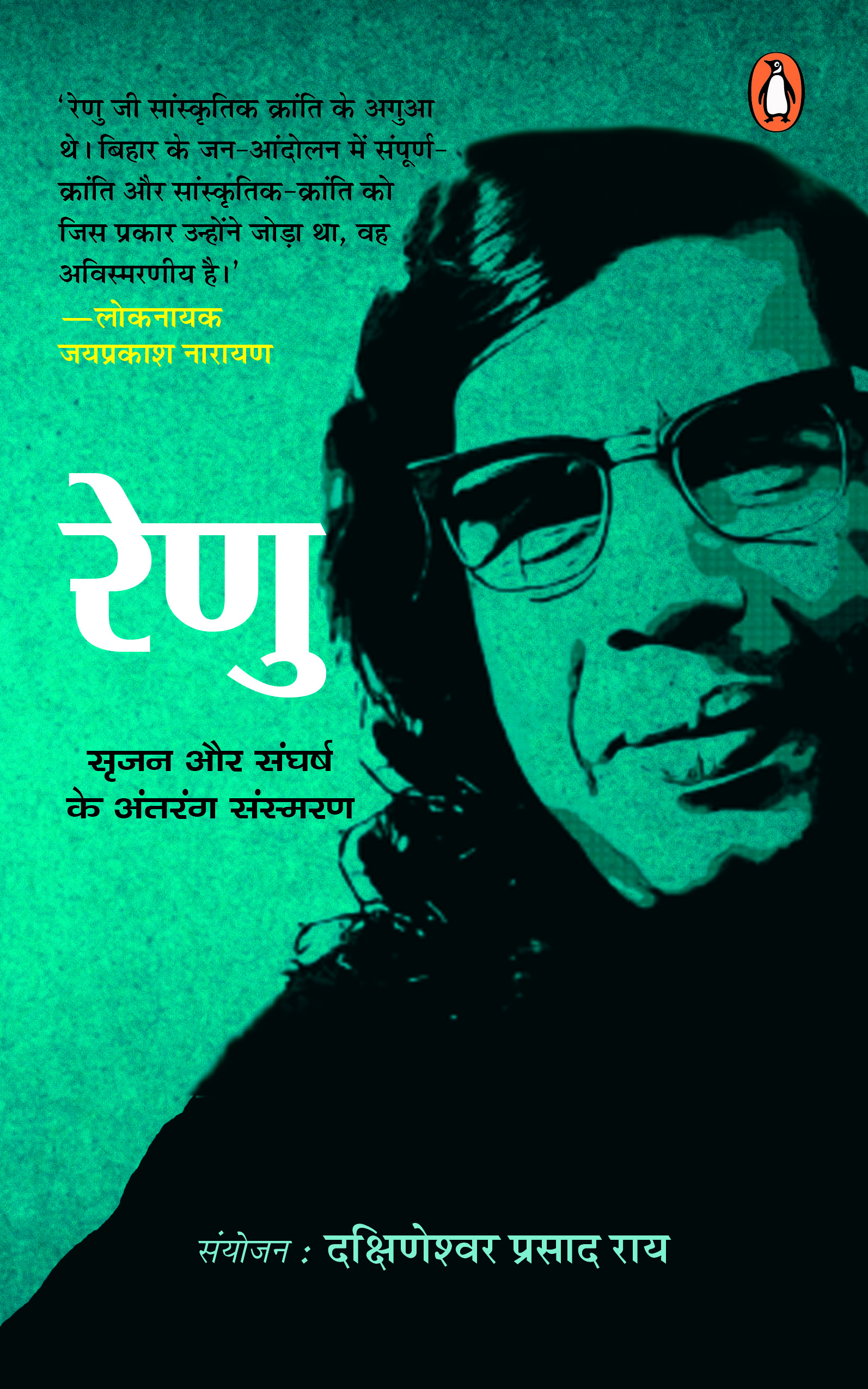
हिंदी जगत के युगांतकारी लेखक फणीश्वरनाथ रेणु का जीवन अपने-आप में एक उपन्यास है। सृजन और संघर्ष उसका कथानक है। चरित-नायक वह स्वयं हैं। यह पुस्तक रेणु से संबद्ध अंतरंग संस्मरणों का प्रमाणिक दस्तावेज़ है। पुस्तक में लेखकों/आलोचकों, राजनीतिज्ञों, प्रसिद्ध फिल्मकारों के साथ स्वयं रेणु का लिखा एक संस्मरण भी सहेजा गया है, जिसमें वे अपने बचपन के बारे में बता रहे हैं। उनकी पत्नी लतिका रेणु ने भी उन्हें याद करते हुए श्रद्धांजलि संस्मरण लिखा है।