




Success isn’t just about hard work, intelligence, or communication skills—it’s about continuously improving yourself and effectively leading and managing others. Catalyst is a robustly effective book tat identifies the various catalysts that you can cultivate and how you can leverage them to propel yourself in your work and life. Get Better at Getting Better is based on the insight that success is not about how good you are but how powerful a model you have to improve how good you are.
Transform focuses on people management, which the author demonstrates is a very important pillar of success. That is because leadership and managing are the means, while the end impact is what they do to people.
Together, these powerful, life-changing books offer a comprehensive guide to not only improving yourself but also empowering others to succeed alongside you.
Archives: Books
The Storypreneur’s Playbook
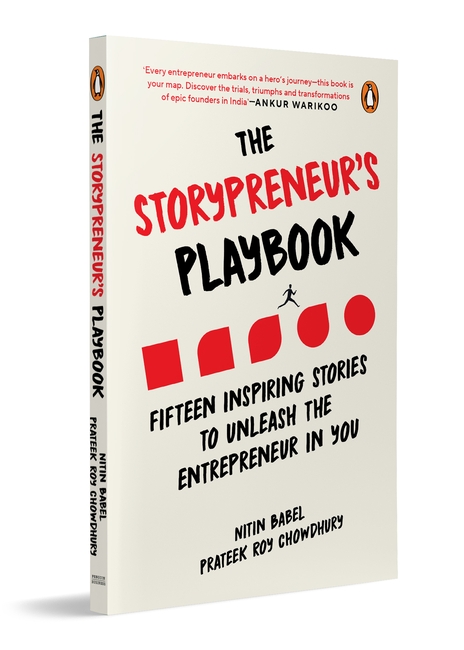
Every entrepreneur embarks on a hero’s journey—this book is your map. Discover the trials, triumphs, and transformations of India’s epic founders – Ankur Warikoo
The Storypreneur’s Playbook distils wisdom from fifteen path-breaking entrepreneurs who have created successful businesses in domains such as technology, travel, media, entertainment and social impact.
Through compelling storytelling, this book delves into the psychology of entrepreneurship and how every entrepreneur is a ‘hero’ in the making. Each chapter explores a stage of the heroic journey and the emotions that define it, from fear and resilience to hope and triumph.
Packed with relatable anecdotes and practical exercises, this book will empower you with the tools needed to take the entrepreneurial leap of faith, that is, if you choose to be the protagonist of your story.
Whether you are an aspiring or struggling entrepreneur, or simply curious about the stories of Indian entrepreneurs, this book is for you!
Jungle Laboratory/जंगल लेबोरेटरी
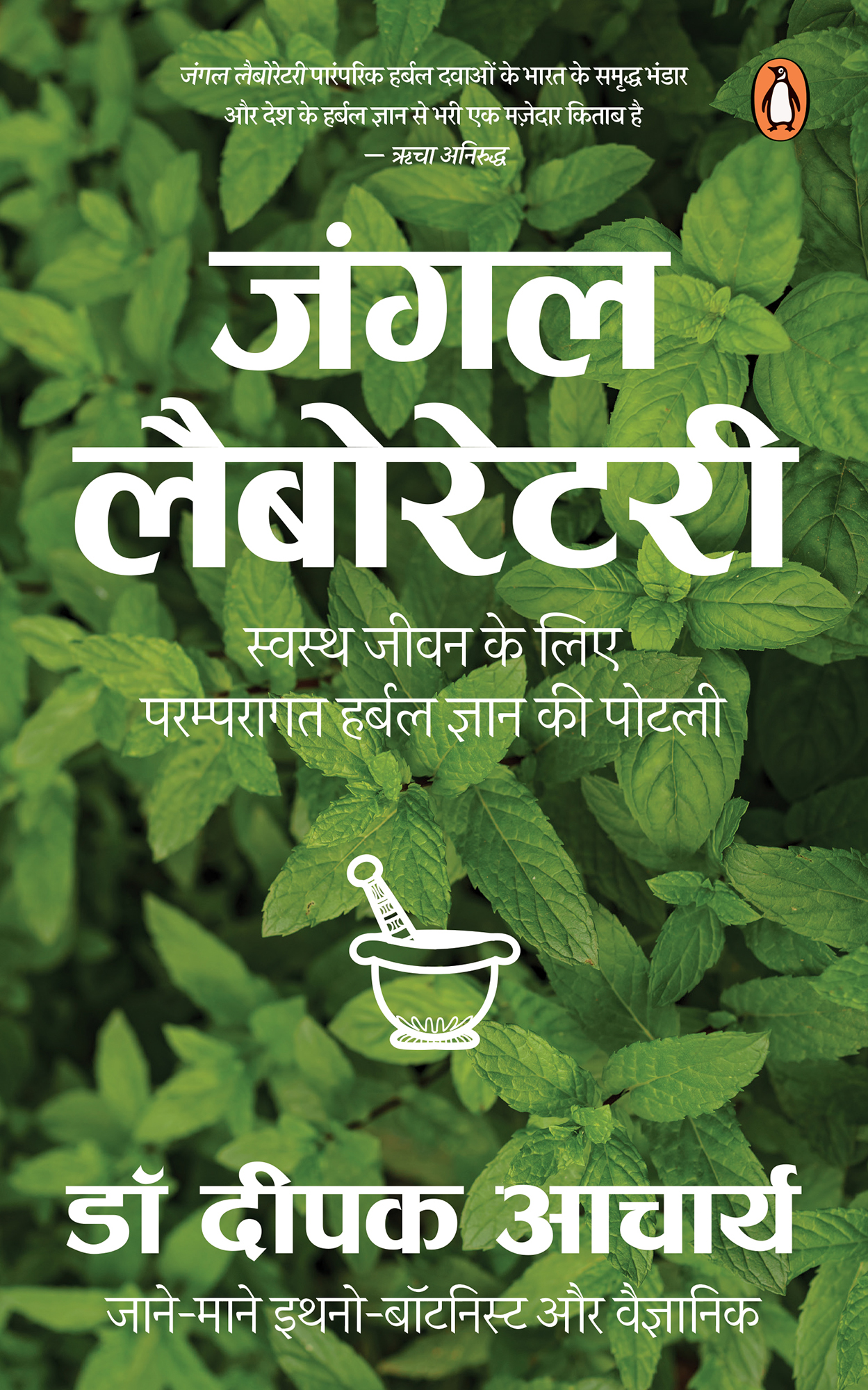
पिछले दो दशकों में माइक्रोबायोलॉजी और इथनोबॉटनी जैसे विषयों का गहनता से अध्ययन और बतौर वैज्ञानिक कार्य करते हुए लेखक ने आदिवासियों के हर्बल ज्ञान को बेहद करीब से जाँचा-परखा है और इस ज्ञान की पैठ दुनियाभर के सामने लाने के लिए डटे हुए हैं। उम्मीद है कि जंगल लेबोरेटरी स्वास्थ्य और बेहतर जीवन से जुड़े जानकारों और इस विषय में रुचि रखने वाले तमाम पाठकों के लिए एक मील का पत्थर साबित होगी।
The Making of Modern Corporate Finance: A History of Ideas and How They Help Build the Wealth of Nations
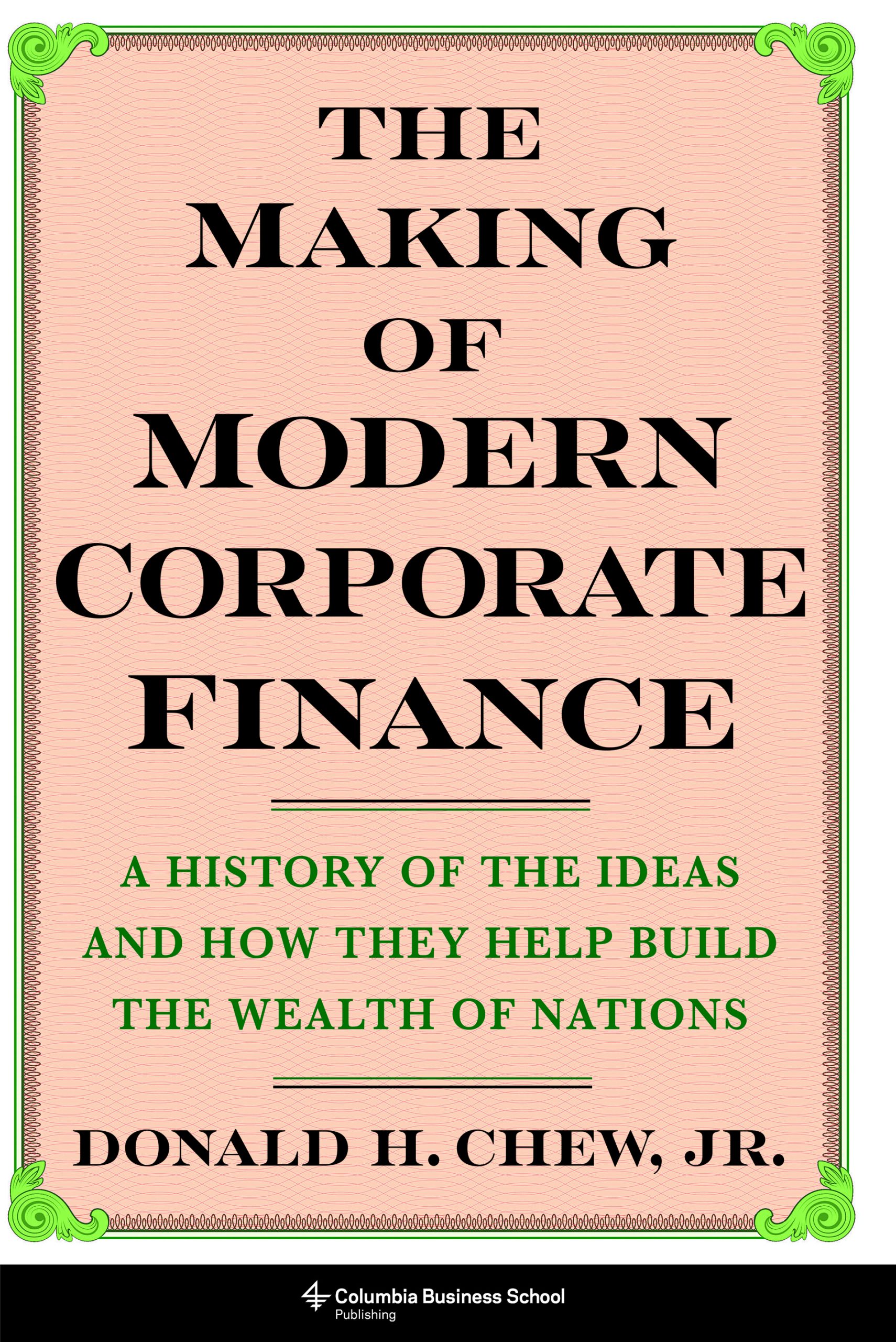
Why did the “stagflation” of the 1970s—the improbable combination of high unemployment and runaway inflation—prove so painful and protracted? What explains the U.S. stock market’s remarkable forty-year run of 12 percent average annual returns since then? Why is Japan still mired in a decades-long recession—and the Chinese economy in a tailspin? And what accounts for the resilience of U.S. stock and labor markets in the wake of the COVID-19 pandemic and in the face of the Fed’s record interest rate hikes? Donald H. Chew, Jr., argues that answers to these questions lie in the principles and methods of “modern corporate finance.” Ideas formulated and tested by finance scholars—notably, an efficient stock market in which prices reflect the long-run values of public companies and a “market for corporate control” that exerts continuous pressure on management—informed and spurred the investor-driven capitalism that has created the world’s most productive and valuable companies. Drawing on his career-long relationships with leading academics and practitioners, Chew profiles key figures in the development of modern corporate finance while emphasizing their counterintuitive lessons for shareholders, companies, and countries. Corporate efficiency and value creation, he contends, are the fundamental source of the social wealth essential to addressing challenges such as poverty and climate change. Lively and provocative, this book makes corporate finance approachable—and even admirable—for readers interested in how the success and failure of companies affect their lives.
Timeless Skills
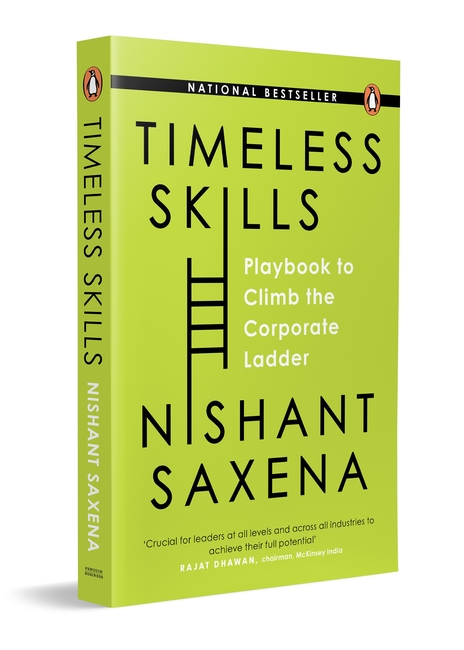
What holds most people back? Why only some succeed but most remain stuck in their careers?
This book tries to answer many such questions. It analyses why some individuals blossom and develop, whereas some are just not being able to change. A collection of wisdom extracted from multiple sources, yet with a personal connection, Timeless Skills is the ultimate guide to achieving stupendous professional success. With over two decades of management life, like all leaders, the author has personally mentored multiple careers and identified the traits that super successful people exhibit. An agglomeration of proven success drivers, this work provides a framework for true effectiveness: A path to career and life enrichment. We have nothing to lose but our blind spots. The true seeker shall not be disappointed.
R.D. Karve
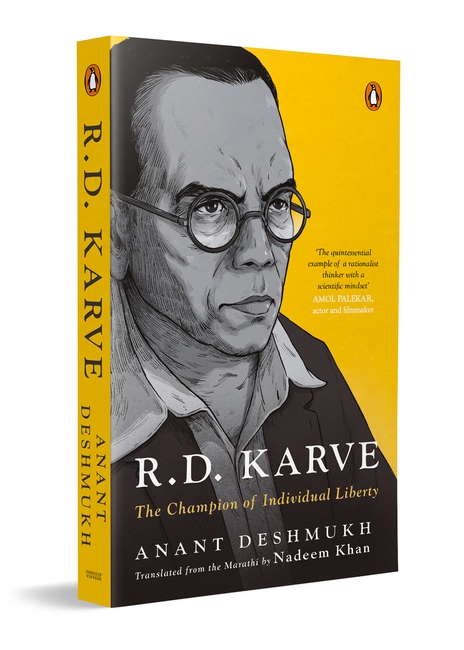
Raghunath Dhondo Karve was among the stormy and controversial figures of his time in Maharashtra. Born to Dhondo Keshav Karve, a social reformer who advocated for women’s rights and widow remarriage, RD Karve studied the subjects of birth control and the science of lovemaking. In 1927, Raghunath started the Samaaj Sawaasthya (Health of the Society) magazine in Marathi. The thoughts he propagated through this magazine were too radical for the society of his time and the orthodoxy who often raised obstacles and filed several cases against him. Originally written in Marathi by Dr Anant Deshmukh, and translated by Nadeem Khan, RD Karve: The Champion of Individual Liberty is a meticulously researched biography of a reformer and a social criticism of the times.
Commanded by Destiny
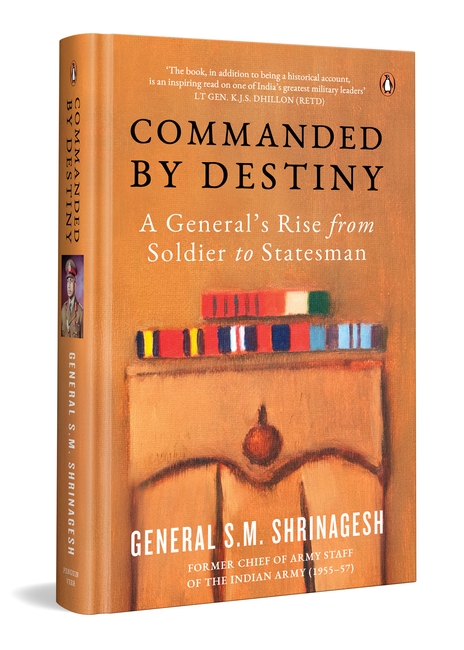
‘. . . for only men with courage and a sense of patriotism join the Armed Forces’.
That is what General Satyawant Mallanah Shrinagesh wrote to his son Satish as he contemplated a career in the army.
As one of the earliest chiefs of the army staff of newly independent India, he truly believed that no services or association in India provides a greater measure of unity or a finer example of nationalism than the armed forces. Witnessing the transition of the Indian Army from a colonial to a national one, he was steadfast in his belief that a free India needed a strong army to defend it.
He was instrumental in modernizing the Indian Army as we know it today, and broke the myth that Indians were incapable of strong military leadership. As Corps Commander of Jammu & Kashmir during the 1947-48 War with Pakistan, he was the first to introduce tanks at Zoji La to overcome well-entrenched Pakistani defences at such heights. From missions abroad and senior appointments in the Army to becoming Chief of Army Staff, and later, the first ever military officer to be appointed as governor of a state, Assam, Andhra Pradesh and Mysore (now Karnataka), this recounts in vivid detail the life of a man who led a distinguished career of service to the nation.
Based on notes left by the late General and preserved by the family, is an exhaustive and inspirational account of an extraordinary soldier who would become one of India’s greatest generals.
Plated by Parth

Unlock the magic of baking with Plated By Parth, a delightful collection of recipes that will elevate your baking skills, whether you’re a novice or a seasoned pro. From decadent desserts to everyday treats, this cookbook is your ultimate guide to mastering the art of creating delicious baked goods at home.
Inside, you’ll discover:
- Step-by-step recipes for cakes, cookies, breads, pastries, pies and more, with easy-to-follow instructions and helpful tips.
- Secrets of the trade, from measuring the ingredients to mastering baking techniques that ensure perfect results every time.
- Creative twists on classic favourites, bringing fresh flavours and innovative ideas to your kitchen.
- Baking basics and troubleshooting tips to help you overcome common mistakes and boost your confidence.
With a focus on quality ingredients, simple methods, and a pinch of creativity, this book will inspire you to fill your home with the irresistible smells of fresh-baked goods. Whether you’re preparing for a special occasion or just enjoying a cozy day at home, Plated by Parth will make every moment sweeter.
H.I.T. Investing
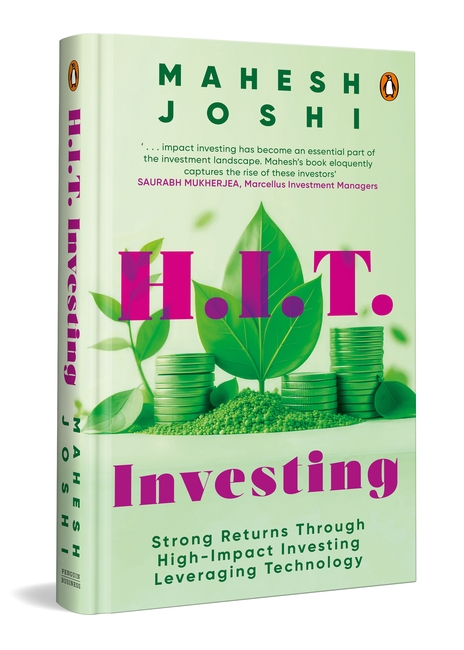
‘ . . . impact investing has become an essential part of the investment landscape. Mahesh’s book eloquently
captures the rise of these investors’ – SAURABH MUKHERJEA, Marcellus Investment Managers
At a time when the world is navigating ways to address key challenges, from climate change to financial inclusion and food security, we are also witnessing a significant change in the investment landscape.
H.I.T. Investing shares cases of eight leading impact investors—AC Ventures, Quona, Capria Ventures, Verdane, Apis, Future Planet Capital, SDCL, Lok Capital—and the results achieved by them globally. These investors have aptly leveraged the disruption power of technology to enhance their reach and impact. With in-depth case studies, each chapter covers the strategy and performance of the investor as well as their motivation behind choosing their area of impact.
A must-read for anyone seeking to understand and enter the thriving world of impact investing!
Legally Speaking: Insights from a Life in Law

In this captivating volume, Fali S. Nariman invites readers into the compelling realm of justice. With a masterful blend of wit, wisdom, and keen insight, he brings to life the art of law and arbitration, interwoven with pivotal moments and memorable anecdotes from the legal world.
In the first part of the book, Nariman reflects on the practice of arbitration, exploring its intricacies, its complexities, and the important lessons drawn from decades of experience. With sharp observations and timeless advice, he offers a profound understanding of arbitration’s nuances and significance in modern law.
The second part brims with delightful and thought-provoking anecdotes from the legal fraternity, showcasing towering personalities and transformative events in jurisprudence that underscore the dynamic interplay of life and law.
For anyone intrigued by the law’s rich tapestry, this book offers both inspiration and enlightenment from one of India’s most celebrated legal minds.
USPs:
1. Wit and Wisdom from a Legal Legend: Gain unparalleled understanding of arbitration and law from one of India’s most respected legal minds, blending decades of practice with keen observations.
2. Rich, Real-World Anecdotes: Discover compelling narratives from the legal world, showcasing transformative moments and influential figures that shape the intersection of law and life.
3. Inspiration for Law Enthusiasts: Whether you are a legal professional or simply intrigued by the intricacies of justice, this book offers both inspiration and enlightenment, making complex legal topics accessible and engaging for all readers.