Catharina Maura’s bestselling Windsors series begins with The Wrong Bride: an angsty, fast-paced contemporary romance full of emotional twists and turns.
***
She’s his fiancée’s younger sister. He’s the man she’s always loved.
When her sister doesn’t show up on her wedding day, Raven has no choice but to take her place – but marriage to Ares Windsor is nothing short of torture.
The elusive billionaire media mogul is the man she’s always loved… yet he’s only ever had eyes for her sister.
Married to him at last, Raven is determined to win him over.
After all, everything is fair in love and war.
And this?
This is war.
The riveting first book in the fan-favourite Windsors series is an intoxicating arranged marriage romance, full of rich drama and irresistible charm perfect for lovers of contemporary romance stories.
Tropes
Arranged Marriage
Billionaire Romance
Sister’s Fiancée
Spicy Romance
The Windsors Series:
The Wrong Bride
The Temporary Wife
The Unwanted Marriage
The Broken Vows
The Secret Fiancée
The Devious Husband

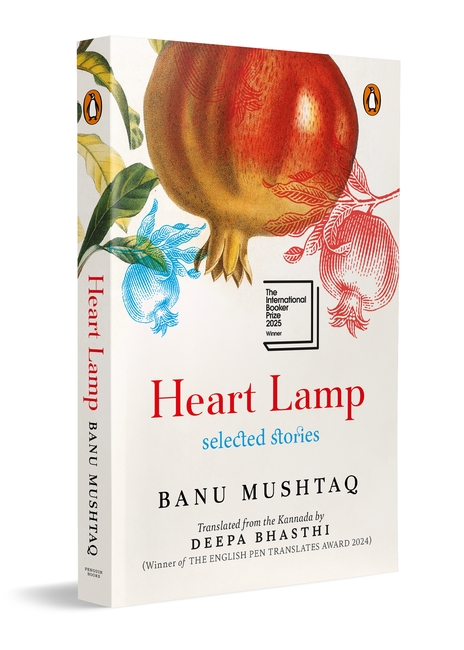
Longlisted for the International Booker Prize 2025
In Heart Lamp, Banu Mushtaq exquisitely captures the everyday lives of women and girls in Muslim communities in southern India. Published originally in the Kannada, these portraits of family and community tensions testify to Mushtaq’s years as a journalist and lawyer, in which she tirelessly championed women’s rights and protested all forms of caste and religious oppression. Written in a style at once witty, vivid, colloquial, moving and excoriating, it’s in her characters – the sparky children, the audacious grandmothers, the buffoonish maulvis and thug brothers, the oft-hapless husbands, and the mothers above all, surviving their feelings at great cost – that Mushtaq emerges as an astonishing writer and observer of human nature, building disconcerting emotional heights out of a rich spoken style. Her opus has garnered both censure from conservative quarters as well India’s most prestigious literary awards; this is a collection sure to be read for years to come.
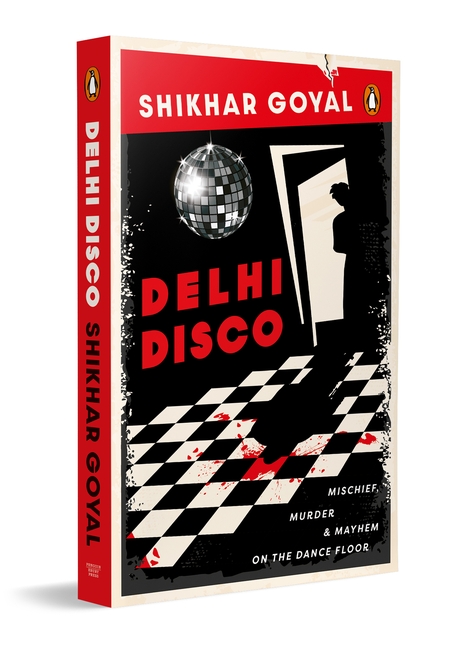
Neil Ramamurthy, an Indian-origin American DJ, reaches Delhi on his first trip to India. His only objective is to win back his girlfriend, Sameera, after she broke his heart in New York City on New Year’s Eve several months ago.
Sameera Kapoor is busy launching her club, Kapital, which has been shuttered since her mother dropped dead in it five years ago. Safe to say, a relationship’s not on her mind.
The way to Sameera’s heart is through her club – and its smooth launch – but as luck would have it, the road to Kapital’s launch is marred with bizarre incidents. And when everything seems to have returned to normal, an accidental death in the club sends Neil and Sameera’s world crashing down. To make matters worse, the officer-in-charge, Inspector KK, seems hell bent on making things harder for them.
As Neil maneuvers through these challenges, he finds himself entangled in a ludicrous love triangle, one which may or may not be responsible for the events at Kapital.
Who knew being a DJ came with such a huge occupational hazard?

Today, mobile connections are so readily accessible that it is perhaps easy to forget the time when only the elite had access to a phone provided by the sole operator: the Government of India. It all changed in the early 1990s as liberalisation stirred the Indian economy out of its decades of complacency.
The Telecom Wars begins its narration from those times, traversing the uncertain early years of the mobile phone industry. It is a vivid portrait of the fierce competition as Tata, Birla, Reliance, and Bharti bid to capture the lion’s share of India’s billion voices. As they did, India’s institutions to regulate and manage the sector also evolved—the ministry separated from the Telecom Regulatory Authority of India (TRAI), the Telecom Disputes Settlement and Appellate Tribunal (TDSAT), and state-run operators MTNL and BSNL also joined the fray. Policy makers, entrepreneurs, and bureaucrats worked tirelessly to change India’s cellular topography.
Fast-paced and expertly written, veteran financial journalist Deepali Gupta’s account is both a comprehensive history and a work of great business insight.
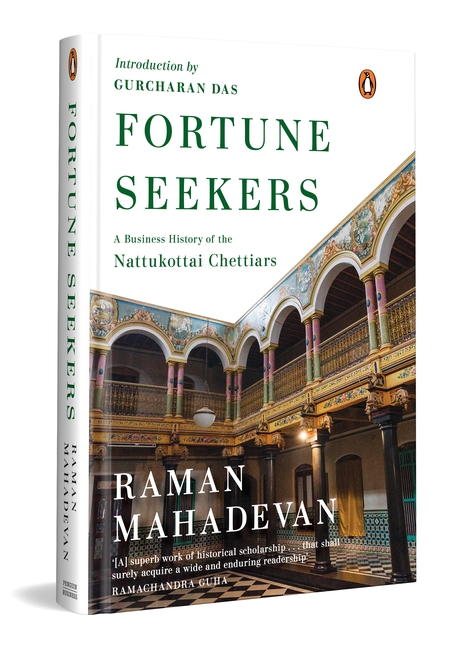
Nattukotai Chettiars were the most prominent business community from Tamil region and this book captures their spirit of enterprise that led many of them to seek their fortunes overseas. It’s a story that connects South India, Burma, and South-East Asia across the Bay of Bengal and equally one that spans the British imperial era and that of the modern nation state.
For students of history, business, and for modern entrepreneurs, the book has valuable lessons on the importance of diversifying into promising investment opportunities and gauging the economic winds of change.
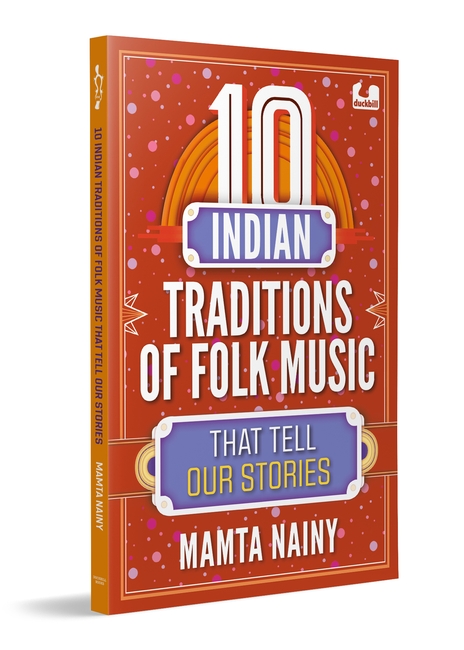
This book explores ten traditions of folk music that have long preserved some of the many voices and diverse cultures across India. From the evocative ballads of Kashmir to the soulful rhythms of Bengal, each tradition is shaped by the region where it originated and the challenges and joys of the singers. These traditions are:
The Bidesia of Bihar
The Gathas and Kathas of Rajasthan
The Ladishah Ballads of Kashmir
The Nizami Qawwali of Dilli
The Pandavani of Chhattisgarh
The Kabir Vaani of Kutch
The Janapadas of Karnataka
The Lavani of Maharashtra
The Li of the Chakhesang Nagas
The Bhatiyali of Bengal Mamta Nainy explores the origins of these musical forms, and their evolution in the face of modernity, highlighting their power as a means of collective expression.
In the electric haze of college life, three friends are bound by laughter, late-night talks and unspoken promises. But when two of them cross the line from friendship into love, everything changes. Betrayal shatters their world, leaving one friend to pick up the pieces while navigating her own complicated feelings. As friendships fracture and love grows tangled, hearts are broken, and choices become irreversible. Caught between the ache of lost friendship and the bittersweet pull of love, Dev must decide if he’s willing to risk everything—again.
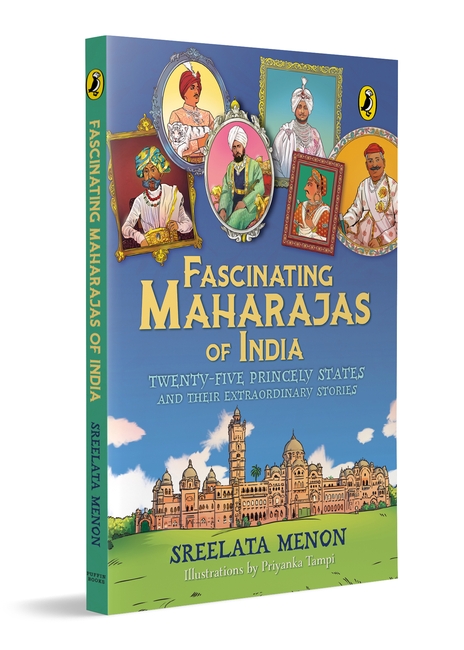
Long, long ago, the vast Indian subcontinent was alive with powerful kingdoms and adventurous maharajas. They expanded with fervour and ruled with aplomb. They lived extravagant lives yet protected their turfs. They introduced reforms and uplifted their people. And despite their many quirks, they laid the foundation for the progress and development of modern India.
- How did the Travancore maharajas promote education?
- When did the Mysore maharajas begin celebrating Dasara with such pomp?
- How unique was the Junagadh nawab’s love for his dogs?
Discover the answers to these questions and more in this gorgeously illustrated book that chronicles twenty-five such exciting Indian kingdoms—from their origin to when they became princely states under the British to finally merging with the Indian Union at the time of Independence and becoming the backbone of a brand-new nation.

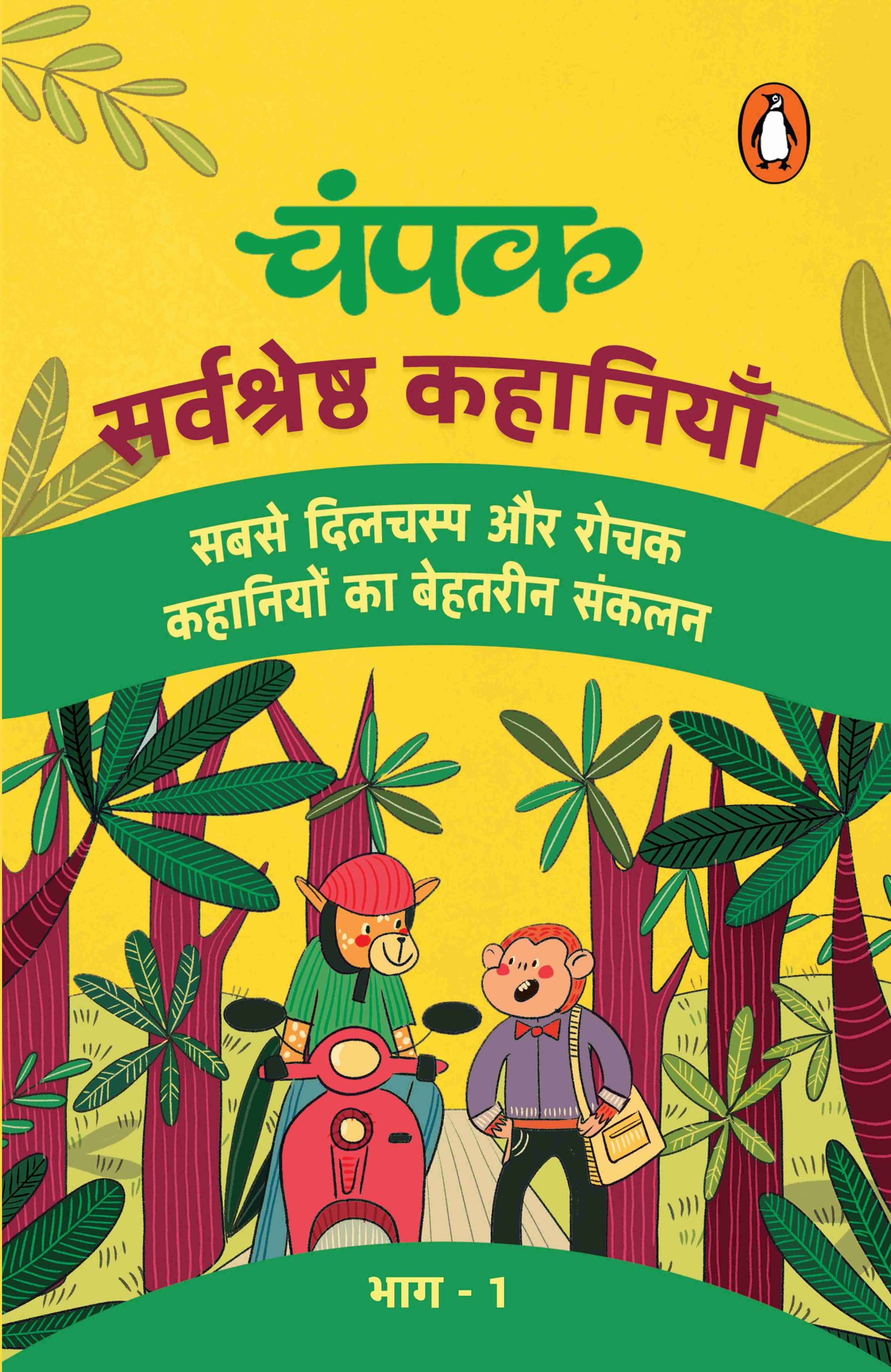
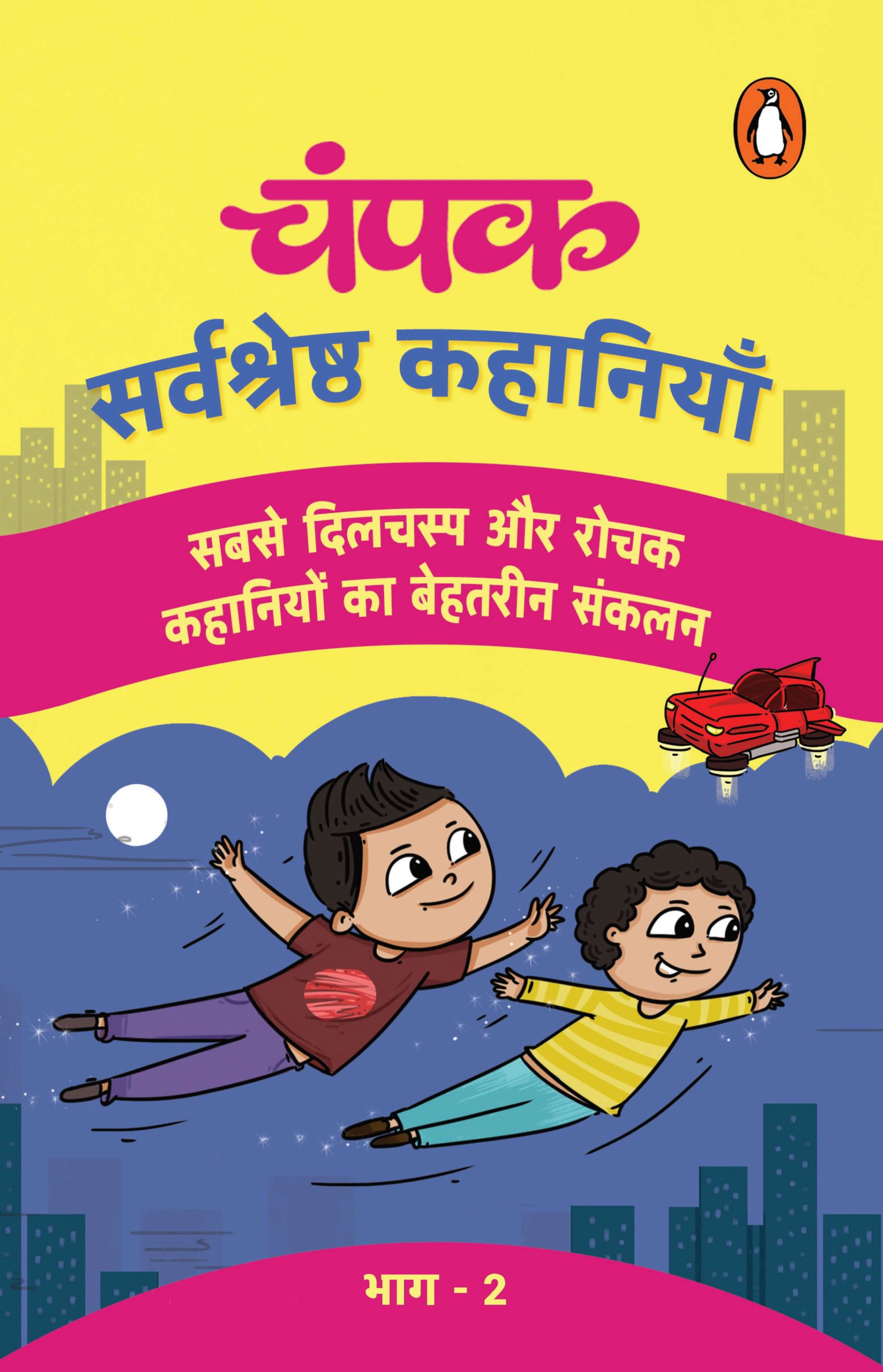
बच्चों की सबसे प्रिय पत्रिकाओं में से एक है, जो मनोरंजन और शिक्षा का अनोखा संगम प्रस्तुत करती है। इसमें जानवरों पर आधारित रोचक कहानियाँ, मजेदार गतिविधियाँ और ज्ञानवर्धक लेख शामिल होते हैं। चंपक बच्चों की रचनात्मकता को बढ़ावा देता है और उनकी सोचने-समझने की क्षमता को विकसित करता है। यह पत्रिका हर आयु के बच्चों के लिए आदर्श है, जो उन्हें आनंद और शिक्षा दोनों प्रदान करती है।

बच्चों की सबसे प्रिय पत्रिकाओं में से एक है, जो मनोरंजन और शिक्षा का अनोखा संगम प्रस्तुत करती है। इसमें जानवरों पर आधारित रोचक कहानियाँ, मजेदार गतिविधियाँ और ज्ञानवर्धक लेख शामिल होते हैं। चंपक बच्चों की रचनात्मकता को बढ़ावा देता है और उनकी सोचने-समझने की क्षमता को विकसित करता है। यह पत्रिका हर आयु के बच्चों के लिए आदर्श है, जो उन्हें आनंद और शिक्षा दोनों प्रदान करती है।