A brand new psychological thriller from #1 New York Times bestselling author Freida McFadden!
The nightmare she’s running from is nothing compared to where she’s headed.
Tegan is eight months pregnant, alone, and desperately wants to put her crumbling life in the rearview mirror. So she hits the road, planning to stay with her brother until she can figure out her next move. But she doesn’t realize she’s heading straight into a blizzard.
She never arrives at her destination.
Stranded in rural Maine with a dead car and broken ankle, Tegan worries she’s made a terrible mistake. Then a miracle occurs: she is rescued by a couple who offers her a room in their warm cabin until the snow clears.
But something isn’t right. Tegan believed she was waiting out the storm, but as time ticks by, she comes to realize she is in grave danger. This safe haven isn’t what she thought it was, and staying here may have been her most deadly mistake yet.
And now she must do whatever it takes to save herself―and her unborn child.
A gut-wrenching story of motherhood, survival, and twisted expectations, #1 New York Times bestselling author Freida McFadden delivers a snowbound thriller that will chill you to the bone.

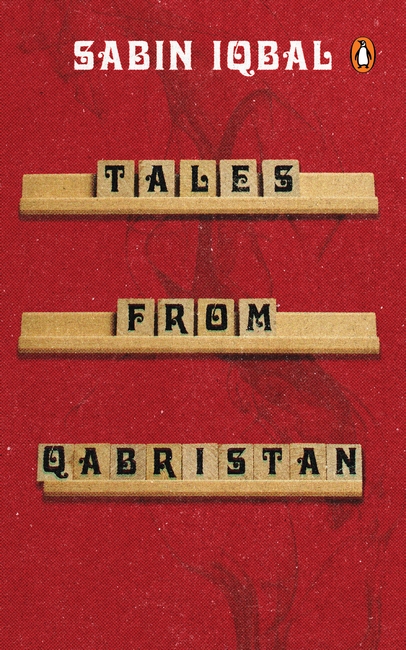
In a small backwater village in Kerala, Farook prepares to bury his father in the qabristan behind the mosque. As the rituals proceed, he is filled with memories of his growing years. Memories of the village, of secret lives, sexual proclivities, superstitions—and above all, the slow decaying of his family.
Tales from Qabristan is a strikingly vivid portrayal of a boy trying to understand the world through the eyes of the adults around him, as he navigates failure, love, life and death. Its language often slipping into magical realism, traversing the realms of both fantasy and reality, the novel reminds us that children are capable of discerning extremely complex realities even if they cannot fully understand them.

Kiki loves deep-fried, sugary junk food. She’s always complaining that her fruit, veggies, grains, and milk—all the things that are good for her—are boring. But she doesn’t know that they can hear her. Determined to win her over, they come up with a plan . . .
Slurrp Farm is made with love by two mothers who are on a mission to change the way our children eat. That’s why they cooked up this special book filled with curiosity and adventure to help children discover the joy of eating well. Through Kiki’s story, little tummies and growing minds learn that healthy food can be fun—creating happy mealtimes that the whole family can share together.

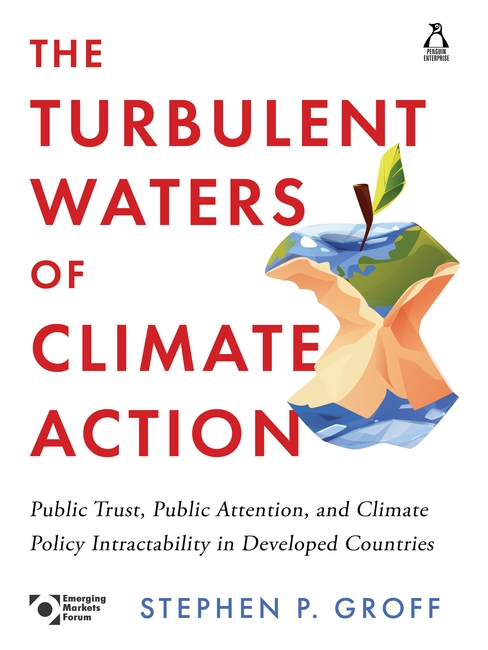
In this timely and incisive book, Stephen Groff explores the intricate challenges facing political leaders in developed nations as they confront the global climate crisis. Through a deep analysis of media influence, political agendas, and societal priorities, the book uncovers the barriers that often stall meaningful climate action and slow the momentum toward real change.
Groff expertly examines how public trust, media narratives, and entrenched political structures shape policy decisions. An essential read for policymakers, environmental advocates, and citizens alike, The Turbulent Waters of Climate Action is both a call to action and a roadmap for creating more effective climate governance.

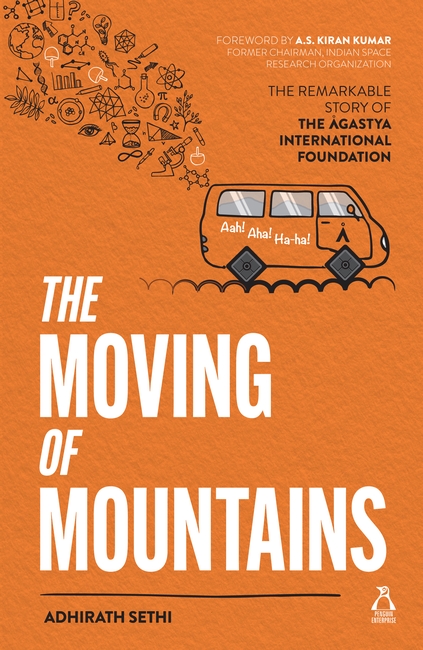
The Moving of Mountains tells the inspiring story of how a small group of visionaries transformed Agastya into one of the world’s most respected educational foundations. Through a hands-on, innovative approach to science education, Agastya has sparked curiosity, nurtured creativity, and empowered thousands of children across India and beyond. From its humble beginnings to global recognition, this book highlights Agastya’s resilience, scalable solutions, and pioneering methods that are shaping the future of education. A must-read for educators, policymakers, and social entrepreneurs, it offers both a compelling case study and a practical guide for implementing impactful educational innovations.

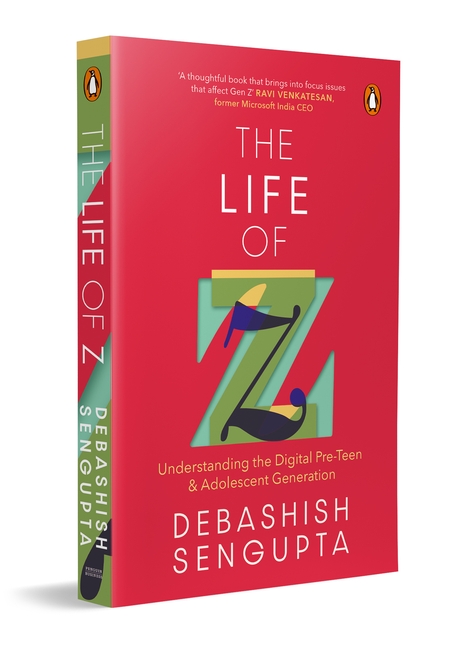
This book decodes the mindsets, attitudes and behaviours of generation Z. Highlighting some of the most compelling aspects of their lives, it helps readers understand the opportunities and challenges faced by the generation in a world impacted by digital technology. Provocative and incisive, The Life of Z offers unique insights to help nurture an extraordinary generation of achievers and change makers. It is a must-read for business leaders, teachers, counsellors, parents and everyone who manages generation Z.
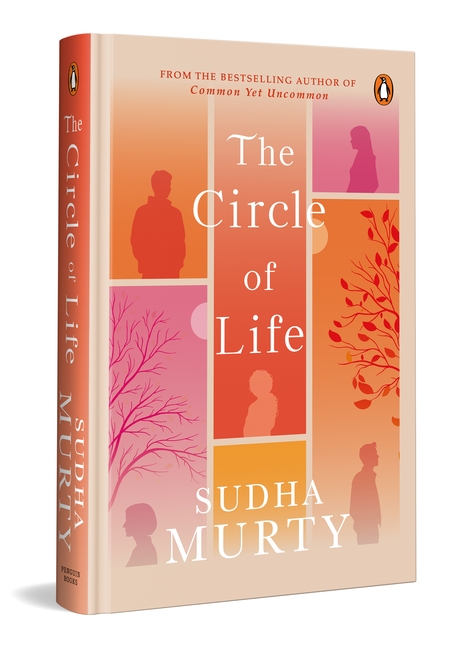
Uttara Rao, Janaki Paranjape, Arvind Shah, K. Subba Rao and Sumitra Iyer first cross each other’s paths at Indian Institute of Science, Bangalore, in 1999. Coming from vividly different backgrounds, the five soon became friends. As they navigate relationships, careers and life, they vow to come back to the campus twenty-five years later. A story of hardships, perseverance, success and disappointment, the book examines the lives of five friends as they look back and reminisce on how life turned out. Life has indeed come to a full circle for them. Inspirational and poignant, The Circle of Life is a moving story of five friends as they deal with life’s great expectations.
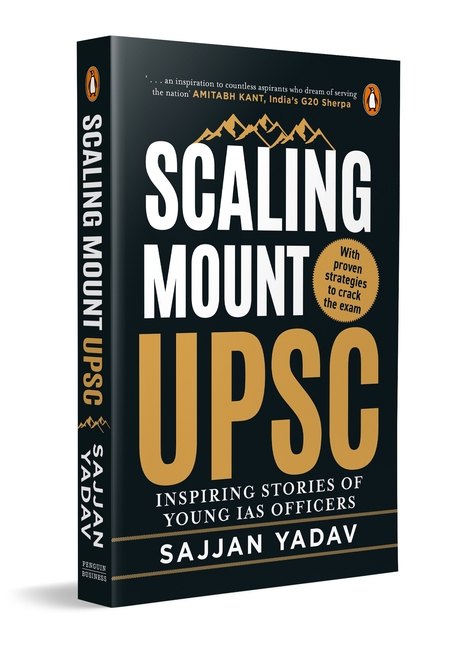
Scaling Mount UPSC portrays inspiring stories of IAS officers who conquered the world’s most challenging competitive exam through their dogged pursuit, despite multiple odds against them. From a blind girl in Sikkim and a government clerk from Kerala to a boy from a remote Kashmiri village and an IIT graduate from Rajasthan—the book captures seven unique stories of highly determined young men and women who scaled the formidable ‘Mount UPSC’. This book also summarizes the strategies and success mantras that guided these extraordinary individuals to triumph, offering invaluable insights for civil service aspirants. It is a testament to grit, dedication and the power of dreams. Whether it is the civil services or any ambitious goal, these tales of resilience and perseverance will inspire and empower readers to chase their dreams.
To save the world from cosmic annihilation, Lord Vishnu takes on his second avatar, that of the Kurma, or the tortoise. The Kurma Purana is one of the eighteen classic Hindu texts known collectively as the Puranas. The origins of the Kurma Purana can be traced back to 600 to 900 CE, and we encounter Indradyumna, Varaha, Devi, Vyasa, and the divine presence of Shiva in this text as we delve into the deep and nuanced tale of one of the greatest Hindu legends.
The seventh book in the Purana series, this translation of the Kurma Purana by Bibek Debroy is an attempt to bring to readers, the rich and layered history of our myths and classics.
Previous books in the series include the Bhagavata Purana, Brahma Purana, Markandeya Purana, Brahmanda Purana, Vishnu Purana and the Shiva Purana.
Discover the profound contributions of Fali S. Nariman, a towering figure in Indian jurisprudence, through this authoritative anthology that encapsulates his lifelong dedication to law and justice. Beyond the Courtroom presents a meticulously curated selection of his most influential speeches, groundbreaking articles, and illuminating lectures, showcasing the vast breadth and depth of his legal and constitutional expertise.
This collection spans the entirety of Nariman’s distinguished career, offering incisive analyses of national issues, legal reforms, and critical reflections on arbitration, judiciary, and constitutional law. Each section highlights a unique facet of Nariman’s intellectual rigour and legal acumen, providing readers with a comprehensive understanding of his perspectives on justice, governance, and the rule of law.
With contributions that have shaped legal discourse and inspired countless professionals, this volume is an essential resource for legal scholars, practitioners, and anyone interested in the foundational principles of law, justice, and constitutional governance. Beyond the Courtroom stands as a testament to the enduring legacy of one of India’s most esteemed legal minds.