Three bodies found in Kullu,
shot and burnt to a crisp.
Two promising clues.
A missing nurse at the centre of this mystery.
Is she a clear suspect . . . or is there more than meets the eye?
Coming off a fresh suspension, IPS Simone Singh is thrown head first into a bizarre case of serial murders—a killer who is targeting doctors at the Regional Hospital in Kullu, Himachal Pradesh. She soon realizes that solving this case is not going to be as easy as she thought, as lying doctors, missing evidence and contradictory eyewitnesses work hard to muddle her case.
Nurse Aadya is on the run. She is running from what she once believed was her salvation, all to protect her baby. Everywhere she turns, she is surrounded by enemies, and Aadya finds herself entrapped in a noose that steadily grows tighter around her neck. It’s only a matter of time before Simone Singh catches up with her.
Can Aadya prove her innocence in time? More importantly, can Simone catch the killer before someone else dies?

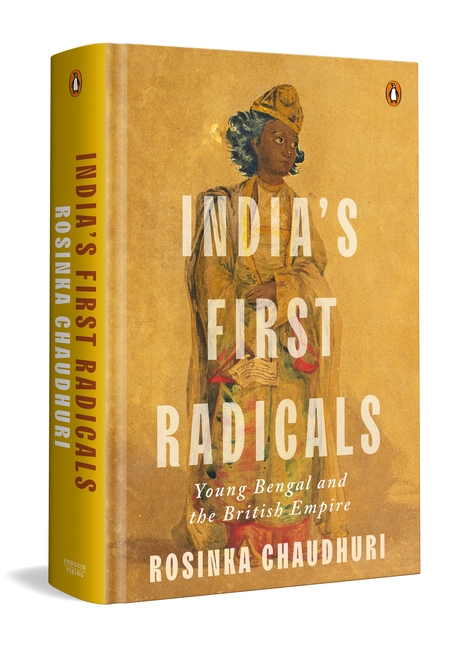
In 1831, the editor of the India Gazette wrote a report about a group he called the ‘Radicals’, ‘Ultra-Reformers’ or ‘the Ultras’, who were responsible for an unprecedented upheaval in social, religious and political thinking centred in Calcutta. Later named ‘Young Bengal’, these students of Henry Derozio at the Hindu College had embarked upon a collision course with orthodoxy and authority, generating scandal and sensation in equal measure.
Focusing on their activities twelve years later in 1843, this book examines their achievements in a radical reassessment of their contribution. That year saw Young Bengal argue for the rights of the peasant, campaign against corruption in the police and judiciary, bring a legal case against a British magistrate for the mistreatment of labourers, and continue their fight against racial, gender and caste discrimination in society. It also marked their formation of the first Indian political party.
India’s First Radicals seeks to rethink the activities of Young Bengal, whose pioneering contributions to public discourse and the changes they wrought were among the earliest shifts to define modern India as we now know it.

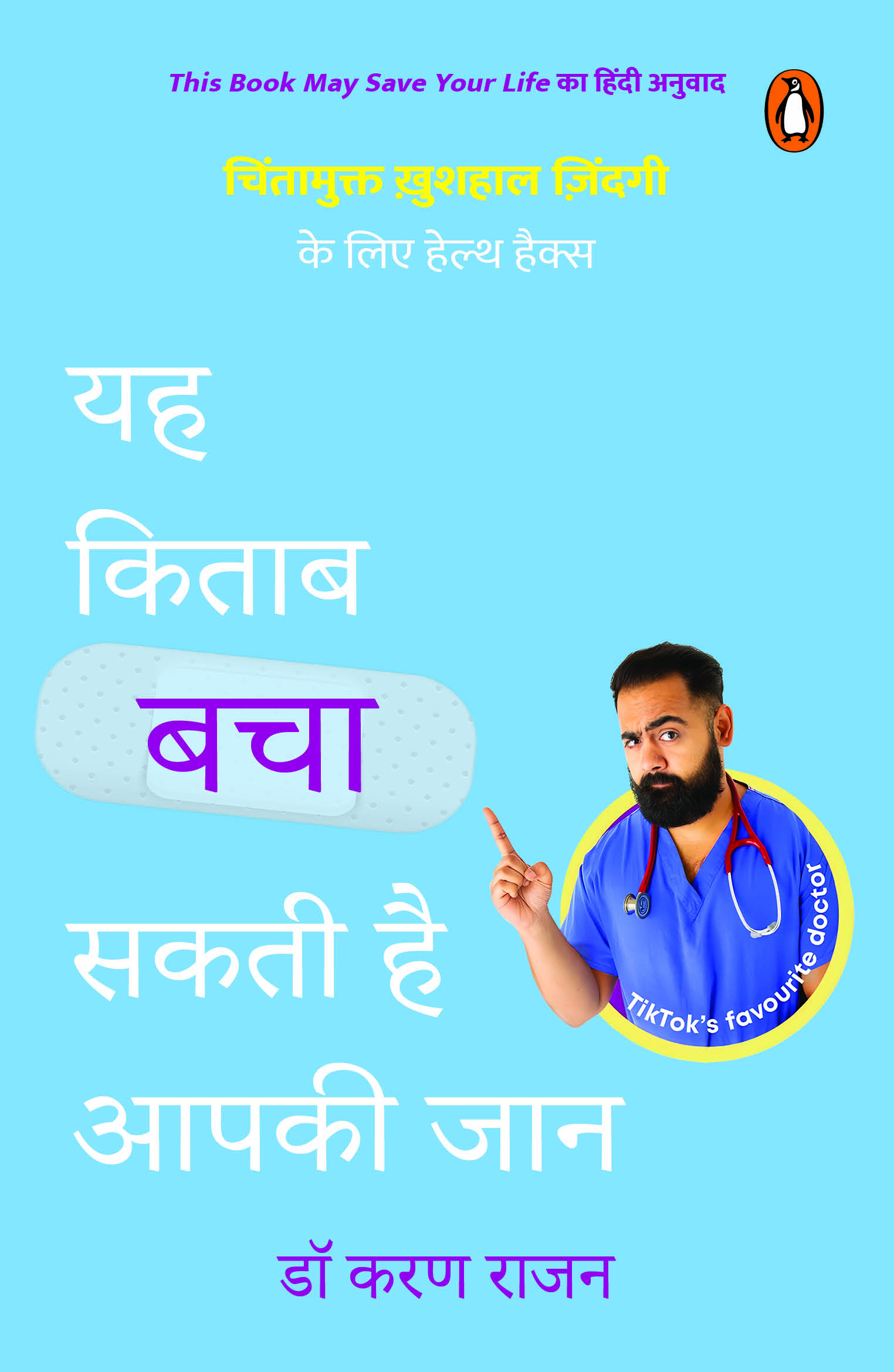
आपका शरीर अतुलनीय है, लेकिन यह आपको बर्बाद करने में भी सक्षम है। असल में एक इंसान बहुत सारे परीक्षणों और त्रुटियों का परिणाम है। इसी के साथ रहते हुए, आपको बेहतर तरीके से जीना सीखना है। इस काम के लिए यह किताब उपयोगी साबित होगी। इस किताब में वे सारी बातें हैं, जो जन्म के साथ ही क्षय शुरू हो जाने वाले शरीर की इस क्षय प्रक्रिया को धीमा करती हैं। ज़ाहिर है, आपको ये सारी बातें जाननी चाहिए। इस किताब के ज़रिए :
• आप अपने अस्तित्व के शानदार पहलुओं का आनंद उठा सकेंगे।
• आप अपने दिमाग की उलझन को ख़त्म कर उसकी क्षमता को बढ़ा सकेंगे।
• आप अपनी साँसों से अपने स्वास्थ्य की दशा-दिशा पता लगा सकेंगे।
• आप अपनी आँखों को वह सम्मान देना शुरू कर देंगे, जिसकी वे हकदार हैं।
इस किताब में बताया गया है कि आप अपने सभी अंगों के बीच कैसे संतुलन और सामंजस्य बना कर रख सकते हैं, ताकि एक बेहतर, लंबे, स्वस्थ जीवन का आनंद ले सकें।

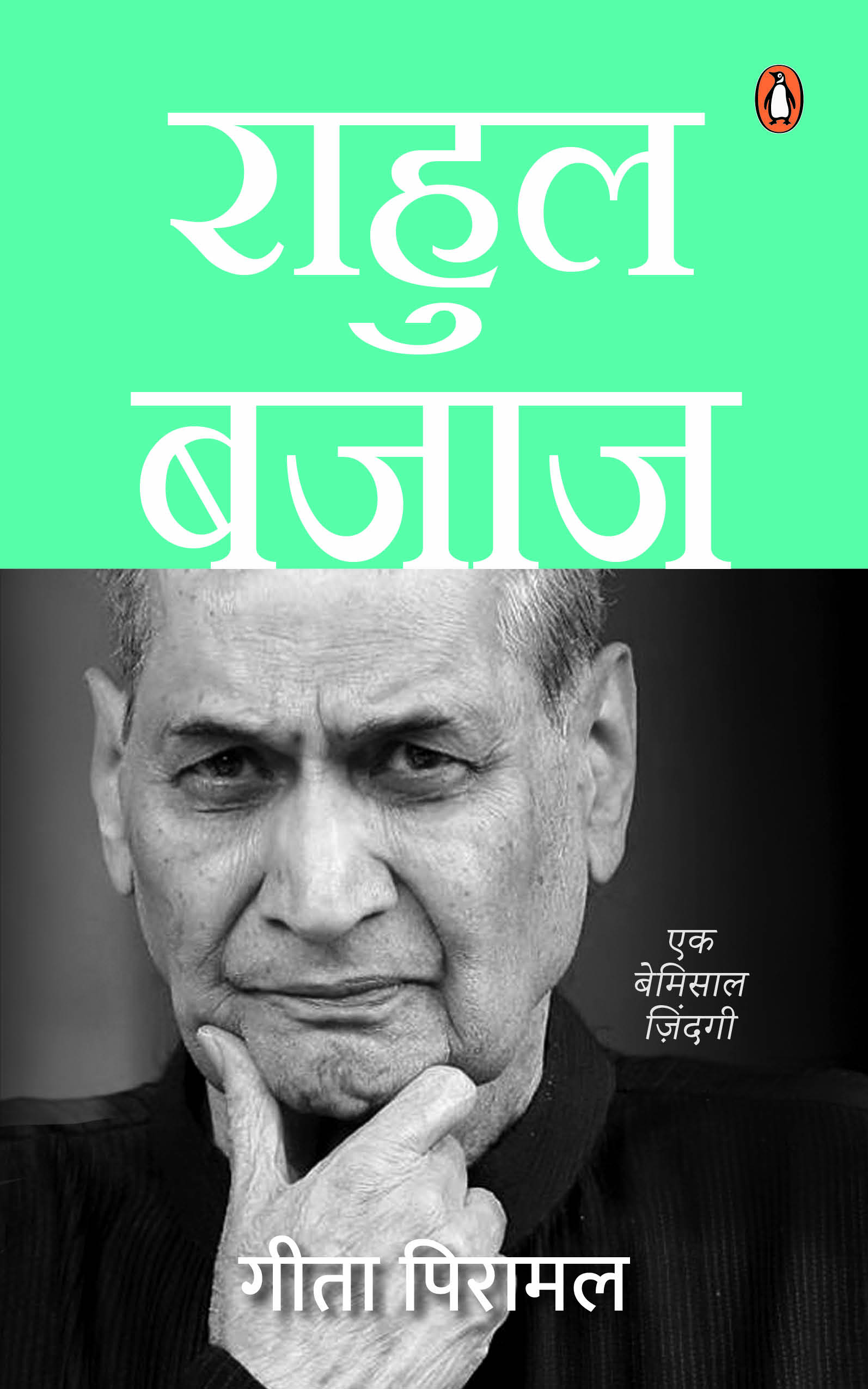
साहसी, करिश्माई और नैतिक व्यक्तित्व वाले राहुल बजाज ने दुनिया की सबसे मूल्यवान दोपहिया कंपनी बजाज ऑटो और वित्तीय सेवाओं की पावरहाउस बजाज फिनसर्व का निर्माण किया। उन्होंने भारत के सबसे प्रभावशाली और सफल व्यावसायिक समूहों में से एक का नेतृत्व किया। एक प्रसिद्ध व्यवसायी नेता, पूर्व सांसद और एक प्रभावशाली राष्ट्रीय प्रतीक राहुल बजाज वस्तुतः भारत के स्वातंत्र्योत्तर युग के प्रतीक हैं। इस पुस्तक में, बेस्टसेलिंग लेखिका गीता पिरामल, बजाज और उनके उथल-पुथल भरे जीवन तक बेबाक रूप से पहुँचती हैं। कथा भारत के स्वतंत्रता संग्राम के दौरान उनकी माँ के कारावास के विवरण से शुरू होती है और एक महत्त्वाकांक्षी, उदारीकरण के बाद के देश में जीवन की झलकियाँ प्रदान करती है। स्टार्ट-अप के युग में, पिरामल ने ‘हमारा बजाज’ के पीछे के व्यक्ति की स्थायी विरासत का चित्रण किया है। सूक्ष्म अवलोकन और गहरी अंतर्दृष्टि से भरपूर यह जीवनी परिवार, व्यवसाय और सार्वजनिक जीवन के बारे में अतुलनीय सबक से भरपूर है और अंततः समाज के ताने-बाने पर एक अमिट छाप छोड़ती है।
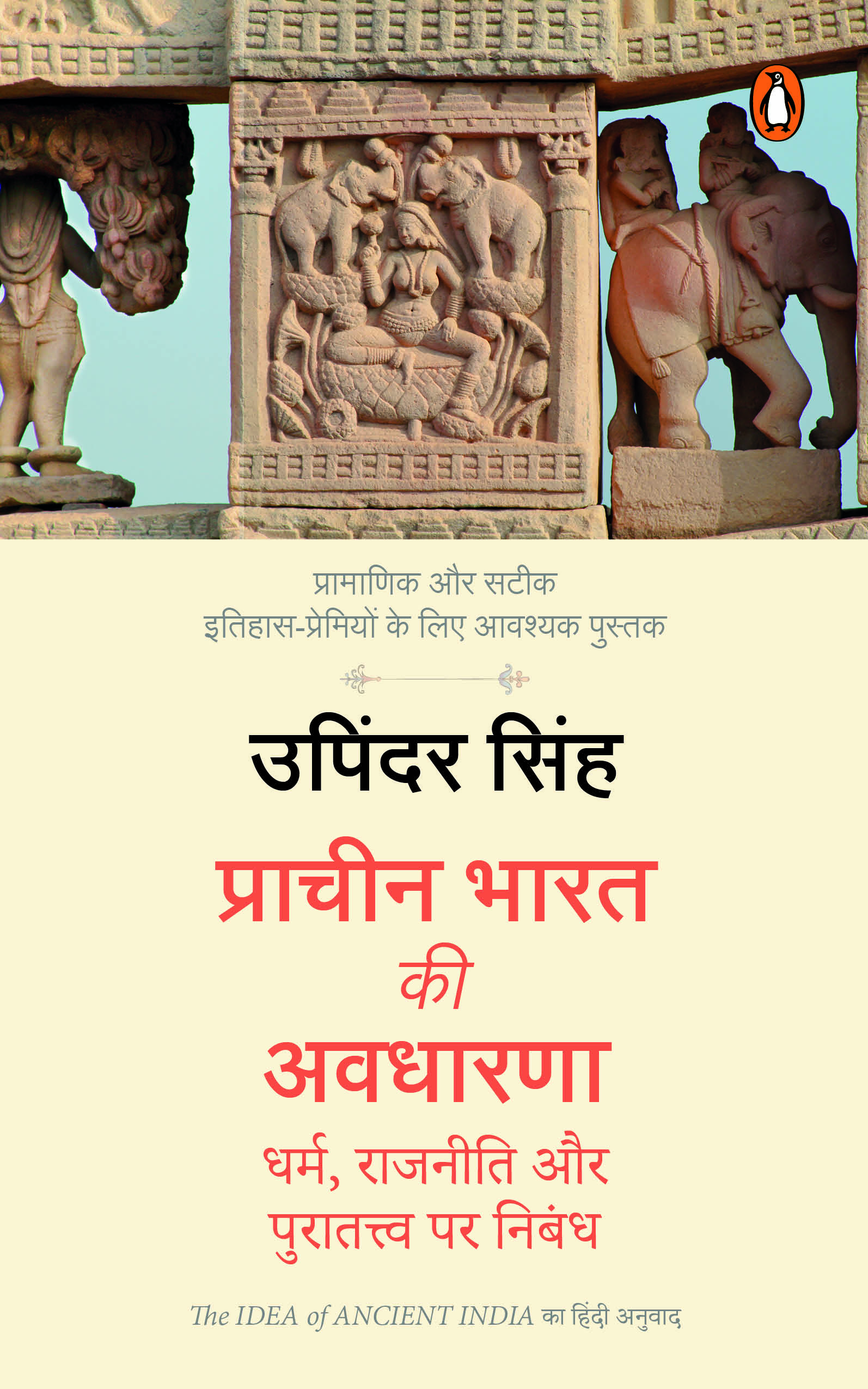
इतिहासकारों के बीच पुरातनता और उसके काल-विभाजन की अवधारणा को लेकर हुए लंबे वाद-विवादों के परिणामस्वरूप आजकल ‘प्राचीन’ जैसे विशेषणों के प्रयोग में भारी कमी आ गई है और उसके स्थान पर ‘प्रारंभिक’ शब्द को अधिक तरजीह दी जाने लगी है। वैसे ‘प्राचीन’ में गहराई है, रहस्य और स्पंदन है। प्राचीन भारत की अवधारणा विचारों की बहुलता के साथ अतीत और साथ-ही-साथ ऐतिहासिक व्याख्या का एक मूलभूत हिस्सा है। इसलिए ‘प्राचीन भारत की अवधारणा’ पूरे भारत के, या कह सकते हैं दक्षिण एशिया के प्राचीन इतिहास को समझने के अनंत तरीकों से जोड़ती है। यह पुस्तक पुरालेखीय आँकड़ों के विश्लेषण और अभिलेखों को उनके विस्तृत संदर्भों में रखकर देखने के साथ पुरातत्व और प्राचीन स्थलों के आधुनिक इतिहास का भान कराती है। इसमें राजनीतिक विचारों एवं व्यवहार का संगम तो दिखता ही है, भारत से बाहर एशिया का दृश्यपटल भी परिलक्षित होता है।
यह पुस्तक स्टॉइकवाद की शास्त्रीय परंपरा के पदचिह्नों पर चलने और समकालीन जीवन की बाधाओं को पार करने के तरीके पर मार्गदर्शन प्राप्त करने वाले व्यक्तियों के बढ़ते समुदाय में शामिल होने की राह दिखाती है। मार्कस ऑरेलियस से लेकर सेनेका तक, स्टॉइक्स का एक लंबा और समृद्ध इतिहास रहा है। द एवरीडे स्टॉइक के संस्थापक विलियम मुलिगन ने इन सिद्धांतों को आधुनिक जीवन की चुनौतियों पर काबू पाने और आंतरिक शांति की एक अडिग भावना को विकसित करने के लिए एक व्यावहारिक मार्गदर्शिका में बदल दिया है, ताकि आप भी एक स्टॉइक की तरह रह सकें।
9 May 2017. Lt Ummer Fayaz was brutally murdered by armed militants in Kashmir while he was back home, attending a wedding in the family. The death sent the nation into shock and immortalized the memory of a young man with conviction beyond his years.
In his brief, inspiring life, Ummer joined the Indian Army to set an example and galvanize fellow Kashmiris to move beyond the cycle of violence that unrest in the state had forced them into.
Deeply researched and told with feeling, Undaunted is the extraordinary story of an extraordinary life.

The bestselling business playbook for turbocharging any organization, updated for modern audiences with new and never-before-seen material
Every single day 3,076 businesses shut their doors. But what if you could create the finest, most profitable and best-run version of your business without wasting precious dollars on a thousand different strategies? When The Ultimate Sales Machine first published in 2007, legendary sales expert Chet Holmes gave us the key to do just that. All you need is to focus on twelve key areas of improvement—and practice them over and over with pigheaded discipline.
Now, a decade later, Chet’s daughter Amanda Holmes breathes new life into her father’s classic advice. With updated language to match our ever-changing times and over 50 new pages of content, The Ultimate Sales Machine will help any modern reader transform their organization into a high-performing, moneymaking force. With practical tools, real-life examples, and proven strategies, this book will show you how to:
• Teach your team to work smarter, not harder
• Get more bang from your marketing for less
• Perfect every sales interaction by working on sales, not just in sales
• Land your dream clients
This revised edition expands on these proven concepts, with checklists to get faster ROIs, Core Story Frameworks to get your company to number one in your marketplace, and a bonus, never-before-revealed chapter from Chet, “How to Live a Rich and Full Life,” that will put you in the best possible mindset to own your career.
For every CEO, manager, and business owner who wants to take their organization to the next level, The Ultimate Sales Machine will put you and your company on the path to success—and help you stay there!
Author of cult classics The Pumpkin Plan and The Toilet Paper Entrepreneur offers a simple, counterintuitive cash management solution that will help small businesses break out of the doom spiral and achieve instant profitability.
Conventional accounting uses the logical (albeit, flawed) formula: Sales – Expenses = Profit. The problem is, businesses are run by humans, and humans aren’t always logical. Serial entrepreneur Mike Michalowicz has developed a behavioral approach to accounting to flip the formula: Sales – Profit = Expenses. Just as the most effective weight loss strategy is to limit portions by using smaller plates, Michalowicz shows that by taking profit first and apportioning only what remains for expenses, entrepreneurs will transform their businesses from cash-eating monsters to profitable cash cows. Using Michalowicz’s Profit First system, readers will learn that:
· Following 4 simple principles can simplify accounting and make it easier to manage a profitable business by looking at bank account balances.
· A small, profitable business can be worth much more than a large business surviving on its top line.
· Businesses that attain early and sustained profitability have a better shot at achieving long-term growth.
With dozens of case studies, practical, step-by-step advice, and his signature sense of humor, Michalowicz has the game-changing roadmap for any entrepreneur to make money they always dreamed of.
Poker champion turned business consultant Annie Duke teaches you how to get comfortable with uncertainty and make better decisions as a result.
In Super Bowl XLIX, Seahawks coach Pete Carroll made one of the most controversial calls in football history: With 26 seconds remaining, and trailing by four at the Patriots’ one-yard line, he called for a pass instead of a hand off to his star running back. The pass was intercepted and the Seahawks lost. Critics called it the dumbest play in history. But was the call really that bad? Or did Carroll actually make a great move that was ruined by bad luck?
Even the best decision doesn’t yield the best outcome every time. There’s always an element of luck that you can’t control, and there is always information that is hidden from view. So the key to long-term success (and avoiding worrying yourself to death) is to think in bets: How sure am I? What are the possible ways things could turn out? What decision has the highest odds of success? Did I land in the unlucky 10% on the strategy that works 90% of the time? Or is my success attributable to dumb luck rather than great decision making?
Annie Duke, a former World Series of Poker champion turned business consultant, draws on examples from business, sports, politics, and (of course) poker to share tools anyone can use to embrace uncertainty and make better decisions. For most people, it’s difficult to say “I’m not sure” in a world that values and, even, rewards the appearance of certainty. But professional poker players are comfortable with the fact that great decisions don’t always lead to great outcomes and bad decisions don’t always lead to bad outcomes.
By shifting your thinking from a need for certainty to a goal of accurately assessing what you know and what you don’t, you’ll be less vulnerable to reactive emotions, knee-jerk biases, and destructive habits in your decision making. You’ll become more confident, calm, compassionate and successful in the long run.