



सूखा पत्ता अमरकान्त की ही नहीं, बल्कि पिछले बीस वर्षों में लिखे गए हिन्दी उपन्यासों में भी एक महत्त्वपूर्ण रचना है। आजादी से पहले के पूर्वी उत्तर प्रदेश का कस्बाई परिवेश और इसका कि शोर कथानायक कृष्ण यहाँ असाधारण रूप में चित्रित हुए हैं।
Archives: Books
Kajar Ki Kothari/काजर की कोठरी
महान लेखक बाबू देवकीनंदन खत्री का यह महत्त्वपूर्ण उपन्यास है। अकूत दौलत को देखकर भला किसका मन नहीं ललचा जाता और वह उसे पाने के लिए किसी भी हद तक गिर जाता है। ऐसी ही घटना पर आधारित यह उपन्यास मन को विचलित कर देता है।
एक बड़े जमींदार लालसिंह की अकूत दौलत को हड़पने की साजिश और साथ ही उसे निष्फल करने के प्रयासों की अत्यंत दिलचस्प दास्तान इस उपन्यास में उकेरी गई है।
लालसिंह ने अपनी तमाम दौलत को एक सशर्त वसीयतनामे के द्वारा अपनी इकलौती बेटी सरला के नाम कर दिया है। यही कारण है कि शादी के ऐन वक्त लालसिंह के दुष्ट भतीजे सरला को ही उठा ले जाते हैं और उसे कैद कर लेते हैं।
Tipu Sultan
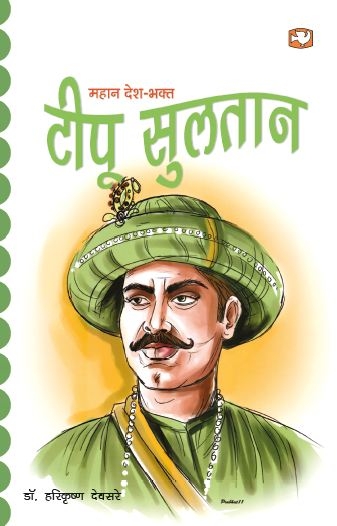
the inspiring life story of the great great patriot Tipu Sultan has been engraved. This book, equipped with beautiful pictures, is very useful for children.
The Accidental Marriage

He doesn’t believe in love. Or second chances. Or fate.
Then he wakes up married to a stranger.
Kidnapped and abandoned by his own mother, billionaire lawyer Ares Huxley built his life on ironclad rules. A wife was never part of the plan—until a promotion demands one.
When he wakes up married to the beautiful and feisty Lareina, instinctively an annulment becomes the plan. Except his new bride needs the marriage just as much to claim her inheritance.
So, they strike a deal: live together in the marital home, keep emotions out of it, and walk away in six months.
But Ares’s didn’t anticipate how day by day Lareina will break his defenses. The more he fights the fire
between them, the more his restraint frays—until detachment feels like another kind of surrender.
The danger isn’t wanting her. It’s realizing he can’t do without her.
But will the deal be just as valuable when the wrong woman becomes your wife…and the love of your life?
When the lines between obligation and desire blur, Ares must decide what terrifies him more: losing control—or losing the woman who was never supposed to be his wife.
A sizzling slow-burn descent into obsession featuring a grumpy billionaire from the New York Times and USA Today bestselling author Nadia Lee.
For fans of Sylvia Day, Ana Huang, and Lauren Blakely!
Her Wicked Husband
He swore he’d never forgive her, married her out of spite;
but found the love that would heal him at last.
Billionaire Bryce Huxley has one weakness: Fiona Oberman, the woman who betrayed him in college.
When he discovers she’s marrying his rival to save her family from ruin, he crashes the wedding, pays off her
debt, and drags her to the altar himself.
But he believed this wasn’t love. It was revenge and undeniable passion, served ice cold.
The rules are solid: Be faithful. No babies. Walk away when he’s bored.
Fiona broke his heart once. Now it was his turn.
Every moment with Fiona reignites the love that they lost, but will Bryce be able to see beyond his
conviction that she is the enemy and the embrace what they share?
And when buried secrets surface, he’ll have to choose:
walk away, destroy her, or fight for the only woman who could make him feel alive.
Dharti Aru Aasman/धरती और आसमान
आचार्य चतुरसेन की सम्पूर्ण कहानियों को पांच भागों की सीरीज़ में प्रकाशित किया जा रहा है। यह इस सीरीज़ का तीसरा भाग है। विषय की दृष्टि से इस भाग की कहानियों को इस प्रकार बांटा जा सकता है –
पानवाली, बुलबुल हज़ार दास्तां, फूलवालों की सैल मुगलकाल की।
अम्बपालिका, क्रीता, प्रतिदान बौद्धकाल की।
इन्दू, पत्थर में अंकुर, विश्वास पर विश्वास सामाजिक।
सफेद कौआ, लम्बग्रीव, मुख़बिर राजनीतिक।
मुहब्बत, अकस्मातू, ठकुरानी राजपूती।
फिर, प्रणयवध, टार्चलाइट प्रेमप्रधान।
धरती और आसमान, नहीं भावप्रधान।
Age Like a Girl: How Menopause Rewires Your Brain for Mental Clarity, Increased Confidence, and Renewed Energy

Dr. Mindy Pelz, noted women’s health advocate and the bestselling author of Fast Like a Girl and Eat Like a Girl, redefines menopause as a powerful biological upgrade—offering science-backed strategies to help women thrive, reclaim their health, and step into their most vibrant, authentic selves.
“What I discovered—and what I hope you’ll see woven through every page—is that the neurochemical shift at menopause offers a mirror. One that reveals a more authentic version of who we are—and invites us to change what no longer serves.”
—Dr. Mindy Pelz
If you’re feeling foggy, overwhelmed, burned out, or like a stranger in your own mind and body, Age Like a Girl will help you understand why—and show you what’s possible on the other side.
Bestselling author and women’s health expert Dr. Mindy Pelz reveals the groundbreaking science behind how menopause rewires your brain—and how this transformation is happening for you, not to you. What most women mistake as “the begin¬ning of the end” is actually a biologically designed brain and identity reset—one that can deliver greater confidence, clarity, and energy than you’ve felt in years.
You’re not falling apart. You’re being rebuilt— from the inside out. With science, compassion, and lived wisdom, Dr. Mindy helps you make sense of what’s happening—and what’s possible next.
Inside you’ll discover how to:
• Understand the brain changes behind mood swings, fatigue, and brain fog
• Reclaim your emotional resilience, motivation, and focus
• Support your hormones and nervous system naturally
• Redesign your life using simple lifestyle tools backed by neuroscience
• Embrace your next chapter with power, vitality, and peace
Menopause isn’t the end of your story. It’s the turning point.
Come home to your clarity.
Come home to your confidence.
Come home to yourself.
Almost Sixteen
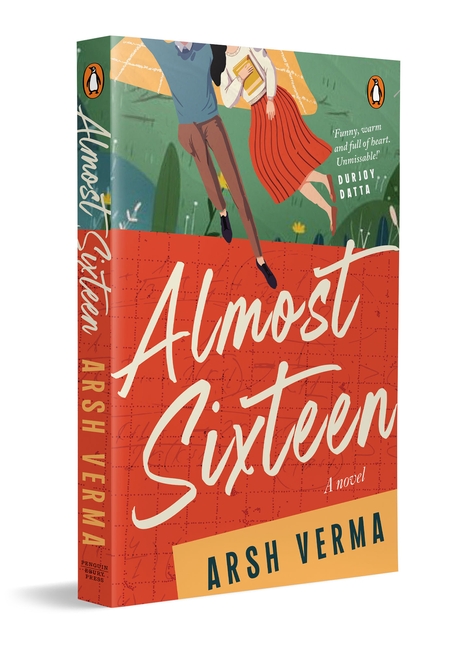
Fifteen-year-old Ashwin has recently moved to a new city to live with his aunt and uncle. His parents—researchers away on an expedition to Antarctica—have left him no choice but to join a new school, and embark on the dreariest task of all: making new friends.
However, his bumbling attempts to fit in end in catastrophe, earning him ridicule and social isolation. That is, until he meets Avnoor, a poised and magnetic classmate who seems utterly out of reach. Hopelessly smitten, Ashwin becomes determined to win her affection, no matter the cost.
In this brand new coming-of-age novel, Almost Sixteen, Arsh Verma leads us on a bittersweet and irreverent journey through first love, fragile friendships, and the messy, often hilarious trials and tribulations of adolescence.
From Guerrilla Fighter to Chief Minister

What does it take for a boy born in a remote hill village—during a world at war—to rise through fire, loss, exile, and battle to become the political leader who helps bring peace to an entire state?
This is not just a political memoir. It is a story of struggle. A story of conviction. A story of one man who held his people’s future in his hands, and refused to let it slip into despair.
In From Guerrilla Fighter to Chief Minister, Zoramthanga delivers an unforgettable, deeply human story of courage under impossible odds. You walk with him through burning towns, starvation years, jungle hideouts, and secret border crossings. You feel the fear of being hunted—and the stubborn hope that refuses to die. You witness friendships forged in danger, faith tested in darkness, and a movement that dared to dream of freedom.
And then comes the hardest journey of all: learning to transform rebellion into reconciliation, and conflict into lasting peace.
Raw, gripping, and profoundly inspiring, this book will stay with you long after the final page.
Soft Kill
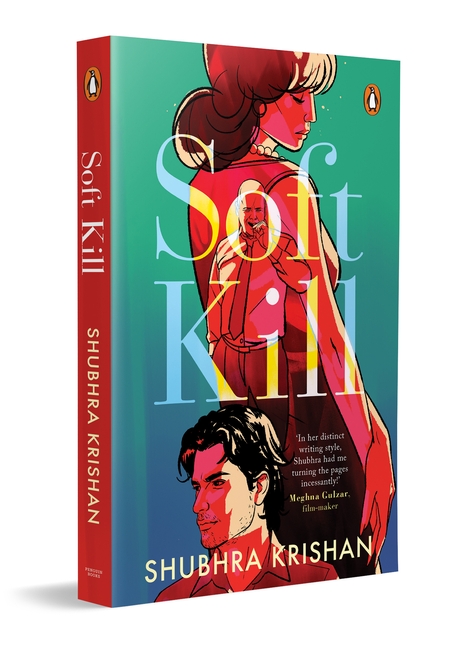
DELHI.
Circa 1990.
Inspector Vijay has never seen a sight so chilling.
A big man lies dead in his bed, stripped of all dignity.
Someone has punished Andy Asthana for his dark deeds.
But who?
His young wife Madhvi, trapped in a marriage of fear?
Her dangerous lover, Rajbir?
His old friend turned secretary, Brij Mishra?
The killer has left no clue. If a perfect murder exists, this is it.
The trail grows cold. The case is closed.
And then, one day…