



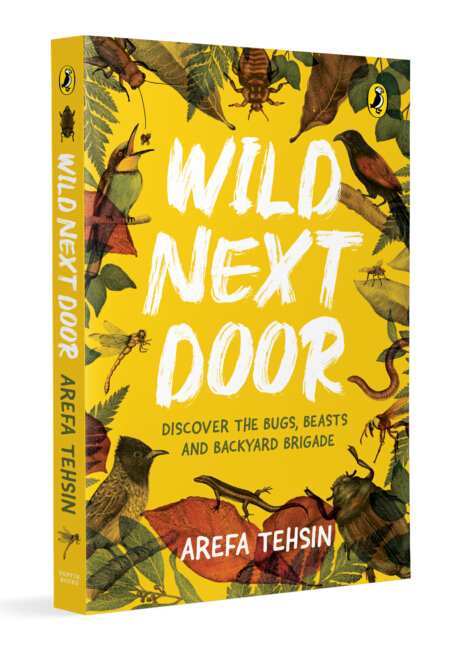
Your backyard is buzzing—meet the wild, weird, wonderful neighbours you never noticed.
Grab your explorer hat and magnifying glass—your home and garden are packed with tiny oddballs and mighty misfits! Meet porch-loving hornets, wall-munching termites, shiny skinks sunbathing, poop-rolling beetles, glowing fireflies, rainbow-coloured guppies and even a fish that seems to know how to walk.
Some of these critters work hard, some are champion nappers, some have long sticky tongues, and some can smell your breath before dropping by for a tiny sip of blood. You’ll also discover earthworms with many hearts, a bird that keeps a ridiculously messy nest and a flatworm that can grow back if it’s cut in half.
Funny, fascinating and full of surprises, this is your ticket to the secret world of creatures living right beside you.
Archives: Books
Earth Tales: Folklore about India’s Nature, Wildlife and Environment | A Unique Collection of Illustrated Folk Stories from Every State of India
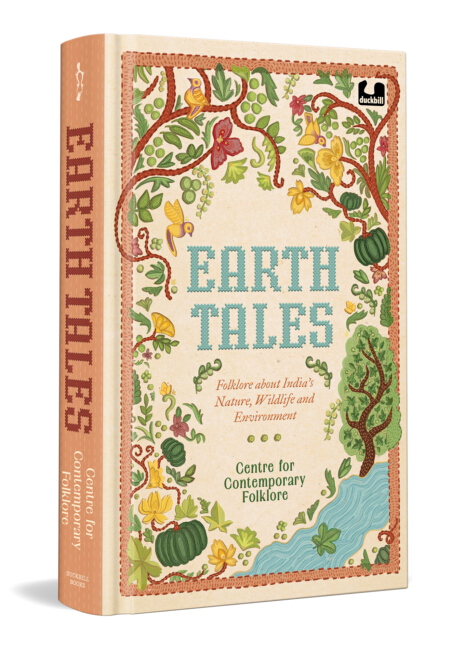
The folk stories of India are often told by people who live close to the land. And in them, the mountains and forests and birds and animals are an integral part of everyday life and as much characters as humans.
In this delightful collection, there are tales from every state and union territory in the country, from the many tribes and communities for whom India is home. All the stories are gorgeously illustrated in traditional art styles derived from areas in which the stories originate. And in reading this book, we not only celebrate the colour and diversity of the country we live in, but also the age-old challenges and bonds that bind us to nature and to one another.
My Little Book of Dashavatara
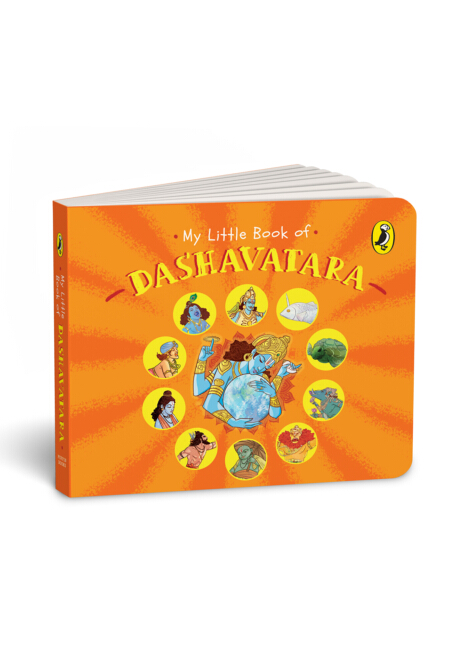
Let’s dive into the vast and wonderful world of Hindu mythology!
Meet Vishnu, the beloved blue deity,
Whose ten brave avataras protect all humanity.
With charming illustrations and simple language, this short tale about the Dashavatara will entertain and delight.
Collect all books in the series!
About the Series:
- AGE APPROPRIATE: Written in simple language to make reading easy for readers 3 and up
- STURDY AND DURABLE: Perfect for learning and interacting with the format
- RELEVANT TOPICS: Important and topical themes that would resonate with kids
- PERFECTLY SIZED BOOKS: Easy, convenient and handy format
- BRIGHT AND FUN PICTURES: To keep your young ones interested and engaged
- A PERFECT GIFT SET: For a holistic learning experience
My Little Book of Onam
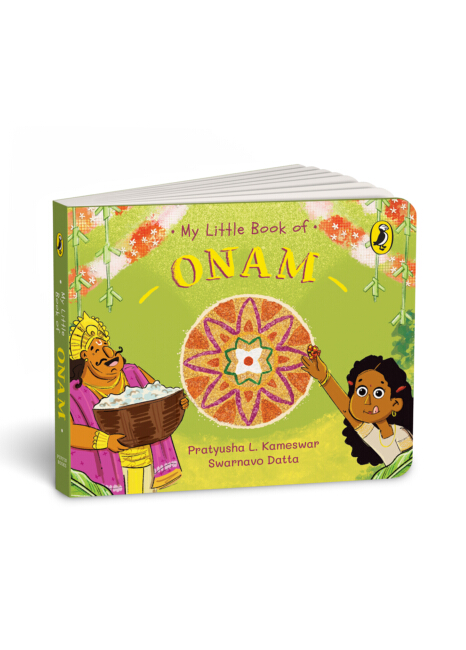
This charming board book explores the customs, traditions and stories behind the vibrant festival of Onam.
Immerse yourself in the traditional dances, boat races, cultural costumes and grand feasts that define the ten-day celebrations of Kerala’s harvest festival. Experience the magic of rituals, community and delicious food, and discover how festivals bring families and friends together.
Collect all books in the series!
About the Series:
- AGE APPROPRIATE: Written in simple language to make reading easy for readers 3 and up
- STURDY AND DURABLE: Perfect for learning and interacting with the format
- RELEVANT TOPICS: Important and topical themes that would resonate with kids
- PERFECTLY SIZED BOOKS: Easy, convenient and handy format
- BRIGHT AND FUN PICTURES: To keep your young ones interested and engaged
- A PERFECT GIFT SET: For a holistic learning experience
The Day I Crossed the Ramganga (Hook Book)
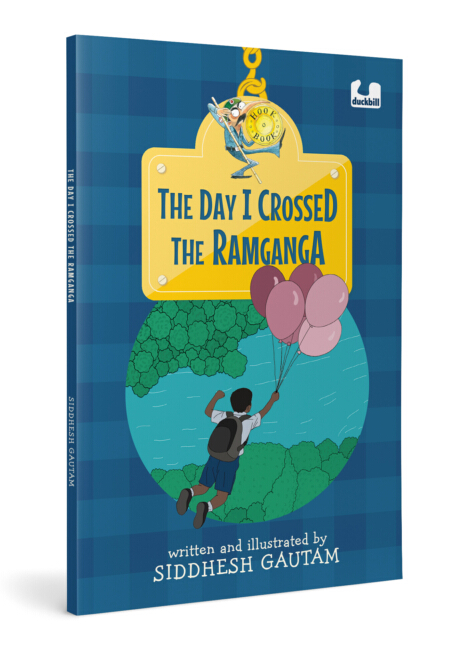
A boy wants to visit his father’s office. But between them lies the mighty Ramganga river. How will he find the courage to cross the river?
Rattu and Poorie’s Adventures in History: Animals in Art | Indian History, Art and Wildlife Stories for Kids | Illustrated Historical Fiction | Ages 7+
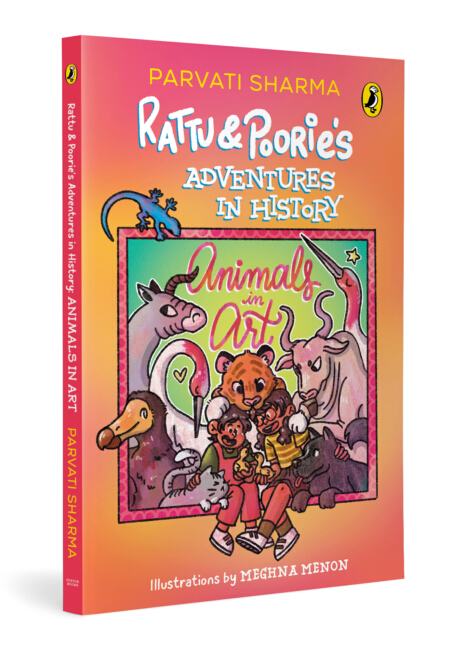
Rattu and Poorie are having perfectly ordinary days: a quiet afternoon at home, a long car ride to the beach, a lazy morning in the park with Papa and Roundy the cat. But ordinary days never stay ordinary for long.
A hunting hound appears to tell the tale of an ancient hero stone. A bull, a unicorn and a tiger step out of the Indus Valley Civilization, carrying secrets from ancient seals. And in a lakeside park, a gloomy dodo and two lovestruck saras cranes arrive from Emperor Jahangir’s royal collection with memories the world must never forget.
So begin Rattu and Poorie’s grand adventures through India’s past, where imperial birds, heroic animals and forgotten creatures bring history to life through stories and art.
My First Sudha Murty Stories (6 in 1 book): A Treasury of Illustrated Stories for Children | Full-Colour Hardback | Ages 5+
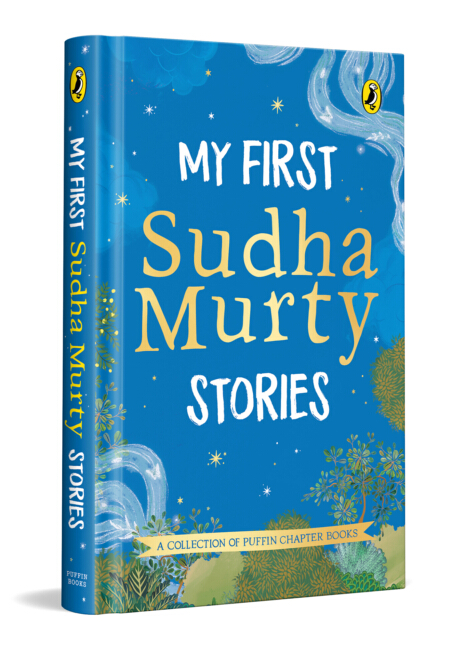
Filled with magical adventures, memorable characters and heartwarming tales, this volume brings together
some of Sudha Murty’s most beloved stories in one delightful collection. Wonder-filled, timeless and full of warmth, this is the perfect companion for young readers discovering the joy of stories and a keepsake
they’ll return to for years to come.
It includes these timeless tales:
How the Sea Became Salty
A long, long time ago, seawater was sweet and drinkable. How it became salty is a remarkable story.
How the Onion Got Its Layers
Have you noticed how the onion has so many layers? And have you seen your mother’s eyes water when she cuts an onion? Here is a remarkable story to tell you why.
How the Earth Got Its Beauty
Have you ever stopped to marvel at the earth’s beauty: at snow-capped mountains and oceans so deep; at colourful flowers and extraordinary animals? The tale of how such beauty came into existence is a curious one indeed.
How the Mango Got Its Magic
We all love the sweetness of mango and how it quenches our thirst on a hot summer day, but have you ever wondered how the mango got its magical sweetness?
How the Bamboo Got Its Bounty
In a lush, green forest, a shy, unassuming tree is presented with a reward by the forest queen. This makes
all the forest inhabitants curious . . .
How to Be Happy with Who You Are
The young Princess of the Sea wants to be like her friends-strong like a mountain, sweet like a river, or full of life and colour like a tree. But with each change, she faces new surprises.
India after Nonalignment
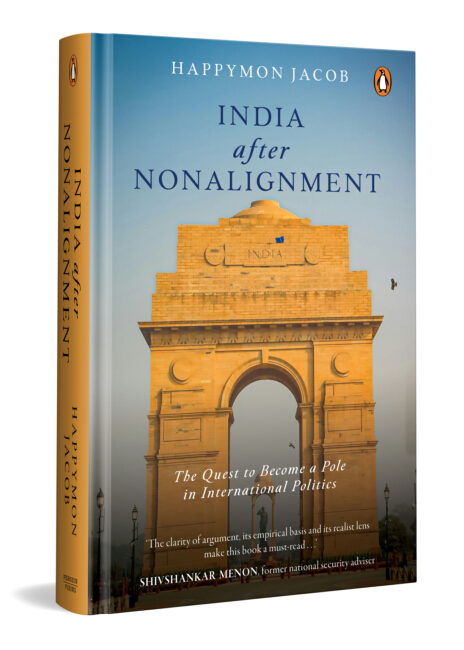
The deep roots of India’s changing role in international affairs
In 1947, India’s adoption of a strategy of nonalignment was primarily seen as a way to preserve the country’s sovereignty and independence amid Cold War rivalry. But what if preservation was actually ambition?
India After Nonalignment traces the history and evolution of India’s foreign policy to uncover a century-old aspiration: the nation’s ambition to become a distinct pole—a centre of power, norms, and geopolitical activity—in a multipolar world. Using a fresh conceptual framework, Jacob examines how India’s old nonalignment policy, ongoing aversion to military alliances, and recent enactment of strategic autonomy have collectively been driven by this deeply rooted desire to become a consequential and unique actor in foreign affairs. He discusses India’s paradigm shift from a reactive posture to a proactive role in shaping international norms and culture, the balance of power, and the future implications of these aspirations for its foreign policy behaviour.
As the country’s growing power and geopolitical significance make its ambitions more explicit, Jacob provides the perspective necessary for scholars, students, and other readers interested in international relations and South Asian studies to better understand how India perceives its journey in the international system.
50 Sentences That Make Life Easier Hindi / 50 Wakya Aasaan Zindagi Ke Liye / 50 वाक्य आसान ज़िंदगी के लिए
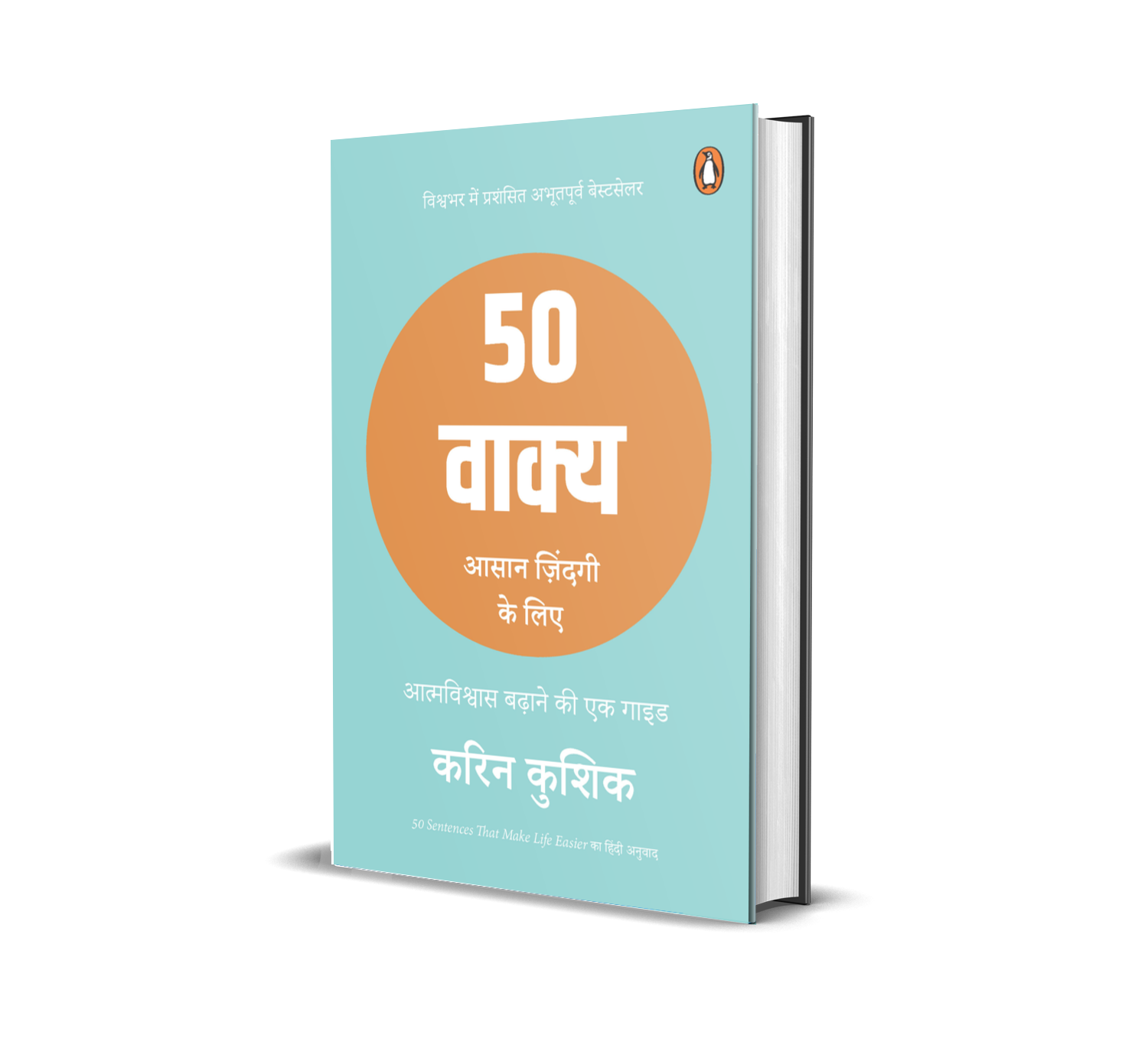
50 वाक्य जो आसान ज़िंदगी के लिए एक प्रेरणादायक पुस्तक है, जो जीवन को सरल, संतुलित और सकारात्मक दृष्टिकोण से देखने की राह दिखाती है। इसमें शामिल 50 वाक्य हमारे दैनिक जीवन की उलझनों में स्पष्टता, शांति और आत्मविश्वास लाने का संदेश देते हैं। हर वाक्य एक छोटा विचार है, जो बड़े बदलाव की शुरुआत कर सकता है। यह किताब उन सभी के लिए है, जो अपनी सोच को नया आकार देकर जीवन को हल्का, सहज और अर्थपूर्ण बनाना चाहते हैं।
Timelines of World War II

Discover the key events in the war that shaped the modern world – moment by moment.
An accessible overview of the moments and milestones of the Second World War, Timelines of World War II offers a fresh angle on the subject, bringing the conflict to life through contemporary photos, documents, maps, and artefacts of importance.
This World War II book offers an accessible and visually engaging overview of the key events of the Second World War. Each page outlines key moments that comprise the timeline from before the war, during and after. Entries also include details of important people, battles, tactics, and technologies.
In this world war book, you can find:
An introduction to the Second World War that explores the key events of the conflict through visual timelines Profile boxes bring to life the people, new technology, and milestone events that altered the course of history. Entries that explore the key events and turning points in all of the main theatres of war.
Essential insights into the experiences of leaders, soldiers, and civilians involved.
Timelines of World War II is a must-have volume for general readers interested in history and military history, politics and history students, whether as a gift or self-purchase and is an ideal book for families, schools and libraries alike!