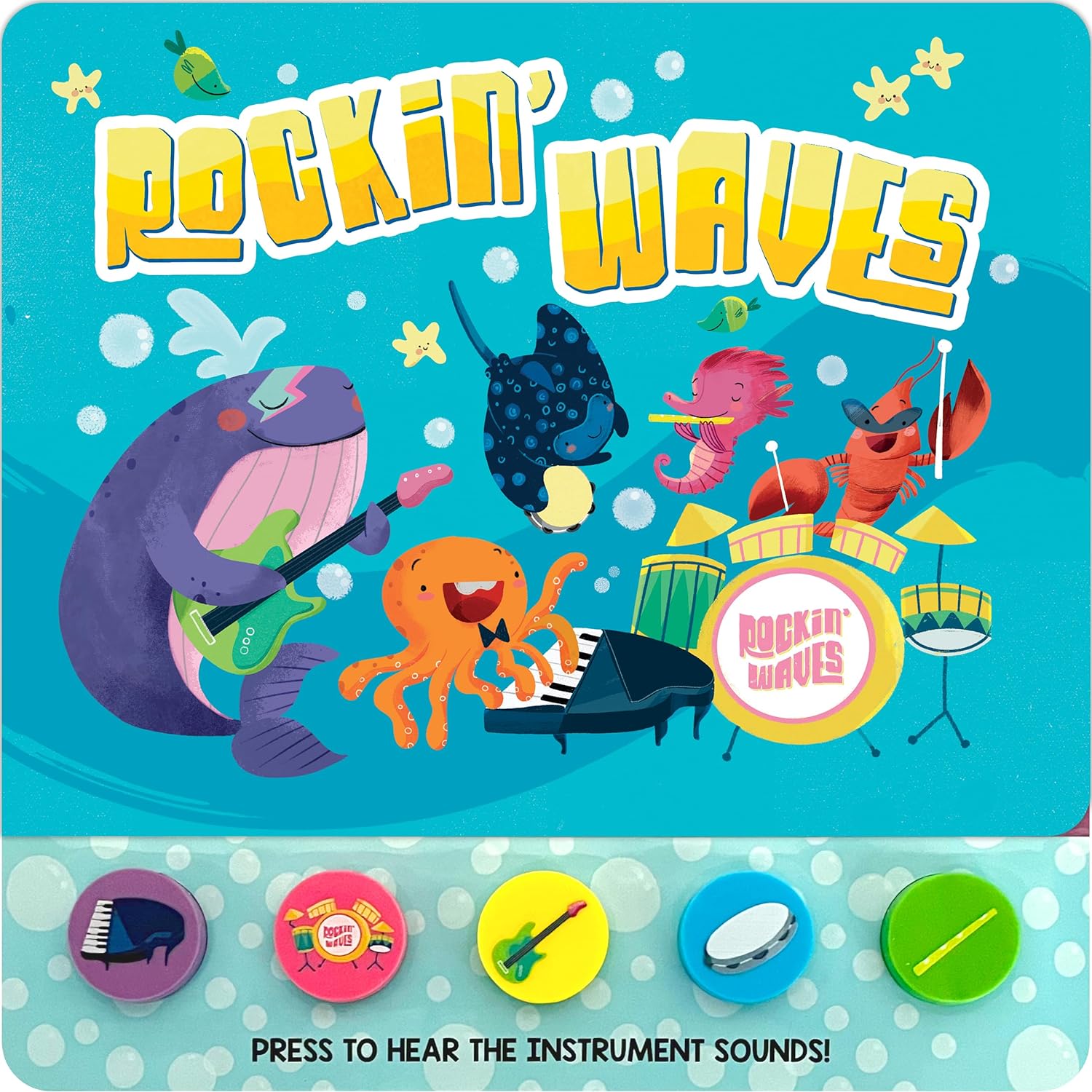
Come dive beneath the ocean waves where the water is crystal clear, and learn about the underwater band. There are many different instruments to choose from that each sea creature can play. Let’s sing along to the beautiful sounds and have a fun-filled musical day. Toddlers will have fun pressing the buttons and playing along with the band.
-Promote sensory stimulation and listen to the sounds of the different musical instruments in this interactive children’s book.
-There’s a prompt on each spread showing the child which button to press to play along.
-Interactive fun will engage young readers.
-Sound buttons show the instrument to play.
-Fun story with short rhyming sentences makes for an easy read.
-Add a new baby book to a child’s library today!
These fun children’s books are perfect for reading anytime or to give as gifts for special occasions such as, birthday gifts, baby shower wishing well gifts or for holidays such as Christmas, Easter or Valentine’s Day. Look out for other touch and feel board books, children’s padded board books, novelty books and more!
Whether you’re looking for well-known tales, tender or funny animal stories, or educational books for toddlers, Little Hippo® Books will become bedtime, or anytime, reading favorites!
-Board Book with silicone sound buttons
-12 pages
-9.25 inches x 9 inches
-Ages Baby to 6

The jungle is wild when these animal friends get together for a fun day of play. Toddlers will have fun pressing the sound buttons and joining the animals as they hiss, squawk, roar, and more.-Promote sensory stimulation and listen to the sounds of the different jungle animals in this interactive children’s book.-Various touch and feel materials are included on the cover and each spread..-Interactive fun will engage young readers.-Sound buttons show the instrument to play.-Fun story with short rhyming sentences makes for an easy read.-Add a new baby book to a child’s library today!These fun children’s books are perfect for reading anytime or to give as gifts for special occasions such as, birthday gifts, baby shower wishing well gifts or for holidays such as Christmas, Easter or Valentine’s Day. Look out for other touch and feel board books, children’s padded board books, novelty books and more!Whether you’re looking for well-known tales, tender or funny animal stories, or educational books for toddlers, Little Hippo® Books will become bedtime, or anytime, reading favorites!-Board Book with touch and feel and sound buttons-10 pages-9.25 inches x 7.75 inches-Ages Baby to 6

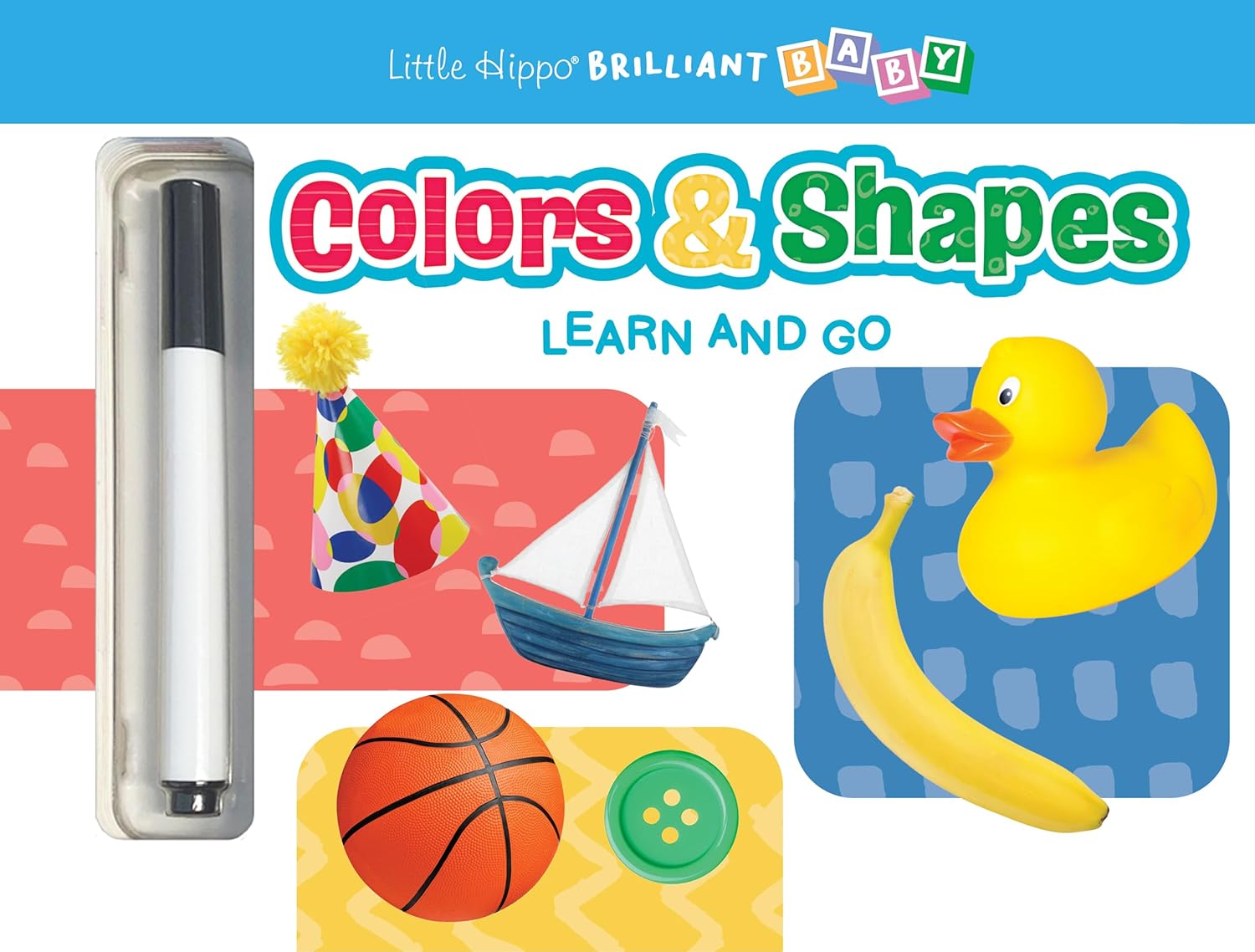
Explore colors and shapes as you learn and go! Little ones will learn colors and shapes in this fun wipe clean book. Circle the green lizard, find the yellow ducky, learn how to draw a square, a circle, and more. Then, wipe clean and start again!
🟢 Educational book with a wipe clean surface.
🟨 Wipe clean activity book featuring different colors and shapes to circle, spell, and draw.
🏈 Features real photography for easy recognition.
✍️ Encourages early reading and writing skills.
🖊️ Pen is included.
📘 Add a new baby book to a child’s library today!
These sweet children’s books are perfect for reading at bedtime or anytime or to give as gifts for a new baby and other special occasions such as, birthday gifts, baby shower wishing well gifts or for holidays such as Christmas, Easter or Valentine’s Day.
Whether you’re looking for well-known tales, tender or funny animal stories, or educational books for toddlers, Little Hippo® padded board books will become bedtime, or anytime, reading favorites!
-Board Book with Wipe Clean Surface
-26 Pages
-8.25 inches x 6.25 inches
-Ages 3 to 6
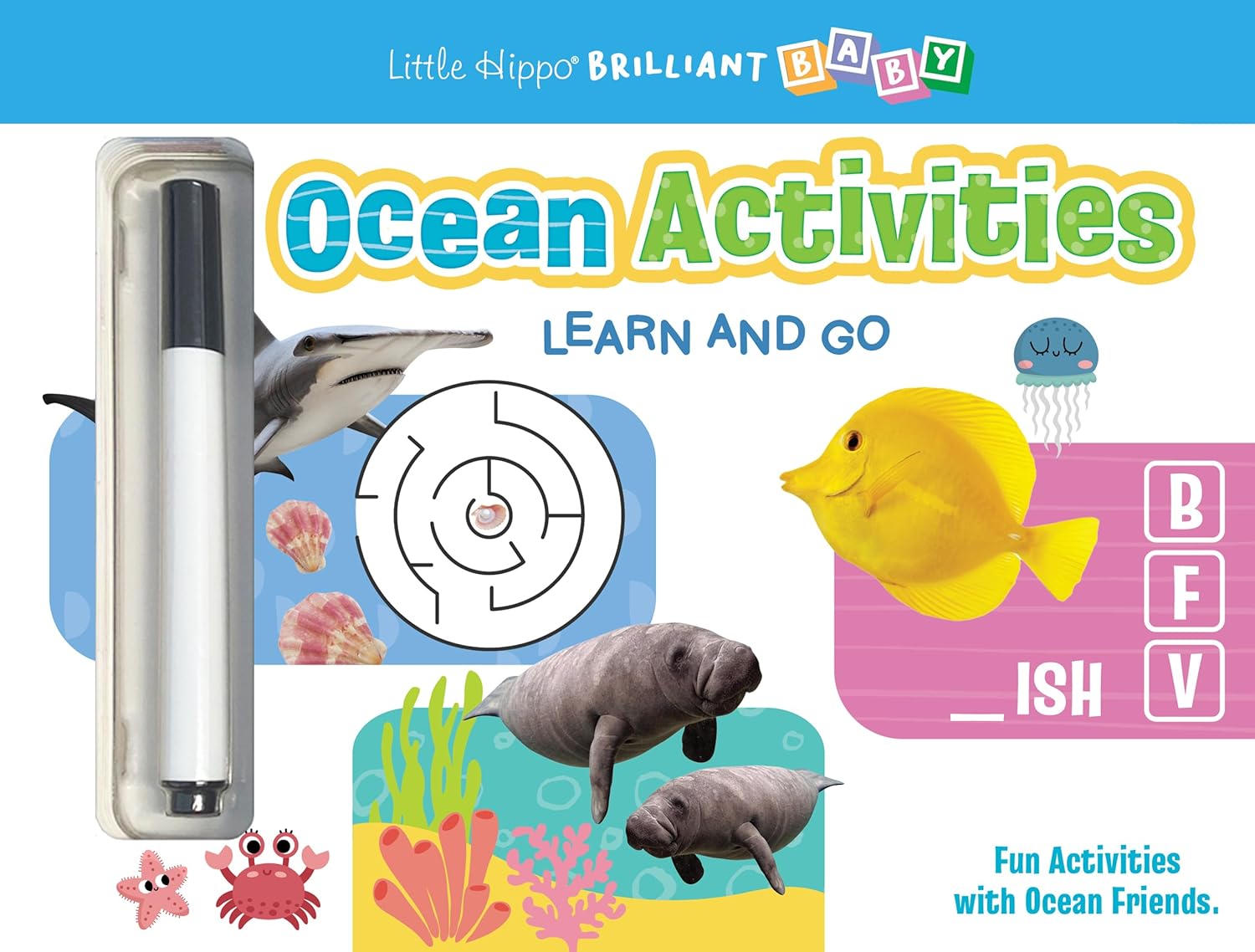
Explore the ocean as you learn and go on an ocean activities adventure! Little ones will practice counting and solving visual puzzles, then wipe clean and start again!
🦈 Fun ocean-themed book with a wipe clean surface.
📚 Wipe clean activity book featuring word puzzles, seek and find, spot the differences, and more.
🐙 Features real photography for easy recognition.
✍️ Encourages problem solving and early reading skills.
🖊️ Pen is included.
📘 Add a new baby book to a child’s library today!
These sweet children’s books are perfect for reading at bedtime or anytime or to give as gifts for a new baby and other special occasions such as, birthday gifts, baby shower wishing well gifts or for holidays such as Christmas, Easter or Valentine’s Day.
Whether you’re looking for well-known tales, tender or funny animal stories, or educational books for toddlers, Little Hippo® padded board books will become bedtime, or anytime, reading favorites!
-Board Book with Wipe Clean Surface
-26 Pages
-8.25 inches x 6.25 inches
-Ages 3 to 6

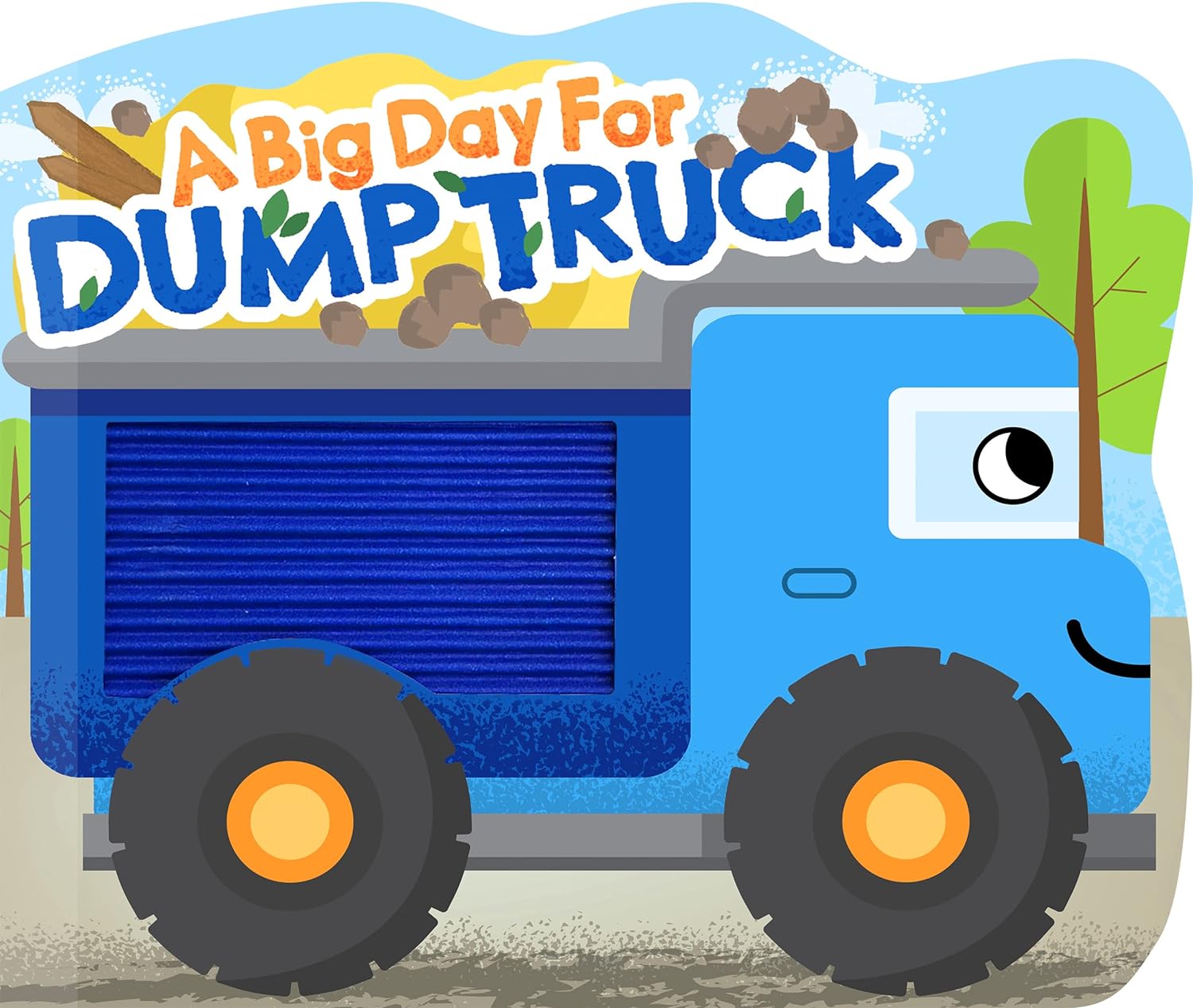
Come join the dump truck on the job and see all the things it can do! Kids touch-and-feel their way to learning all about a day in the life of this helpful vehicle. Rhyming text and fun illustrations are complemented by various touch and feel elements, allowing children to stimulate their sense of touch. And, the sturdy board book is shaped, making it fun for children to pretend to drive the dump truck after they’re done reading.
-Learn about the different jobs a dump truck performs while helping to build a neighborhood playground.
-Features different touch-and-feel elements on the cover and each spread.
-Colorful, original illustrations are included in this toddler book.
-Interactive fun and tactile learning in this children’s book will engage young readers.
-Short rhyming sentences make for a fun read.
-Toddlers will enjoy the different touch and feel elements.
-Add a new baby book to a child’s library today!
These fun children’s books are perfect for reading anytime or to give as gifts for special occasions such as, birthday gifts, baby shower wishing well gifts or for holidays such as Christmas, Easter or Valentine’s Day. Look out for other touch and feel board books, children’s padded board books, novelty books and more!
Whether you’re looking for well-known tales, tender or funny animal stories, or educational books for toddlers, Little Hippo® Books will become bedtime, or anytime, reading favorites!
-Shaped Board Book with Touch and Feel Elements
-12 pages
-7.0 inches x 6.0 inches
-Ages Baby to 6
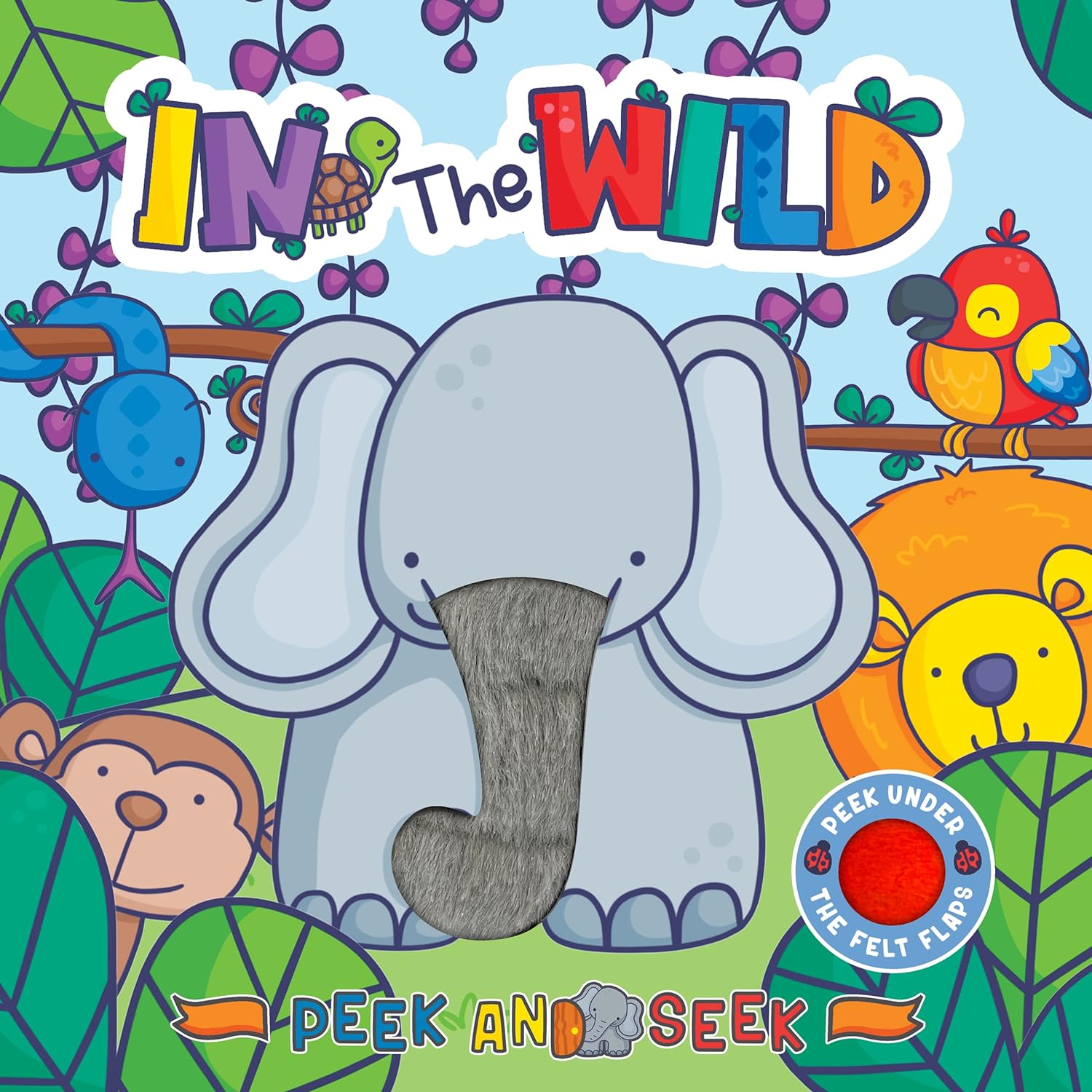
Deep in the jungle, Elephant is exploring all the sounds around him, and he is bringing us along for the ride. A delight for the senses, this interactive lift-the-flap storybook will entertain children as they read along and search behind the felt flaps to see which wild animal is making all that noise.
-Bright, colorful, original illustrations of popular wild animals, such as an elephant, a monkey, snake, lion, and more are included in this board book.
-Learn the different sounds the animals make.
-There’s a touch-and-feel element on the front cover and large felt flaps are attached to the pages for sensory stimulation.
-Interactive fun and tactile learning in this children’s book will engage young readers.
-Toddlers will enjoy stimulating their sense of touch with the attached felt flaps.
-Add a new baby book to a child’s library today!
These fun children’s books are perfect for reading anytime or to give as gifts for special occasions such as, birthday gifts, baby shower wishing well gifts or for holidays such as Christmas, Easter or Valentine’s Day. Look out for other touch and feel board books, children’s padded board books, novelty books and more!
Whether you’re looking for well-known tales, tender or funny animal stories, or educational books for toddlers, Little Hippo® Books will become bedtime, or anytime, reading favorites!
-Board Book with felt flaps
-10 pages
-7.25 inches x 7.25 inches
-Ages Baby to 6

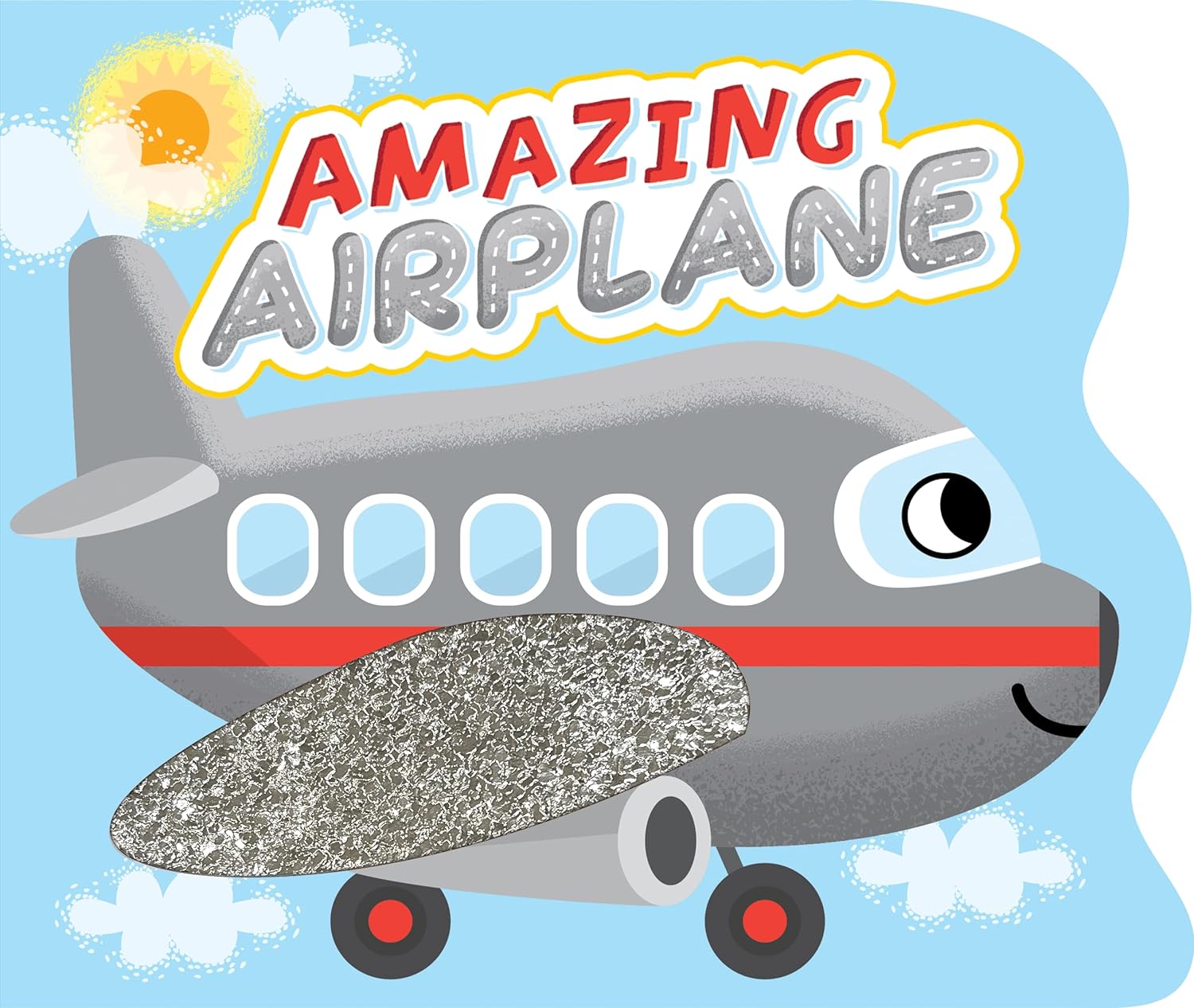
Follow the day in the life of an amazing, high-flying airplane. Children can meet and greet the passengers and crew as they travel from one destination to the next. Children will enjoy learning about planes while exploring various sensory touch-and-feel elements.
-Read along and see what happens while traveling the friendly skies.
-Features different touch-and-feel elements on the cover and each spread.
-Colorful, original illustrations are included in this toddler book.
-Interactive fun and tactile learning in this children’s book will engage young readers.
-Short rhyming sentences make for a fun read.
-Fun shaped board book is easy to take on the go for toddlers to read and play.
-Add a new baby book to a child’s holiday library today!
These fun children’s books are perfect for reading anytime or to give as gifts for special occasions such as, birthday gifts, baby shower wishing well gifts or for holidays such as Christmas, Easter or Valentine’s Day. Look out for other touch and feel board books, children’s padded board books, novelty books and more!
Whether you’re looking for well-known tales, tender or funny animal stories, or educational books for toddlers, Little Hippo® Books will become bedtime, or anytime, reading favorites!
-Shaped Board Book with Touch-and-Feel Elements
-12 pages
-7.0 inches x 6.0 inches
-Ages Baby to 6

What happens when fate keeps bringing two people together, again and again?
Dhruv meets Avni in college and falls head over heels in love with her. But he never musters the courage to confess his love fearing that she would reject him. They graduate from college and go their separate ways.
Four years later, Dhruv is in Goa with his family on vacation. As luck would have it, Avni is in the same hotel as Dhruv. Will Dhruv tell her how he feels, all these years later? And will Avni reciprocate his love or has she already found her perfect someone?
Based on a true story, The Right Guy is a heartwarming story about finding the courage to express love, knowing the other person may not feel the same way. It’s about taking chances and maybe, just maybe, finding the right guy along the way.

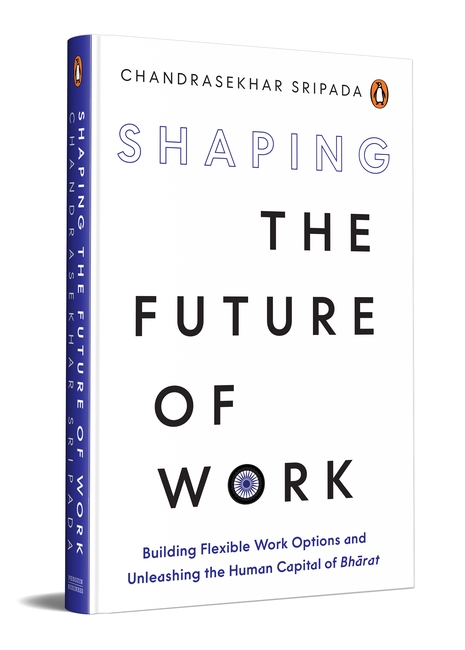
The future of work will largely be shaped by demographics and technology. Essentially, how we work determines who gets to work. The more flexibility that exists, both in timing and workspaces, the more people can join the workforce. In this regard, policymakers, employers and industry bodies need to come together and create a new ecosystem to foster tech-enabled work models across the country.
This book not only addresses the challenges of building an inclusive human capital framework for India but also highlights some unconventional ideas around work and models of employment which can create this much-needed inclusion. It is imperative that we adapt and shape the future of work possibilities around flexibility. By doing so, we can considerably address India’s jobs and employment challenges.