




Thread By Thread is a personal look into the journey of Shambhu Kumar, who started from scratch to build one of India’s most successful textile empires. The book traces his growth from being a trader to an industrialist, hitting milestones upon milestones on his way to the top, and reveals the business mantra that lies behind his phenomenal success. A tribute to S.Kumars’ founder in the brand’s seventy-fifth year, the book is based on interviews with family, friends, colleagues and employees.
Archives: Books
Anarchy Or Chaos
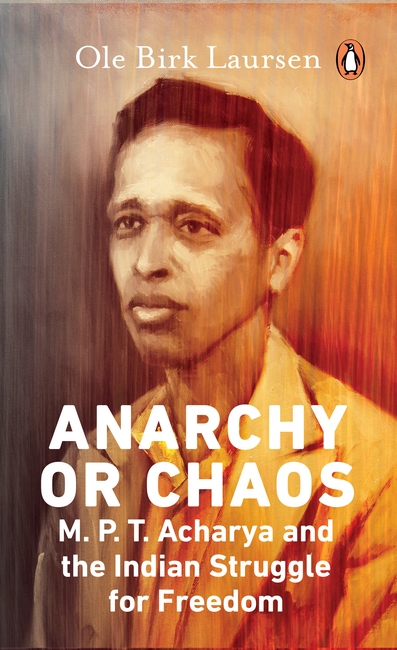
In this fascinating biography of the Indian revolutionary M. P. T. Acharya (1887–1954), Ole Birk Laursen uncovers the remarkable transnational networks, movements and activities of India’s most important anticolonial anarchist in the twentieth century.
Driven by the urge for complete freedom from colonialism, authoritarianism, fascism and militarism, which are rooted in the idea and politics of the nation-state, Acharya fought for an international vision of socialism and freedom. During the tumultuous opening decades of the 1900s—marked by the globalization of radical inter-revolutionary struggles, world wars, the rise of communism and fascism, and the growth of colonial independence movements—Acharya allied himself with pacifists, anarchists, radical socialists and anti-colonial fighters in exile, championing a future free from any form of oppression, whether by colonial rulers or native masters. Drawing on a wealth of archival material, private correspondence and other primary sources, Laursen demonstrates that, among his contemporaries, Acharya’s turn to anarchism was unique and pioneering in the struggle for Indian independence.
Anarchy or Chaos is the first comprehensive study of M. P. T. Acharya. It offers a new understanding of the global and entangled history of anarchism and anti-colonialism in the first half of the twentieth century.
Doing Business in Uncertain Times
In the event of a crisis, everyone looks to the leaders for direction. Ramesh Nair is a veteran of steering organizations through the ebbs and flows of economic upheaval including the daunting onslaught of Covid-19 and earlier the debilitating 2008 economic downturn.
Doing Business in Uncertain Times is a groundbreaking book which offers a comprehensive exploration of the complexities and challenges faced during economic downturns. It is divided into fifty thought-provoking chapters that present a unique and multifaceted perspective on downturns, providing instrumental guidance to entrepreneurs and business leaders through Nair’s extensive research and expertise. Shining a spotlight on three key perspectives: business, clients and people, it will teach you to unlearn and relearn, shun past notions, push limits, develop new strengths and realize the potential that lies within you.
The Girl Who Kept Falling in Love

The very fact of being loved seems to be proof of Kaya’s worth, her purpose. But at age forty, her past stretches out behind her in a long string of loves lost and she is weary of being broken-hearted. Desperately seeking purpose elsewhere, Kaya finds it in the world of activism, where she becomes greatly invested in resisting the growing fascist and Islamophobic forces of present-day India. However, she is rudely reminded that much of the middle-class social activism she is part of is fuelled by a collective saviour complex. A high-caste Hindu with a US passport, Kaya is no exception. Still, the marginal danger and the instability are addictive, and the sense of righteousness is quite validating.
When Kaya meets and falls deeply in love with a fellow activist from the very religious community the country is actively trying to erase, her twin purposes are miraculously aligned in an intoxicating combination that she becomes immediately fearful of losing. In the midst of spirited protests and rising violence, Kaya bears witness to vast human suffering while experiencing profound joy. It is time to make a choice. Kaya knows if she chooses love this time, she will betray everything she has claimed to believe in. If she is willing to do that, can Kaya truly be loved by the person she most desires?
Told through the lens of urban myths, accounts of past lovers, bared confessions and half-truths that make up Kaya’s world, The Girl Who Kept Falling in Love dives deep into the futilities of being attached to global aspiration and fighting institutionalized hate while chasing a universal need for love and acceptance.
Divorce is Normal

A divorce rate of around 1 per cent is often boasted about with pride in this country, without much critical thought spared for what it actually means. When Shasvathi Siva decided to end her marriage, she realized exactly how difficult getting a divorce was in our society and legal system. Since then, she has been working towards ensuring that others have it easier, and this book is an endeavour to share her learnings with great empathy and sagacity. Divorce Is Normal is an invaluable companion for anyone contemplating separation and divorce, and a necessary reminder for everyone else that divorce is normal. Through her story, Siva brings to readers fresh insights on unhappy marriages and divorce in the Indian context, helping expand perspectives so that people can overcome societal stigma and accept a brighter, happier future. Filled with practical tips, comforting stories and endless compassion shaped by a lived experience, this book acts like a warm hug and a stern friend all at once.
Common Yet Uncommon
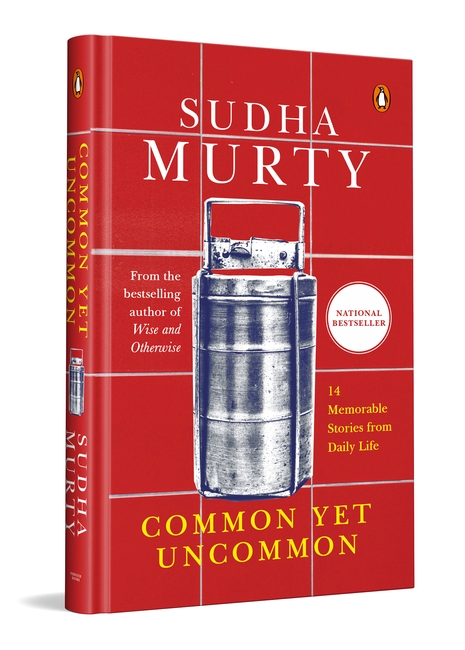
Meet these people: Bundle Bindu, so named because he likes his truth with a little embellishment, Jayant the shopkeeper who doesn’t make any profit, and Lunchbox Nalini, Sudha Murty herself, who brings her empty lunchbox-to be filled with food-wherever she goes!
Written in Sudha Murty’s inimitable style, Common Yet Uncommon is a heartwarming picture of everyday life and the foibles and quirks of ordinary people. In the fourteen tales that make up the collection, Sudha Murty delves into memories of childhood, life in her hometown and the people she’s crossed paths with. These and the other characters who populate the pages of this book do not possess wealth or fame. They are unpolished and outspoken, transparent and magnanimous.
Their stories are tales of unvarnished humans, with faults and big hearts.
Testament to the unique parlance of a small town, Common Yet Uncommon speaks a universal language of what it means to be human.
Sunderkand (Illustration)/सुन्दरकाण्ड (Gift Edition)
सुंदरकाण्ड गोस्वामी तुलसीदास कृत श्रीरामचरित मानस का सबसे अधिक लोकप्रिय खण्ड है।
सुंदरकाण्ड में हनुमान जी द्वारा किए गए महान कार्यों का वर्णन है। रामायण पाठ में सुंदरकाण्ड के पाठ का विशेष महत्व माना जाता है। सुंदरकाण्ड में हनुमान का लंका प्रस्थान, लंका दहन से लंका से वापसी तक के घटनाक्रम आते हैं। इस सोपान के मुख्य घटनाक्रम है—हनुमान जी का लंका की ओर प्रस्थान, विभीषण से भेंट, सीता से भेंट करके उन्हें श्री राम की मुद्रिका देना, अक्षय कुमार का वध, लंका दहन और लंका से वापसी। इसी के साथ इस पुस्तक में हनुमान चालीसा, आरतियाँ और बहुत कुछ देखने को मिलेगा।
A House of Rain and Snow
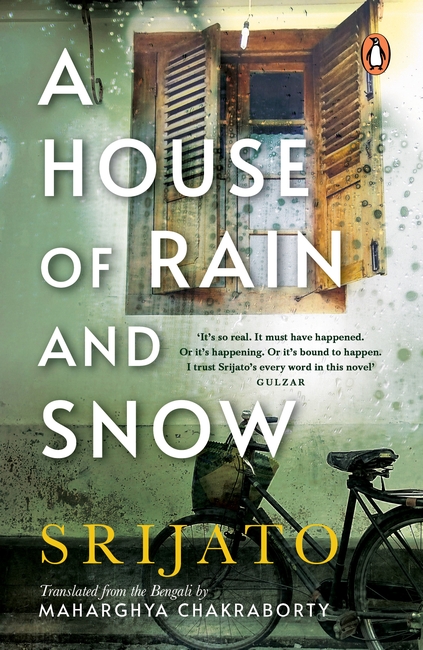
It’s so real. It must have happened. Or it’s happening. Or, it’s bound to happen. I trust Srijato’s every word in this novel–Gulzar
Pushkar, an offspring of the most incredible of times, has next to nothing to call his own. Except for a seasoned but out-of-work and disheartened father, and a defiant, uncompromising mother with a truly astounding gift for music. It is only in the gradually widening chasm between his parents that he discovers his world of poems, which he desperately tries to hide from everyone.
Everyone else except Saheli that is, only she gets to read his poems. Saheli, his schoolfriend who he is in love with. Abhijit, another friend from school, is unwilling to leave it all up to fate and insists on dragging Pushkar to meet Nirban and their independent publishing house—at least to ensure that Pushkar’s poems manage to see the light of day.
In this entirely strange, magical and leisurely course of life swirling all around Pushkar, there is but one entity with whom he shares all his secrets. A milkwood tree, a chatim is privy to everything in his life. And so time moves on, leading him to eventually confront a truly secret equation of life—the change made possible by the transformative power of love.
A House of Rain and Snow is a testament to an era, a witness to an astounding journey of a young poet.
Whisper in the Wind
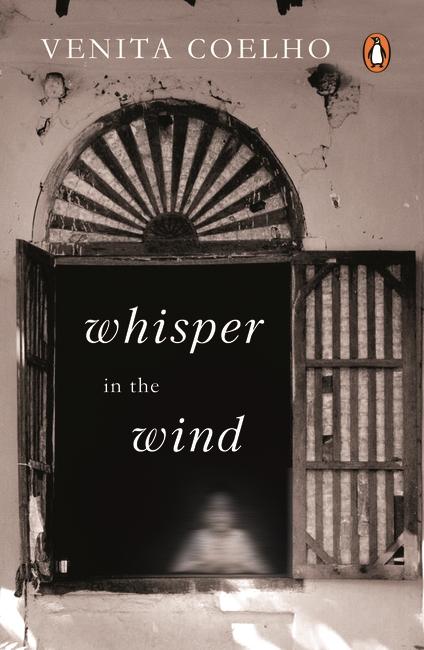
‘All the stories in the world are whispered in the wind. Listen! And the wind will blow one into your head.’
These words, whispered by a madman, haunt Jamshed Fali Irani. The young heir to a business empire in Bombay, he is in Goa to try and pursue his dream of being a writer. Locked away in a crumbling, decrepit mansion, struggling to write as the monsoon rains down, the wind brings to him the cries of a little girl wandering the ruins nearby. Alice is trying to find her sister, Sara, who went missing years ago.
Jamshed makes a reluctant promise to help her and finds himself drawn into a story that is darker and more intriguing than any he could have imagined. With his new friend, Tania, to whom he is increasingly drawn, Jamshed attempts to unravel the mystery behind Sara’s disappearance.
Jamshed’s search leads him into a tangled tale of loyalty and deceit, at the heart of which lies murder. He has to find his way through a bewildering maze of contradictions as he tries to thread together answers to a mystery that involves a girl with the voice of an angel, a violin that plays the sorrows of the heart, and the bond between two friends who swear that not even death will do them part.
In this vividly written Gothic novel, alive with the sights and smells of pre-Independence Goa, Venita Coelho tells a captivating, suspenseful, sweeping tale like no other.
Puffin Mahabharat (Hindi)/Mahabharat/महाभारत
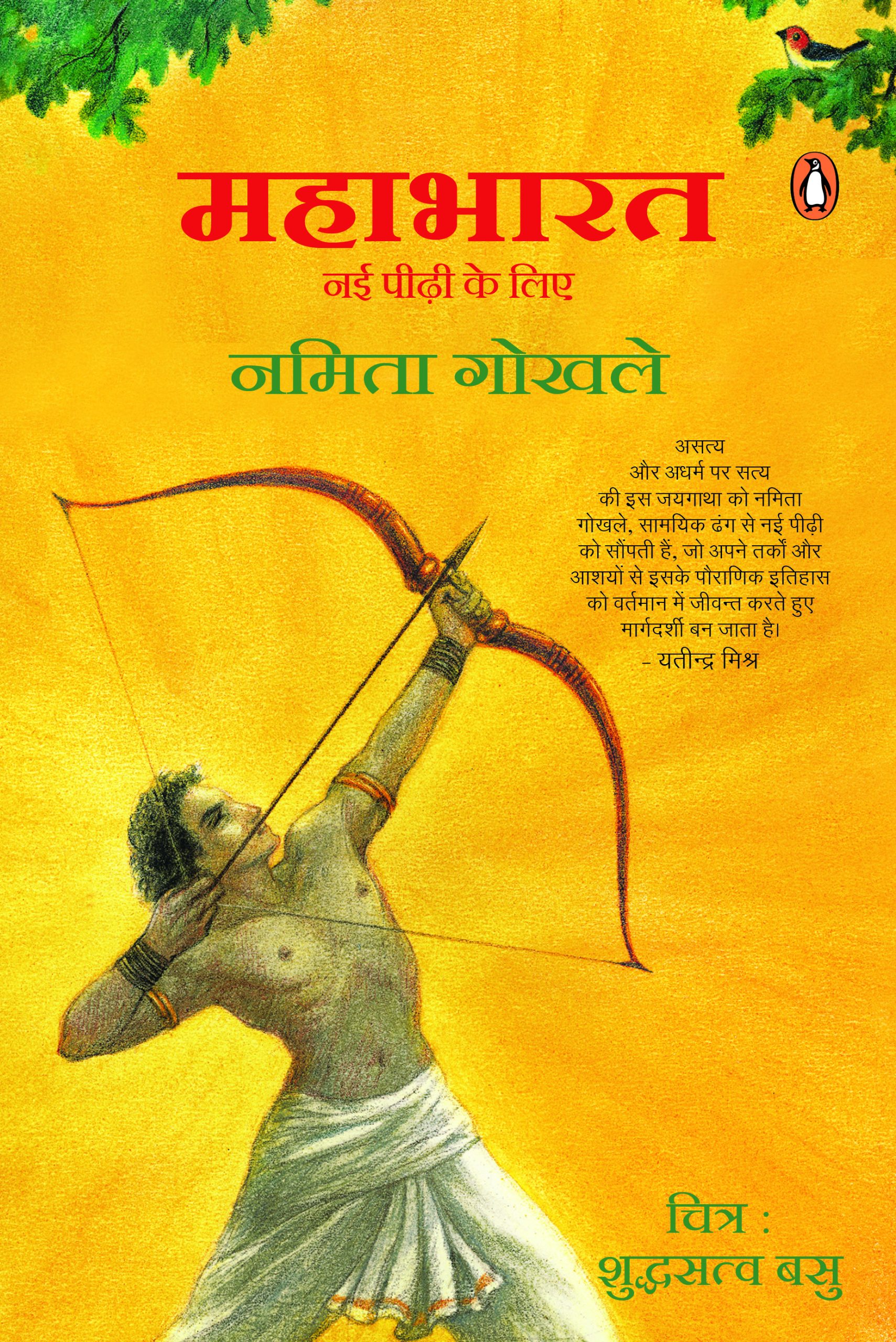
‘प्राचीन भारत भूमि को भारतवर्ष के नाम से जाना जाता था। उस समय दो परिवारों के बीच एक झगड़ा शुरू हुआ, जो धीरे-धीरे रक्तपात में बदल गया। कुरु वंश के चचेरे भाइयों के बीच लड़ा गया यह भयानक युद्ध अब भारत की पौराणिक कथाओं और इतिहास का हिस्सा बन चुका है। तब से लाखों बार बताई और दोहराई गई महाभारत की यह कथा हार और जीत के बारे में तो है ही, साथ ही विनयशीलता और साहस के बारे में भी है। यह अब तक सुनाई गई सबसे महान गाथा है।’
नमिता गोखले भारत के सबसे समृद्ध साहित्यिक खज़ाने में से मनुष्यों और देवताओं की इस कालातीत कहानी को नई पीढ़ी के लिए साफ-सुथरे ढंग से फिर सुनाकर उसमें छिपी वीरता, छल, महिमा और निराशा की कहानियाँ सामने लाती हैं। चित्रकार और एनिमेटर शुद्धसत्व बसु की बनाई विचारशील चित्रों की शानदार कड़ी मनोहारी दृश्यों के ज़रिए इस महाकाव्य को साकार करती है। अपनी सामग्री और प्रस्तुति में बेजोड़, महाभारत – नई पीढ़ी के लिए हर पाठक को पसन्द आएगी।