



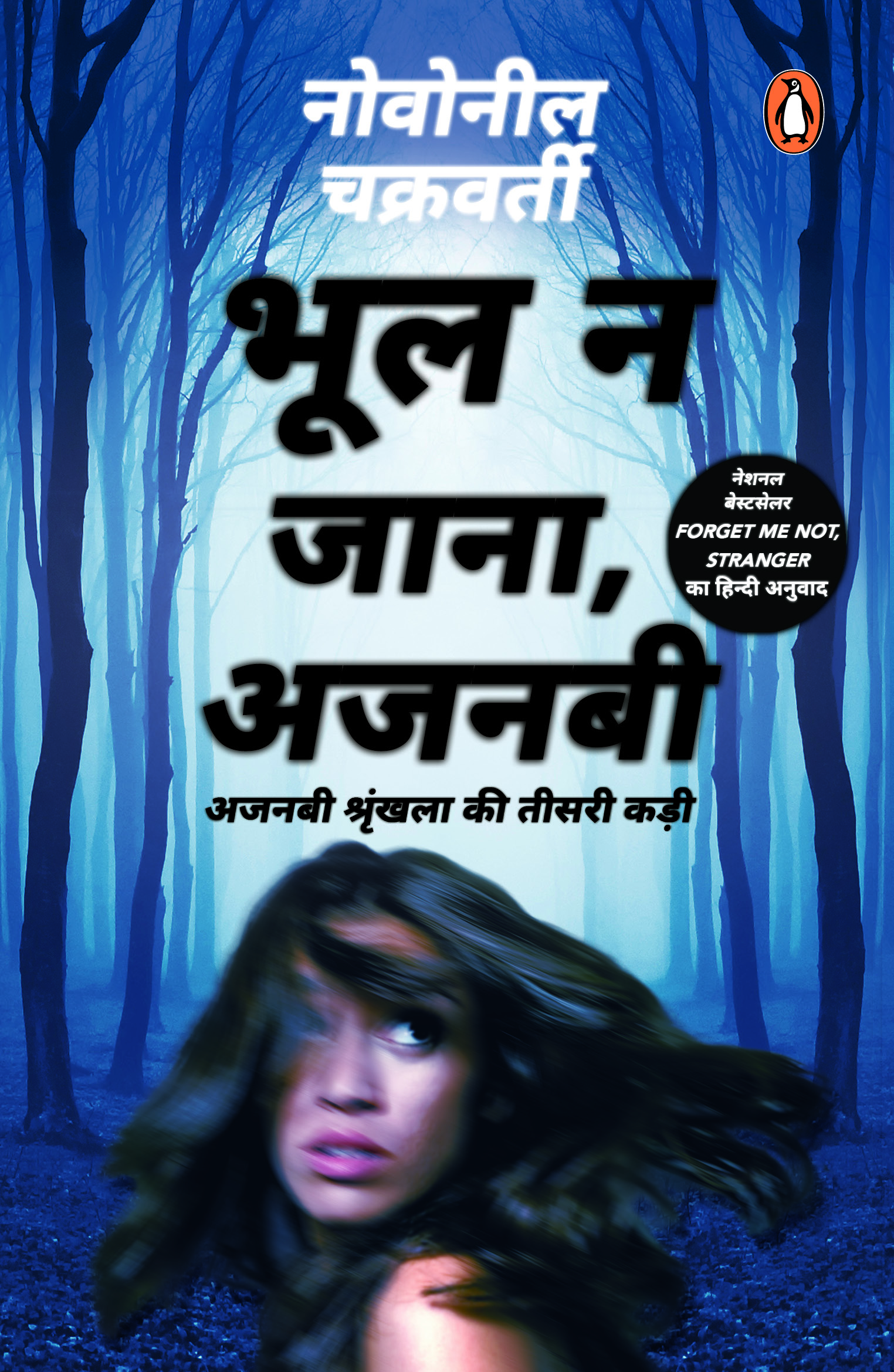
मैं रिवाना बनर्जी, मुंबई हूँ। आपमें से कुछ लोग पहले से ही जानते होंगे कि मेरा जीवन किस तरह से रेज़र एज पर है। आपमें से जो नहीं जानते हैं, बस यह जान लें : हो सकता है कि मैं जल्द ही मारी जाऊॅं. . . अजनबी द्वारा। मुझे नहीं पता कि वह कौन है या क्या है : एक भूत, एक व्यक्ति या मेरी कल्पना की उपज? मुझे सिर्फ इतना पता है कि वह सिर्फ एक चीज़ नहीं है : वह सेक्सी है, भयानक और डरावना है।
मुझे समझ में नहीं आता है कि मेरे जैसी युवती, किसी का भी बुरा न चाहने वाली लड़की, जो एक बड़े शहर में काम करती है, अपने माता-पिता से दूर रहती है और एक असफल प्रेम से पीड़ित है, उसके लिए कोई दिलचस्पी क्यों लेगा! जब तक उसके बारे में कुछ ख़ास न हो।
मेरी अपनी कहानी, जो मैं ही नहीं जानती. . .
Archives: Books
Fugitive of Empire
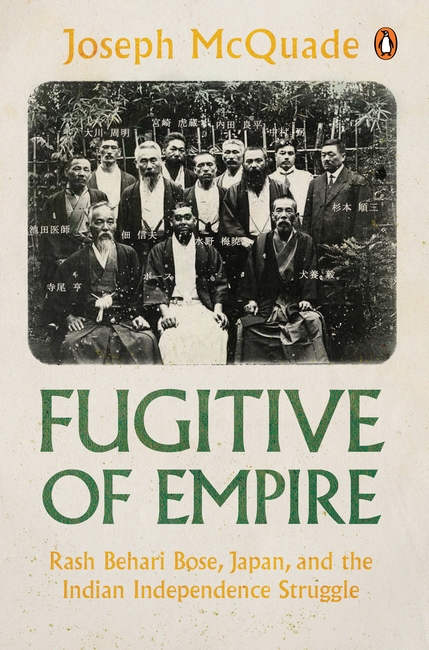
In 1912, Rash Behari Bose made his dramatic entrance into India’s anti-colonial freedom movement when he orchestrated a bomb attack against the British viceroy during a public procession in Delhi. Forced to
flee his homeland, Bose settled in Japan, becoming the most influential Indian in Tokyo and earning the affectionate title ‘Sensei’ among Japanese youth, military personnel, and far-right ultranationalists.
Throughout the 1920s and 1930s, Bose remained a perpetual thorn in the side of the British Empire as he built
and maintained a global network of anti-colonialists, radicals, smugglers, and intellectuals. After siding with Imperial Japan against his British adversaries during the Second World War, Bose died in 1945-just two years before India gained independence.
A complex, controversial, and often contradictory figure, Bose has been described as a committed democrat, an authoritarian, an advocate of religious harmony, a Hindu chauvinist, an anti-communist, a political pragmatist, an idealist, a Japanese collaborator, an anti-racist, a cultural conservative, a
Pan-Asianist, an Indian nationalist, and much more. Drawing on extensive archival research
from India, Japan, and the UK, this refreshing new biography brings to life the largely forgotten story of one of twentieth-century Asia’s most daring revolutionaries.
The Art of Habits
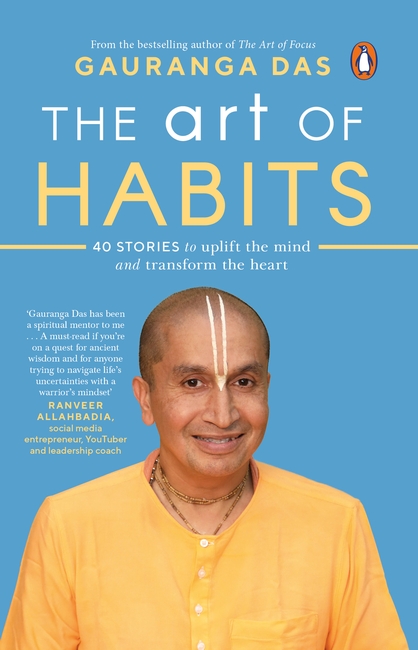
Such has been the transformative effect of the Covid-19 pandemic globally that, today, we have begun to describe events in the world as pre-Covid and post-Covid. As we brace ourselves for life in the new world order, cultivating conducive and sustainable habits has become more important than ever before.
As the final book in the three-volume series (after The Art of Resilience and The Art of Focus), The Art of Habits presents forty simple stories filled with deep revelations. What will enthral the readers is the engaging narration, the dynamics of the situations that manifest and the deep learnings from such episodes.
While The Art of Resilience presented ingredients for the reader to inculcate resilience in challenging situations manifested at the beginning of the pandemic, The Art of Focus inspired the resilient heart to develop a focused mind during the multiple Covid waves. Now, The Art of Habits provides ideas for the focused reader to cultivate conducive and sustainable habits to adapt with the paradigm shift created by the pandemic, instilling in the reader a resolute mindset to handle multiple such unexpected transformative events in the future.
Biji’s in the Kitchen! (Hook Book): A funny, illustrated story about a Punjabi grandmother who cannot cook | Perfect for 5+ years
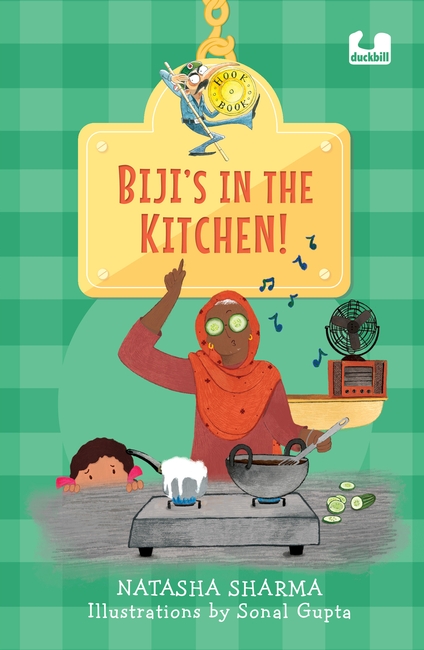
Slimy bhindi curry, anyone? Biji is freestyle and fun. But when she is in the kitchen, everyone, beware!
About the Hook Book Series
In a world where children’s books often feel cut from the same cloth, Hook Books stand out as a vibrant blend of imagination, humour, and heart. Crafted as a bridge between picture books and early chapter books, this series delivers stories that spark joy and wonder, while remaining rooted in age-appropriate learning.
Hook Books keep the fun going with:
- Short, digestible bits of text (perfect for budding readers)
- Bright colour illustrations that pull kids into the story
- Themes that speak to the everyday lives of children—plus a sprinkle of whimsy!
From fantasy tales to those that touch on more advanced ideas, Hook Books ensure that young readers are always in for a treat, no matter their reading level. Even better, these books take children on journeys through different parts of India, giving them a taste of the rich diversity of our world through local flavours, landscapes, and cultures. Whether the story takes place in bustling cities or quiet villages, Hook Books make every setting feel like home.
The Big Bad Fight (Hook Book): A fun, illustrated story about two best friends who have a fight | Perfect for 5+ years
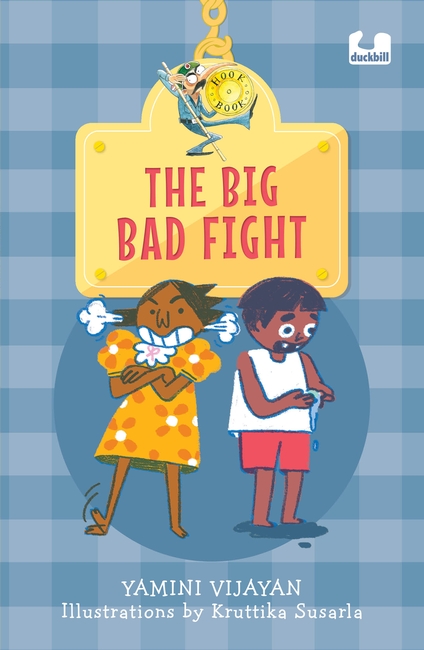
Best friends Anna and Kichu are collectors of incredible things. But one day, they have a nasty fight. Will things ever be the same again?
About the Hook Book Series
In a world where children’s books often feel cut from the same cloth, Hook Books stand out as a vibrant blend of imagination, humour, and heart. Crafted as a bridge between picture books and early chapter books, this series delivers stories that spark joy and wonder, while remaining rooted in age-appropriate learning.
Hook Books keep the fun going with:
- Short, digestible bits of text (perfect for budding readers)
- Bright colour illustrations that pull kids into the story
- Themes that speak to the everyday lives of children—plus a sprinkle of whimsy!
From fantasy tales to those that touch on more advanced ideas, Hook Books ensure that young readers are always in for a treat, no matter their reading level. Even better, these books take children on journeys through different parts of India, giving them a taste of the rich diversity of our world through local flavours, landscapes, and cultures. Whether the story takes place in bustling cities or quiet villages, Hook Books make every setting feel like home.
Mahalaxmi Will Go to Mysore (hOle Books)
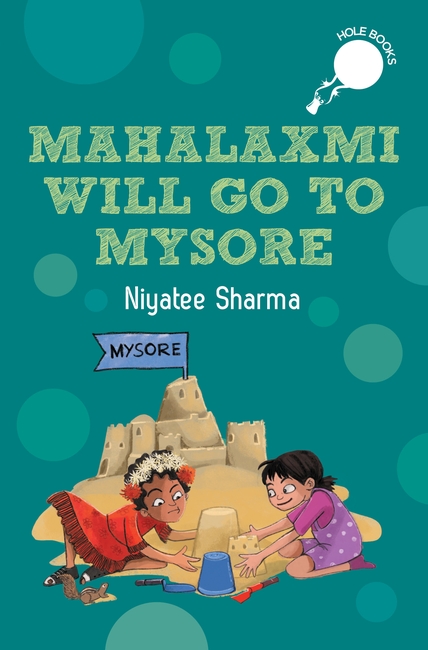
Ira’s new friend Mahalaxmi is different from everyone else in the class. When Mahalaxmi can’t come on the class trip to Mysore, Ira knows she has to find a way. But will Mahalaxmi let her classmates help her?
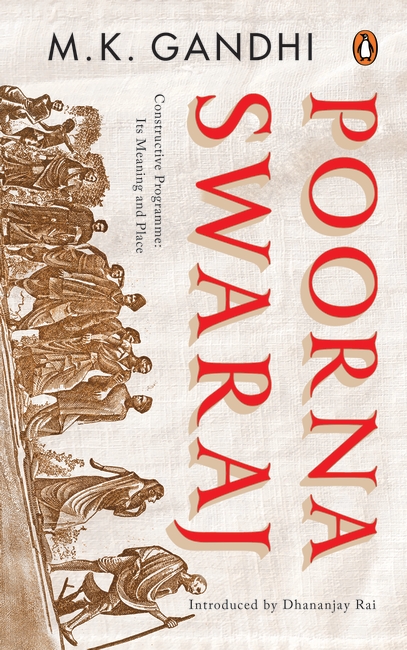
Poorna Swaraj
It contributes to current analyses of the health of liberal democracies-Rajmohan Gandhi
An impressive contribution to Gandhian studies-Bhikhu Parekh
This work merits attention-Gopal Guru
An extremely valuable and timely work-Prabhat Patnaik
Time and again, Mahatma Gandhi’s life, work and philosophy have played pivotal roles in bringing positive change in society. Poorna Swaraj, through its reading of the Constructive Programme: Its Meaning and Place, opens a window to his vision of attaining real and complete independence or ‘swaraj’ for India. With his ideas on communal unity, prohibition, basic education, emancipation of women, advisasis’ concerns, farmers’ distress, removal of untouchability, demystification of leprosy, the role of khadi, charkha, village and small-scale industries, among others, this book brings to light Gandhi’s road map for an egalitarian society.
This first critical edition, with a comprehensive contextual introduction by Dhananjay Rai, sets the backdrop for readers to understand Gandhi’s thoughts on making an ideal society. Amazingly relevant and thought-provoking, Poorna Swaraj is a must-read for students and scholars of history, social science, politics and Gandhian studies. An invaluable companion for policymakers and general readers, this book is a treasure trove.
To Be Human
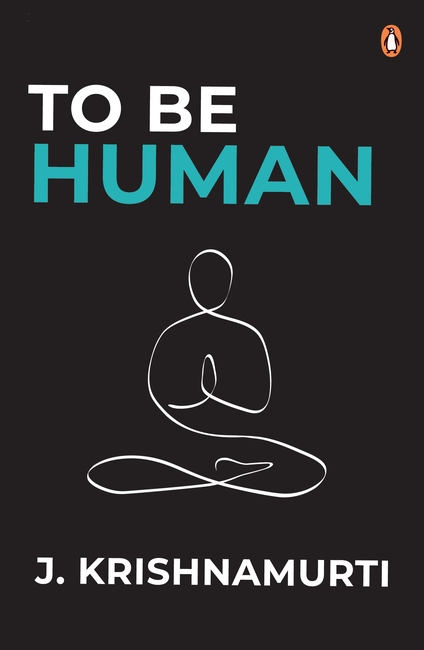
To Be Human presents Krishnamurti’s radical vision of life in a new way. At the heart of this extraordinary collection are passages from the great teacher’s talks that amplify and clarify the nature of truth and those obstacles that often prevent us from seeing it.
Besides presenting the core of Krishnamurti’s message, the book alerts the reader to his innovative use of language, the ways in which he would use “old words with new interpretations,” then gives practical examples, showing that we can clarify our understanding of life itself-and how we can act on this new understanding.
The splendid introduction by David Skitt discusses Krishnamurti’s philosophy as a guide to knowledge and experience, the roles knowledge and experience should play in our lives, and the times when it is best to cast them aside and “look and act anew.”
To Be Human is more than just a book; it’s an invitation to elevate your consciousness, to contemplate life’s mysteries, and to embark on a path of self-discovery. Whether you’re a seasoned follower of Krishnamurti’s teachings or a newcomer seeking wisdom, this book promises to be a source of guidance, inspiration, and transformation. Embrace its pages and unlock the profound potential of being human.
Better Small Talk
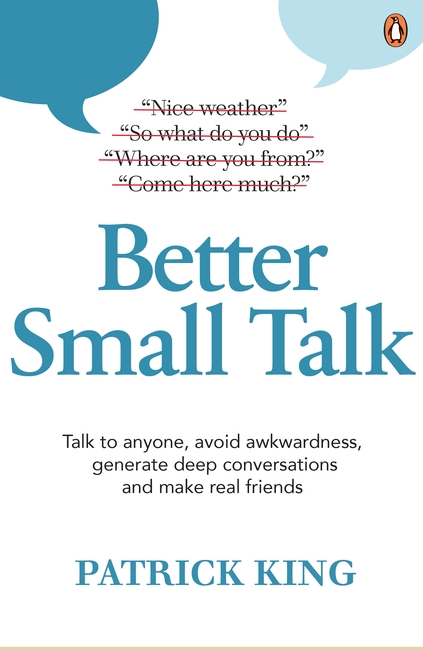
That first conversation, while networking or socially, can be quite daunting! What do you say to connect and make a memorable impression?
For everyone who ends up at the usual “weather talk” and struggles to start interesting conversations, here you’ll find ways, from hello to goodbye, on how to simply go deeper.
Better Small Talk is a unique read. Imagine the following situation: you’ve just put on your name tag, and you’re approached by a stranger. What do you say? Nice weather today.
No, we can do better than this. Learn better small talk to avoid awkwardness, put people at ease, and build real rapport.
You’ll learn exact dialogues, responses, phrases, and questions to use.
-How to tell captivating stories and what to actually focus on.
-Four ways to warm yourself up and prepare for even the most unpredictable conversations.
-Instantly setting a tone of friendship and openness with strangers.
-Common and subtle conversational habits you need to stop right now.
Become someone who is magnetic and who can make new friends in any situation.
Simple conversation is the gatekeeper to friendships, your dream career, romance, and overall happiness. The ability to connect with anyone is an underrated superpower. People will be more drawn to you without even knowing why, and never again will people be bored talking to you. You’ll never run out of things to say when you master these conversation tactics.
FinTech for Billions
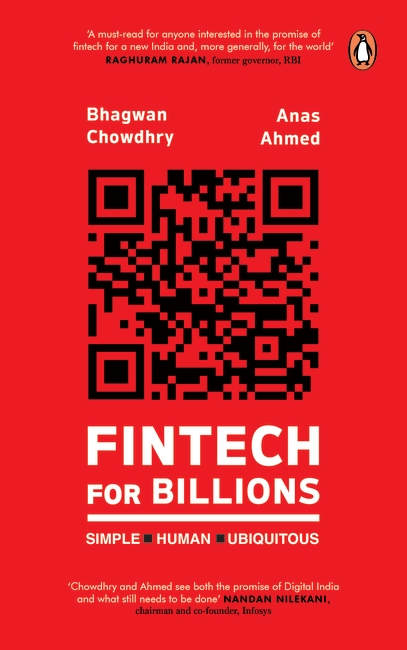
What does it mean to be financially included? Does having an Aadhaar, a Jan Dhan account and a phone make one financially included? Is rural India able to access financial products and institutions comfortably?
Is the Fintech revolution actually here?
The biggest problem with fintech in India is that the full potential of financial technology and policy is not really reaching the poorest of the poor. Thoroughly researched and expertly written, FinTech for Billions reveals why many of the existing solutions have faltered and fumbled along their path to inclusion. But things are not without hope. Through meticulous research across India – from towns in Rajasthan to villages in Goa, from hamlets in Odisha to districts in Telangana and Himachal Pradesh — this book offers simple, human and ubiquitous solutions that can transform the lives of people at the bottom of the pyramid.