Four Fingers and Fifteen Nails is a collection of seventeen stories that provides a vivid portrait of the various elements and importance of chance in life. It explores not only different facets of life but its fickleness as well.
This book is like a box of assorted chocolates; you never know what you are going to come across in the next page! In this cocktail of stories, losers will turn into millionaires overnight, criminals will turn out to be the people you could have never imagined, and some will be blinded by the desire for money, women, and immeasurable power. Each story has a lesson deeply engraved in it. These tales incorporate the element of destiny, the ambivalence of life, and—in some—mysticism as well. The twists and turns in the stories make for a nail-biting read!
Characterised by strong plots, Four Fingers and Fifteen Nails will keep you on the edge of the bed and surprise you with flabbergasting revelations you would have never expected in your wildest dreams!
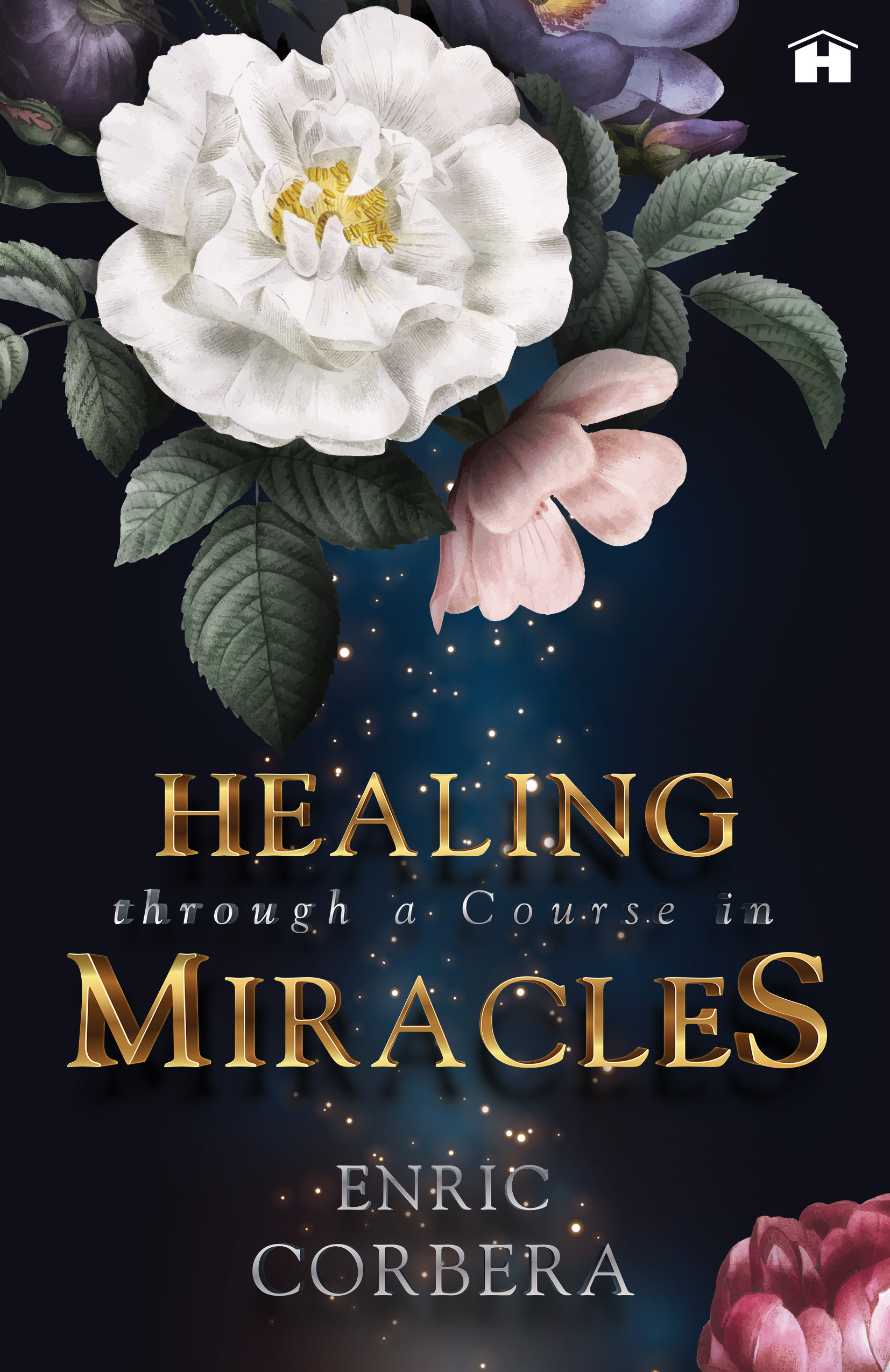
In Healing through a Course in Miracles, renowned psychologist and emotional wellness coach, Enric Corbera, addresses the ever-present and seemingly unresolvable conflict . . . conflict with oneself, with life, with everything!
The book seeks to make the reader more aware of all the beliefs that create situations of conflict and suffering around us and the fact that the healing of our ills lies with us. It explains the concepts about self-healing included in the spiritual classic, A Course in Miracles, in a lucid and insightful manner apt for the modern world.
This book is organised according to the same method used by the author in his workshops to teach how one can connect with their inner master and align with the universal energy of creation—Love. These principles will help you make the pertinent change in mentality to become the true creator of your life.
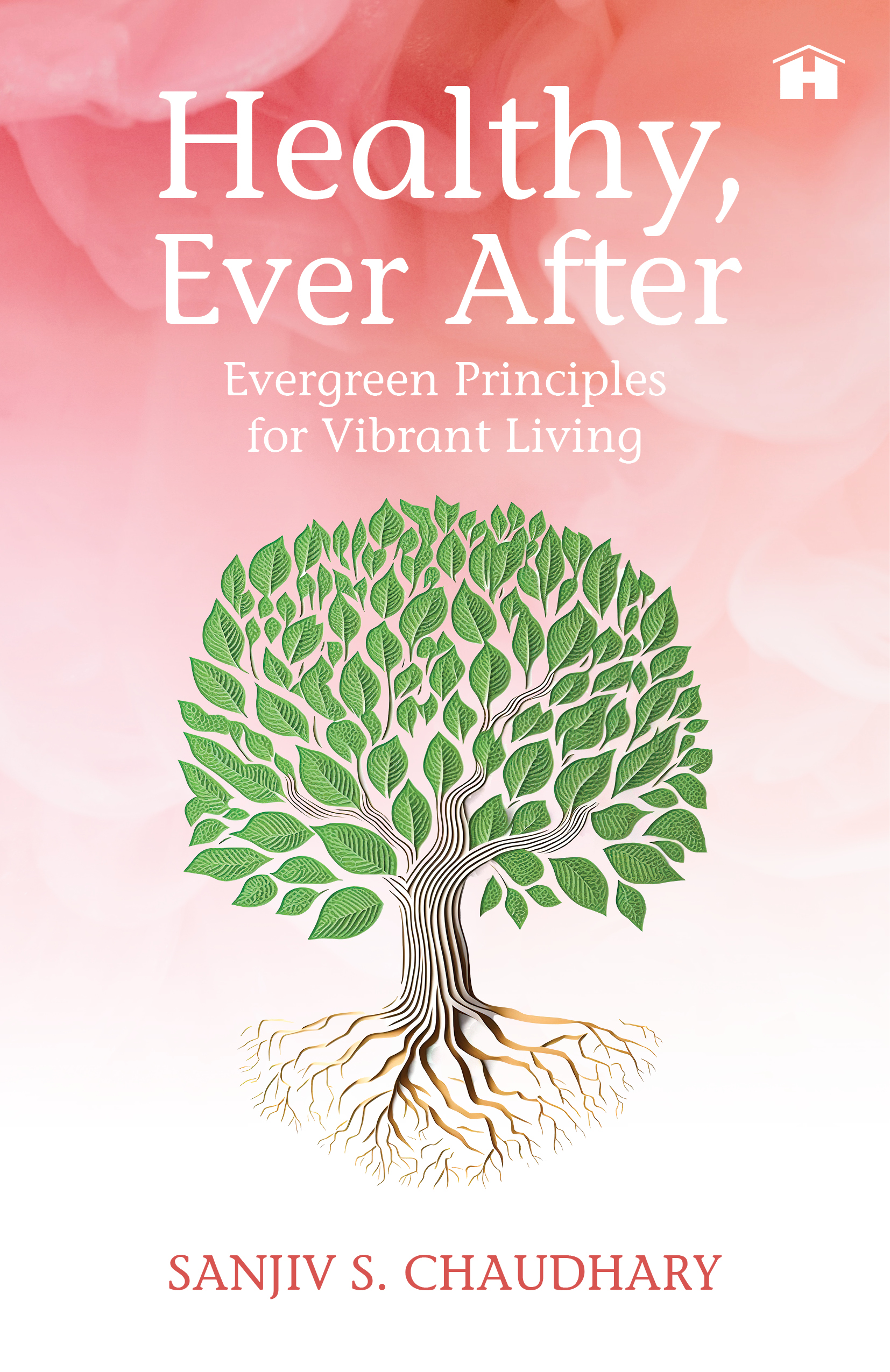
If you’ve ever aspired to uncover the art of healthy and natural living, then Healthy, Ever After is the definitive read for you. This book isn’t just another health manual; it’s a lucid, practical, and all-encompassing guide to holistic well-being.
Drawing inspiration from age-old principles that have stood the test of time and ingeniously adapting them to our contemporary milieu, this empowering book charts a course toward physical, psychological, spiritual, and social vibrancy and vitality. It offers not merely theoretical guidance but practical counsel and actionable steps for seamlessly incorporating natural living into your everyday routine.
So, whether you are commencing your journey to improved health or endeavouring to rekindle your connection with wellness, Healthy, Ever After will enable you to harness the keys to long-lasting health and a happier life.
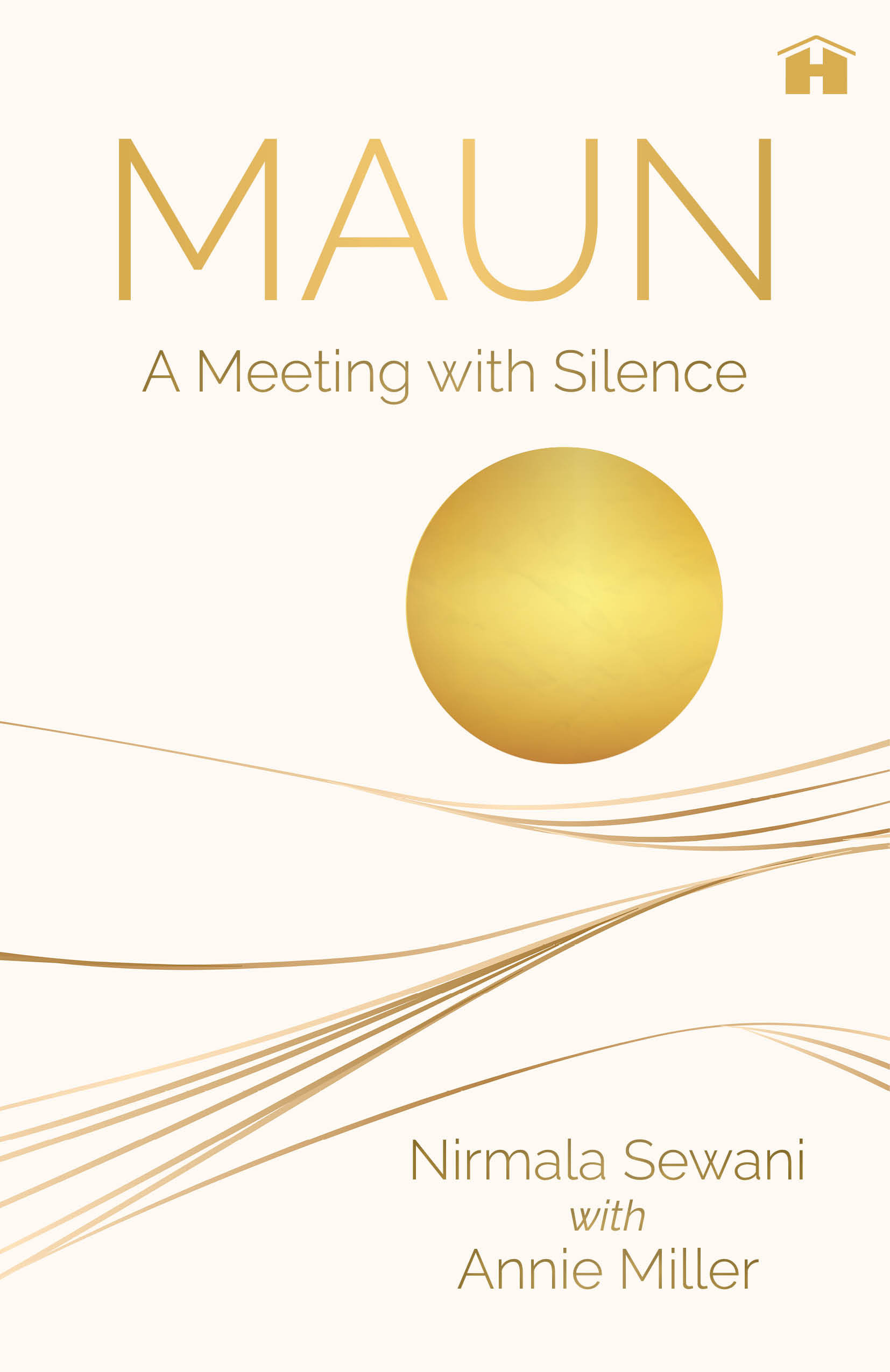
‘In the sanctuary of silence, a penetrating stillness beckons, inviting us to traverse the sacred realms within. Silence is not merely the absence of sound; it is a canvas upon which revelations unfold, the spirit discovers its inherent wisdom and the divine whispers in gently painted echoes.’
Set in Rajasthan, India, Maun presents an intriguing sketch of a thirteen-year-old spirited Sindhi girl, Nirmala, who walks a less travelled path of silence and self-discovery, while also challenging myth, superstition, and hypocrisy on all platforms. Through candid anecdotes and intimate reflections, the memoir offers a more inclusive and sensitive approach to oneness, inviting the reader to witness a journey of profound insight into the recesses of deep silence.
In essence, Maun is a personal yet universally interconnected narrative that boldly reveals the transformative power of our thoughts, inspiring and guiding those who seek clarity, solace, and a renewed sense of purpose in life. It is an offering to embark upon an unforgettable voyage into the secrets of silence and discover the sublime magic that lies therewith.

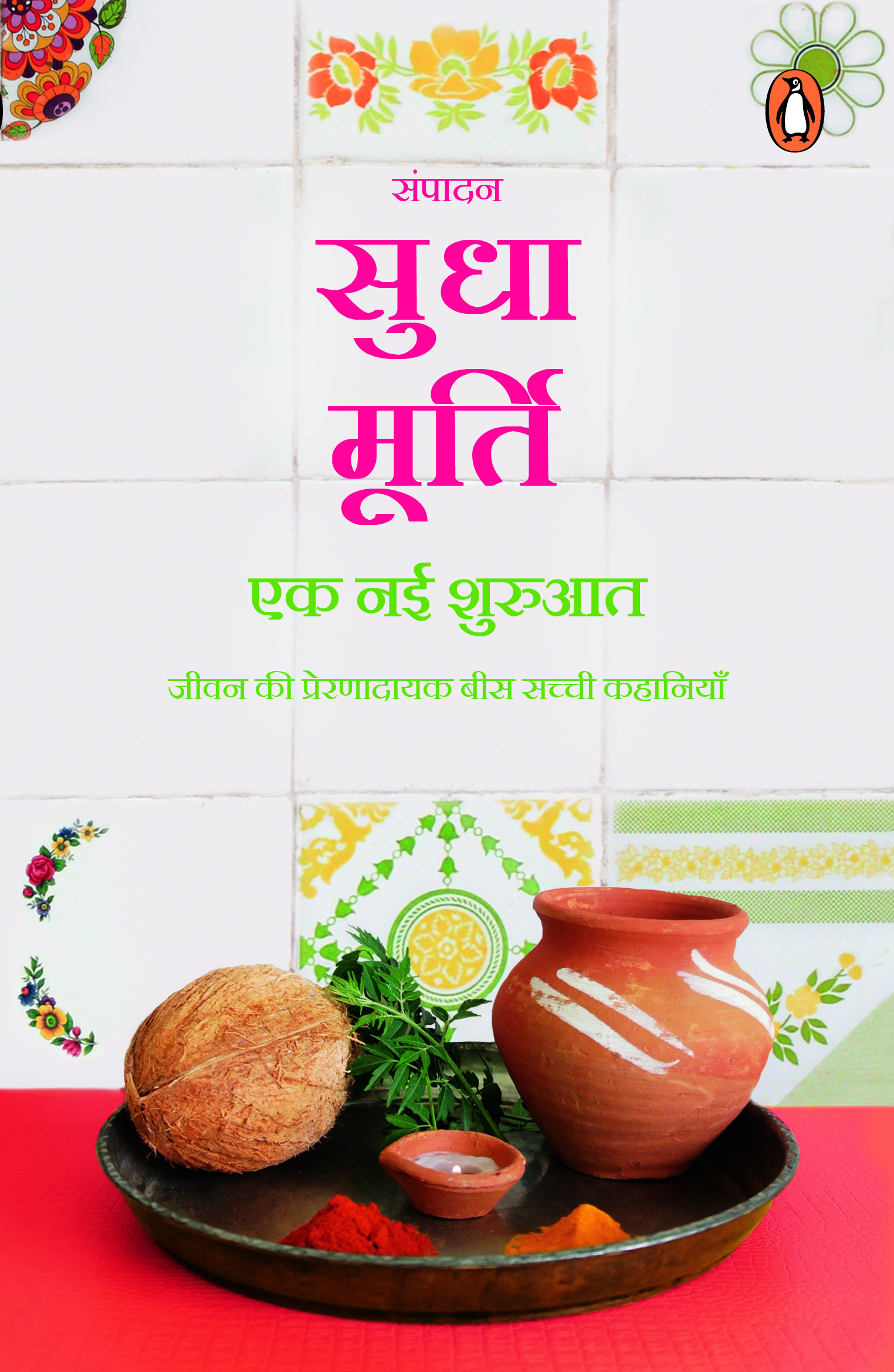
दिलचस्प लोगों की प्रेरणादायक सच्ची कहानियाँ जो कि सुधा मूर्ति की किताब के पन्नों में बसी हुई हैं हमारे ऊपर अमिट छाप छोडती हैं। यह किताब केवल उन पुरुषों और महिलाओं को संकलित कर पाई हैं जिनसे सुधा मूर्ति की व्यक्तिगत भेंट अपने सामाजिक कार्यों के दौरान हुई। अवश्य ही अन्य लोगों के पास भी साझा करने के लिए ऐसी अनेक रोचक कहानियाँ होंगी।
एक नई शुरुआत जीवन की ऐसी ही बीस सच्ची यादगार कहानियों का संग्रह है। जिनका चयन स्वंय सुधा मूर्ति के हाथों उन प्रविष्टियों में से हुआ है जो कि पेंगुइन द्वारा आयोजित प्रतियोगिता में आई थीं। ये कहानियाँ रोज़मर्रा के उलझन भरे पलों से जूझने के बारे में होने पर उम्मीद, विश्वास, दया और ख़ुशी, जिनकी जीवन में भरमार है को अपने में समेटे हुए हैं।
प्रेरणादायक और हौसलाप्रद, यह एक ऐसा संकलन है जो कि ऐसे प्रत्येक पाठक को मंत्रमुग्ध और आनंदित कर देगा जिसे मानव-हृदय की अच्छाई में विश्वास है।

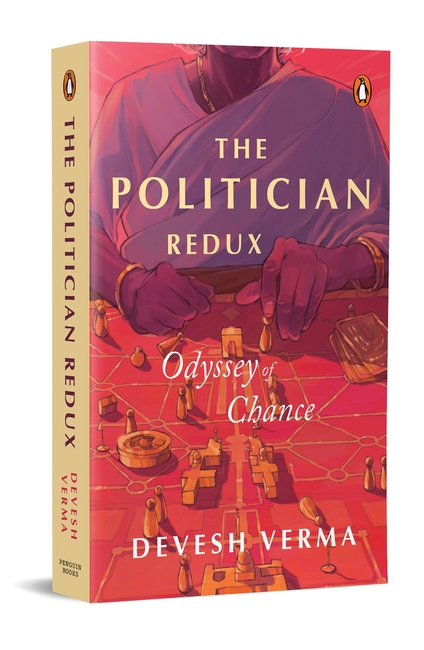
Ram Mohan, an ambitious man in newly independent India, refuses to let his humble origins define him. On a mission to build a political career, he realizes that the only way to live a respectable life is to hold some kind of power.
When the Congress high command vetoes Ram Mohan’s inclusion in the Uttar Pradesh cabinet, Saansad-ji, the state’s chief minister, appoints him as member, UP Public Service Commission, Allahabad. Though non-political, the position has a high social status, and Ram Mohan quickly takes a shine to it. Meanwhile, the JP movement continues to challenge the Congress regime, surging through large parts of India and setting the stage for Indira Gandhi’s downfall.
A sequel to the critically acclaimed The Politician, this new novel, set in the 1970s to 1980s north India, provides a captivating, vivid view of the political battles of that era, and captures the spirit, manners and social conditions of a transformational phase in Indian history.

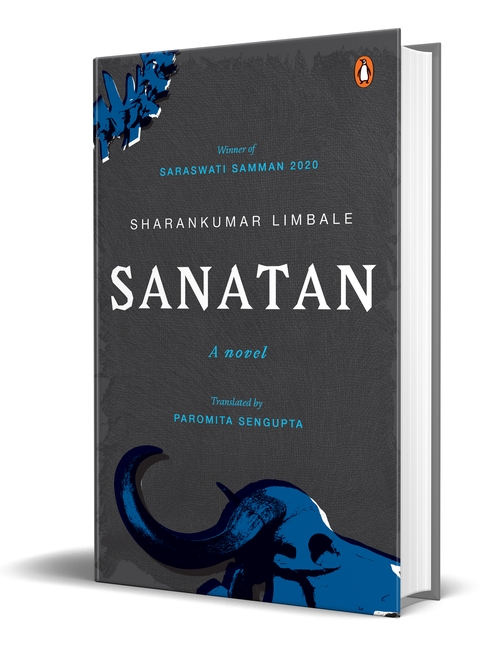
Sanatan is the gut-wrenching story of Bhimnak Mahar and his ilk, who have been subjected to barbaric abuse and inhuman discrimination by the upper castes over centuries. The story begins with the young Bhimnak in pre-Independence India. It then traverses time and geographical boundaries to end with Bhimnak’s grandson. The circular narrative pattern is reflective of the endless cycle of pain that the Mahars are unable to break free from, no matter how hard they try, no matter where they go, no matter if they change their identity and religion. Using myths, the Puranas and historical texts as resources, Sharankumar Limbale rewrites Dalit history in this novel as he attempts to tell the truth, with an intention to build what he calls ‘a new and progressive social order’. Limbale not just brings his reader face to face with uncomfortable realities, he also suggests what could be an alternative social order in the future.

Develop your innate intuition, deepen your connection to the energy flow of the universe, and manifest your heart’s desires using the power of your own electromagnetic field by diving deeply into the spiritual science of auras, the colorful energy fields that surround each and every one of us.
A fresh take on auras from a medical intuitive who has been working with energy on a quantum level for over twenty years. Take a deep dive into the history and science of auras with this in-depth guide, learning not just what the colors of auras mean and how to see them in yourself and others, but how to raise the frequency of your own aura and those of others and use that knowledge to manifest your best life, filled with harmony and abundance.
This books dives profoundly into the truth of complete interconnection in the universe and the living electromagnetic fields around all living things, which we call auras. In essence, the study and awareness of auras is an opening to feel the connection between all life. It also encourages and necessitates opening the clairvoyant and other intuitive senses to feel, taste, smell, touch, see, and hear auras and perceive them in new and expanded ways. These experiences allow the reader to open mind and heart to the universal life force that comprises all existence.

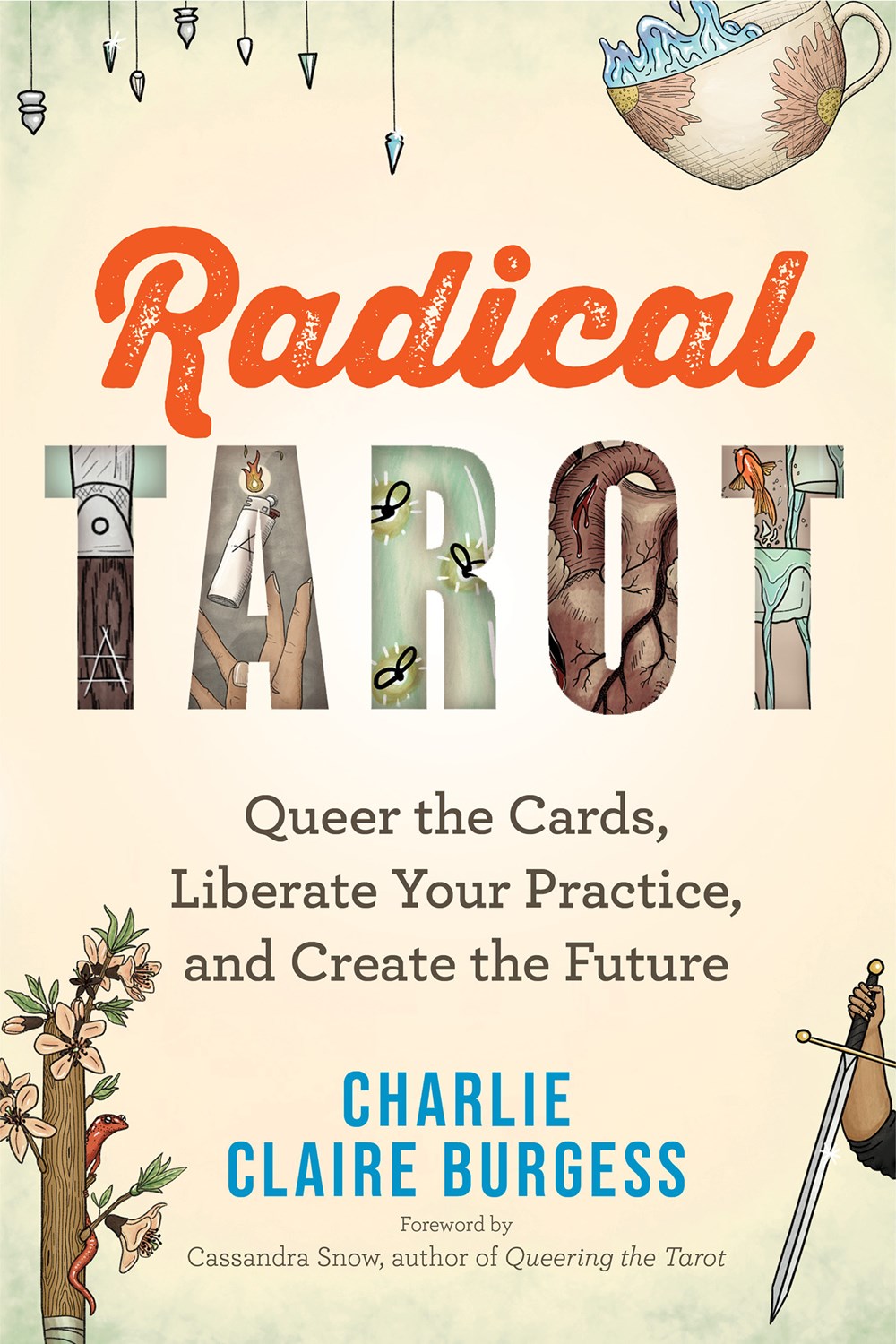
A dynamic re-envisioning of the tarot, including tarot card imagery, that describes how the tarot is queer, that the archetypes are alive, and that tarot doesn’t tell the future; it creates it.
Radical Tarot meets the tarot in a space of evolution, deconstruction, and creation, using the historical and common meanings of the cards as a launchpad for digging into limiting beliefs and societal conditioning and unlocking the personal truths beneath.
The Fool’s Journey is re-envisioned as a journey to non-binary thinking, the gender essentialism is ousted from the Major Arcana and the Court Cards—and all the cards—are reframed through a non-hierarchical, anti-capitalist, and intersectional lens. The archetypes are re-imagined in modern, progressive, and queered contexts. For example:
• The Empress and the body positivity movement
• Justice, not in the legal sense, but as ethical discernment and accountability
• Temperance and transcending the gender binary
• The Devil and anti-capitalism
• Judgement and revolution
Radical Tarot also touches on Charlie’s personal story of how tarot helped them embrace their queerness, leave their marriage, and radically change their life. It speaks to their queer awakening and how tarot became, for them, a tool for social justice and conscious awareness of the world around them. Their words and experience will help anyone who wishes to be closer to their own authentic selves.
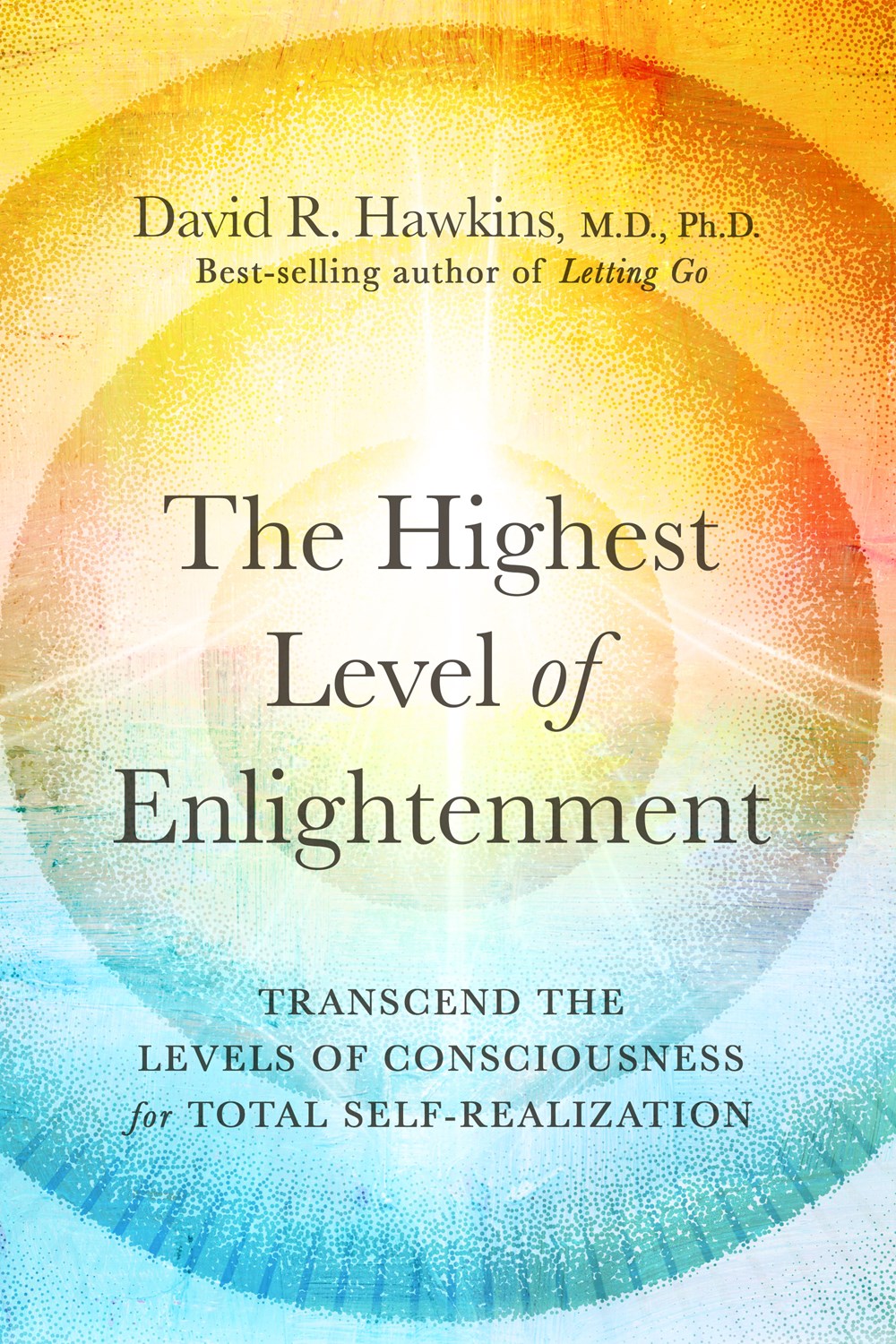
In this profound book, based on a popular audio program, Dr. David Hawkins gives a primer on his world-famous map of consciousness that will help the reader embark on their own journey to an advanced state of consciousness.
Dr. Hawkins’s research is based on a well-established science called kinesiology, which has to do with the testing of an all-or-none muscle response stimulus. A positive stimulus generates a strong muscle response, and a negative stimulus results in a demonstrable weakening of the test muscle. Clinical kinesiological muscle testing as a diagnostic technique has been verified widely over the past 25 years. David Hawkins, M.D., Ph.D, conducted a 29-year study that demonstrated that the human body becomes stronger or weaker depending on a person’s mental state. He created a scale from 1 to 1,000 that mapped human consciousness. Furthermore, he demonstrated that this map can be used as a blueprint to reach higher states of consciousness that can be identified simply by applying a small amount of pressure on an outstretched arm!
Not only that, but this simple method has also been demonstrated to be an effective tool for instantly calibrating human consciousness. Dr. Hawkins created a scale of consciousness based on current discoveries in advanced theoretical physics and the nonlinear dynamics of chaos theory. And this “map of consciousness” now makes it possible for anyone to advance toward higher levels of enlightenment faster than ever imagined!
In this book, you’ll learn how to:
• Advance your level of consciousness and your understanding of human behavior, just by learning the map of consciousness.
• Gain instant access to information that is beyond the capacity of all the world’s computers.
• Detect the exact point in any complex system where the least effort brings about the greatest result.
• Understand the power of a simple attitude adjustment as well as the consequences of various emotional states.
• Learn how people who calibrate high on the map of consciousness can raise the energy level and calibration of thousands of others just by being in their presence!
• Heal yourself of illness or addiction by reaching the state of consciousness in which it vanishes.
• Learn which foods, environments, companies, books, etc., are harmful (low energy) and which are beneficial (high energy).
And much more!