



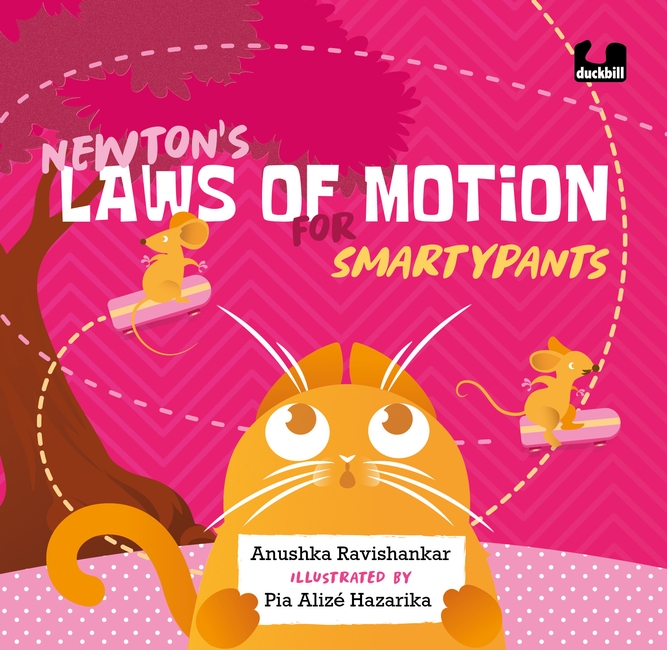
Are you a Smartypants?
Do you ask a lot of questions? Like-
What is force?
What is acceleration?
Will you go to jail if you break Newton’s laws?
If you do, then you just might find the answers in this book.
It has gorgeous pictures, simple explanations and a very curious cat!
Archives: Books
Vaccines for Smartypants

Are you a Smartypants?
Do you ask a lot of questions? Like-
Are all germs bad?
What is an antibody?
Do T cells go to school?
If you do, then you just might find the answers in this book.
It has gorgeous pictures, simple explanations and a very curious cat!
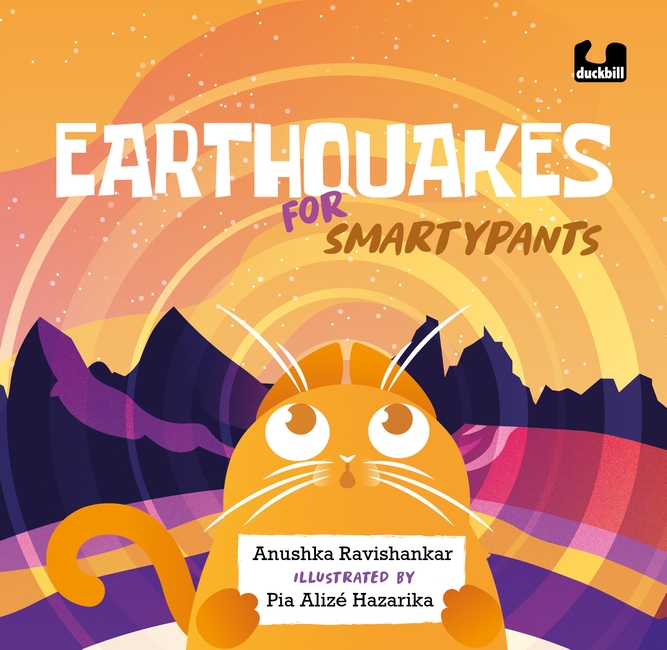
Earthquakes for Smartypants
Earthquakes for Smartypants
Are you a Smartypants?
Do you ask a lot of questions? Like–
What is the surface of the Earth called?
Is the Earth actually a rainbow cake?
How do you measure an earthquake?
If you do, then you just might find the answers in this book.
It has gorgeous pictures, simple explanations and a very curious cat!
The Barefoot Coach
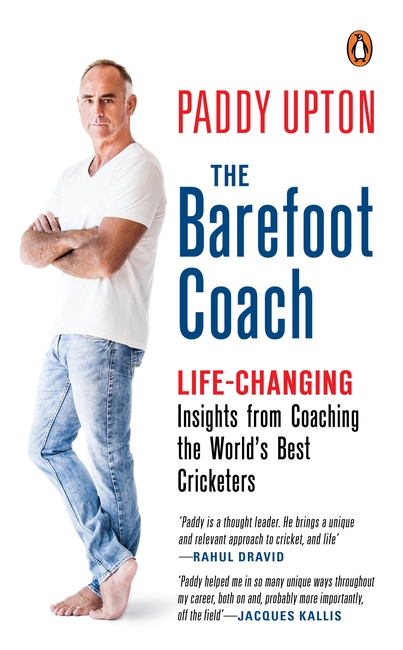
In 2008, a few days after being selected to coach the Indian cricket team, Gary Kirsten and Paddy Upton set themselves the goals of winning the World Cup in 2011 and becoming the number one Test team in the world. Over three years of their innovative and creative ways of coaching, the team achieved these goals, and more.
Paddy’s journey included working with the South African cricket team as the cricket world’s first fitness trainer, becoming a mental coach in professional sport and, in 2012, becaming head coach of the Rajasthan Royals in the Indian Premier League. Since then, he has coached five teams in thirteen seasons across three of the world’s premier T20 leagues.
The Barefoot Coach is packed with Paddy’s out-of-the-box thinking and illuminating anecdotes on winning, preparation, failure and working to resolve life’s tangled knots. Inspiring, candid and unusual in its approach to coaching, and with fascinating breakaways into extreme sport, this is a must-read for everyone who wishes to enhance their performance, and their lives.
Beyond Fear
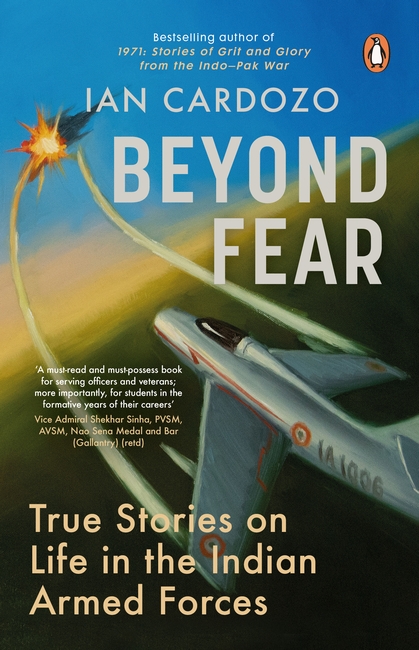
A story from a third-generation soldier of the 1st Battalion, the 5th Gorkha Rifles (FF) who was killed in combat.
A ghost story narrated to the author by an officer of the Garhwal Rifles while on a visit to Lansdowne.
A gripping account of the air raid on Pakistan’s airfield at Sargodha in 1965 led by Wing Commander O.P. Taneja, VrC.
These are some of the stories featured in Major General Ian Cardozo’s book Beyond Fear, stories that inform the reader that fear is not exceptional. It is common to all human beings. The question is: Do we face fear or run away from it? Through these thirteen stories, he reveals to the reader how military personnel conquer fear. He calls it ‘biting the bullet’.
Through the twists and turns of his stories, he brings out how honour, love, courage, trust, hope, faith and loyalty help the soldier in his quest to conquer fear and that these very qualities can help the reader deal with fear in their everyday lives. These stories also show that real life can sometimes be stranger than fiction.
Money Works
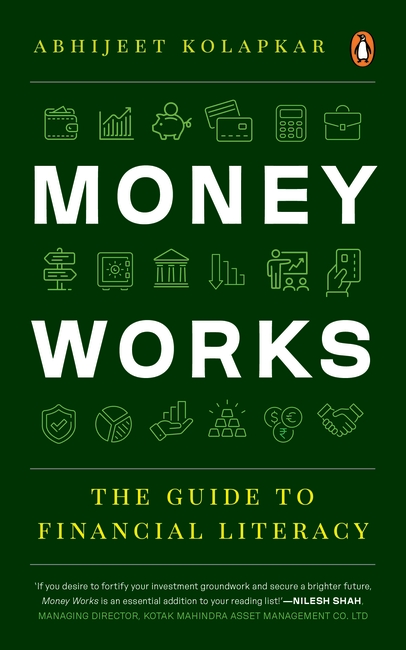
If you are clueless at the end of every month about where your hard-earned money has gone and if you are ready to achieve financial success-this book is for you!
Instead of focusing on ‘How big should your income be?’, Money Works gives excellent tips on how to save intelligently, how you can achieve your life goals with careful financial planning, how to manage your debts and insurance, how to make your hard-earned money grow through investments and finally, how to live a happy and contented life!
Abhijeet Kolapkar, who has been in the field of finance for many years, has tried to simplify and present financial terms in a simple and interesting way. Through this book, readers will understand the basics of personal finance as well as the central role of money in their life.
The Sun is also a Star
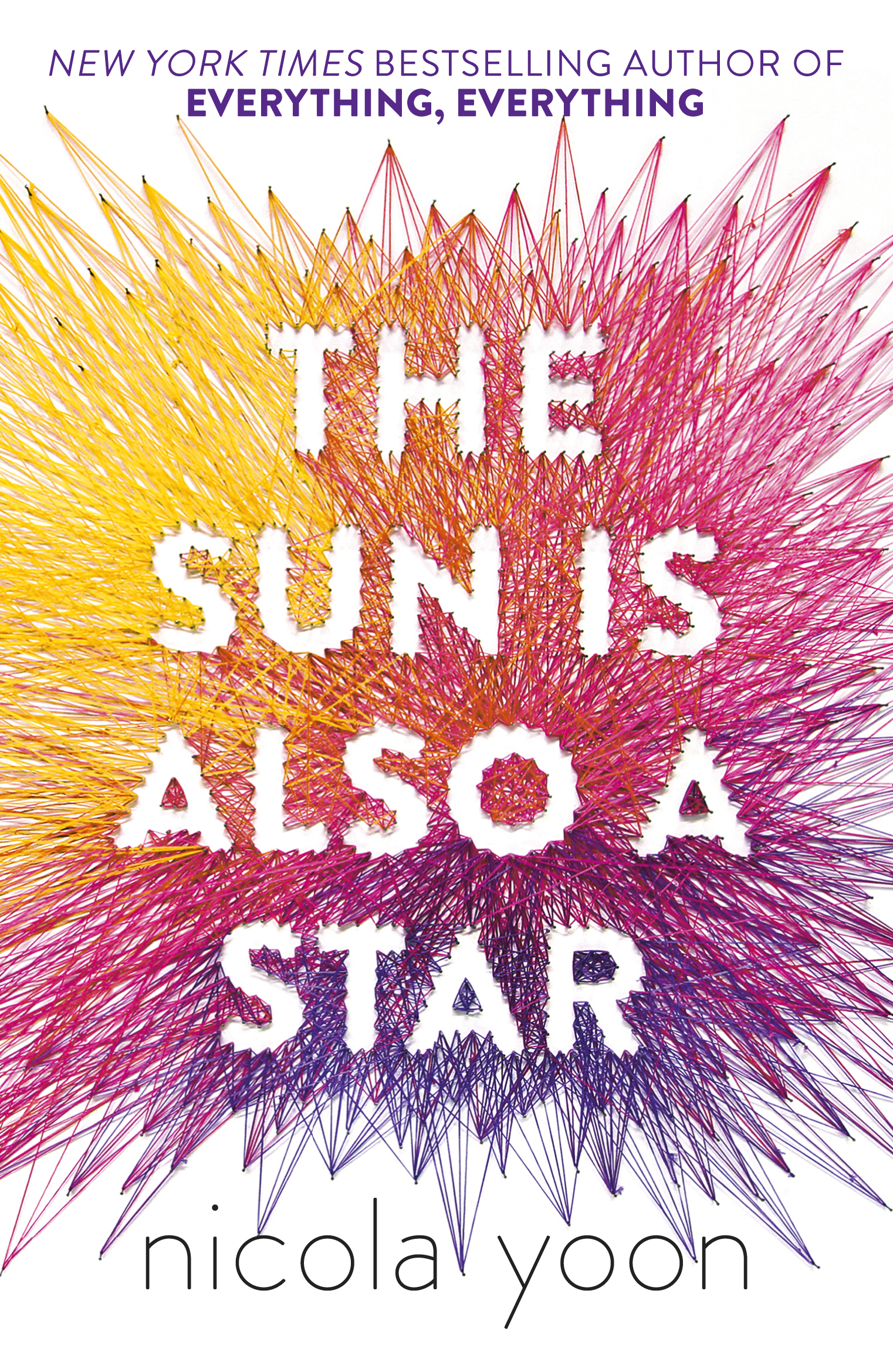
*Now a major film starring Yara Shahidi and Charles Melton*
The New York Times bestselling love story from Nicola Yoon, author of Everything, Everything.
Natasha:
I’m a girl who believes in science and facts. Not fate. Not destiny. Or dreams that will never come true.
I’m definitely not the kind of girl who meets a cute boy on a crowded New York City street and falls in love with him.
Not when my family is twelve hours away from being deported to Jamaica. Falling in love with him won’t be my story.
Daniel:
I’ve always been the good son, the good student, living up to my parents’ high expectations.
Never the poet. Or the dreamer.
But when I see her, I forget about all that. Something about Natasha makes me think that fate has something much more extraordinary in store—for both of us.
The Universe:
Every moment in our lives has brought us to this single moment. A million futures lie before us. Which one will come true?
Everything, Everything
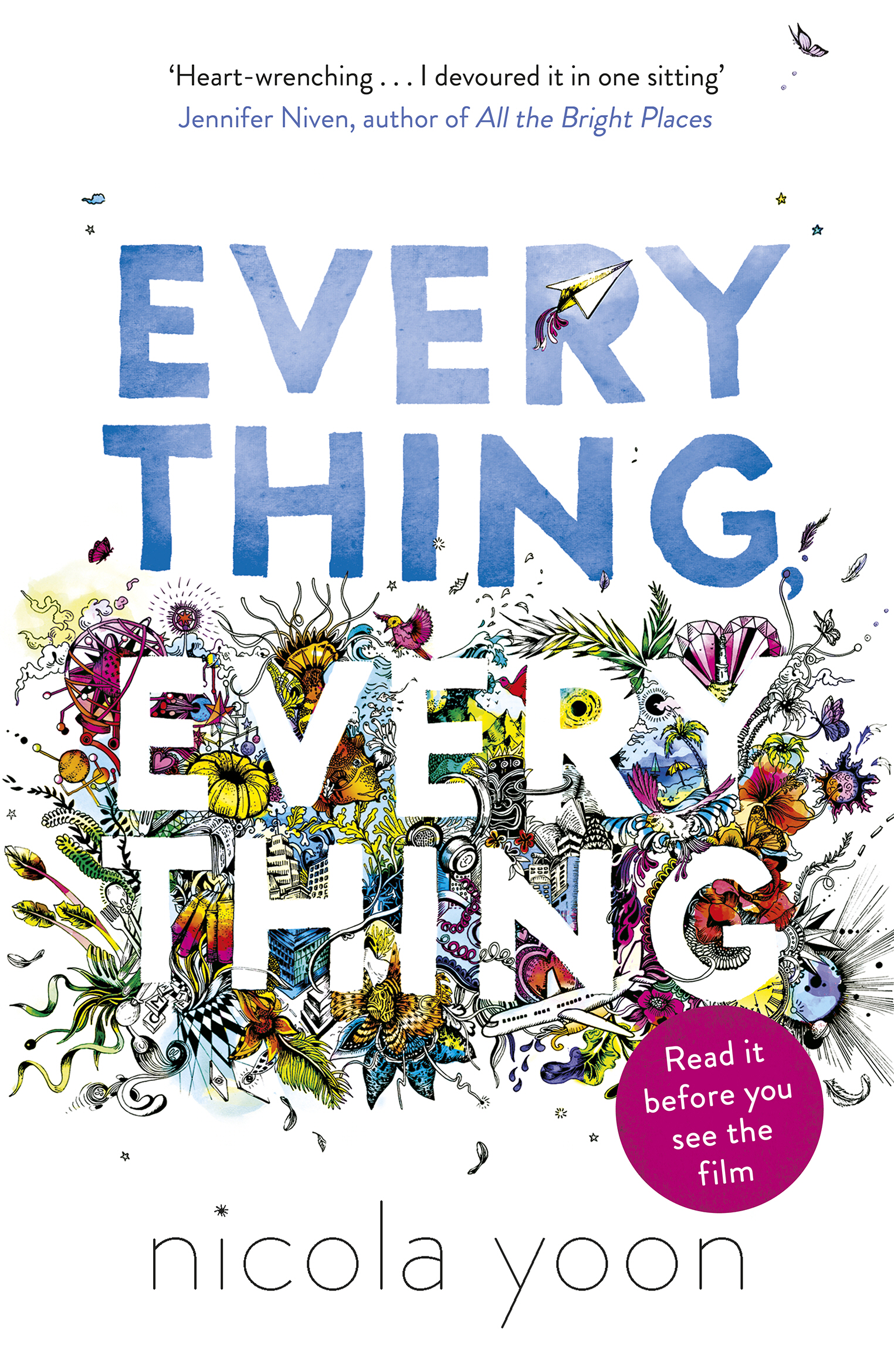
Everything, Everything is now a major motion picture starring Amanda Stenberg from The Hunger Games and Love Simon’s Nick Robinson.
A #1 New York Times Bestseller!
‘Loved this book!’- Zoella
Maddy is allergic to the world; stepping outside the sterile sanctuary of her home could kill her. But then Olly moves in next door. And just like that, Maddy realizes there’s more to life than just being alive. You only get one chance at first love. And Maddy is ready to risk everything, everything to see where it leads.
‘Powerful, lovely, heart-wrenching, and so absorbing I devoured it in one sitting’ – Jennifer Niven, author of All the Bright Places
And don’t miss Nicola Yoon’s #1 New York Times bestseller The Sun Is Also a Star, in which two teens are brought together just when the universe is sending them in opposite directions.
The Power of Habit
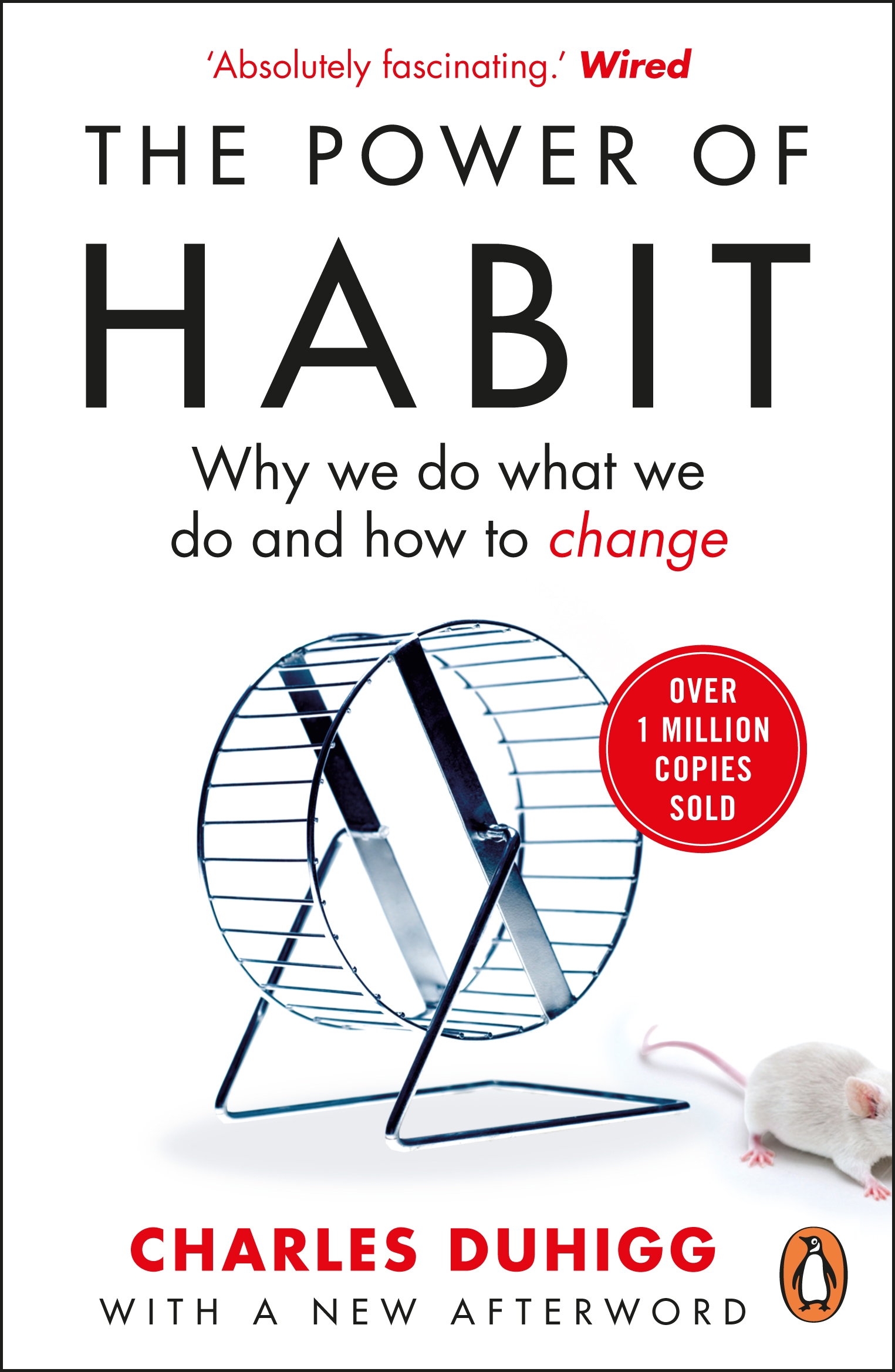
There’s never been a better time to set new habits. This book will change your life.
In The Power of Habit, award-winning journalist Charles Duhigg takes us into the thrilling and surprising world of the scientific study of habits.
He examines why some people and companies struggle to change, despite years of trying, while others seem to remake themselves overnight. He visits laboratories where neuroscientists explore how habits work and where, exactly, they reside in our brains. And he uncovers how the right habits were crucial to the success of Olympic swimmer Michael Phelps, Starbucks CEO Howard Schultz, and civil-rights hero Martin Luther King, Jr.
The result is a compelling argument and an empowering discovery: the key to exercising regularly, losing weight, raising exceptional children, becoming more productive or even building revolutionary companies is understanding how habits work. By harnessing this new science, we can transform our businesses, our communities, and our lives.
______________________________
‘[An] essential manual for business and living.’ Andrew Hill, Financial Times
‘Once you read this book, you’ll never look at yourself, your organisation, or your world quite the same way.’ Daniel H. Pink
‘This is a first-rate book – based on an impressive mass of research, written in a lively style and providing just the right balance of intellectual seriousness with practical advice on how to break our bad habits.’ The Economist
The Book Thief
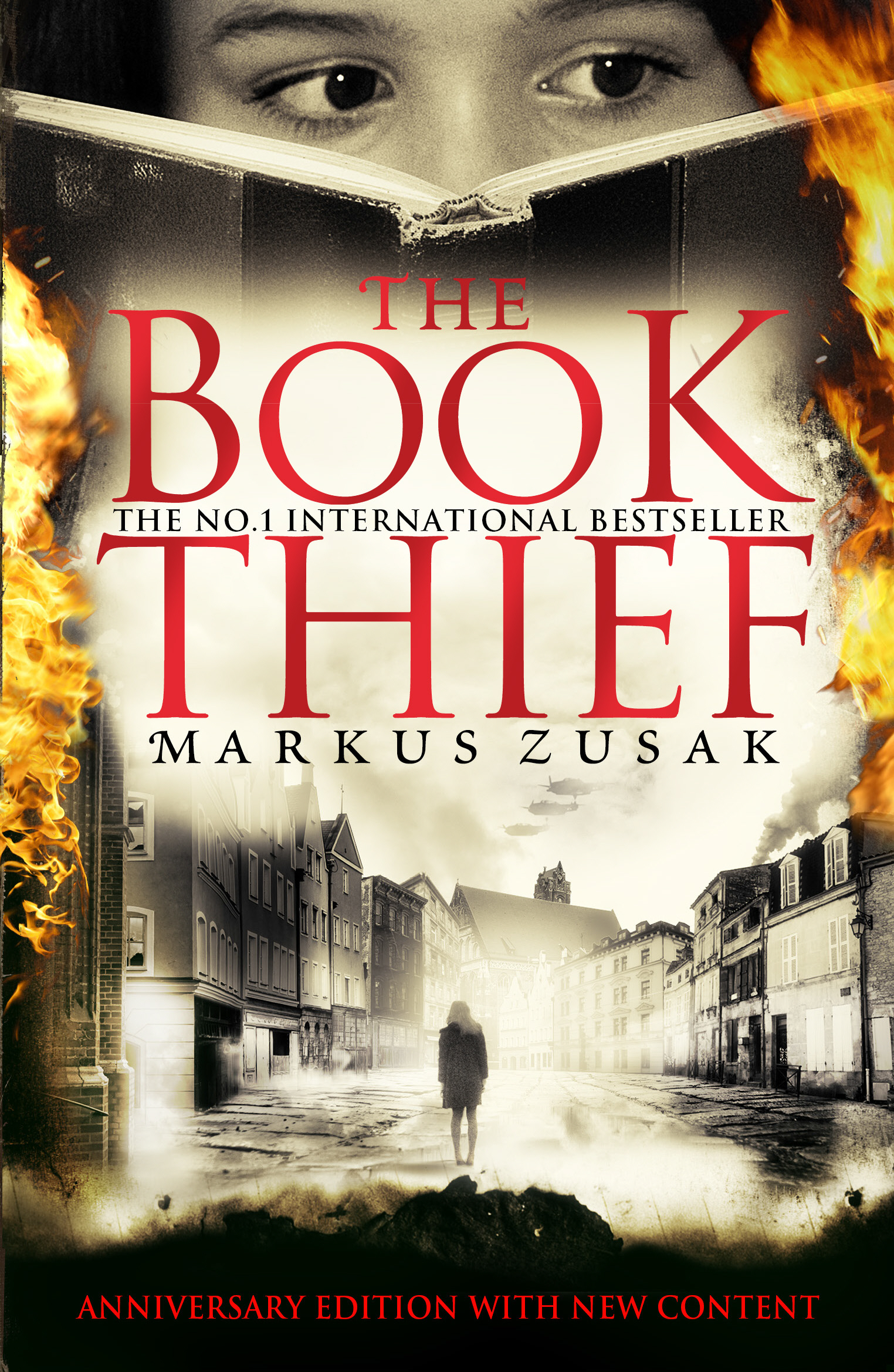
SPECIAL 10TH ANNIVERSARY EDITION with exclusive extra behind-the-scenes material from the author
It is 1939. In Nazi Germany, the country is holding its breath. Death has never been busier – and will become busier still.
By her brother’s graveside, Liesel’s life is changed forever when she picks up a single object, abandoned in the snow. It is The Gravedigger’s Handbook, and this is her first act of book thievery. So begins Liesel’s love affair with books and words, and soon she is stealing from Nazi book-burnings, the mayor’s wife’s library . . . wherever there are books to be found.
But these are dangerous times, and when Liesel’s foster family hides a Jew in their basement, nothing will ever be the same again.
In superbly crafted writing that burns with intensity, award-winning author Markus Zusak has given us one of the most enduring stories of our time.
Now a major film from Twentieth-Century Fox starring Geoffrey Rush and Emily Watson.