



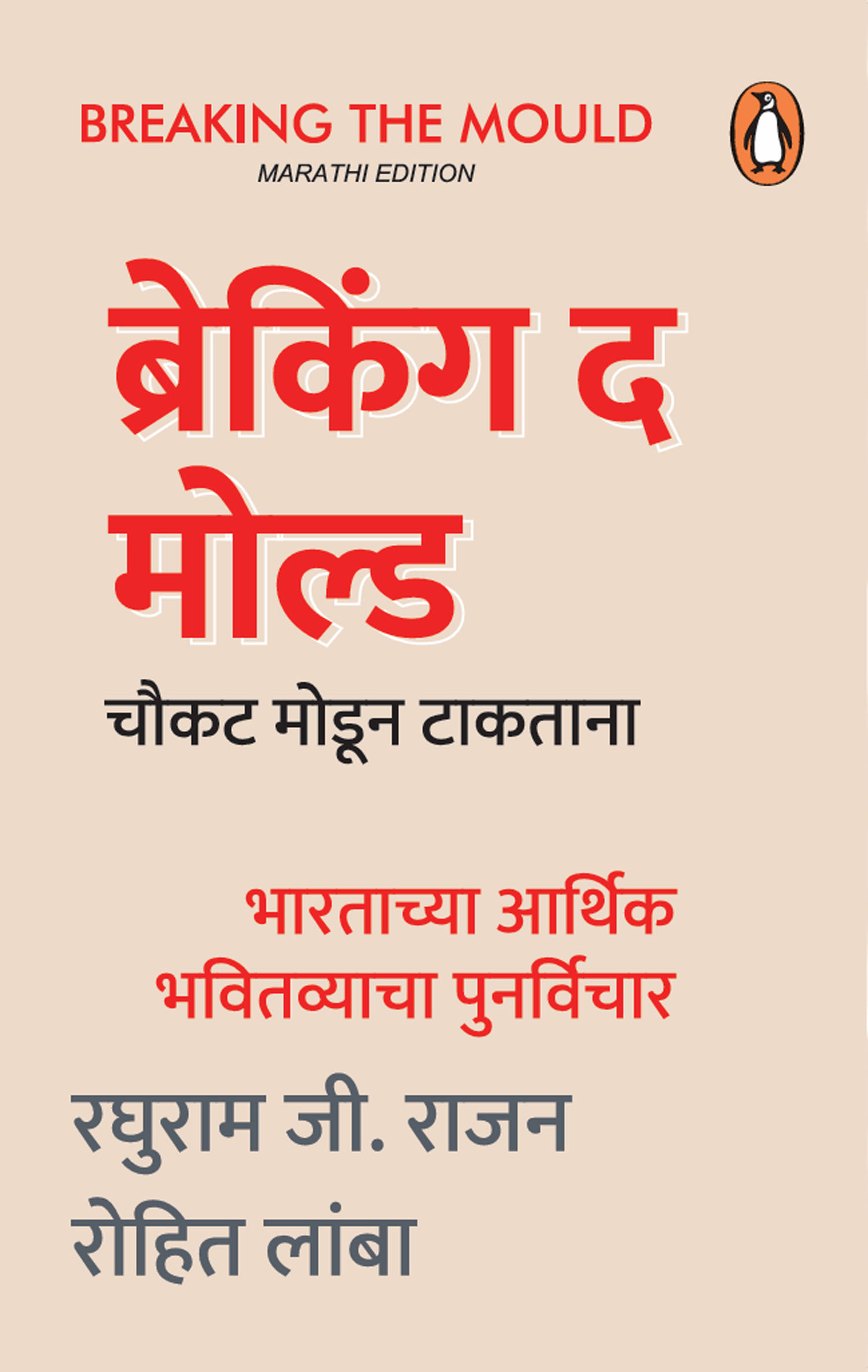
भारताच्या प्रगतीची वाटचाल कोणत्या दिशेने होत आहे? इंग्लंडला मागे टाकून भारताची अर्थव्यवस्था जगातील पाचव्या क्रमांकावर जाऊन पोचली आहे याचा अर्थ भारताची प्रगती होत आहे असा होतो का? का लक्षावधी बेरोजगारांना रोजगार पुरवण्यास आलेल्या अपयशामुळे अर्थव्यवस्थेची पीछेहाट होत आहे? उज्वल भवितव्यासाठी आपण काय केलं पाहिजे?
भारत आज एका चौरस्त्यावर येऊन पोचला आहे. भारताच्या आर्थिक वाढीचा दर कित्येक मोठ्या देशांच्या तुलनेत जास्त असला तरी आपल्या बेरोजगार तरूणांना नोकऱ्या देण्यासाठी तो खूपच कमी आहे. कमी कौशल्याच्या वस्तूनिर्माण क्षेत्रातील तीव्र स्पर्धा, आपल्याच देशात वस्तूनिर्मिती करण्याकडे, संरक्षणवादाकडे झुकत चाललेला जागतिक कल, आणि वाढते स्वयंचलितीकरण यामुळे परिस्थिती अधिक गंभीर झालेली आहे. समाजात फूट पाडणाऱ्या बहुसंख्यांकांच्या तुष्टीकरणातून काहीच साधले जाणार नाही. आजवर आर्थिक विकासाची वाटचाल कृषी क्षेत्राकडून कमी कौशल्याचे वस्तूनिर्माण, त्यानंतर उच्चकौशल्याधारित वस्तूनिर्माण आणि सेवा क्षेत्र अशी होत आलेली आहे. विकासाच्या राजमार्गावरील मधल्या पायरीवरून उडी मारून आपण केल्हाच पुढे आलो आहोत. असं असताना परत मधली पायरी गाठण्यासाठी उलट फिरण्याऐवजी आपण आपला स्वतःचा भारतीय मार्ग शोधून काढला पाहिजे. मानवी भांडवलात गुंतवणूक करून, सेवा आणि वस्तूनिर्माण क्षेत्रातील उच्च कौशल्याधारित संधींचा विस्तार करून, नवी उत्पादने आणि नव्या कल्पनांना पोषक वातावरणात आर्थिक विकासाचा वेग कसा वाढवता येईल ते या पुस्तकात लेखकद्वयांनी समजावून सांगितलं आहे. भारताच्या लोकशाही परंपरांनां लोकशाही संस्थांचे सबलीकरण आणि विकेंद्रीकरणाचा विस्तार यासारख्या सुशासनातील सुधारणांची जोड मिळाल्यास विकासाच्या मार्गावरील वाटचाल सोपी होईल. ज्या ठिकाणी भारताला यश मिळाले आहे त्याचे लेखकद्वयाने खुल्या मनाने कौतूक केलं आहे तसेच त्यांनी त्यातील दोषही परखडपणे दाखवले आहेत. त्यांनी भूतकाळाला जखढून ठेवणाऱ्या शृंखला तोडून येणाऱ्या भावी काळातील शक्यतांकडे खुल्या दिलाने पाहण्याचे आवाहन केलं आहे. जागोजागी दिलेल्या समर्पक उदाहरणांनी आणि बिनतोड युक्तिवादांनी शेवटच्या पानापर्यंत वाचनीय झालेले, भारताच्या भविष्याविषयी आस्था असलेल्या सर्वांनी वाचलेच पाहिजे असे पुस्तक.
Archives: Books
The Hidden Hindu 1
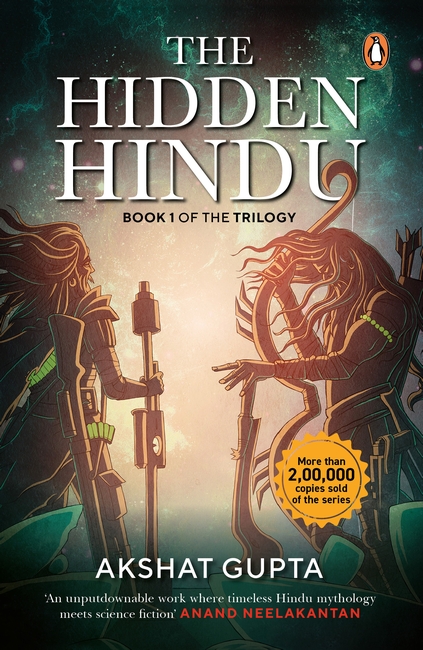
Prithvi, a twenty-one-year-old, is searching for a mysterious middle-aged Aghori, Om Shastri, who was captured and transported to a high-tech facility on an isolated Indian island. When the Aghori was drugged and hypnotized for interrogation by a team of specialists, he claimed to have witnessed
all four yugas (the epochs in Hinduism) and participated in the events of both the Ramayana and the Mahabharata. Om’s revelations of his incredible past that defied the laws of mortality left everyone baffled.
The team also discovered that Om was in search of other immortals from every yuga.
These bizarre secrets, if revealed, could shake up ancient beliefs and alter the course of the
future. So, who is Om Shastri?
Why was he captured? Why is Prithvi looking
for him?
Board the boat of Om Shastri’s secrets,
Prithvi’s pursuit and the adventures of other
enigmatic immortals of Hindu mythology in
this exciting journey.
The Spoiled Heart
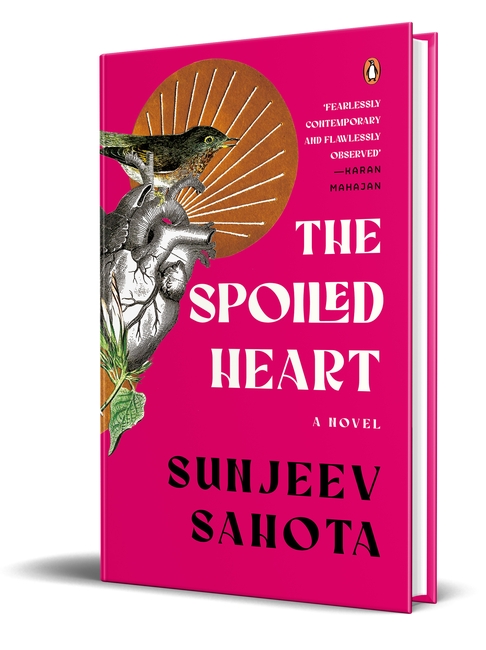
The blazing novel of love, community and politics, set at the edge of the Peak District, and with a deeply moving family mystery at its heart
From the twice Booker-nominated author of The Year of the Runaways and China Room.
Nayan Olak keeps seeing Helen Fletcher around town and on his daily run out to the Peaks. She’s come back to the old house at the end of the lane, with her teenaged son, Brandon, though nobody seems to remember much about her. Some trouble at school, back in the day. A certain defensiveness. Nayan is powerfully drawn to her, though he doesn’t quite know why.
He hasn’t risked love since he lost his young family in a terrible accident twenty years before. All his energy has gone into work at the union, trying to make the world better, fairer, as he sees it, as he would have wanted it for his son, and he’s now running for the leadership against accomplished newcomer, Megha. It’s a huge moment for Nayan, the culmination of everything he believes. But as he grows closer to Helen, and to the possibility that their pasts may have been connected, much more is suddenly threatened than his chances of winning.
A magnificent and multi-layered account of one man’s inexorable fall, The Spoiled Heart is an explosively contemporary story of secrets and assumptions whose consequences could never have been imagined. It is a stunning achievement from one of our very finest novelists.
Iconoclast
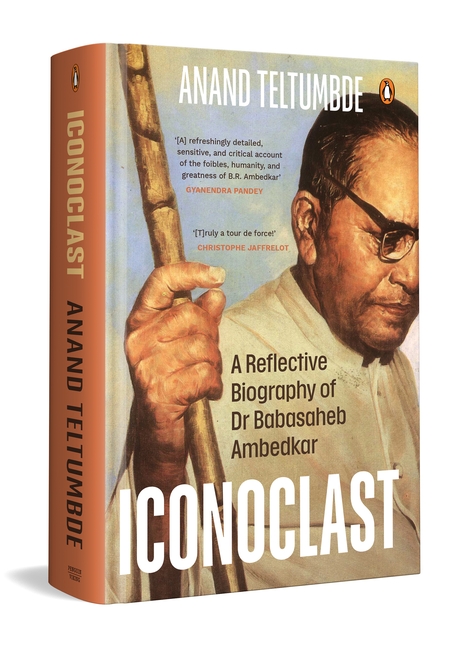
In Iconoclast, Dr Anand Teltumbde, a distinguished public intellectual and leading authority on the Dalit movement, presents a groundbreaking biography of Dr B.R. Ambedkar. Far from the embellished narratives often associated with his legacy, Teltumbde strips away the layers of myth and hyperbole to reveal the man behind the legend.
With meticulous research and intellectual honesty, Teltumbde delves into the life of Ambedkar, situating him within the dynamic context of his time. He explores the complexities of Ambedkar’s persona, offering a nuanced portrait that challenges conventional perceptions. Rich with poignant photographs, this biography paints a vivid picture of Ambedkar as a visionary and as a human, and above all as an iconoclast driven by a relentless pursuit of social justice and equality. From his tireless advocacy for the Dalit community to his visionary ideals of liberty, equality and fraternity, Ambedkar’s legacy reverberates through the ages, inspiring generations to strive for a more just society.
With incisive analysis and a deep understanding of Ambedkar’s philosophy, Teltumbde extends the narrative beyond the confines of history, examining Ambedkar’s enduring impact on contemporary India. Iconoclast is a masterful tribute to a towering figure in modern history, offering profound insights into the epic struggle for social emancipation and the quest for a truly inclusive society.
Remember Me As Yours: They Went to Look for Love. They Found Life
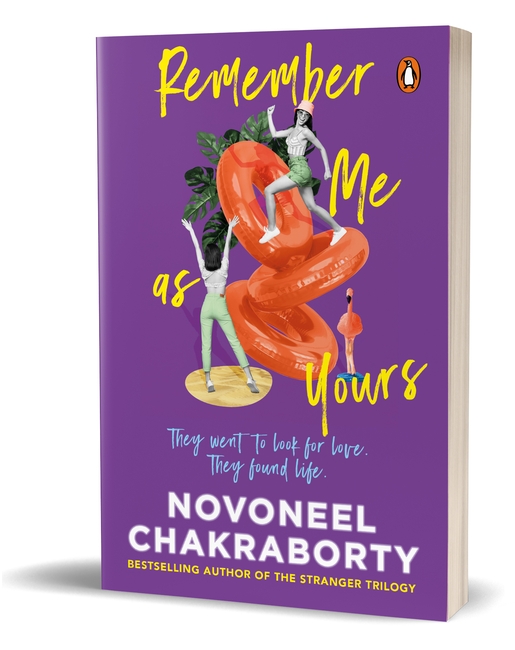
Nityami Thakur hails from Bhopal and only has a simple request from life: that she get a man who loves her as unconditionally and loyally as she would. But her pursuit of this simple wish has landed her on a journey where every man she meets only punctures her confidence, convincing her that perhaps she is not good for anybody. Sick and tired of window-shopping for Mr Right, Nityami gets to know that her first love from school is somewhere in Sikkim. And that he has recently broken up. With renewed hope and the desire to take a break from her messy present, Nityami decides to take a road trip to Sikkim.
Falak Sultana hails from New Delhi and is a born fighter. Coming from a broken home with an abusive father, she worked hard to not only set up her own small food delivery service but, unbeknownst to her family, to also pursue an MBA, aspiring to bigger life goals. Her only friend is her stepmother, who is her age. Just when Falak thinks her life is finally aligning with her dreams, she ends up doing something drastic, which makes her run for her life. And she reaches Sikkim.
When the two girls find themselves, coincidentally, in the same cab, they feel the company would be good for the road trip ahead. But little do they know whom destiny has kept in store for them. Someone who had changed their lives when they had first met, and will once again alter their lives.
Remember Me As Yours is as much a fast-reading romantic comedy, as it is a poignant coming-of-age tale of two girls who find themselves singled out by society and are desperate to make sense of their personal losses.
Just a Mercenary?
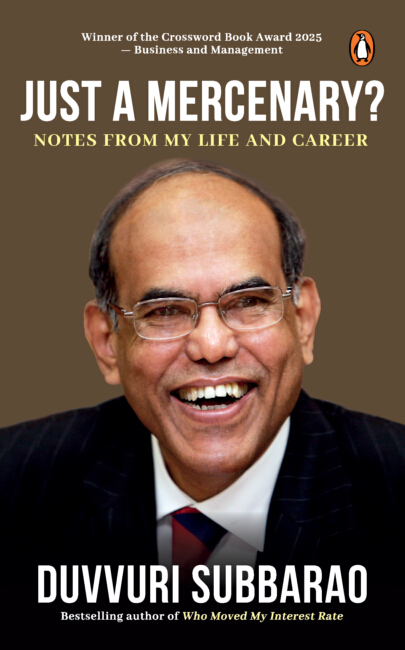
At the start of his career as sub-collector of Parvathipuram subdivision in north-coastal Andhra Pradesh way back in 1974, Subbarao learnt—the hard way—that tribal development requires more than enthusiasm;
it requires, most of all, an understanding of poverty.
Nearly forty years later, in 2013, as the governor of the Reserve Bank of India in the midst of a fierce exchange rate crisis, Subbarao learnt—once again the hard way—the harsh challenges of emerging economies in an unequal world.
Bookended by these assignments is the remarkable journey of a small-town boy from a modest background to the top echelons of India’s civil service and then on to the helm of the country’s central bank. Subbarao recounts that journey—his hopes and despair, his successes and setbacks, his mistakes and
misdeeds, and the lessons he learnt along the way—with rare candour and honesty. The subtext of that story though is his constant soul-searching about whether he has given back to society more than he received.
Just a Mercenary? is a warm, engaging and earnest account of an extraordinary career that is bound to inform and inspire young professionals trying to find their way up the career ladder and discover meaning in their journeys.
The Four Purusharthas: The Path to Happiness, Success and a Meaningful Life
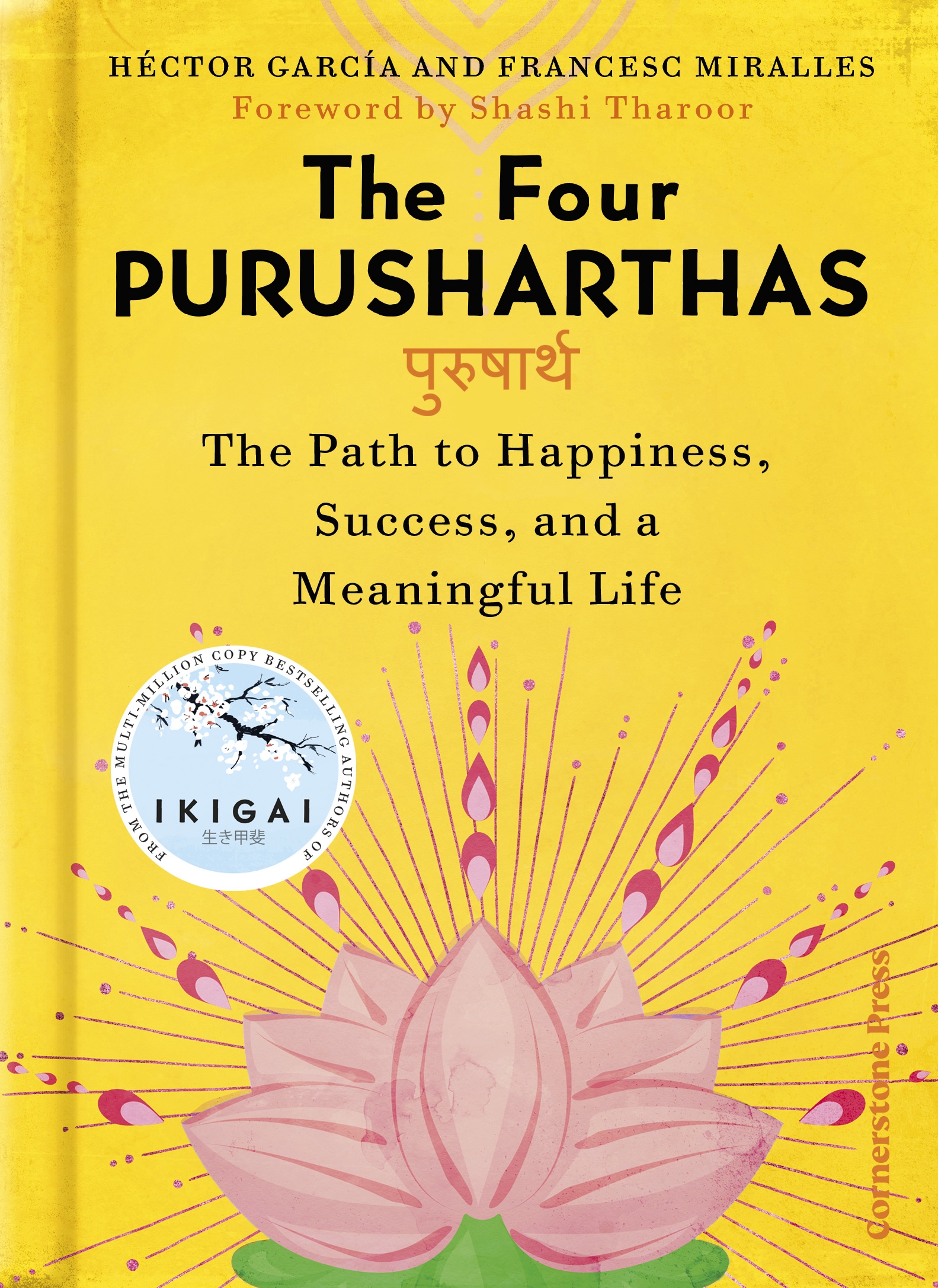
DISCOVER A NEW LIFE-CHANGING SECRET FOR HAPPINESS AND SUCCESS
Purushartha (n.): The ultimate purpose of human beings.
In Hindu philosophy, there are four goals that all human beings strive for: virtue, prosperity, love and freedom. These are the four purusharthas.
Having helped people all over the world live longer with their book on the Japanese concept of ikigai, the authors are now on a mission to honour the balanced way of life they discovered in India. Inspiring and comforting, this book shares the ancient wisdom of the four purusharthas to help you awaken your creative potential, free yourself from stress and fear, and live with greater energy.
By using the four purusharthas to align yourself, you can unlock the key to a life full of inspiration, beauty, peace, and meaning.
Choice
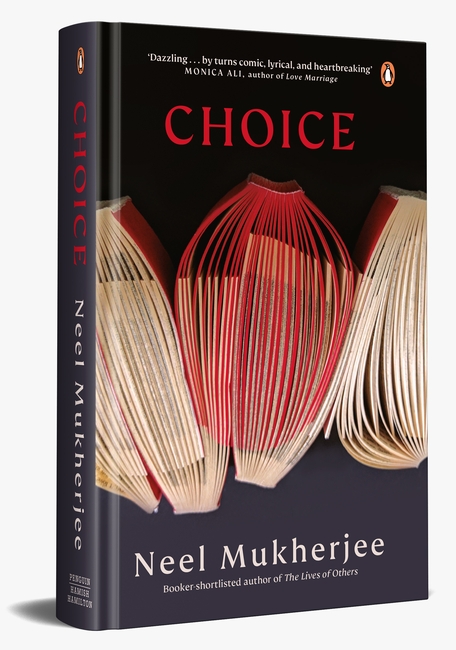
A publisher, who is at war with his industry and himself, embarks on a radical experiment in his own life and the lives of those connected to him; an academic exchanges one story for another after an accident brings a stranger into her life; and a family in rural India have their lives destroyed by a gift. These three ingeniously linked but distinct narratives, each of which has devastating unintended consequences, form a breathtaking exploration of freedom, responsibility, and ethics. What happens when market values replace other notions of value and meaning? How do the choices we make affect our work, our relationships, and our place in the world? Neel Mukherjee’s new novel exposes the myths of individual choice, and confronts our fundamental assumptions about economics, race, appropriation, and the tangled ethics of contemporary life.
Choice is a scathing, compassionate quarrel with the world, a masterful inquiry into how we should live our lives, and how we should tell them.
The Life Impossible

The remarkable next novel from Matt Haig, the author of #1 New York Times bestseller The Midnight Library, with more than nine million copies sold worldwide
“What looks like magic is simply a part of life we don’t understand yet…”
When retired math teacher Grace Winters is left a run-down house on a Mediterranean island by a long-lost friend, curiosity gets the better of her. She arrives in Ibiza with a one-way ticket, no guidebook and no plan.
Among the rugged hills and golden beaches of the island, Grace searches for answers about her friend’s life, and how it ended. What she uncovers is stranger than she could have dreamed. But to dive into this impossible truth, Grace must first come to terms with her past.
Filled with wonder and wild adventure, this is a story of hope and the life-changing power of a new beginning.
Leech and Other Stories
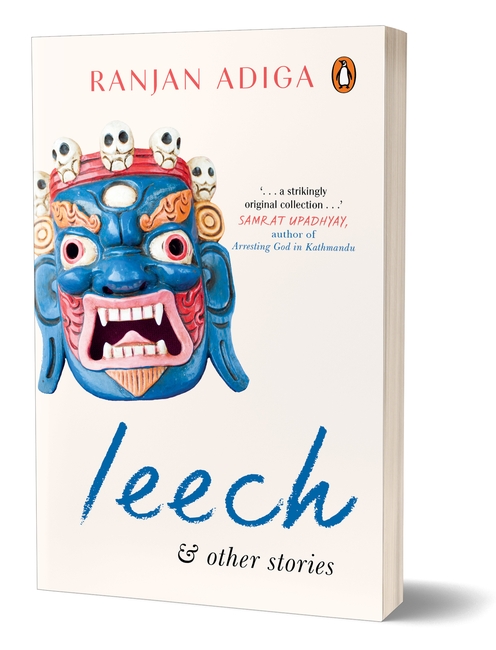
Leech dives into the stories and lives of contemporary Nepalis struggling to belong to new worlds. In Kathmandu, they are caught between tradition and progress. In America, it is no different.
A leech caught inside a man’s nostril reveals fissures of class; a middle-aged Nepali man tries to come to terms with his sexuality in a deeply conventional social system; a professor worries about his immigrant status; a young couple try to bridge the silences in their relationship after moving to America.
Each story explores the distance between home and abroad, desire and reality, allegiance and treachery.