



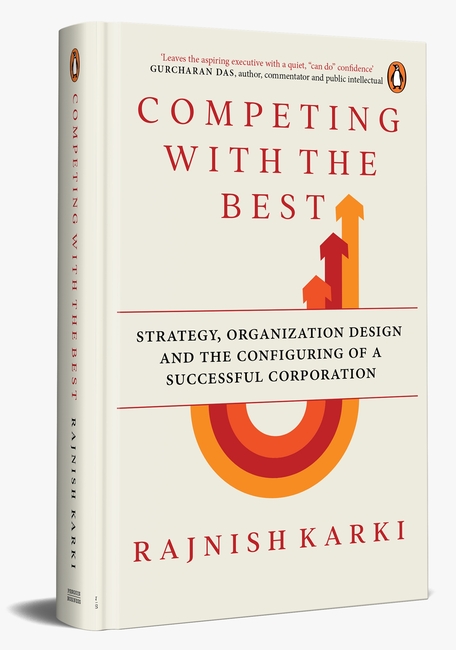
Competing with the Best offers the blueprint of being a successful corporation, in India and elsewhere. It remarkably brings together the research and practice of management—that have drifted far apart—and outlines the viable strategies and organization designs for corporations, and the ways of configuring them for success. These have proven effective in a variety of contexts, including for most of the cases in the book, by standing the test of time for well over a decade. The book remains a world-class work on strategic management from India and makes up for the lull globally in breakthrough thinking in this area since the 1990s. It will be an indispensable resource for senior executives, researchers and students alike.
Archives: Books
BEST OF VINTAGE CLASSICS COLLECTION (5 BOOKS BOX SET)

A beautifully designed slipcase containing five of the greatest novels ever written in English.
The Best of Vintage Classics Collection is a boxset of five of the greatest novels ever written in English. Discover a satire of the madness of war, a genre-bending literary quest, a visionary dystopia, a tortured love affair and a gangster thriller – all the finest examples of their genre. This is a selection of must-read classic books.
Contains:
Catch-22 by Joseph Heller
Brave New World by Aldous Huxley
If On A Winter’s Night A Traveller by Italo Calvino
Brighton Rock by Graham Greene
Of Human Bondage by W. Somerset Maugham
Fast Like a Girl: A Woman’s Guide to Using the Healing Power of Fasting to Burn Fat, Boost Energy, and Balance Hormones
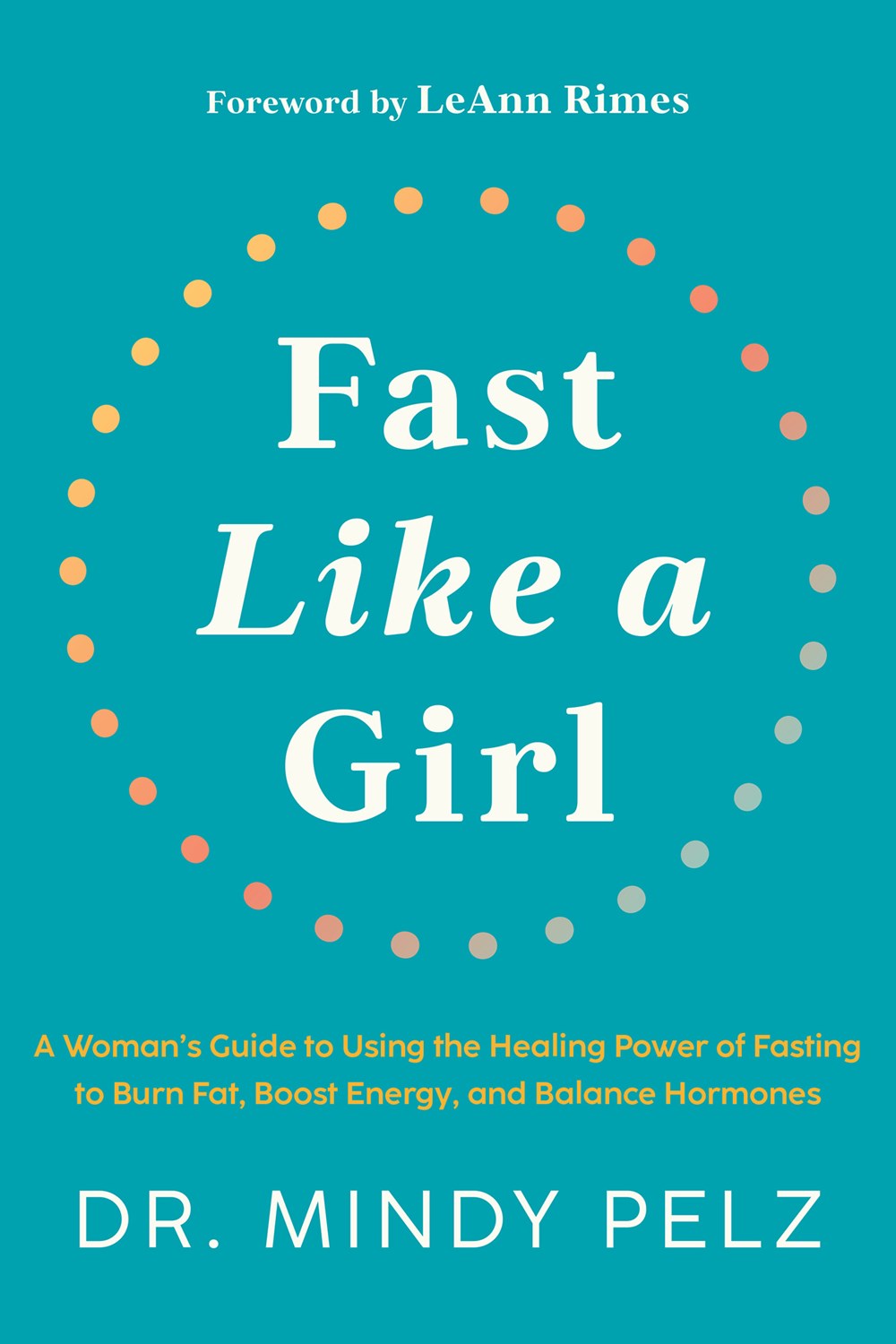
WALL STREET JOURNAL BESTSELLER!
Includes a 30-Day fasting reset that uses the power of your cycle—even if you no longer have one!
A go-to fasting manual created specifically to address women’s needs based on their hormones and menstrual cycle by Dr. Mindy Pelz, a well-known expert on women and fasting, whose fast-growing YouTube channel has become the destination for women who want to learn about fasting.
Are you among the many women who feel unheard and unseen by their doctors and health professionals? Have you become exhausted by the promise of quick-fix diets that only leave you disappointed? Well in Fast Like a Girl, Dr. Mindy helps you to take back control of your health by using the quickest path back to better health—fasting.
While most fasting advice has been a one-size-fits-all approach that leaves women with more questions than answers, in this book Dr. Mindy shares the proven strategies, specific protocols to use if you are trying to overcome a condition, fasting hacks, and tools that she has used to help hundreds of thousands of women thrive with their fasting lifestyles.
Dr. Mindy will teach you:
• the rights steps on how to go from eating all day to intermittent fasting (13-15 hours)
• how to safely fast longer if you choose to do so (15-72 hours)
• how to time fasting according to your menstrual cycle (although if you don’t have a cycle, she has you covered)
• the best foods to break your fast to achieve better metabolic health
This book also includes more than 50 recipes based on the two food plans—ketobiotic and hormone feasting—she created to best support women’s hormones. And, it has recipes specifically created to break a fast such as her Coconut Cacao Chia Pudding.
Inspired by the thousands of women she has worked with who have reclaimed their health with fasting, Dr. Mindy wrote this book because, “once a woman knows how to build a fasting lifestyle around her cycle, she becomes unstoppable.”
My Life with the Walter Boys
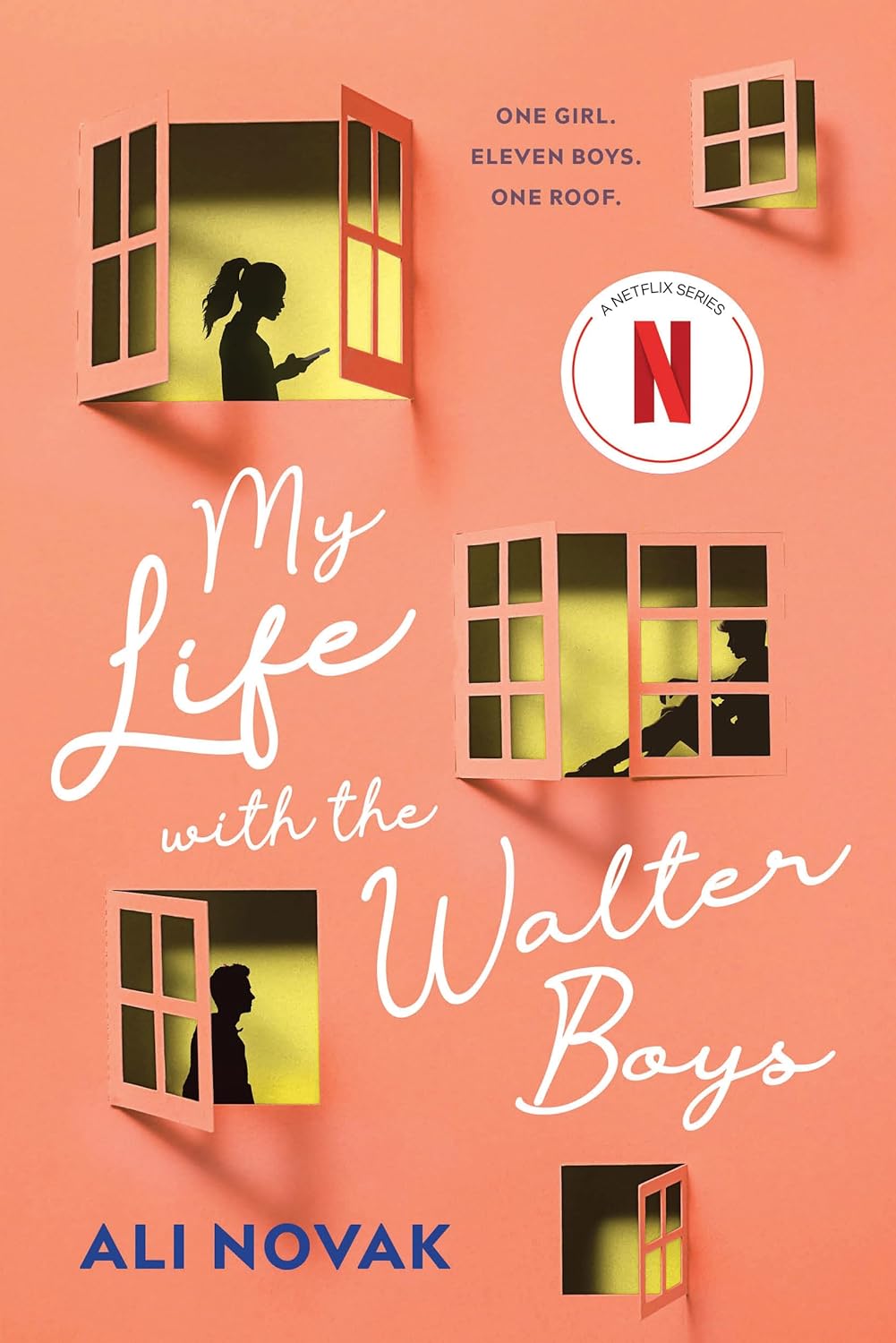
Soon to be adapted for TV by Netflix!
When a tragic accident leads Jackie to move into a house filled with twelve boys, she gets far more than she ever expected. This sweet YA romance is perfect for fans of Kasie West and Jenny Han—and is one of the most beloved Wattpad books ever!
Moving in with twelve boys was not part of the plan.
Jackie’s goal is perfection—perfect grades, the perfect look, getting into the perfect school. If she can achieve that, then maybe her too-busy mom and dad will take notice. But when her parents die in a tragic accident, Jackie is shipped off across the country to live with the Walters, her new guardians…who just happen to have twelve sons (well, eleven, but their daughter, Parker, is basically one of the boys).
The Walter boys are loud, dirty, annoying—and, okay, some of the older boys might be Greek god level hot, but they don’t think a city girl belongs on their horse ranch. How is Jackie supposed to fit into their chaotic world when she needs to keep her parents’ memory alive by living up to the promise of perfect?
But as Jackie spends more time the Walter boys, she begins to wonder if the perfection she’s always strived for isn’t the only way to find love after all.
Funny and moving, My Life with the Walter Boys is perfect for readers looking for:
-Wattpad love stories
-contemporary romance for teens
-binge-worthy YA novels
-relatable characters
Athena’s Child
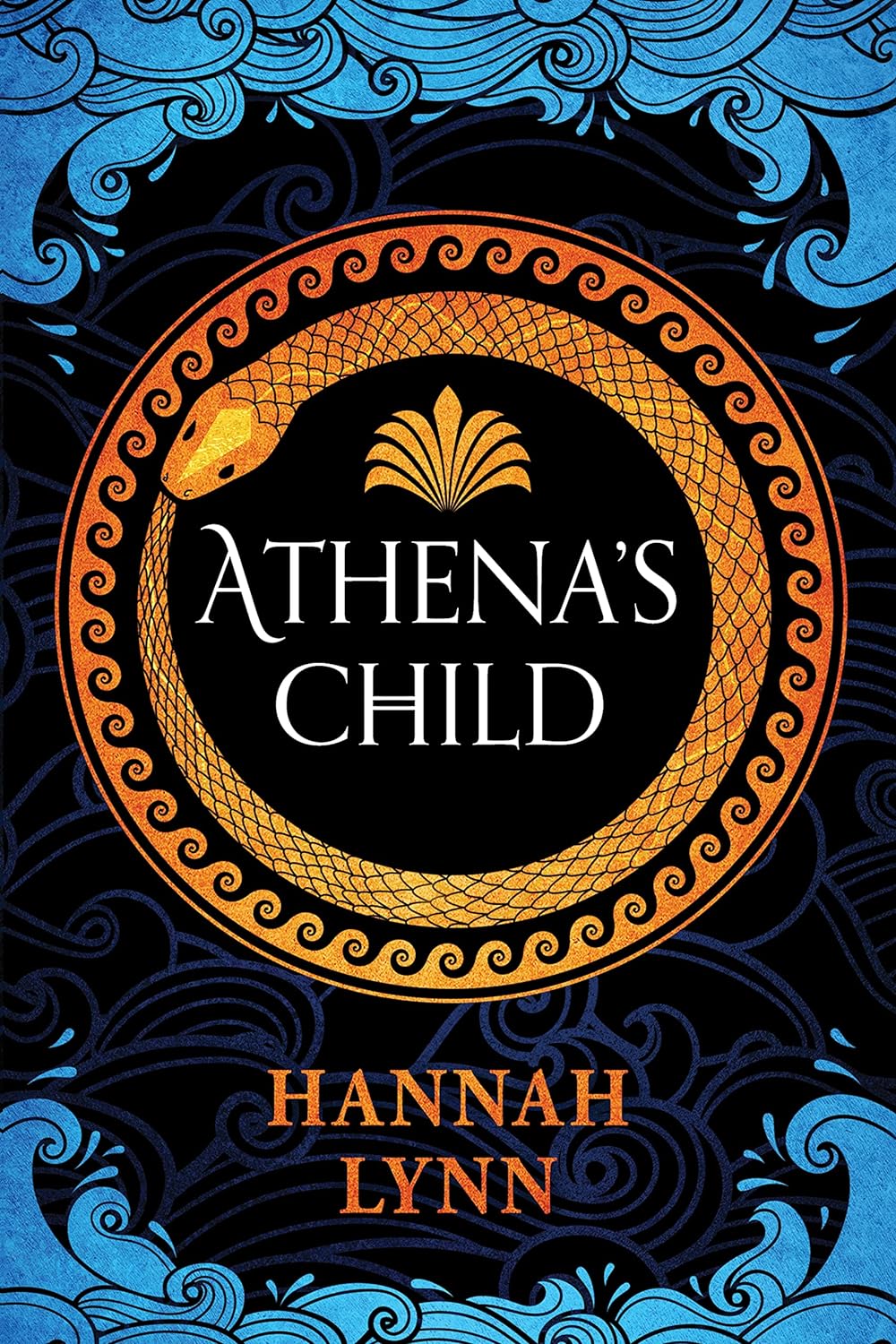
For readers of Madeleine Miller and Natalie Haynes comes the story of the most infamous monster of Greek mythology: Medusa.
First, they loved her. Then, they abused her. Finally, they made her a villain.
Gifted and burdened with stunning beauty, young Medusa seeks sanctuary with the Goddess Athena. But when she catches the eye of the lecherous but mighty Poseidon, she is beyond protection. Powerful men rarely answer for their actions, after all.
Meanwhile, Perseus embarks on a seemingly impossible quest, equipped with only bravado and determination…
Medusa and Perseus soon become pawns of spiteful and selfish gods. Faced with the repercussions of Athena’s wrath, blamed for her assault, Medusa has no choice but to flee and hide. But can she do so without becoming the monster they say she is?
Medusa’s truth has long been lost. History tells of conquering heroes, of men with hearts of gold. Now it is time to hear the story of how history treats women who don’t comply.
Career and Family: Women’s Century-Long Journey Toward Equality
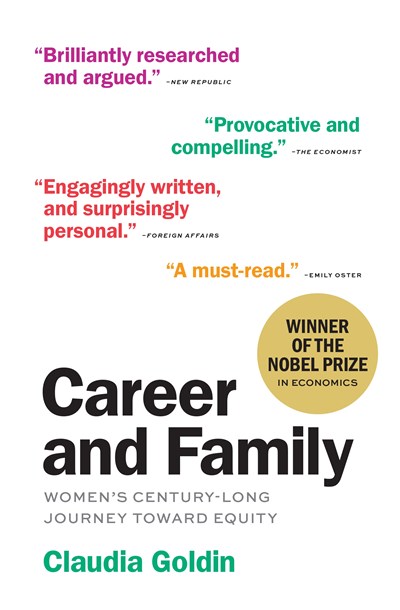
Winner of the 2023 Nobel Prize in Economics
A renowned economic historian traces women’s journey to close the gender wage gap and sheds new light on the continued struggle to achieve equity between couples at home.
A century ago, it was a given that a woman with a college degree had to choose between having a career and a family. Today, there are more female college graduates than ever before, and more women want to have a career and family, yet challenges persist at work and at home. This book traces how generations of women have responded to the problem of balancing career and family as the twentieth century experienced a sea change in gender equality, revealing why true equity for dual career couples remains frustratingly out of reach.
Drawing on decades of her own groundbreaking research, Claudia Goldin provides a fresh, in-depth look at the diverse experiences of college-educated women from the 1900s to today, examining the aspirations they formed—and the barriers they faced—in terms of career, job, marriage, and children. She shows how many professions are “greedy,” paying disproportionately more for long hours and weekend work, and how this perpetuates disparities between women and men. Goldin demonstrates how the era of COVID-19 has severely hindered women’s advancement, yet how the growth of remote and flexible work may be the pandemic’s silver lining.
Antidiscrimination laws and unbiased managers, while valuable, are not enough. Career and Family explains why we must make fundamental changes to the way we work and how we value caregiving if we are ever to achieve gender equality and couple equity.
Koi Shikayat Nahin/कोई शिकायत नहीं

‘मैं केवल यह कहना चाहती थी कि आप मेरा शरीर ले सकते हैं, लेकिन मेरा मन नहीं ले सकते, यह कभी आपका न हो सकेगा।’ नवेली वधू के मुख से ये शब्द सुनकर हरिदत्त की जो दशा हुई, उसे बयान नहीं किया जा सकता, उसने उफ तक न की, लेकिन उसने वह कर दिखाया, जो आज तक न कभी देखा था, न सुना था।
मनुष्य क्या से क्या हो सकता है, इस उपन्यास में यह बहुत ही कुशलता के साथ दर्शाया गया है।
Ek Kadam Aage Do Kadam Peche/एक कदम आते दो कदम पीछे
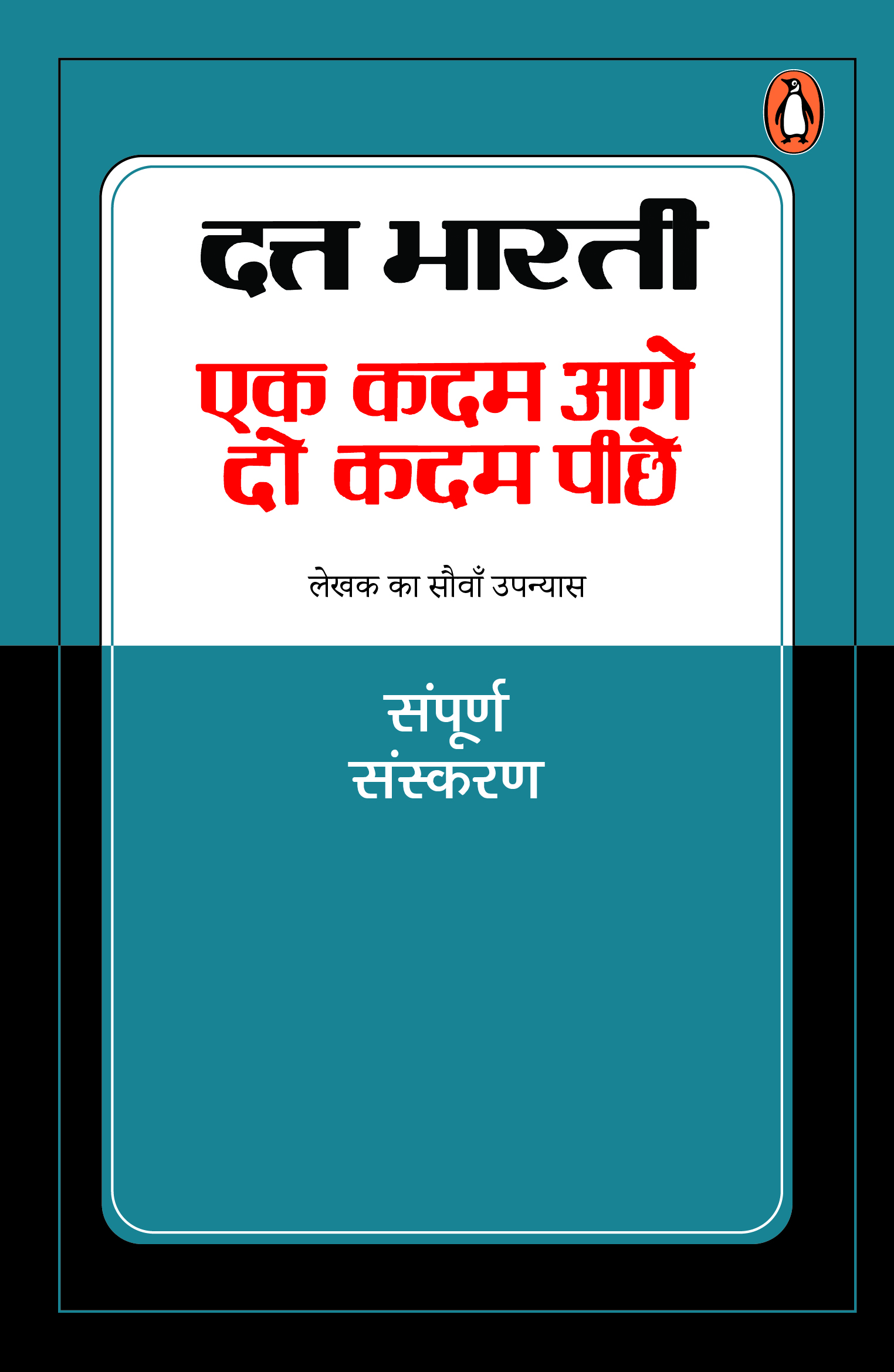
दत्त भारती ने अपने इस मार्मिक उपन्यास में समाज में धीरे-धीरे शामिल हो रही कुरीतियों को आधार बनाया है। इसकी कहानी पाठक को सोचने के लिए विवश करती है और साथ ही गर्त की ओर अग्रसर समाज का यथार्थवादी चित्रण दर्शाता है कि हम विकास नहीं विनाश की ओर बढ़ रहे हैं। धन के लिए मुनष्य किस स्तर तक गिर जाता है, यह इस उपन्यास में स्पष्ट कयि गया है।
Jharokha/झरोखा
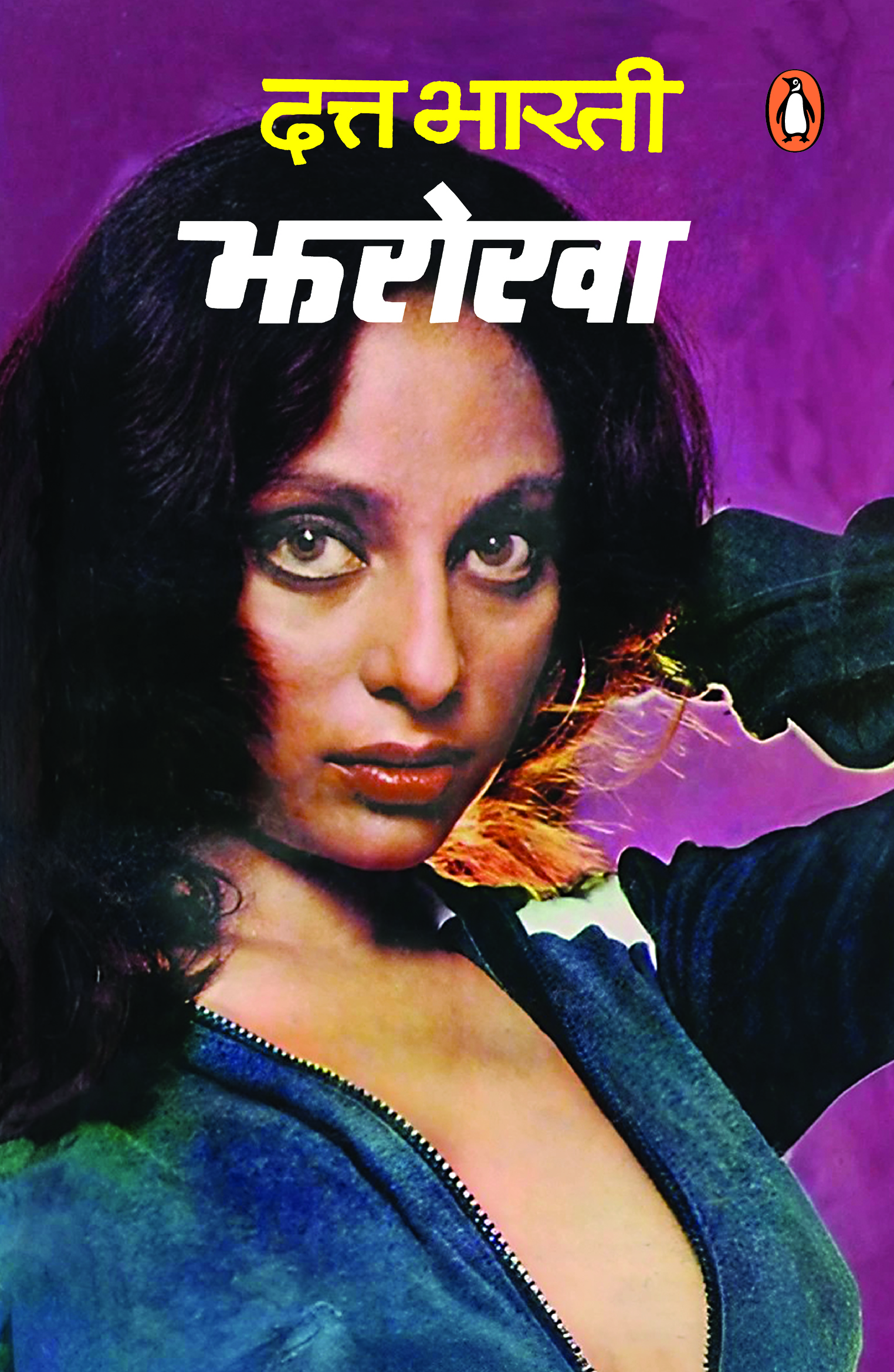
अक्षय एक ऐसा पत्रकार था, जो गरीबी की खाई से उठकर अपनी मेहनत और ईमानदारी से प्रसिद्धि की बुलंदियों तक पहुंचा। स्मृति एक ऐसी औरत थी जिसके रोम-रोम में प्यार बसा था, लेकिन उसे न अपने आप पर भरोसा था और न दूसरे पर भी। खोजी पत्रकार को क्या कुछ त्याग करना पड़ता है यह इस उपन्यास में दर्शाया गया है साथ ही इसमें प्रेम एवं घृणा की ऐसी दास्तान भी है जो हर किसी के रोंगटे खड़ी कर देती है।
Aag Aur Gulab/आग और गुलाब
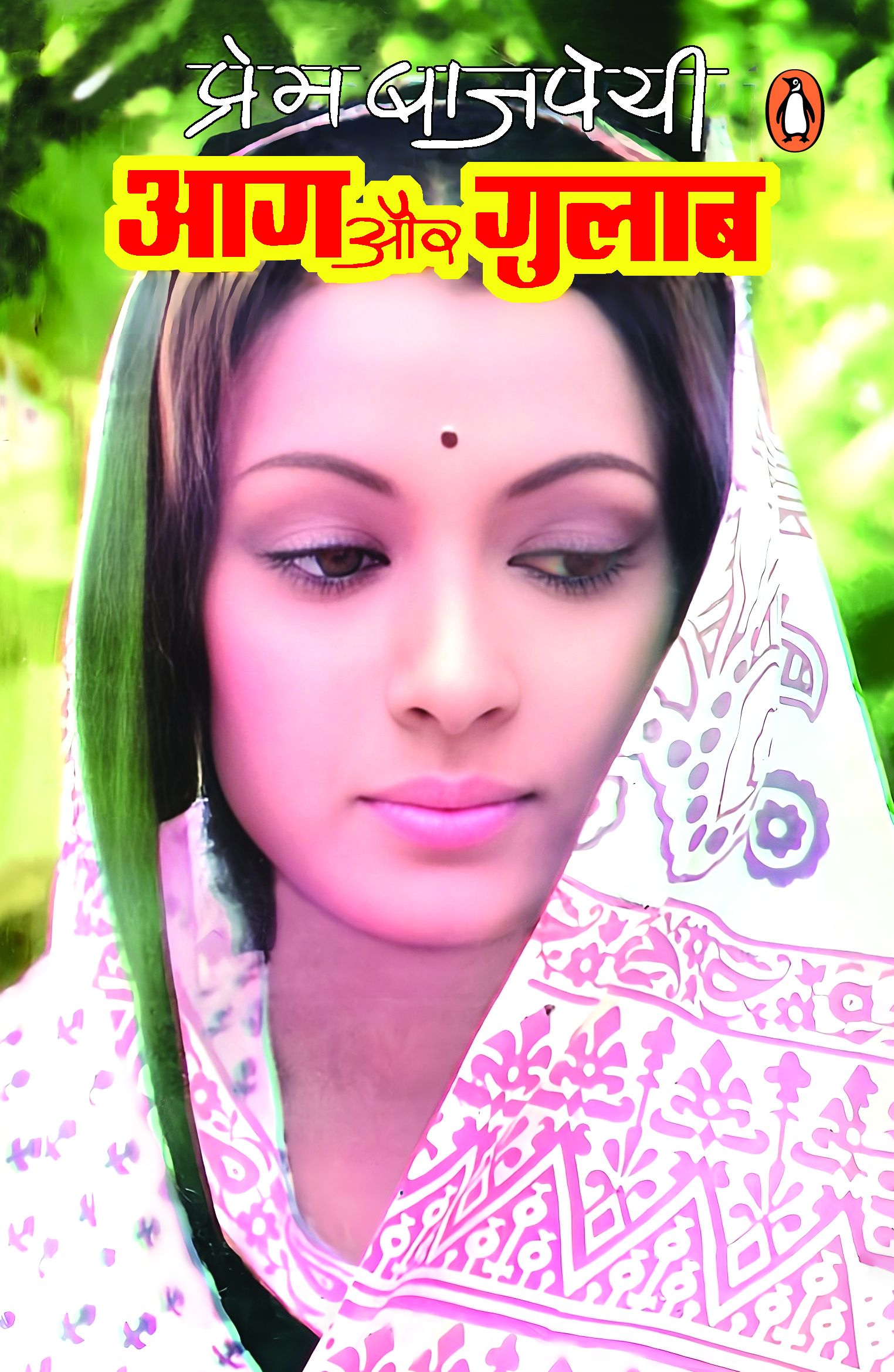
गुलाब का रंग दहकती हुई आग के समान होता है, और आग का रंग भी गुलाब के रंग जैसा ही होता है; किन्तु दोनों के प्रभाव में धरती-आसमान का अंतर होता है। गुलाब में ठंडक, ताज़गी और कोमलता होती है, जबकि धधकती हुई ज्वाला विनाश का हाहाकारी रूप धारण कर लेती है। प्रेम बाजपेयी का वह रोमांचक उपन्यास, जिसकी घटनाएंॅ आप कभी भूल नहीं सकेंगे। एक ऐसी नारी की जीवन-कथा, जो गुलाब के मानिन्द थी, किन्तु उसके भीतर आग के शोले धधक रहे थे। बेहद आसान भाषा में लिखा गया यह उपन्यास जितना रोचक है, इसकी लेखनशैली भी उतनी ही दमदार है।