Charting out a roadmap for India depends on a sound understanding of how India is unique and why it is shaped the way it is.
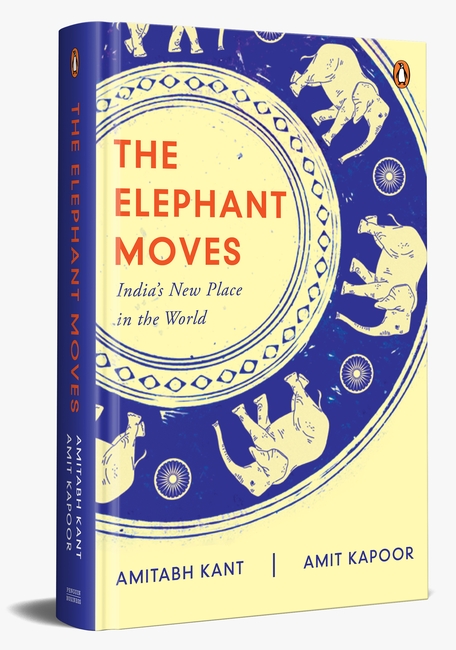
The Elephant Moves unfolds a captivating saga, tracing India’s economic journey through the lens of competitiveness. From unraveling economic history (‘origins unveiled”) to navigating global dynamics (“sailing the tides”), the book explores the forces shaping nations. It delves into the facets of many Indias, unveiling opportunities in heterogeneity.
Envisioning India’s path to a developed economy by 2047, the book addresses challenges such as job creation, policy implementation, and the imperative for shared prosperity that are met through guiding principles grounded in shared value, social progress, and prosperity. Providing a dynamic vision for India’s diverse future, the book urges readers to embrace a narrative where India, rooted in regional diversity, shapes its global destiny.

The story of a man who will stop for nothing but love and will give nothing less than complete loyalty!
Born in an impoverished Sikh family in Bihar, Gobind is content to live under the long shadow of poverty. Then, one day, moved by his father’s words, Gobind vows to uplift his life and change his and his family’s fortunes forever.
A soldier at heart, he joins the Indian Navy and becomes a shining star, all set to achieve great success. No one though knows the pain he’s carrying in his heart—that of an unfulfilled promise, an unrequited love.
Soon fate throws him one more challenge—on an assignment to Russia he meets someone who’s not only extraordinarily beautiful, but also reminds him of his lost love. The only catch is, being with her will jeopardize the pledge he made to the navy notwithstanding his heroic rescue of his course mates.
What decision will he make? Who will he choose? Which promise will he break?
A thriller, a love story, a saga of passion and human endurance, Gobind is a page-turner that will keep you spell bound long after you’ve finished reading it.

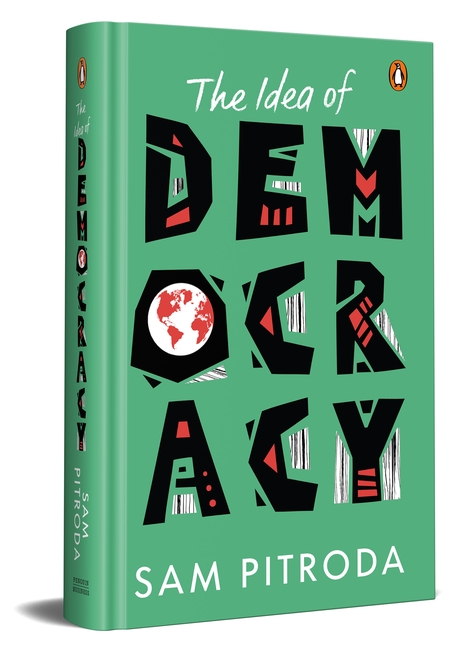
Today global democracy is at a crossroads because of the rise in polarized politics, authoritarian regimes and the use of social media to manipulate and amplify lies, hate and misinformation.
While electoral democracy continues to be the most prevalent form of government, a series of indicators measuring political and civic freedom reveal that the institution of democracy is in deep distress. With the liberal foundations of democracy shakier than ever before, confidence in institutions has plummeted. This book looks at this paradox of so-called democratic success coupled with its liberal decline. It provides a detailed analysis of the essence of democracy, its workings, the kind of values it needs to encapsulate, forces and safeguards which work in liberal democracy’s favour and how they can be preserved.
This book is meant to stimulate conversation, particularly among the youth on what the idea of democracy means to them and the role that they can play in helping democracy survive—and thrive—in the coming era.

Unlock your spiritual potential with Secrets of Divine Love and Secrets of Divine Love Journal!
Secrets of Divine Love draws upon the spiritual secrets of the Qu’ran, mystical poetry and stories from the world’s greatest prophets and spiritual masters to help you reignite your faith, overcome your doubts and deepen your connection with God. The book uses a rational yet heart-based approach towards the Qu’ran that not only enlightens the mind, but also inspires the soul towards deeper intimacy with God.
The Secrets of Divine Love Journal, based on the award-winning book, can help you foster a deeper relationship with Allah by connecting you with the heart of your faith in a more intimate and inspiring way. Beautifully designed, each chapter of the Secrets of Divine Love Journal starts with a quote from Secrets of Divine Love alongside a verse of the Qur’an followed by a story and reflection, a heart-opening prayer, journal prompts, a quote to contemplate upon, and a closing prayer of gratitude.
Filled with practical exercises and guided meditations, these books will help you to reflect upon and enjoy your faith from a more holistic perspective.
Amazon and Walmart, with more than half a trillion in revenues annually, are the two largest companies in the world. They have not only redefined the retail industry—Walmart in the 1980s/1990s and Amazon since 2000—but have also been the benchmark for business best practices (e.g., the use of IT, supply chain, data analytics, customer orientation). This year, it is anticipated that Amazon will dethrone Walmart as the world’s largest company, a position that Walmart has occupied for more than two decades.
By examining these two companies and their business models in depth, Professor Nirmalya Kumar elucidates on the more general phenomenon of incumbents competing with disruptors (e.g., Volkswagen vs Tesla, Marriott vs Airbnb) as well as the move to omnichannel retail where physical stores must coexist with online retailers.

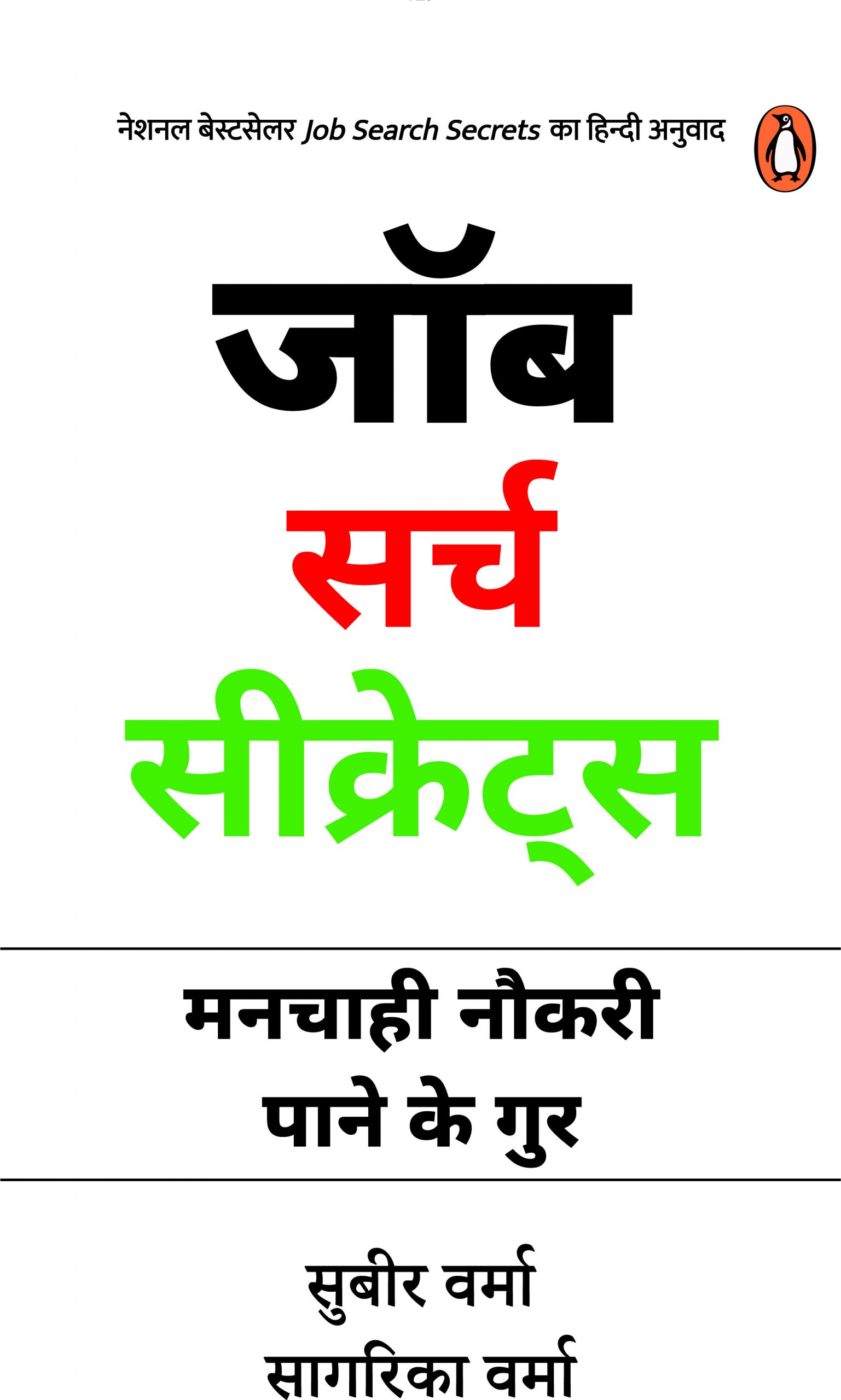
नौकरी बाज़ार और साक्षात्कार प्रक्रिया कैसे काम करती है, इसकी समझ की कमी के कारण हजारों प्रतिभाशाली लोग योग्य नौकरियों के लिए संघर्ष करते हैं। इसलिए यह पुस्तक अत्यंत प्रासंगिक हो जाती है – पहली बार नौकरी के बाज़ार में प्रवेश करने वालों के लिए और जो लोग मध्य-कैरियर स्विच करना चाहते हैं उनके लिए भी। इस पुस्तक का विषय ही कुछ ऐसा है कि अधिक से अधिक लोग पुस्तक को पढ़ना चाहेंगे, ताकि वे इन नौकरी खोजने के रहस्यों को तोड़ सकें और अपनी वास्तविक क्षमता प्राप्त कर सकें। विश्लेषकों का कहना है कि यह पुस्तक किसी भी नौकरी चाहने वाले के लिए आज और कल अवश्य पढ़ी जानी चाहिए।

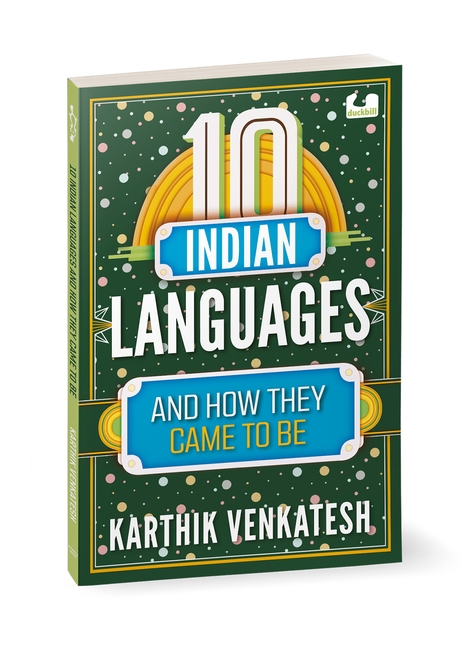
This book talks about ten Indian languages—of the thousand-odd languages spoken in India—and their evolution, transformation and development. These languages are:
Tamil
Telugu
Brahui
Santali
Khasi
Kokborok
Manipuri
Marathi
Punjabi
Hindi
Karthik Venkatesh traces the long and varied journeys of these languages through time, examining the cultural shifts and political and social influences that have shaped them. He provides a glimpse of their literature, tracks the growth of their scripts and identifies landmark moments that have preserved and reinvented these ten Indian languages.
A visitor mistakes Ritu’s bird call for an ostrich’s and wants to see the bird.
But there are no ostriches on Henry Island! where will Ritu find one to show him?

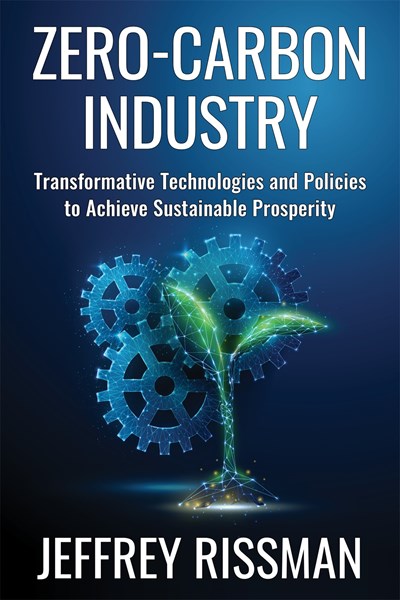
The power sector and transportation tend to dominate conversations about climate change, but there’s an under-the-radar source of climate pollution that must be addressed: industry.
Globally, industrial activity is responsible for one-third of human-caused greenhouse gas emissions. Though industry is a major emitter, it is essential for producing the tools we need to fight climate change—like wind turbines, solar panels, and electric vehicles—and for meeting our everyday needs. How can industry eliminate its climate pollution while supplying transformational technologies?
This book delivers a first-of-its-kind roadmap for the zero-carbon industrial transition, spotlighting the breakthrough innovations transforming the manufacturing sector and the policies that can accelerate this global shift. Jeffrey Rissman illustrates the scope of the challenge, diving into the workings of heavy polluters like steel, chemicals, plastics, cement, and concrete. He examines ways to affordably decarbonize manufacturing, such as electrifying industrial processes, using hydrogen, deploying carbon capture and storage, and growing material efficiency with lightweighting and 3D printing. But technologies are only part of the picture. Enacting the right policies—including financial incentives, research and development support, well-designed carbon pricing, efficiency and emissions standards, and green public procurement—can spur investment and hasten emissions reductions. Rissman provides a framework to ensure that the transition to clean industry enhances equity, health, and prosperity for communities worldwide.
Engaging and comprehensive, Zero-Carbon Industry is the definitive guide to decarbonizing the vast—yet often overlooked—global industrial sector.

What would it take to achieve a genuinely food-secure world—one without hunger or malnutrition, where everyone gets to consume the right quantity and quality of food to live a healthy, active, and productive life?
Bringing about such a future requires transforming how our food is grown, managed, and distributed. From production to consumption, food systems must be sustainable, halting environmental degradation and even repairing the damage we have previously done.
This book provides an accessible guide to making healthy diets from sustainable food systems available to all. Glenn Denning bridges the divisive worlds of science, policy, and practice. He synthesizes the most relevant literature and shares personal perspectives and insights gained over four decades working in more than fifty countries, coupled with the real-world experience of hundreds of leading experts. Universal Food Security lays out key priorities—sustainable intensification, market infrastructure, postharvest stewardship, healthy diets, and social protection—and presents how to achieve food systems transformation.
Denning identifies the education and development of practitioner-leaders as the critical trigger of change. Universal Food Security informs and inspires those leaders—acting on their own and with others through institutions—to achieve a food-secure world. This book is an ideal handbook for students and practitioners looking to transform our food systems at all levels.