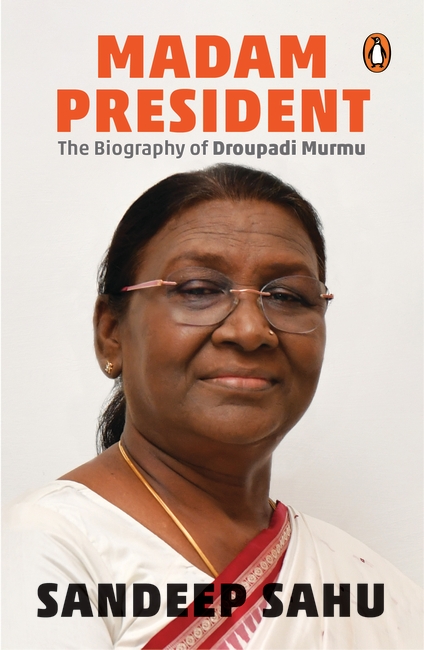
Madam President is the first-ever comprehensive and authentic biography of Droupadi Murmu, the fifteenth President of India, by senior journalist Sandeep Sahu. Murmu’s long and eventful political journey is a story of true perseverance and inspiration. Having battled early years of struggle in securing quality education, being struck by a series of personal tragedies such as the loss of her husband and two sons in quick succession,
and suffering electoral victories and losses, Murmu has risen through her circumstances with grace, fortitude and resilience that make her the well-revered leader she is today.
In this stellar biography, Sahu writes on Murmu’s life’s work, a journey that started as councillor in the Rairangpur civic body, having previously also served as Governor of Jharkhand, and reaching the Rashtrapati Bhavan. As the first Indian President from the tribal community, her phenomenal rise as an earnest and ambitious young woman, who would, with dedication and rigour, go on to become the most powerful woman in the country, presents a fascinating study of democratic empowerment in India.

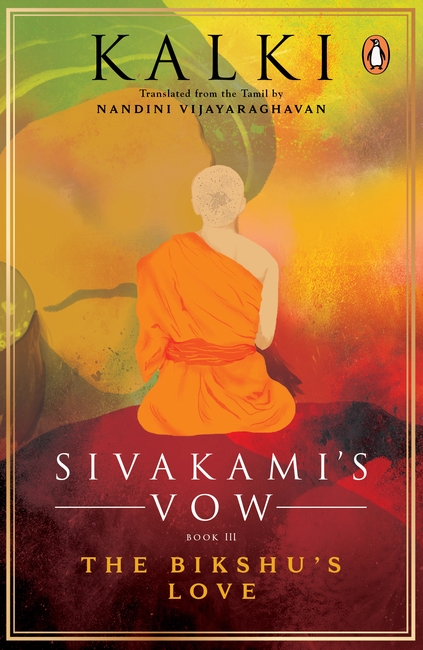
After successfully fending off the Chalukya’s siege of Kanchi, the Pallava emperor Mahendra Varmar drives the enemy king, Pulikesi, to call for a truce. The statesman in Pallavar is keen to convert a foe into a friend, but a vengeful Pulikesi reneges on his commitment. While the Pallavas are successful in chasing the Chalukyas away, Pallava Nadu bears the brunt of Pulikesi’s wrath.
Fate wields its unpredictable hand further.
A rash decision by the sculptor Aayanar and his daughter Sivakami results in her being abducted by the Chalukyas. Sivakami takes a momentous vow, little realizing how far-reaching the consequences will be.
How will the Pallava crown prince Narasimha Varmar, who is in love with Sivakami, act? Will Mahendra Varmar shape his son’s future in a manner he had always envisaged? And what role will the Machiavellian bikshu play in Sivakami’s life as a captive?
The Bikshu’s Love, the action-packed third volume of Sivakami’s Vow, is unputdownable, and sets the stage for the startling climax of this magnum opus in the fourth and final book in the series.

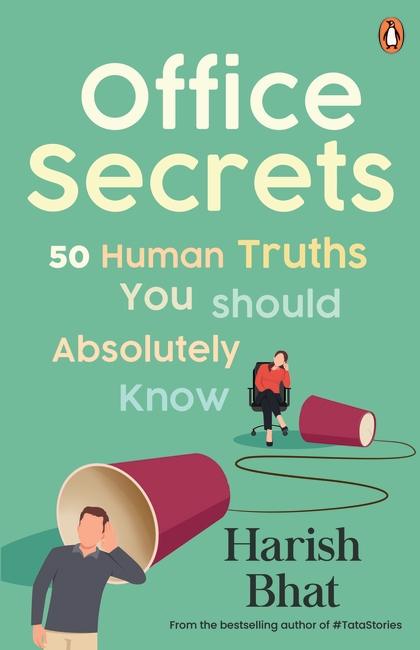
The corporate masks we wear hide many a secret. The most potent are not the secret financial numbers or confidential strategy documents hidden away in locked drawers or in safes but the simple ones-good filter coffee, generosity and thirty minutes of me-time.
This book offers a selection of fascinating and useful secrets that can help you be far more successful at your workplace. As a bonus, they can make you happier as well. You will find within a range of subjects-whether the best methods of fighting exhaustion, organizing your work desk, the power of listening, why kindness is so important, workplace lessons from Hercule Poirot and what you can learn from the cookies that your colleagues eat.
Harish Bhat wields his pen with his signature insight to delight, inspire, provoke and change the way you see offices forever.

Ranjit Hoskote’s eighth collection of poetry enacts the experience of standing at the edge-of a life, a landscape, a world assuming new contours of going up in flames. Yet the protagonists of these poems also stand at the edge of epiphany.
Icelight transits between audacious exploration and contemplative retreat, doubt and belief, melancholia and momentum. Hoskote’s poetry unseals deep scales of geological time and strata of historical memory, always aware of the perils currently confronting the planet. His poems are informed by the unfolding crises of war and ecocide. This is a book about transitions and departures, eloquent in its acceptance of transcience in the face of mortality.
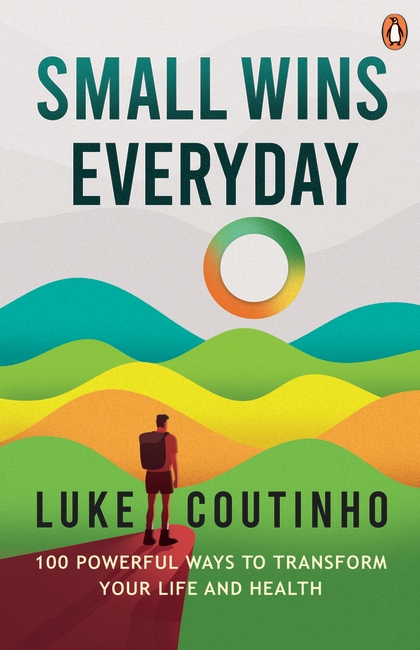
Nothing is as daunting as a goal. Many of us struggle with achieving them – be it in life, health, love and career. When you set unrealistic goals and keep failing, your intelligently designed brain tries to protect you from the pain and negative emotions that come with failure.
In Small Wins Every Day, Luke Coutinho presents a simple premise with powerful results, teaching you to rewire your brain for success. The hack? Break down your goals into small wins that you can achieve every day. Stacked over time, these contribute to significant lifestyle changes, good health and happiness.
Simple and bite-sized but packed with a punch, here are 100 wins to change your life.
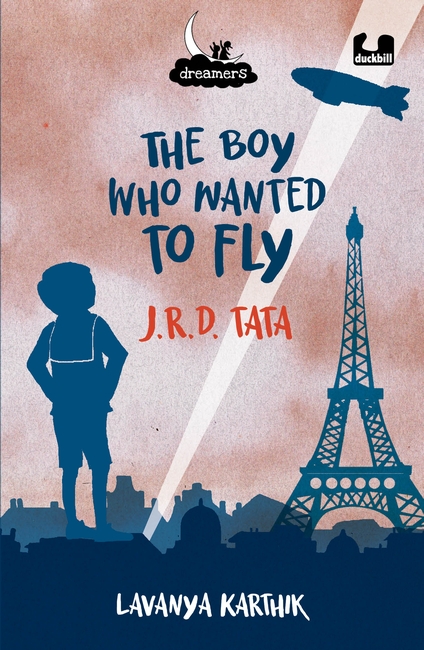
Before Jeh started India’s first airline and changed the way the nation travelled, he was a boy who dreamt of flying.
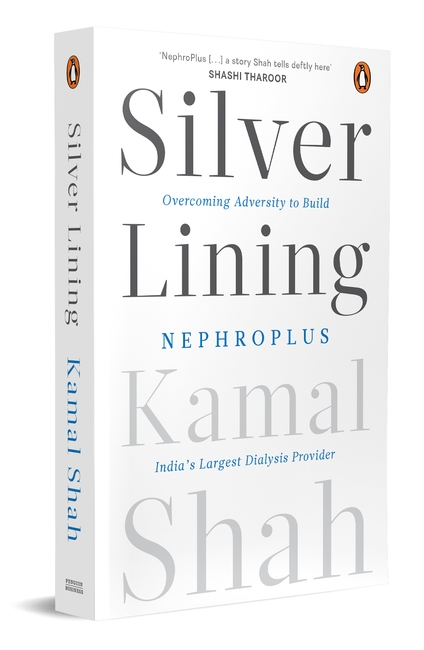
In 1997, Kamal Shah’s world turned upside down. On his way to study in the US, Shah was completing the formalities for a student visa, which included preventive vaccinations for hepatitis, typhoid, measles, mumps and rubella. He developed a slight fever following his shots, which he dismissed as a normal side effect. Within twenty-four hours, Shah was forced to rethink. His condition deteriorated overnight, prompting an emergency rush to the hospital. Further tests revealed the unimaginable: an atypical hemolytic uremic syndrome (AHUS). Kamal needed a kidney transplant.
A year of painful haemodialysis later, Kamal underwent a renal transplant. His mother had donated her kidney to her son, in the hope that he could survive. The surgery was unsuccessful. In the last decade and a half, Kamal has switched between peritoneal and home dialysis. It has been a painful, terrifying journey, documented painstakingly on his personal blog. That blog was the kernel for NephroPlus, a company that was born from Kamal’s desire to ensure that dialysis became accessible for every patient. Kamal Shah is still on dialysis, but it has not dimmed his hope or his belief that being diagnosed with terminal kidney disease is not the end of life, nor can it prevent you from living the life you want to live. That hope has been the driving force behind NephroPlus.
Today, NephroPlus is one of Asia’s leading dialysis networks with 320+ centres across 4 countries, including India, Nepal, the Philippines and Uzbekistan. Since NephroPlus offers specialized dialysis, one factor that has been responsible for the overwhelming response has been their charges, which are 30-40 per cent lower than those in hospitals like Max or Apollo. This is the story not just of NephroPlus, but of an entrepreneur like no other.
This is a unique business memoir, with a strong, moving touch of the deeply personal. Kamal writes with raw honesty about pain and fear and the darker side of healthcare in India. Yet this is also a story of faith, of grit and determination and, ultimately, of success.

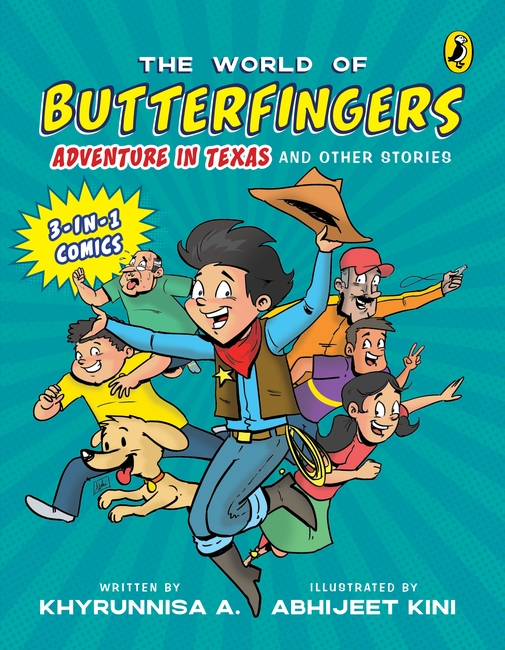
Chaotic Butterfingers, aka Amar Kishen, and his misadventures return in this collection of 3-in-1 comics. From travelling to Texas to solving a shoe mystery to getting into trouble and then saving the day–Butterfingers does it all!
Brand new baby shoes in a pile of garbage invite Amar and his friends to unravel the mystery of the missing baby.
A trip to Texas and Amar’s clumsiness take a rather unexpected turn to dizzying new heights!
Disaster strikes when Amar is tasked to run a marathon with his school principal leaving everyone with a case of the giggles.
So, drop everything and jump into this book . . . because where there’s Butterfingers, there’s bound to be fun, thrills and, of course, spills.
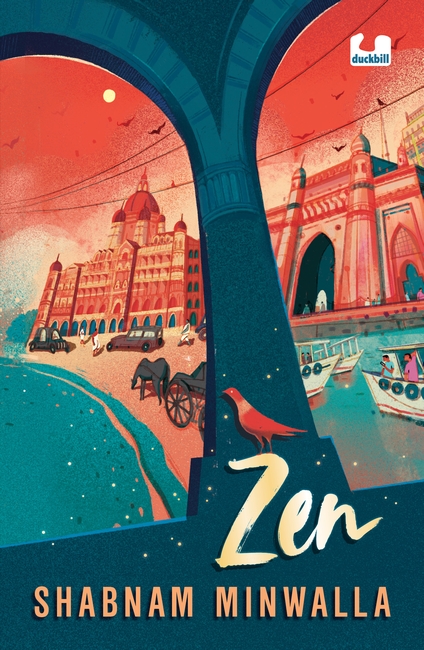
In 1935, Zainab Essanji wants to break out of her restricted life and be part of the independence movement. But it seems that all she is destined to do is embroider and wait to get married.
In 2019, Zainab Currimji, class XI student, is unhappy at getting drawn into debates and controversies which she would rather not be part of. But in India of 2019, how can one not be drawn into these?
In this deeply addictive, sweeping book about the life and times of the two Zainabs, is captured a short history of Mumbai, and of India. Of what we were and what we have become.
Zipping between the past and the present, between midnight’s children and millennials and getting both right, Shabnam Minwalla has crafted a page-turner whose heart is open, inclusive and populated by a host of memorable characters. -Jerry Pinto

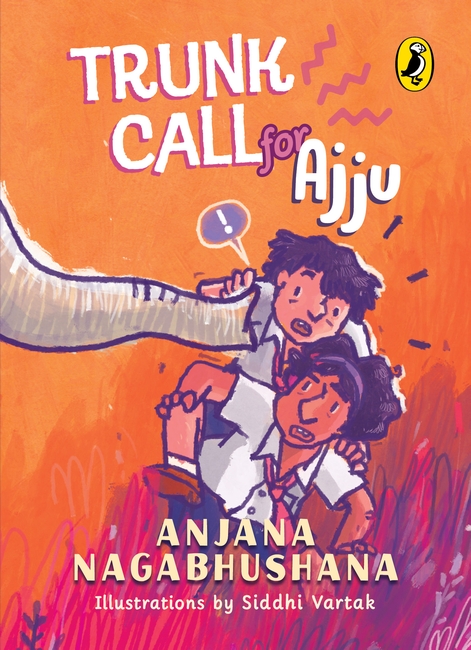
Hello! Can you hear me?
Between working out countable and uncountable nouns with his best friend Karthik, learning to be a budding guitarist with his music teacher Miss Alva, completing his homework, and getting into trouble with his parents for building sugar-cube igloos with his Kini Maasi, Ajju was living the life of a normal eight-year-old.
And it was all going great until a baby elephant walked into his life. Molly was an eight-month-old elephant in distant Zimbabwe. What could the connection between them possibly be?