



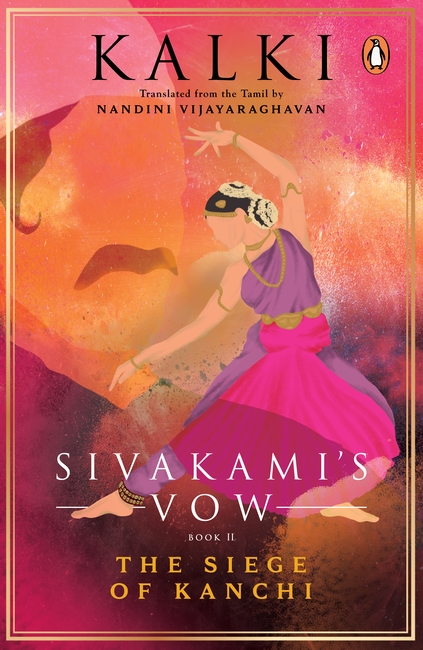
The political stature of the Pallava crown prince, Narasimha Varmar, has grown considerably after defeating the king of Ganga Nadu at the historic Pullalur battle. But he has more obstacles to overcome. Emperor Mahendra Pallavar, after restraining the Chalukya forces for nine months at the northern border of the Pallava kingdom, is on his way back to Kanchi and continues to oppose the crown prince’s relationship with the dancer, Sivakami.
Meanwhile, the Machiavellian Naganandi adigal has convinced Sivakami and Aayanar to leave their home in the forest against Narasimha Varmar wishes. And the Chalukya army marches towards Kanchi, causing destruction and damage across the countryside. Yet, the emperor remains unwilling to cross swords with them. Expecting the enemy to lay siege to the Kanchi fort, Mamallar must find a way to balance his duties as crown prince and his love for Sivakami.
Expertly weaving suspense, romance and drama, Kalki’s gripping narrative describes the tremendous efforts of the Pallavas to counter the Chalukya invasion and the growing intimacy between Mamallar and Sivakami in the action-packed second volume of Sivakami’s Vow: The Siege of Kanchi.
Archives: Books
India’s Vaccine Growth Story
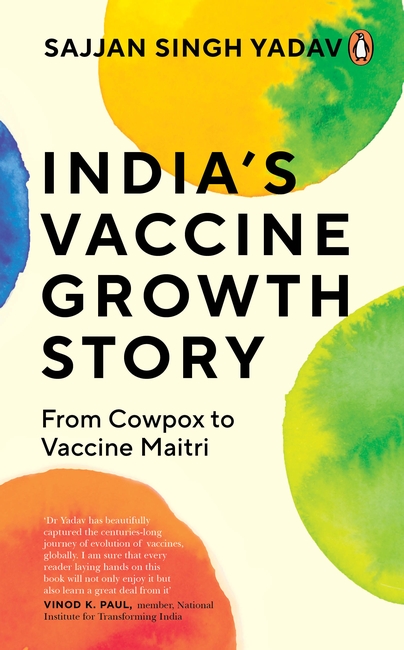
THIS POTENT GROUP OF WEAPONS HAS NOTABLY ANNIHILATED SMALLPOX, PUSHED POLIO TO THE VERGE OF ELIMINATION AND IS NOW TAKING ON COVID-19
Indians practised inoculation centuries before the West discovered vaccines in 1796. India’s Vaccine Growth Story charts the journey of vaccines from the Jennerian era to the COVID-19 pandemic, covering multiple facets of vaccines from the Indian and global perspectives. Apart from discussing vaccine leadership, vaccine nationalism, vaccine hesitancy, eagerness and equity, as well as the latest diplomatic currency-the Vaccine Maitri- the book takes its readers through India’s exciting and meticulously planned project of executing the world’s largest vaccination drive.
Folktales from India Penguin Premium Classic Edition
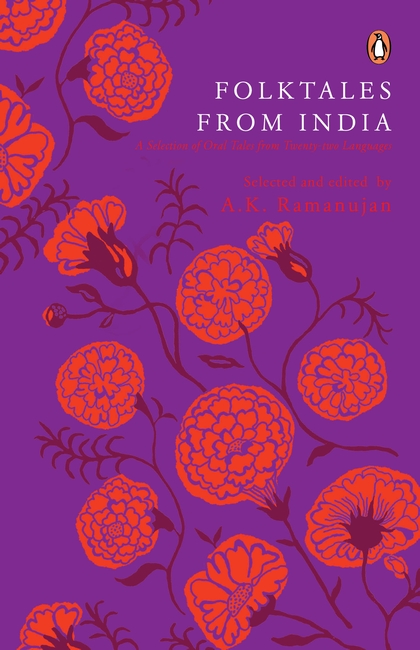
Folklore pervades childhoods, families and communities and is the language of the illiterate. Even in large, modern cities, folklore-proverbs, lullabies, folk medicine, folktales-is only a suburb away, a cousin or a grandmother away. Wherever people live, folklore grows. India is a country of many languages, religions, sects and cultures. It is a land of many myths and countless stories. Translated from twenty-two Indian languages, these one hundred and ten tales cover most of the regions of India and represent favorite’s narratives from the subcontinent. A.K. Ramanujan’s outstanding selection is an indispensable guide to the richness and vitality of India’s ageless oral folklore tradition.
The Indian Epics Retold Penguin Premium Classic Edition
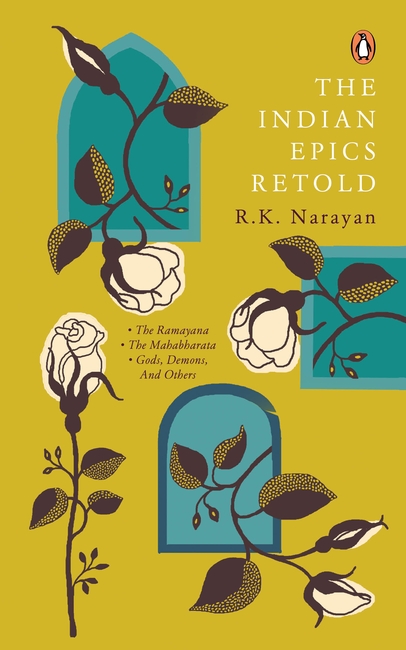
The Indian Epics Retold collects three of R. K. Narayan’s best narratives on Hindu tradition and culture. The Ramayana and The Mahabharata are an intrinsic part of our legacy. Narayan’s Ramayan is based on the Tamil version of the verse by the poet Kamban. Narayan’s love for Rama’s character and his admiration for Kamban’s beautiful poetry is conveyed through this work. For The Mahabharata and for Gods, Demons and Others, Narayan referred to the original Sanskrit version of Mahabharata and other puranas. The stories follow the original text as closely as possible and make for a wonderful read for the young and old.
Manto: Selected Stories Penguin Premium Classic Edition
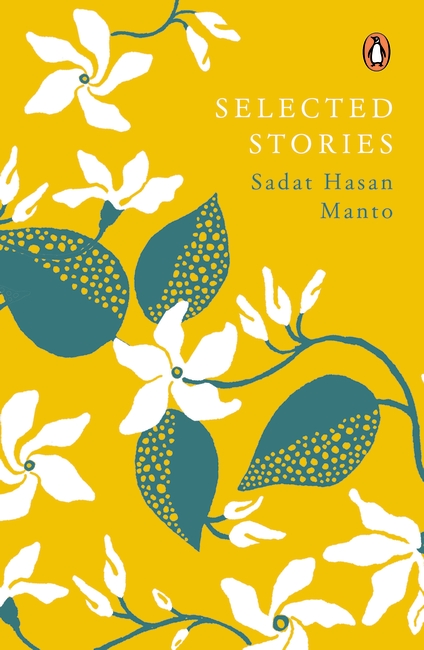
Saadat Hasan Manto’s first collection of stories was published in the 1940s, but his stories have an enduring relevance. Now read by more people than ever before, the simple clarity of his stories about arginalized people, his astute understanding of the complexity of human nature and the poignancy of his stories on Partition transcend spatial and temporal boundaries many of his characters are legendary and his taut narratives are a great source of insight into the human condition. Widely regarded as one of the greatest short-story writers of the Subcontinent, Manto is now, a hundred years after his birth, also acknowledged as one of the most powerful voices of his time. An enigma in his lifetime, and plagued by financial troubles, alcoholism and legal persecution in the last years of his life, he draws a posthumous wave of near-universal admiration. Aatish Taseer’s sensitive translation captures the lyricism and power of Manto’s voice. Manto, Selected Stories, with two new stories, is a collection to be savoured by new readers and old fans of Manto alike.
Train to Pakistan Penguin Premium Classic Edition
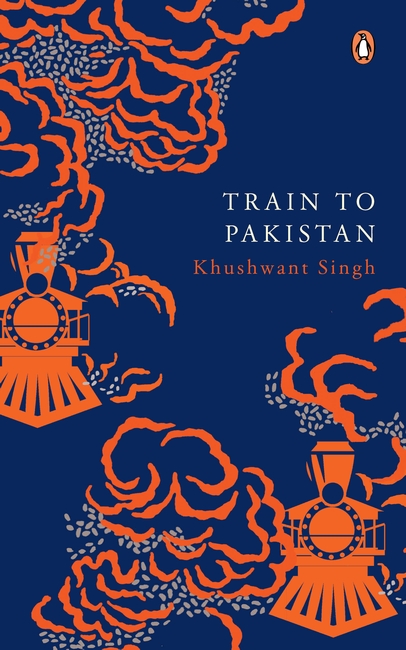
Mano Majra is a place, Khushwant Singh tells us at the beginning of this classic novel, where Sikhs and Muslims have lived together in peace for hundreds of years. Then one day, at the end of the summer, the ‘ghost train’ arrives, a silent, incredible funeral train loaded with the bodies of thousands of refuges, bringing the village its first taste of the horrors of the civil war. Train to Pakistan is the story of this isolated village that is plunged into the abyss of religious hate. It is also the story of a Sikh boy and a Muslim girl whose love endures and transcends the ravages of war.
Regarded as one of the most heart-rending testimonials of the partition of 1947, the Train to Pakistan is an ideal novel for those who wishes to learn more about India’s past and is looking for more than the socio-political scenario behind the partition.
Untouchable The Penguin Premium Classic Edition
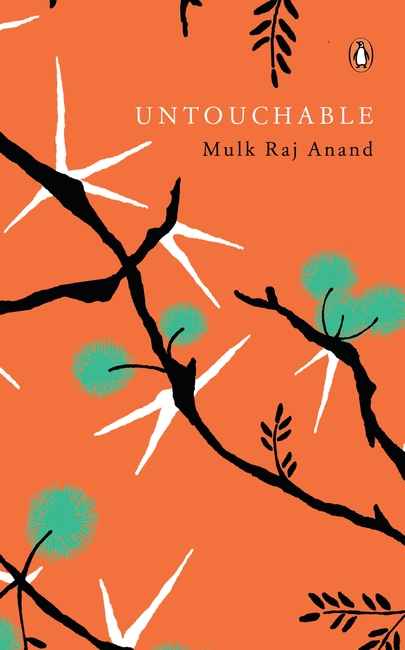
Bakha is a proud and attractive young man. Nonetheless he is an Untouchable- an outcast in India’s caste system. Into this vivid recreation of a single day in the sweeper and toilet-cleaner Bakha’s life, Anand pours a vitality, fire, and richness of detail that earn his place as one of the most important Indian writers of the twentieth century.
The Shadow Lines Penguin Premium Classic Edition
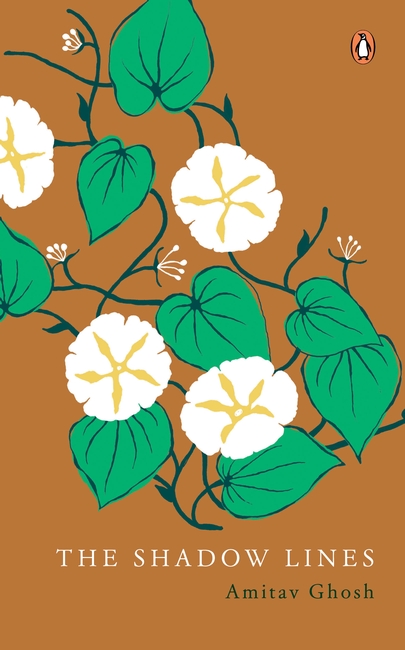
As a young boy, Amitav Ghosh’s narrator travels across time through the tales of those around him, traversing through unreliable planes of memory, unmindful of physical, political and chronological borders. But as he grows older, he is haunted by a seemingly random act of violence. Bits and pieces of stories, both half-remembered and imagined, come together in his mind until he arrives at an intricate, interconnected picture of the world where borders and boundaries mean nothing, mere shadow lines that we draw dividing people and nations. Out of a complex web of memories, relationships and images, Amitav Ghosh builds an intensely vivid, funny and moving story. Exposing the idea of the nation state as an illusion, an arbitrary dissection of people, Ghosh depicts the absurd manner in which your home can suddenly become your enemy.
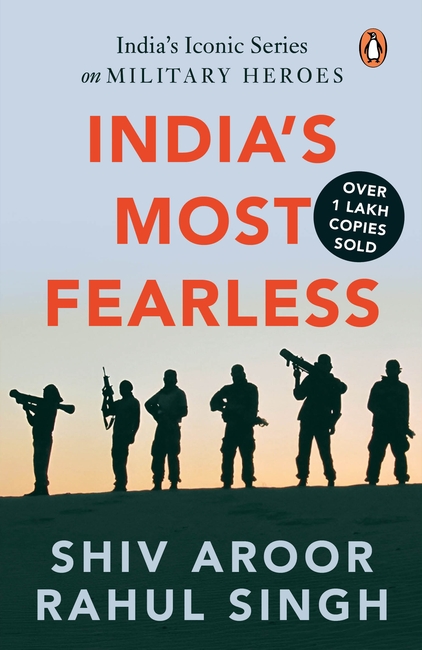
India’s Most Fearless
The men who hunted down terrorists in a magical
Kashmir forest where day turned to night. The Army major who led the legendary September 2016 surgical strikes on terror launch pads across the LoC. A Navy officer who sailed into a treacherous port to rescue hundreds from an exploding war. A bleeding Air Force pilot who found himself flying a jet that had become a screaming fireball. An e xclusive first-hand account of the 2020 Galwan clash.
Featuring thirty-eight untold accounts, this box set brings together the three books from the India’s Most Fearless series-a collection of true stories of extraordinary courage and fearlessness that provide glimpses into the kind of heroism our soldiers display in unthinkably hostile conditions and under grave provocation.
Ayo Gorkhali
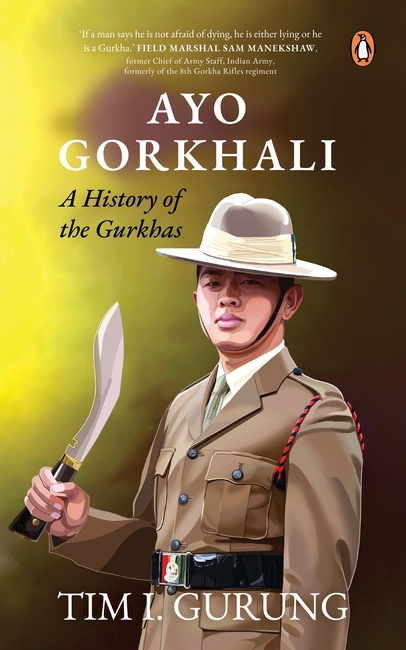
Nepal, 1767. The tiny kingdom of Gorkha is on the ascendant under its ruler Prithvi Narayan Shah.
Over the next few decades, his Gorkhali army establishes a mighty kingdom, the borders of which extend from Kangra in the west to the Teesta river in the east. The territory encompasses a large part of present-day Himachal Pradesh, Uttarakhand and almost all of present-day Nepal and Sikkim. When they are eventually reined in by the mighty British army in 1815, it sparks off a new engagement between the imperial power and Nepal.
Impressed by the fighting abilities on display, the British army begins recruiting them. The Gurkhas (the prevalent spelling today) go on to serve with distinction in many theatres of war over the next hundred-odd years, their exploits in World War I and II earning them a number of bravery medals.
With Indian independence in 1947 comes further change: the Gurkhas are now split across three armies: the British, Indian and the Nepalese.
Ayo Gorkhali by Tim I. Gurung, a former British Gurkha, is the first work of history by a member of the community and brings alive the story of a people who have served flags other than their own with honour, even as they have attempted to keep their native warrior traditions alive in letter and spirit.
The history of the Gurkha serviceman is one that goes beyond soldiering and bravery-it is in equal measure a story of the resilient human spirit, and of a tiny community that carved for itself a niche in world history.