



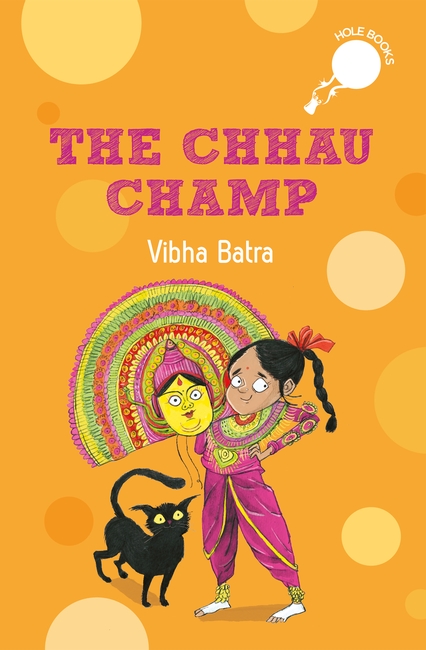
Shubha wants to learn Chhau. But her father wants to only teach her brother Shayon. How will Shubha persuade him that she too deserves a chance?
Archives: Books
Treasures of Lakshmi
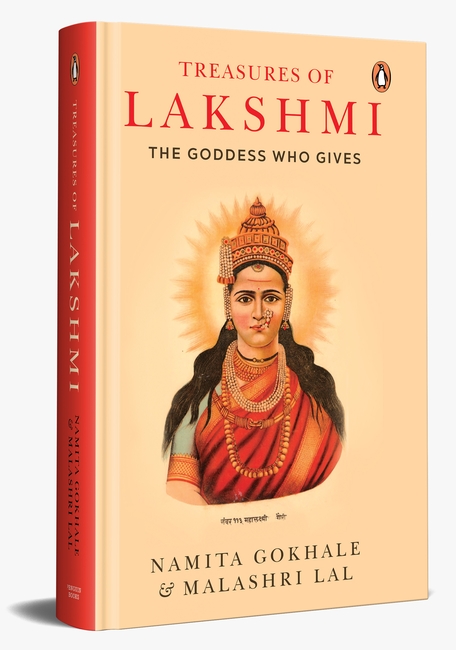
Treasures of Lakshmi is the culmination of the much-loved goddess series, brilliantly curated and edited by Namita Gokhale and Malashri Lal. This trilogy, which began with In Search of Sita and continued with Finding Radha, examines the mystical realms of Hindu thought and practice, celebrating the essence of the sacred feminine. Whether it is Lakshmi’s 108 names or a sahasranama of a thousand appellations, her blessings are multidimensional and eternal. as the third and final instalment of this remarkable trilogy, Treasures of Lakshmi takes readers on a unique journey of exploration, unravelling the compelling narrative of ‘the goddess who gives’.
Reversing Diabetes in 21 Days Hindi / Diabetes Par Niyantran 21 Dinon Mein / डायबिटीज़ पर नियन्त्रण 21 दिनों में
डायबिटीज़ पर नियन्त्रण, वह भी 21 दिनों में।अविश्वसनीय नहीं, यह सच है।जानी-मानी और अनुभवी डॉ नंदिता शाह वैज्ञानिक प्रमाण देते हुए टाइप 2 और टाइप 1 डायबिटीज़ के वास्तविक कारणों को विस्तार से बताती हैं, और अपनी विशेषज्ञता से एक ऐसी दिनचर्या की रूपरेखा तैयार करती हैं जो इस बीमारी को नियन्त्रित करने में मदद करती है।इंसुलिन प्रतिरोध और इंसुलिन की कमी के कारण का पता लगाकर, 21 दिनों में डायबिटीज़ ठीक करने के तरीके पर एक ताज़ा, व्यावहारिक दृष्टिकोण सामने आया। इसे भारतीय सन्दर्भ, रीति-रिवाज़ों, स्वाद और विचार प्रक्रियाओं को ध्यान में रखते हुए सावधानीपूर्वक बनाया गया जिससे आम भारतीय के लिए बढ़िया स्टेप-बाइ-स्टेप मार्गदर्शिका तैयार की जा सके।प्रशंसा-पत्रों, कहानियों और वास्तविक जीवन के अनुभवों के ज़रिए यह बेहतरीन पुस्तक आपको बताती है कि ऐसे कई मामले काफ़ी हद तक नियन्त्रित किए जा सकते हैं‘डायबिटीज़ पर नियन्त्रण 21 दिनों में, इसमें डॉ नंदिता शाह ने आपसे वो उपाय साझा किए जो डायबिटीज़ से निपटने में आपकी मदद करेंगे और स्वास्थ्य में क्रान्तिकारी बदलाव लाएँगे। अनेक लोगों ने डॉ शाह की विशेषज्ञता से लाभ लिया, अब आप भी लें’—डॉ नील बरनार्ड, अध्यक्ष, फ़िज़िशियन’स कमेटी फॉर रेस्पोंसिबल मेडिसिन और लेखक ।
All That Sizzles

A spicy meet-cute that will delight your rom-com palate!
Wedding planner Tanvi Bedi is all fired up about her latest project, the $100 million wedding of a media heiress. The only hitch is her high-profile client’s wishlist chef, Nik Shankar. Weddings are a complete no-no for Nik, but there must be something—or someone—he can’t resist.
Nik Shankar’s lifelong dream of inheriting his ancestral home is in jeopardy due to his estranged grandfather’s absurd caveat—Nik must get married to claim the property. When Tanvi storms into his office, an inconceivable solution presents itself: Nik will craft the wedding if Tanvi pretends to be his fiancée.
What starts as a recipe for disaster whips up into a delectable feast of simmering chemistry and fiery passion. But as the line between fake and real blurs, Tanvi and Nik must confront their inner demons before their charade goes up in smoke.
Could love be the secret ingredient they need?
Here and Hereafter (Hindi)/Yahan Aur Yahan Ke Baad/यहाँ और यहाँ के बाद
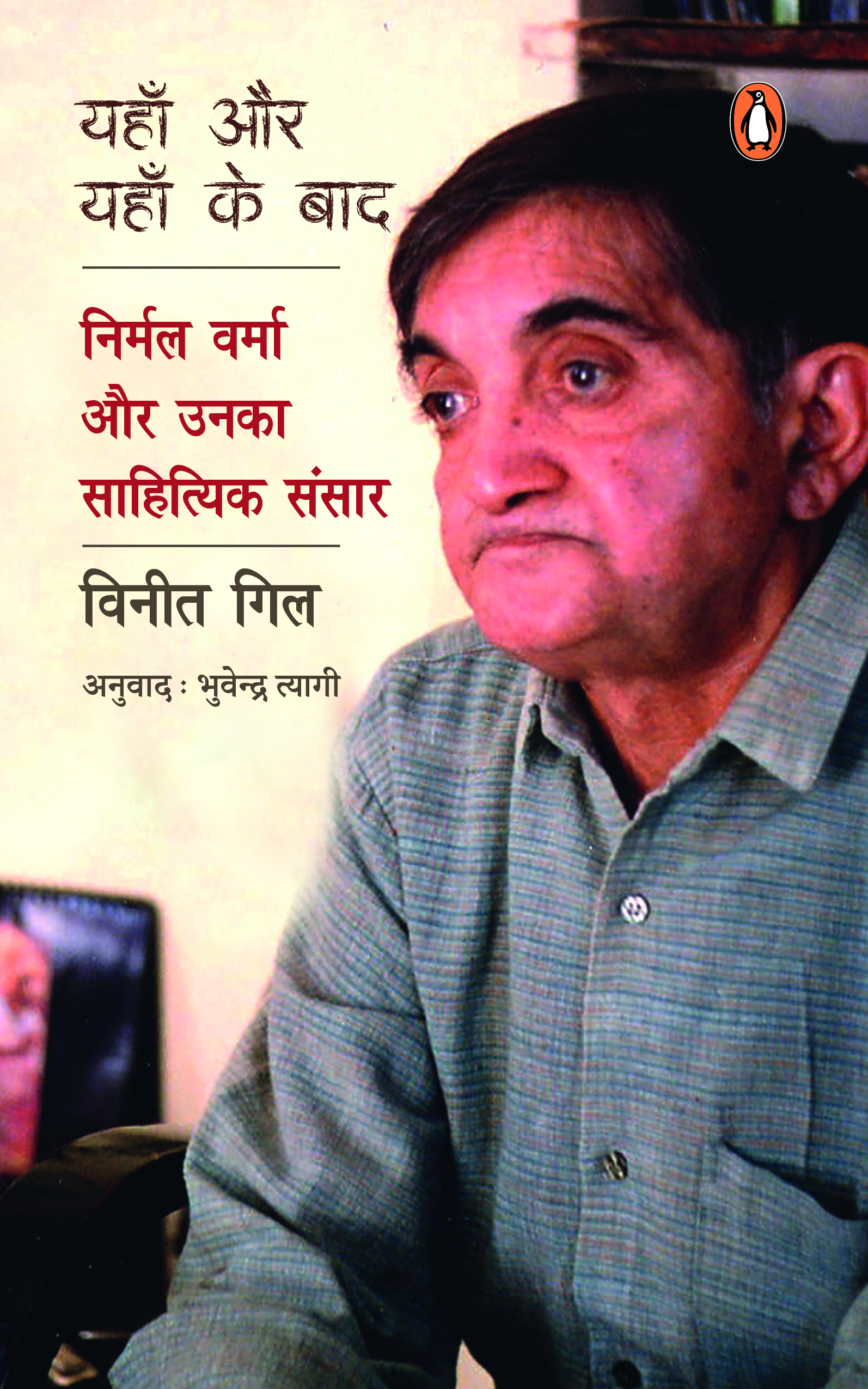
इस शानदार किताब के जरिए विनीत गिल ने आधुनिक हिंदी साहित्य के शिखर पुरुषों में गिने जाने वाले एक लेखक के साहित्यिक संसार की गहरी पड़ताल की है और निर्मल वर्मा के जीवन के बिखरे हुए तत्वों को एक ऐसी सामग्री की तरह देखा है जिसने एक लेखक के रूप में उन्हें गढ़ा। जिन जगहों पर निर्मल वर्मा रहे, जिन लोगों को वे जानते थे और जिन पुस्तकों को वे पढ़ते थे, गिल की राय में, ये सब कुछ वर्मा की कहानियों और उपन्यास में परिलक्षित होता है। यह किताब गहन पाठकीय विश्लेषण और बेहद सोच समझकर की गई पड़ताल का नतीजा है- वर्मा के साहित्यिक कृतित्व और विश्व साहित्य में उनके स्थान के बारे में एक चिंतन।
The Man Who Avenged Bhagat Singh

In 1929, Bhagat Singh surrenders after a daring bomb attack in the heart of Delhi’s assembly. Behind bars, he prepares for an ideological battle against the empire. However, a shocking betrayal shatters his world.
Phanindra Nath Ghosh, a trusted comrade, becomes a British approver, revealing every secret of the HSRA. His damning testimony leads to multiple arrests, and then the British hang Bhagat Singh, Rajguru and Sukhdeo. Popularly known as the ‘king’s witness’, he had singlehandedly brought on an armed revolution.
But with their leaders gone and British oppression at its peak, surviving HSRA members rally around one burning desire: revenge. Their target is the man who dismantled their life’s work. But with limited resources, their hopes rest on a lone figure.
From the shadows emerges Baikunth Sukul, an unassuming teacher and devoted admirer of Bhagat Singh. He swears to exact revenge on behalf of the martyrs and the HSRA.
Will he succeed in this nearly impossible mission?
What happens when he locks horns with the formidable British Raj?
And to what lengths will he go to avenge Bhagat Singh’s death?
India’s journey to Independence was filled with deeds of forgotten heroes. This is one such story of sacrifice and revenge—of a patriot against a traitor, a common man against the empire.
21 Days to Understand Qabalah: Find Guidance, Clarity, and Purpose with the Tree of Life
Discover spiritual illumination and how to fulfil your life’s purpose with Qabalah: a Western non-religious mystic tradition containing magical knowledge and practices to help you fulfil your life purpose.
The central organizational system of the Qabalah is the Tree of Life – a mystical symbol consisting of 10 interconnected spheres and considered to be a map of the universe and the psyche, and a path to spiritual illumination.
This introductory book breaks down the ideas of the Tree of Life into an easy-to-follow path, including daily workshops that guide you gently through understanding Qabalah. Over 21 days you will learn:
• the role of the Tree of Life and the links between Qabalah and tarot
• the meaning of each sphere, or Sephira, on the Tree, with an exercise and meditation for each Sephira
• how to work with and understand the symbolism of each Sephira, from Gods and Goddesses to Crystals
• how to increase the energy for your meditations and create a personal symbol, or sigil, to represent your highest values
• how to use Qabalistic prayer and work with the four great Archangels for daily support and protection
Allow the teachings of Qabalah to bring you back to spirit.
It takes just 21 days to establish a new habit. If there’s a skill you’ve always wanted to learn, the answer is only a few weeks away with Hay House’s 21 Days series.
Ayurveda Advantage
Food, sleep and sex are the three pillars of life. How we manage these three aspects of our life determines whether or not we live up to our physical, mental and spiritual potential. The key to finding this balance lies in the doctrine of Tridosha, the jewel at the heart of Ayurveda which sees every human constitution as unique.
In this book, Vicram Sharma, of the Baidyanath family, distils the experience of his 100-year-old company to decode the enigmatic wisdom of Ayurveda for the modern reader. Easy to read and conversational, Ayurveda Advantage is an essential handbook for understanding the principles of Ayurveda and for applying its recommendations and remedies to everyday modern living.
21 Days to Master Numerology: Understand Your Inner Self and Find Your True Purpose with Your Birth
Discover how to use your birth chart to find your true inner self and create a life full of abundance, purpose and joy.
Are you searching for the answers to life’s unsolved questions? Tap into the guidance and wisdom of numerology with this practical, easy-to-use book by expert David A. Phillips.
Numerology is a practice that provides direct knowledge of the inner self through numerical information and your birth chart. It can help you to relate better to other people, become more emotionally and financially secure, maintain good health, and live a thoroughly loving life. Above all, it can offer you a determined, successful and joyous course through life.
In this in-depth, accessible guide, you’ll discover:
• What the numbers on your birth chart mean and how they can help influence your life for the better
• How to find your ultimate purpose with your Ruling Number
• How to set up and interpret a Number Pyramid in order to create a well-balanced life
• The numerological power and meaning of names, and how to compile your Name Chart
This is the perfect introduction to a useful, insightful practice, now presented in a format that fits your life. Use numerology to discover your inner self and purpose in just 21 days!
It takes just 21 days to establish a new habit. If there’s a skill you’ve always wanted to learn, the answer is only a few weeks away with Hay House’s 21 Days series.
21 Days to Become a Money Magnet: Attract Wealth, Find Abundance, and Take Control of Your Finances
Discover practical tools and tips to attract prosperity, success, and happiness into your life and find your breakthrough moment in money management with the Law of Attraction.
Do you wish you could transform your finances and break negative patterns? We all want abundance and security in life, but it can sometimes feel impossible. Discover the first step to financial freedom with this step-by-step guide from transformational coach Marie-Claire Carlyle. Over 21 days, you will discover:
• How to start attracting more money into your life immediately with principles from the Law of Attraction
• Exercises to help you change your negative money beliefs into positive statements
• How to create your own ‘I Attract Money’ list and affirmations for becoming a Money Magnet
• How to break the pattern of negative thinking to make room for wealth
This is your key to finding abundance. Use the practical advice, guidance, and inspirational tips to start attracting money today!
“The money is already there. The only thing preventing you from being rich is YOU.”
Studies have shown it takes only 21 days for a new habit to take root. If there’s a skill you’ve always wanted to take advantage of, the answer is only 21 days away with Hay House’s 21 Days Series.