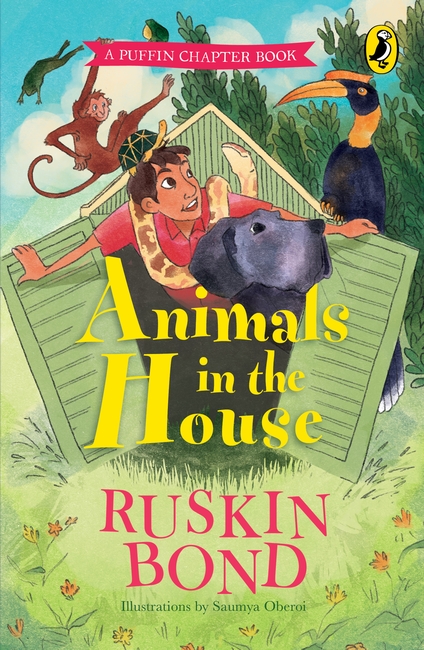
‘Grandfather and I saw eye to eye on the matter of pets, and whenever Grandmother decided it was time to get rid of a tame white rat or a squirrel, I would conceal them in a hole in the jackfruit tree.’
Instead of having brothers and sisters to grow up with in India, young Ruskin had several odd companions, including a monkey, a tortoise, a python and a Great Indian Hornbill. His grandfather was responsible for all this wildlife, and their home in Dehra became a centre of action and laughter as a variety of creatures were brought home—the furry, feathered, fierce and friendly—all under one roof.
Bursting with delightful illustrations, this chapter book features endearing characters and hilarious episodes, making it a perfect introduction to the wonderful world of Ruskin Bond!

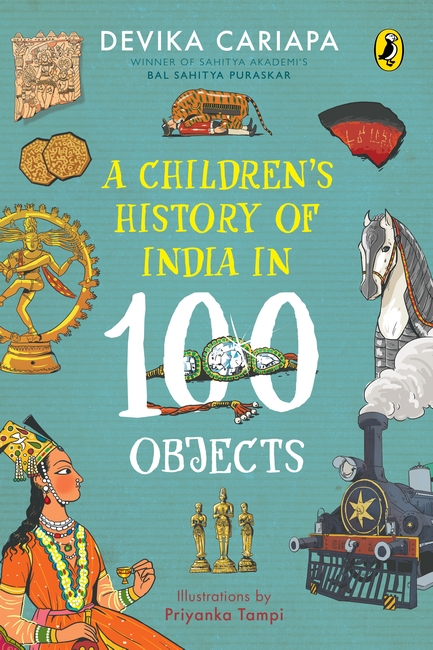
A stone-age hand axe, an enchantingly sculpted yakshi, the Koh-i-Noor diamond, and even an HMT watch—can these things have anything in common?
Yes, they can!
Each of these has been conceived by the human mind and shaped by the human hand. Each object has a voice, not just of rulers and conquerors, but also of the common people. Most significant of all, each carries stories of how communities and identities were built on the Indian subcontinent.
Spanning the entirety of Indian history, from prehistoric to contemporary times, the 100 objects and artefacts chronicled in this book have shaped our present. Learn about the people who created these amazing objects, their way of life and culture, and how these objects influenced our world.
Embellished with vibrant illustrations, this engaging book will fire the imagination of readers and make them look at our incredible material remains in a new light while helping them understand our diverse pasts.

Do you dream of changing the world?
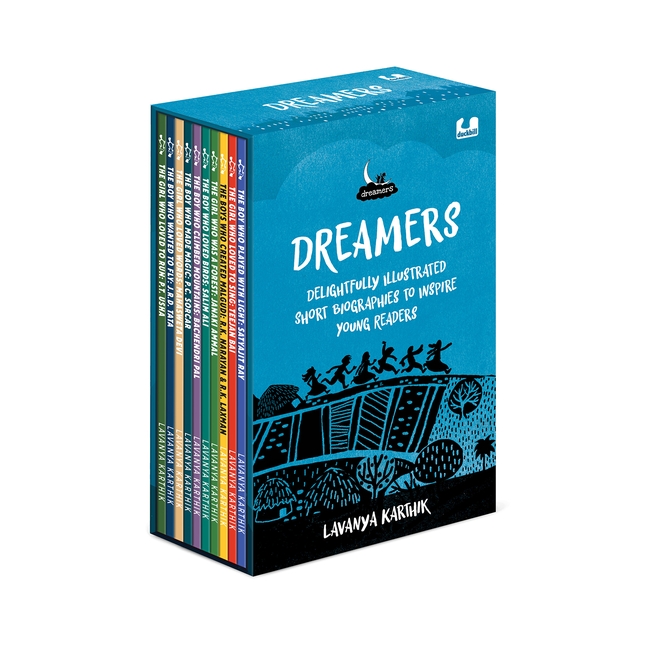
Here are ten tales of some exceptional girls and boys who dared to dream the impossible, and their first steps towards greatness in diverse fields.
They are Mahasweta Devi, Satyajit Ray, J.R.D. Tata, Bachendri Pal, Janaki Ammal, Salim Ali, P. T. Usha, R. K. Laxman and R. K. Narayan, P.C. Sorcar and Teejan Bai.
Illustrated in a style unique to each book, these are ten tales to inspire the Dreamer in you.
The box set has 10 books:
- The Girl Who Loved to Sing: Teejan Bai
- The Boy Who Played with Light: Satyajit Ray
- The Girl Who Was a Forest: Janaki Ammal
- The Boys Who Created Malgudi: R.K. Narayan and R.K. Laxman
- The Girl Who Climbed Mountains: Bachendri Pal
- The Boy Who Loved Birds: Salim Ali
- The Girl Who Loved Words: Mahasweta Devi
- The Girl Who Wanted to Run: P.T. Usha
- The Boy Who Wanted to Fly: J.R.D. Tata
- The Boy Who Built a Secret Garden: Nek Chand
Why should you buy this boxset?
- Discover the remarkable stories of ten extraordinary individuals who transformed their dreams into reality, from pioneering scientists to celebrated artists.
- Each tale is brought to life with a distinct art style, making every story visually engaging and memorable.
- Perfect for young readers and aspiring dreamers, this collection serves as a motivational tool to encourage perseverance and creativity.
- An ideal gift for anyone who needs a boost of inspiration and motivation in their journey toward achieving their dreams.

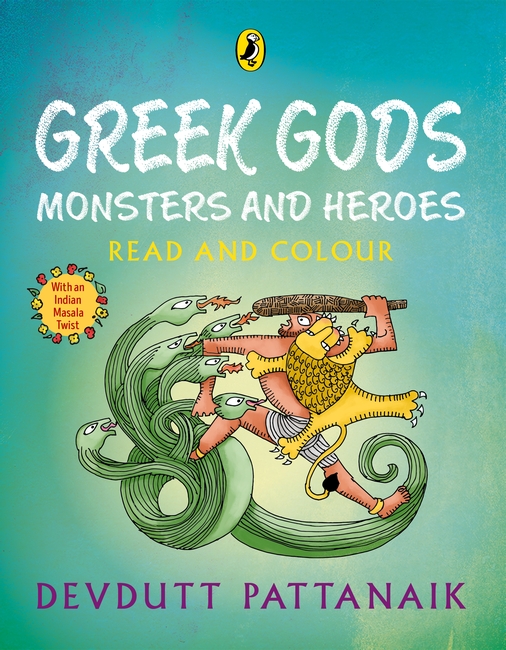
An all-in-one storybook, picture book and colouring book from India’s most-loved mythologist.
Devdutt Pattanaik introduces popular characters from Greek mythology to a new generation of readers-with a masala twist. Greek Gods, Monsters and Heroes is perfect as a read-aloud to acquaint young readers with the fantastic ancient Greek tales of valour, beauty and wonder.
Curated with fascinating bite-sized introductions-to well-known gods like Zeus and Poseidon, heroes like Heracles and Bellerophon, and monsters like Cyclops and Minotaur-it features over forty playful artworks of Greeks in Indian clothing along with dedicated colouring pages.
One-of-a-kind, this book is a must-have for every curious mythology enthusiast and budding artist!

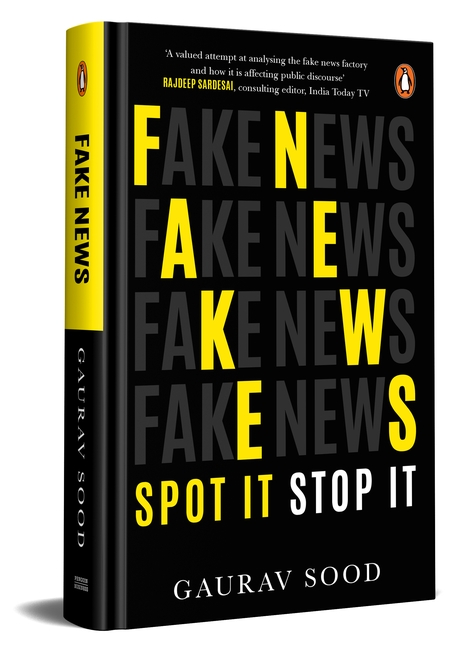
The news is a public good and needs to be handled with care and integrity. Even though lies and misinformation campaigns have been around for years—maybe since the dawn of journalism—the rate at which fake news is being spread these days is both alarming and preposterous. Almost every institution—public or private—uses fake news to further its own agenda. Governments and corporate houses spread fake news either through their own agencies or by influencing the popular media. In the business sector, fake news manifests itself in the form of exaggerated company returns and false data.
This book analyses the impact of fake news both on products and personalities. Foregrounded in rigorous research, it examines how fake news is used by companies, political parties, and leaders to create, amplify, and even tarnish a brand’s image and equity. It emphasizes how the customers’ perception of a brand impacts and influences its reputation, and acts as a decisive force in them gaining or losing competitive advantages. Elucidating how brands can interact both directly and indirectly with fake news, it brings to the readers’ notice how sometimes brands are the victims of fake news and other times, the purveyors.

Ladybird Tales are based on the original Ladybird retellings, with beautiful pictures of the kind children like best – full of richness and detail.
Children have always loved, and will always remember, these classic fairy tales and sharing them together is an experience to treasure.
Ladybird has published fairy tales for over forty-five years, bringing the magic of traditional stories to each new generation of children.
This beautiful hardback collection is a perfect first illustrated introduction to this classic fairy tale for young readers from 3+.
Ladybird Tales The Classic Collection 10 Books Set includes:
Cinderella, Goldilocks and the Three Bears, Hansel and Gretel, Jack and the Beanstalk, Little Red Riding Hood, Pinocchio, The Enormous Turnip, The Gingerbread Man, The Three Little Pigs, The Ugly Duckling.

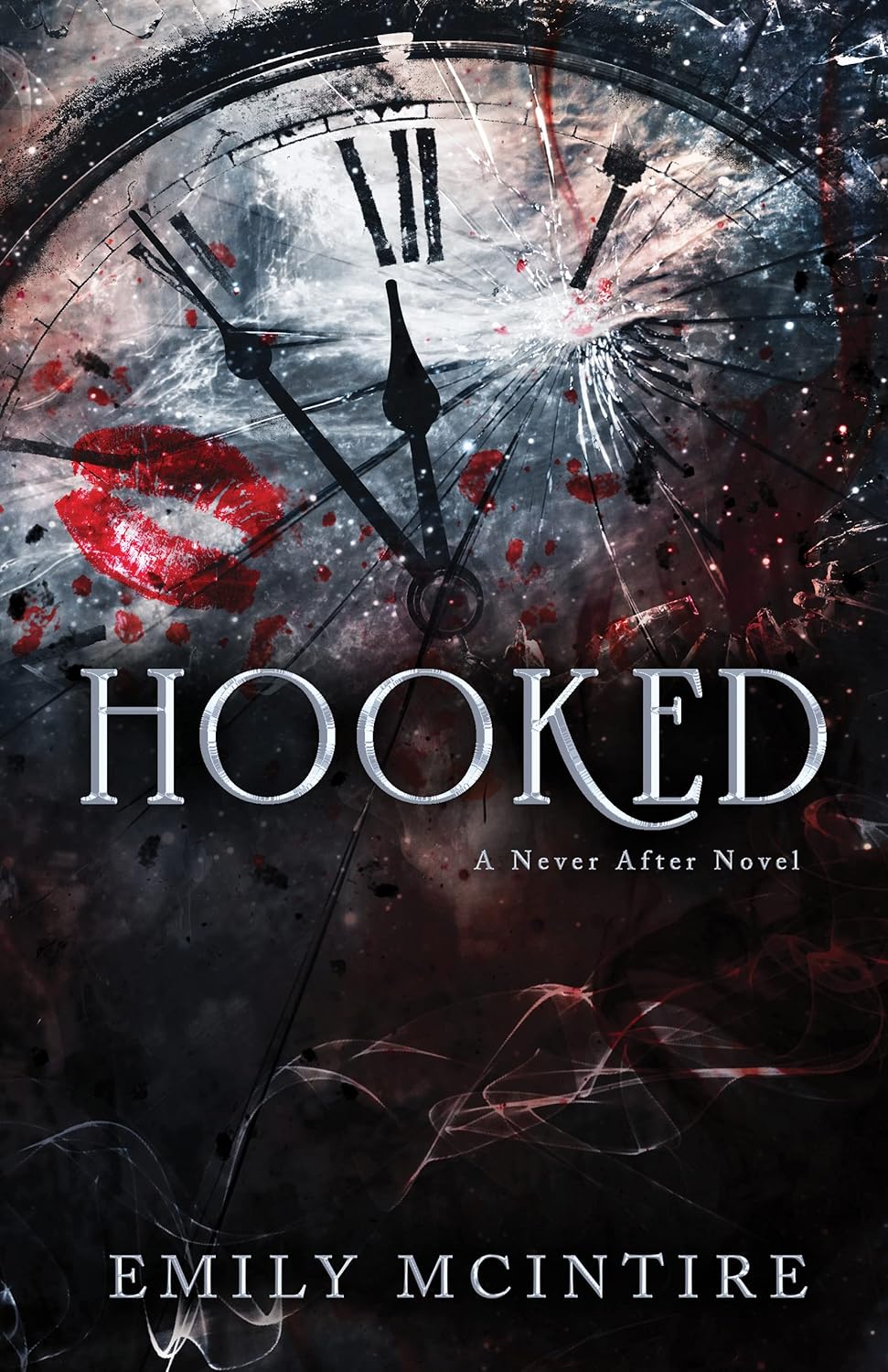
From BookTok sensation Emily McIntire comes a dark and delicious fractured fairy tale reimagining of Peter Pan.
He wants revenge, but he wants her more…
James has always had one agenda: destroy his enemy, Peter Michaels. When Peter’s twenty-year-old daughter Wendy shows up in James’s bar, he sees his way in. Seduce the girl and use her for his revenge. It’s the perfect plan, until things in James’s organization begin to crumble. Suddenly, he has to find the traitor in his midst, and his plan for revenge gets murkier as James starts to see Wendy as more than just a pawn in his game.
Wendy has been cloistered away most of her life by her wealthy cold father, but a spontaneous night out with friends turns into an intense and addictive love affair with the dark and brooding James. As much as she knows James is dangerous, Wendy can’t seem to shake her desire for him. But as their relationship grows more heated and she learns more about the world he moves in, she finds herself unsure if she’s falling for the man known as James or the monster known as Hook.

From the bestselling author of The Summer of Broken Rules comes a new coming-of-age romance about senior year, first love, and finding yourself.
Lily Hopper has two more weeks until she’s officially finished with boarding school. With graduation quickly approaching Lily is worried that she’s somehow missed out on the fun of being in high school. So, when she receives a mysterious note inviting her to join the anonymous senior class Jester in executing the end-of-year prank, Lily sees her chance to put her goody-two-shoes reputation behind her.
When Lily realizes the Jester is none other than Taggart Swell, her ex- boyfriend, she’s already in too deep to back out. Lily might’ve dumped Tag, but she still has major feelings. Plus, his brilliant plan to steal the school’s yearbooks, targets none other than Lily’s prom date: the Senior Class President, Daniel.
As the group of pranksters hide cryptic clues across campus for Daniel to find, Lily and Tag find themselves in close quarters. As the exes dodge Campus Safety guards, night owl teachers, a troop of freshmen, and even Daniel himself, new sparks fly. But old hurts and painful secrets refuse to be ignored. And with graduation on the horizon, Lily can only hope that breaking the rules will help mend her heart.
Perfect for fans of:
Taylor Swift
The Summer I Turned Pretty
Sarah Dessen
BookTok Favorites

“There is plenty of room at the top, just not enough to sit down.” – Zig Ziglar
In the world of sales, motivation, public speaking and personal development, there will never be another Zig Ziglar. With an infectious sense of humor, his masterful story-telling skills, his uncanny ability to inspire, and his downhome Southern charm mean that his legacy is one that will last forever.
Goals Take You to the Top! features some of Zig’s most classic ideas on goal setting and goal achievement, guaranteed to produce measurable results in your life. Furthermore, this all new edition includes an appendix of The Ziglar Goal Setting System©, which includes goal planning sheets and procedures for setting and reaching your goals, and features an introduction by Tom Ziglar.
In this book, learn three specific benefits from your journey to the top. The book features call outs for an easy to read experience.
Here are Zig Ziglar’s ideas, which still hold true in today’s modern world of technology and rapid change on how to reach your goals and live your dreams.
This book features Zig’s unforgettable lessons on how to get more of the things that money will buy and all of the things that money won’t buy. They are “truths which never change.”
Here’s just a sampling of what you’ll learn:
• You and Your Goals Program
• The Specifics of Goal Setting
• Reaching Your Goals in Life
• Motivation Plus Information Equals Inspiration
• The Foundations for Greatness
• Overcoming Adversity to Live Your Dreams

Discover the Secrets to Higher Living in One Volume
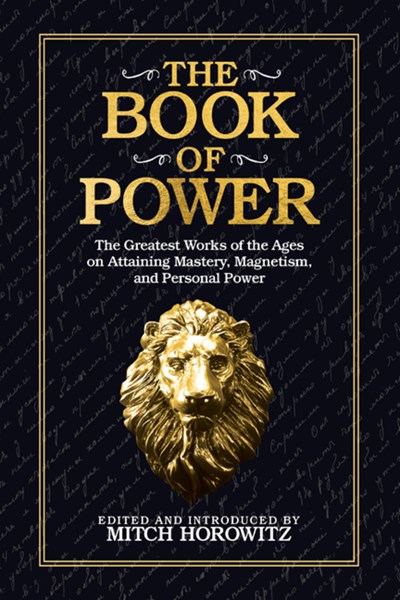
Power Without Apologies
“I believe that the last thing the mature seeker needs in literature or talks today are chin-stroking ideas or ‘insights.’ The seeker requires power. Power—not force—to see through self-expressive wishes. Force dissipates and dies with its user. True power is generative: it creates and builds.”
With this trenchant introduction, scholar of esotericism Mitch Horowitz presents some of the most important and practical works, from history and today, on attaining and wielding ethical power. The Book of Power includes:
• The Art of War by Sun Tzu, translated by British sinologist Lionel Giles
• Crystalizing Public Opinion by Edward Bernays
• The Science of Being Great by Wallace D. Wattles
• The Power of Sex Transmutation by Mitch Horowitz
• Your Invisible Power by Geneviève Behrend
• At Your Command by Neville Goddard
• The Magic Story by Frederick van Rensselaer Dey
• The Prince by Niccolò Machiavelli, abridgement based on the translation by Renaissance scholar N.H. Thomson
Here is a collection that brings methods and actionable ideas into focus for how to increase your command of life.