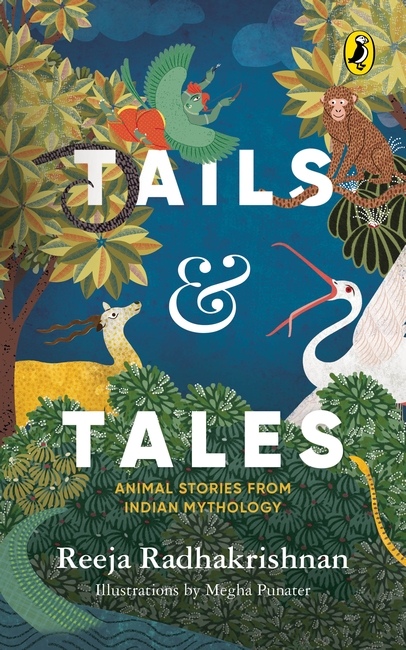
Meet the troublesome mouse who carries the gigantic Ganesha; a humble fish who saves
the world from a devastating flood; the vulture-king Jatayu who dies while attempting to rescue Sita, and many more.
There are animals and birds who lead a quest, forge a friendship, avenge a wrong or save the world
like a superhero. Let’s delve into their adventurous world and celebrate their heroism and valour!
The stories in this sumptuously illustrated gift edition showcase the diversity and wealth of our rich folklore while sharing the timeless wisdom imbued in them.

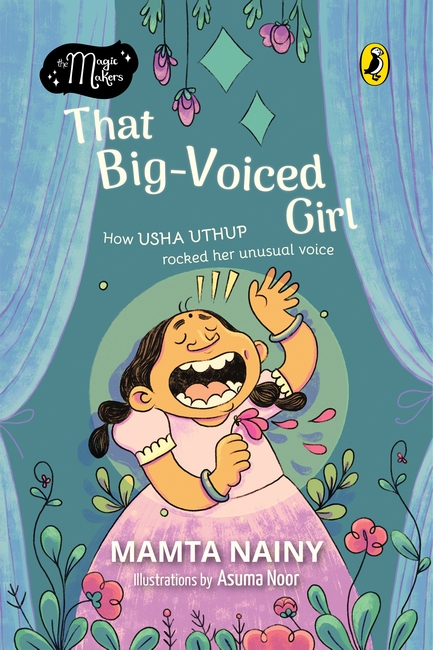
A unique biography that explores and celebrates the life of a popstar as a feisty little girl
Right from her childhood, Usha Uthup knew that music was her true calling.
She picked up songs from the radio and sang with her big, booming voice.
But when rejected during the audition for her school choir, Usha wondered if her big voice was any good. All she wanted was to sing. Does she find a way?

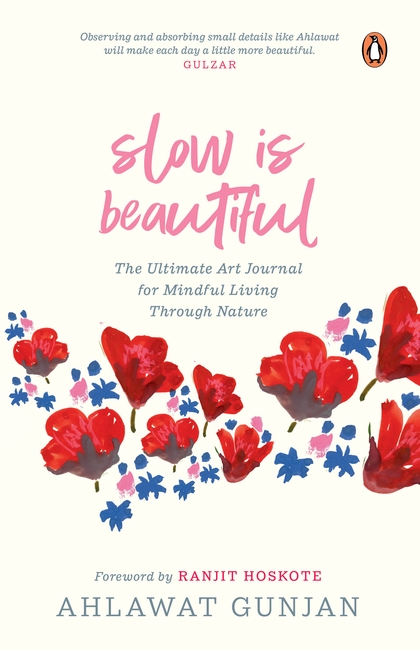
Slow is Beautiful is an invitation to embark on a journey through mindfulness and cut through the clutter and noise of the world around you. Under the guidance of artist and visual designer Ahlawat Gunjan, you’ll learn to see, observe, reflect, and practise using artistic techniques developed through years of training to re-kindle a lost instinct. This beautiful collector’s edition prepares you to welcome a new artistic vision into your lives by building a relationship with form, colour, and composition in a uniquely accessible way.
Each of the sixty easy-to-use prompts in this book is an essential step highlighted by vibrant ink and watercolour paintings inspired from nature, created and curated by the artist himself to motivate readers to draw, erase, paint, experiment, create and, most importantly, embrace their mistakes.

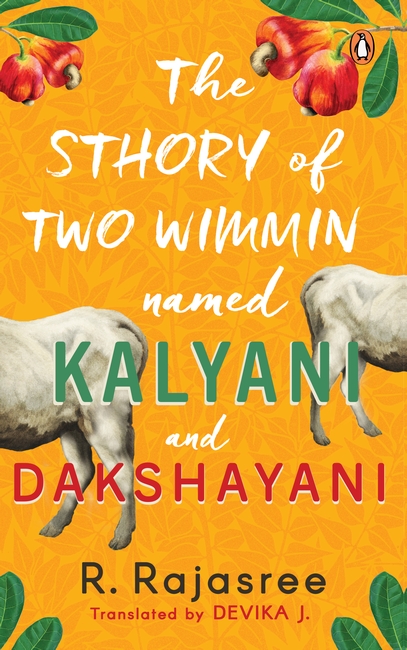
The Sthory of Two Wimmin Kalyani and Dakshayani traces luminous paths of female friendship in the rural worlds of north Malabar, through the lives of two rural women, Kalyani and Dakshayani. Rebelling against the patriarchy in school at the age of six (‘Rot in ‘ell, yuh sonofabitch’, yells Dakshayani at the school master who lifted her skirt to pinch her thigh, and walks out of school, with Kalyani following in solidarity), the two friends take on life and love. Women have no native place, they learn-but they have each other. Rajashree’s cleverly crafted narrator pauses and plays the scenes of their struggles, pains and laughter, drawing strength from them for her own battle against the mind-police. The bittersweet longing for one’s place of birth, the dialects of Malayalam, animals, spirits-all come alive in Rajashree’s beautifully crafted tale, enabled by Devika’s magnificent and careful translation.

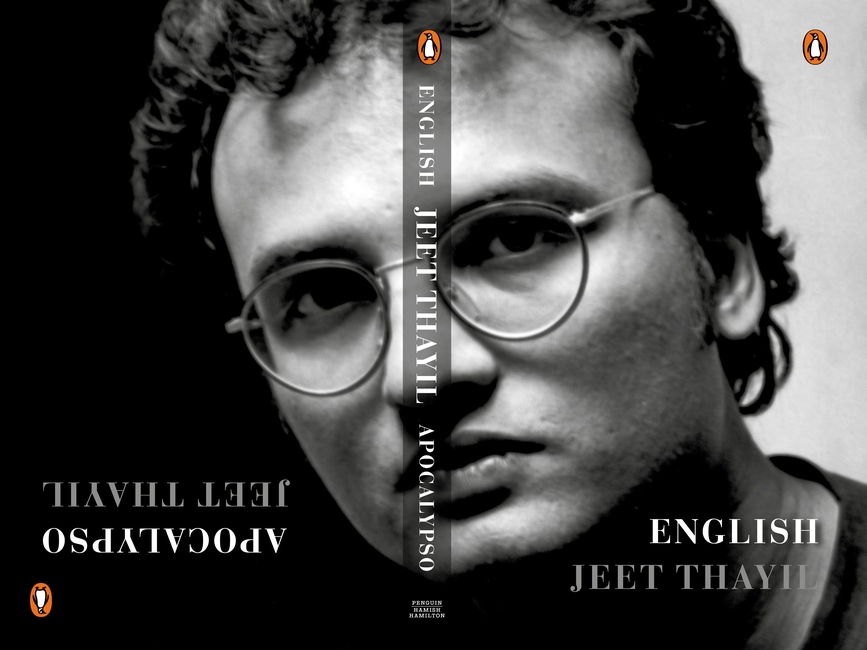
ENGLISH
Many of the poems in English are set in New York City around the events of September 11, 2001. In the faux prologue poem ‘About the Author’, the narrator finds himself ‘on Sixth, watching ruin, with / a handful of rain and a prophecy’: a citizen of no country except the republic that gives the book its title, the Republic of English. Here, English is more than a language. It is a river of the world.
‘Thayil’s poems refract his vibrant, unique and far-flung life experiences through the prism of his tremendous lyric intellect. The result is a fantastic realism that will haunt me forever. Thayil’s English first spices a transcendent command of diverse registers of literary and colloquial speech with certain sprung local talk, but then melts all that into an infinitely focused and inventive, personal and emotional idiolect, delivered in one of the most unforgettable voices of our time. He is a master of the knockout lyric punchline. Some of these poems made me cry, which is rare.’ – PHILIP NIKOLAYEV
APOCALYPSO
Jeet Thayil’s first full-length collection, Apocalypso, is a gritty, intense exploration of love and its secular limits. Song-like rhythms offer Biblical imagery and a lyric view of the wild side. Detached, tough, and vulnerable at the same time, the raw, intimate poems in this collection point towards the work that would follow. They examine and lay bare the mystery of love–its heartbreak and exaltation, and its redemptive, enduring power.
Everybody betrays everybody, you said
somebody said.
‘Thayil’s poems light up a corner of the dirty world, imbuing it with a near-holy radiance. The beautiful uncompromising poems in this selection are an achievement.’ – ADIL JUSSAWALLA

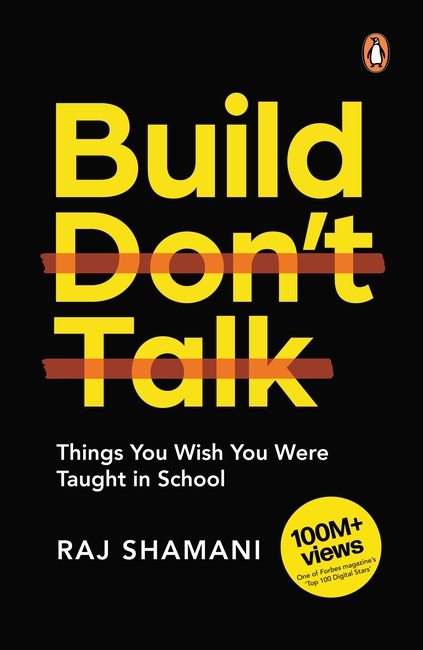
School taught us specific subjects, like maths and history.
But we weren’t taught:
How to sell
Or how to build relationships
Or how to negotiate
Or how to take care of our mental health
Or how to network
Or how to deal with personal finance
These most important situations we face as adults were never discussed with us when we were students. We weren’t taught these skills in school, and this makes all the success stories we hear about seem out of reach; it makes us feel dumb. We aren’t dumb, we just don’t know how to work the system.
Your school taught you how to run in the race; it didn’t teach you how to win. And that’s what this book is for. To help you win the race. Packed with useful advice gleaned from his own journey as an entrepreneur and content creator, this book by Raj Shamani is a must-read.

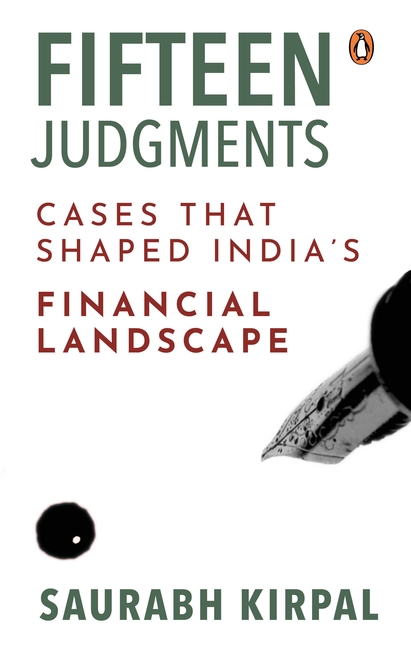
This book examines fifteen judgments that have influenced the financial destiny of India. With significant macroeconomic dimensions, these judgments, when explored, show a long-term impact on the economy. In doing so, judgments from different times of history have been examined to give the reader a flavour of the jurisprudential philosophies at different times in the country since Independence.

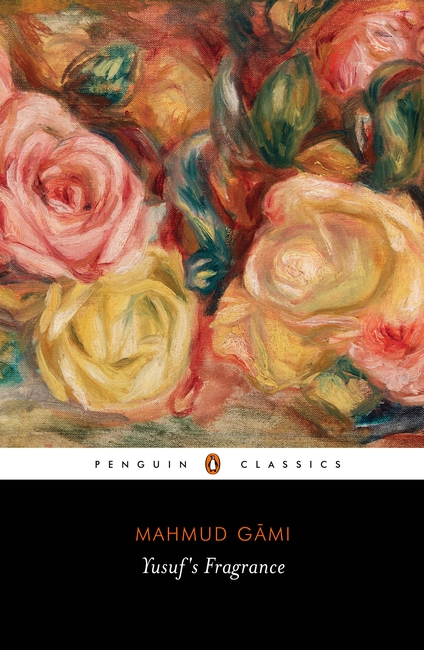
It can be said of the 19th century Kashmiri poet, Mahmud Ga¯mi that he was a pioneer in introducing the Persian genres of the ghazal, nazm, masnavi and na¯t into Kashmiri. Mahmud Gami’s contribution to Kashmiri poetry is unique in both scope and depth. Not only is he the first truly prolific poet who has written entirely in the Kashmiri language, but much of his poetry also stands out for its beauty of expression and depth of thought, such as in the lyrical romance of Shireen Khusrau, Yusuf Zulaikha, and Layla Majnun.
Yusuf’s Fragrance is both a celebration as well as an homage to Gami’s oeuvre. Through these beautiful verses, we explore themes of love, both physical and metaphysical, philosophy, folklore, and tradition through different narrative devices, such as nazms, masnavis, and vatsuns.
Bounded by dense Kodagu forests on the south and west, and rivers on the north and east, Perumbadi, at the border between Kerala and Karnataka, has hidden itself from the world. Its very isolation has attracted varied settlers from south Kerala over the years. The first settler on this land, Kunji Varkey, was fleeing the opprobrium of getting his own daughter pregnant. Those who followed had similar shameful secrets.
Anthill, the exquisite translation from the Malayalam of the Kerala Sahitya Akademi-winning novel Puttu, is the story of common people who tried to wriggle out of the shackles of family, religion and other restraining institutions, but eventually also struggle to civilize themselves-from their beginnings of a hillbilly existence and life as a promiscuous community.
As Perumbadi moves into modernity and feels the need for refined justice, Jeremias comes to be known by the moniker President and becomes the unchallenged adjudicator of Perumbadi, thanks to his equanimity and sense of fairness. However, even as he resolves local disputes, he is troubled by developments in his own home and by his own moral failure.
One of the most promising young writers in Malayalam, Vinoy Thomas, in his bestselling second novel, deploys dark humour to question the moral codes that bind society. Ultimately, this is also a story about the human race.

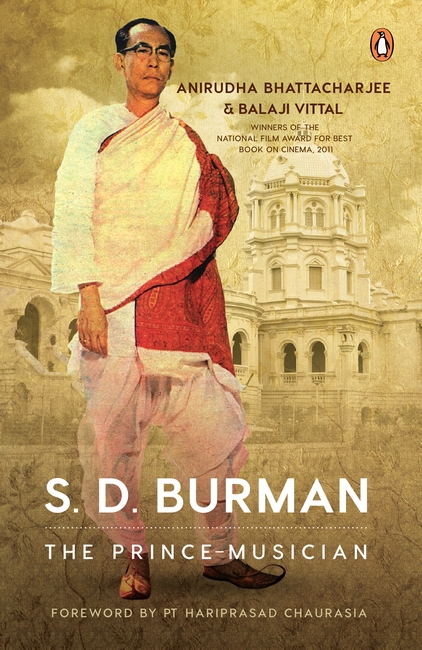
SD, or Sachin Dev Burman, the man who gave Hindi film music its grammar, is perhaps the most enigmatic figure in Indian cine history. As the young scion of the Tripura royal family, SD struck out into the world of cinema and popular music. The early years were difficult, professionally and personally. His unconventional choice of profession and marriage to a ‘commoner’ caused his family to ostracize him, and his formal training was not enough to stave off rejections. This well-researched biography is both a tribute to a great artist, and a deep inquiry into what made his music great. Going well beyond merely listing his greatest songs, it explores hitherto unknown stories about the creation of each gem: ‘Mera sundar sapna beet gaya’ (Do Bhai, 1948); ‘Thandi hawaein’ (Naujawan, 1951); ‘Yeh raat yeh chandni’ (Jaal, 1952); ‘Babu samjho ishaare’ (Chalti Ka Naam Gaadi, 1958); ‘Meet na mila re mann ka’ (Abhiman, 1973), and more. The book is packed with insights into SD’s life, work and his astute understanding of Hindi cinema. Despite the fact that he was an outsider who spoke little Hindi or Urdu, SD was the man who introduced Sahir Ludhianvi to the world, and the one who gave Kishore Kumar’s musical brilliance its due. His readiness to adapt to modern sounds and techniques, his unwavering faith in Lata Mangeshkar’s virtuosity, his closeness to Dev Anand that was seen as nepotism, charges of plagiarism-S.D. Burman: The Prince-Musician provides unmatched insight into both the genius of one of India’s most significant composers and a crucial aspect of its glorious cinematic history. An essential addition to every film music aficionado’s library.