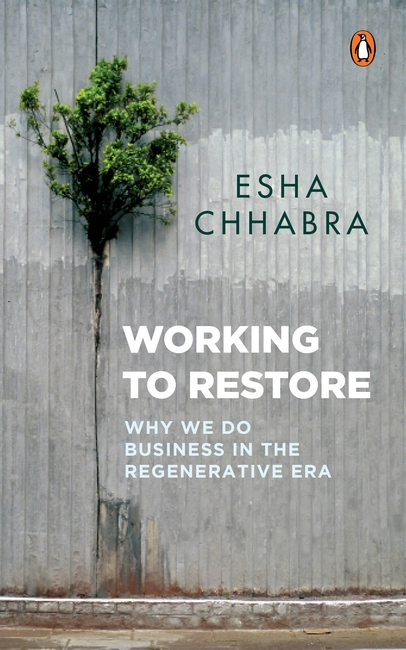
Winner of the Tata Literature Live Business Book of the Year Award
Dispatches from a landscape where pioneering entrepreneurs use their businesses as catalysts of change to solve social and environmental problems
Historically, big businesses have sourced materials from remote corners of the globe and moved millions of people and tons of cargo around the clock-all in the name of profit. But many of today’s startups are rewriting the rules. Journalist Esha Chhabra draws on her decades of reporting to explore the nuanced realities and promise of regenerative business operations.
Working to Restore examines revolutionary approaches in nine areas: agriculture, waste, supply chain, inclusivity for the collective good, women in the workforce, travel, health, energy, and finance. The companies profiled are solving global issues: promoting responsible production and consumption, creating equitable opportunities for all, encouraging climate action, and more. Chhabra highlights how their work moves beyond the greenwashed idea of ‘sustainability’ into a new era of regeneration and restoration.
The book highlights innovative entrepreneurs who understand that we cannot expect to create radical change if we try to sustain a system that has long been broken. Instead, their efforts of restoration and regeneration should be used as a model for other forward-thinking enterprises.
Inspiring and engaging, this book shows it is possible for a business to thrive while living its mission and how the rules can be rewritten to put both the planet and its global citizens at the center.

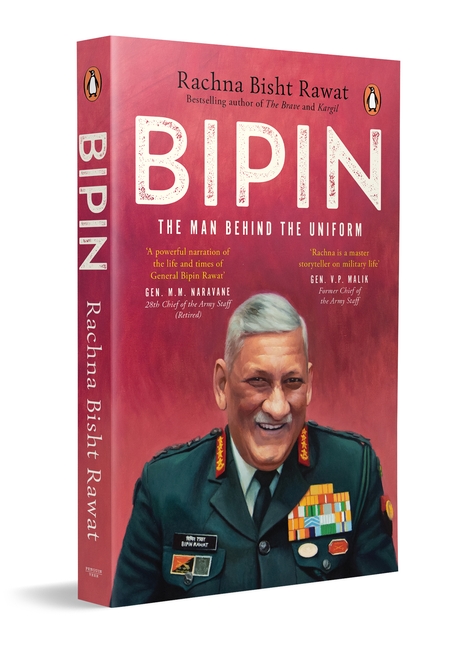
On the morning of 8 December 2021, India’s Chief of Defence Staff, General Bipin Rawat, and his wife, Madhulika, said goodbye to their daughter, Tarini, and dogs, and left their Delhi home to board a flight for Sulur in Tamil Nadu. Around 11.48 a.m., they boarded an Mi-17 V5 helicopter that took off from Sulur to Wellington, where Gen. Rawat was to deliver a lecture at the Defence Services Staff College. Just a few minutes away from its destination, the chopper crashed, and all fourteen passengers onboard eventually perished. It was a sudden and shocking end to the life of a man who had risen like a meteor in the defence forces.
Bipin: The Man behind the Uniform is the story of the NDA cadet who was relegated in the third term for not being able to do a mandatory jump into the swimming pool; of the young Second Lieutenant who was tricked into losing his ID card at the Amritsar railway station by a 5/11 Gorkha Rifles officer posing as his sahayak; of the Major with a leg in plaster who was carried up to his company post on the Pakistan border because he insisted on joining his men for Dusshera celebrations under direct enemy observation; of the Army Chief who decided India would retaliate immediately and openly to every act of cross-border terrorism; of the Chief of Defence Staff who was happiest dancing the jhamre with his Gorkha troops.
Written by bestselling author Rachna Bisht Rawat and featuring in-depth interviews with Bipin Rawat’s friends, family members and comrades, this book is a befitting tribute to one of India’s greatest and most controversial Generals.

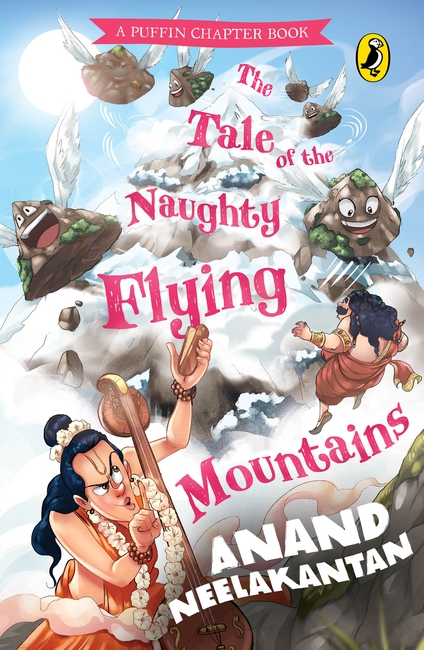
It might sound ridiculous, but it’s true! Himavan, the lord of the mountains, indeed had glorious wings under his
grand snowy cloak. But thanks to the mischief-maker, Narada, chaos ensued and the rest, well . . . went downhill! Narayana, Narayana!
The bestselling mythology author enters the children’s chapter book landscape with his humour-packed series that is sure to have you rolling down the hill with laughter
Selling points:
1. The ideal introduction for beginners to the world of Indian mythology
2. India’s famous mythologist ventures into children’s chapter book space with this new series
3. Author is a bestselling writer of the Bahubali series, Asura: Tale of the Vanquished, Ajaya, Vanara. He’s also a well-known scriptwriter for TV series and a newspaper columnist.
4. This book features one of the funniest stories from Hindu mythology
5. An incredible addition to the Puffin Chapter Book series, which currently boasts of Sudha Murty and Ruskin Bond
6. This is a bright and full-color title that is packed with madcap illustrations
7. Perfect for kids starting to read on their own and great as a gift for mythology readers
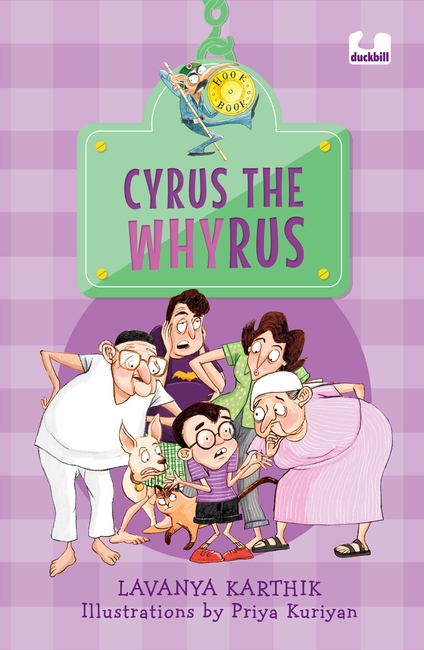
Cyrus has a lot of Whys! They buzz like bees, they graze like goats. They are driving everyone crazy! The whys must be stopped. But how?
About the Hook Book Series
In a world where children’s books often feel cut from the same cloth, Hook Books stand out as a vibrant blend of imagination, humour, and heart. Crafted as a bridge between picture books and early chapter books, this series delivers stories that spark joy and wonder, while remaining rooted in age-appropriate learning.
Hook Books keep the fun going with:
- Short, digestible bits of text (perfect for budding readers)
- Bright colour illustrations that pull kids into the story
- Themes that speak to the everyday lives of children—plus a sprinkle of whimsy!
From fantasy tales to those that touch on more advanced ideas, Hook Books ensure that young readers are always in for a treat, no matter their reading level. Even better, these books take children on journeys through different parts of India, giving them a taste of the rich diversity of our world through local flavours, landscapes, and cultures. Whether the story takes place in bustling cities or quiet villages, Hook Books make every setting feel like home.

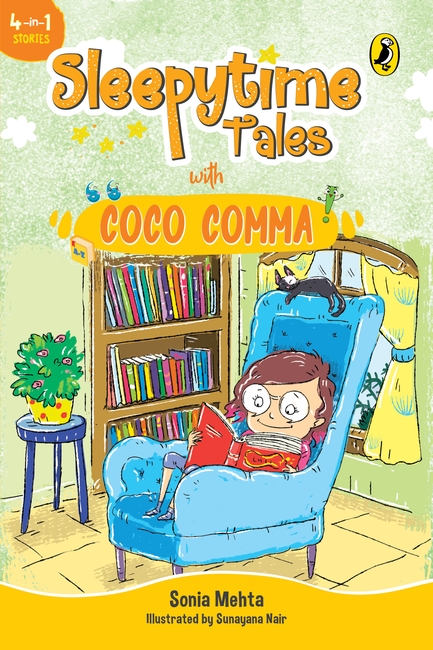
The Book: Coco Comma is an English language ace. She keeps interrupting and correcting the townsfolk’s English, annoying everyone. With her nose buried deep in a book, she often walks into objects and bangs into people and furniture. Along with her best friend Sunny, Coco creates ridiculous rhymes, alliterates impossible sentences, uses hilarious idioms, and even encounters a magical alphabet tree!
The Series: It’s bedtime! Time to settle down, get cosy and read some stories, with magical moments, oodles of entertainment and a little bit of learning. Meet some happy characters who love to know about . . . well, everything! Join them as they explore the world and discover fun things along the way.
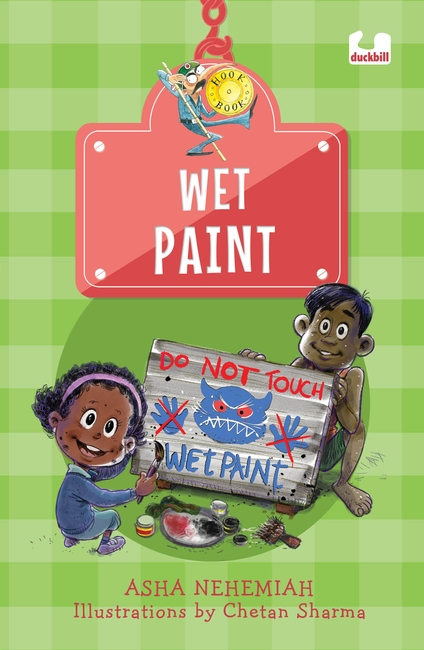
Aman is to paint a mural on the new hospital when disaster strikes. Can he and Paru, the mason’s daughter, save the day? Will the townsfolk get the mural of their dreams?
About the Hook Book Series
In a world where children’s books often feel cut from the same cloth, Hook Books stand out as a vibrant blend of imagination, humour, and heart. Crafted as a bridge between picture books and early chapter books, this series delivers stories that spark joy and wonder, while remaining rooted in age-appropriate learning.
Hook Books keep the fun going with:
- Short, digestible bits of text (perfect for budding readers)
- Bright colour illustrations that pull kids into the story
- Themes that speak to the everyday lives of children—plus a sprinkle of whimsy!
From fantasy tales to those that touch on more advanced ideas, Hook Books ensure that young readers are always in for a treat, no matter their reading level. Even better, these books take children on journeys through different parts of India, giving them a taste of the rich diversity of our world through local flavours, landscapes, and cultures. Whether the story takes place in bustling cities or quiet villages, Hook Books make every setting feel like home.

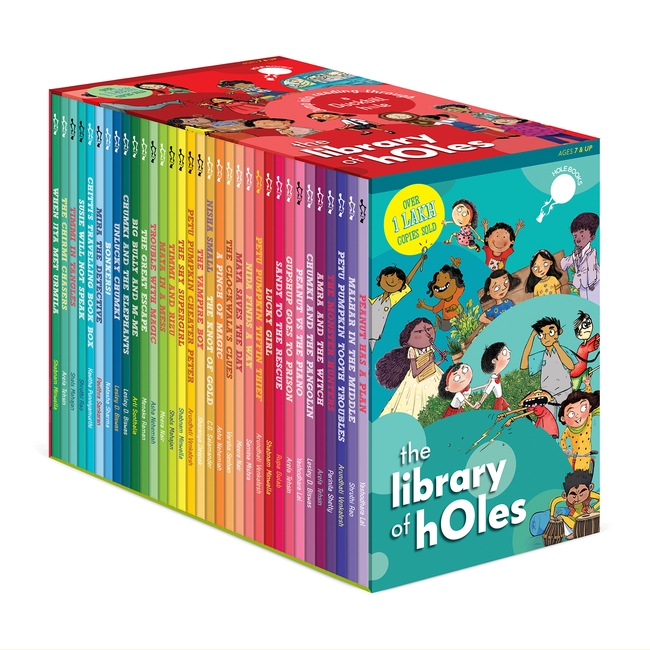
Thousands of Indian kids have jumped into reading with a Duckbill hOle book!
Get all 33 books in the series in this unique Library of hOles, and make your child fall in love with books and stories. Recognizable by the hOle at the top corner of each book, these chapter books are for kids learning to read independently. They are full of fun stories, gorgeous illustrations and hOles!

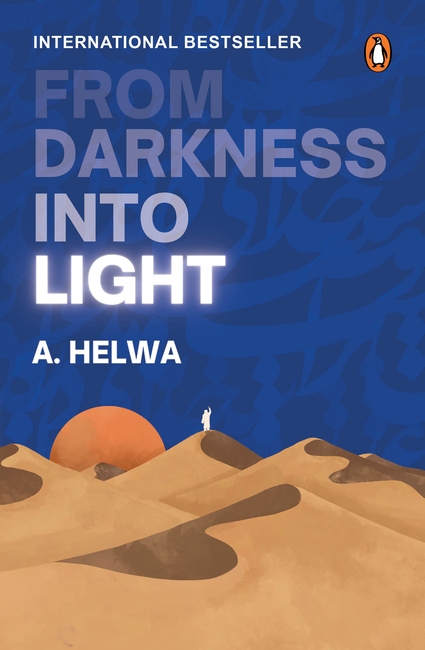
God is the Guardian
of those who believe
He brings them out from
the darkness into light
Qur’an 2:257

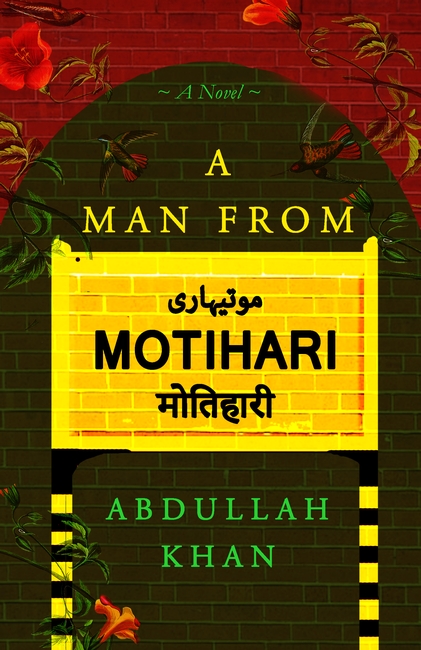
When dapper Aslam, an aspiring writer, who is recovering from a broken relationship, accidently meets Jessica, an activist and an actor in the adult entertainment industry from Los Angeles, they fall hopelessly in love with each other. The novel is about these two unlikely characters and their journeys in the backdrop of the rise of right-wing political forces in India. It takes you to the Indian hinterlands to bring to light George Orwell’s deep connection with Motihari, a small town in the northern part of Bihar from where Gandhi Ji experimented with Satyagraha for the first time.

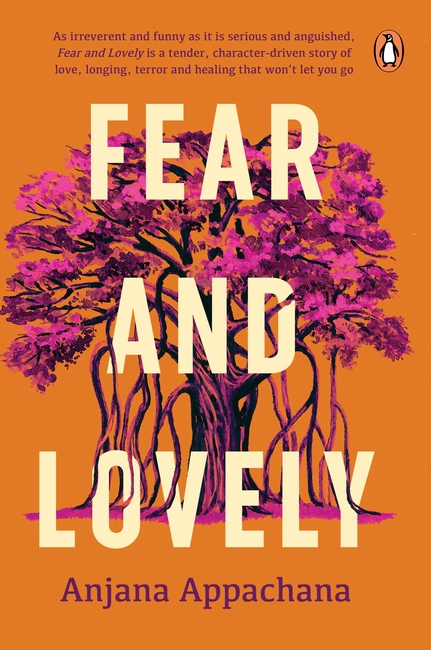
Mallika is a painfully shy young woman growing up in the heart of a close-knit, sometimes stifling New Delhi colony. Though she is surrounded by love, her life is complicated by secrets that she, her mother and her aunt work hard to keep.
After suffering a trauma aged nineteen, Mallika loses three days of her memory and slowly spirals into a deep depression. She must find a way out of this abyss, back to herself and those she cares about. But she must also hide her mental illness from her community.
In a narrative that unfolds elliptically from the perspectives of Mallika and the seven people closest to her, the astonishing story of these characters’ lives emerges. For Mallika’s family, childhood friends and the two men she loves are also hiding truths. As each gives voice to contending with their own struggles, secrets and silences shatter.