Publish with Us

Follow Penguin

Follow Penguinsters

Follow Penguin Swadesh

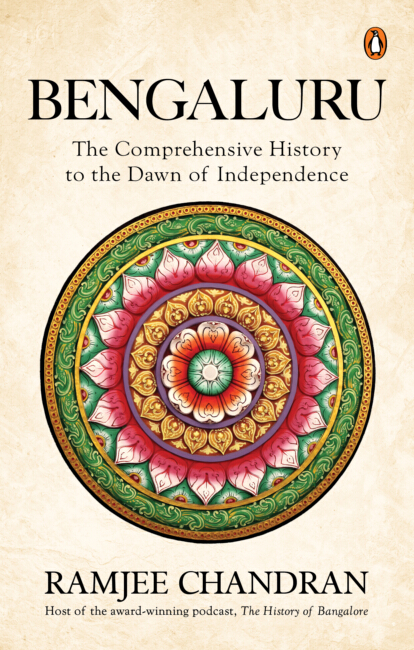
Bengaluru

There was never a reason for Bengaluru to exist.

There is no river of a scale large enough to nourish life and trade, no sea or estuary to support a thriving port, no fertile plain to attract early settlers. The city sits on a plateau 3,000 feet above sea level, amid rocky outcrops and marshy wetlands—terrain that should have discouraged permanent settlement.

Yet, a city came up.

Dolmens, tools and cave paintings reveal hunters and gatherers once roamed these lands. Roman coins and potshards suggest that the region lay along ancient trade routes linking South Indian ports with Rome.

By the 4th century, inscriptions on stones and copper plates begin to record the region’s history. Bengaluru’s story though, unlike much of the war-torn Deccan, is one of commerce and confluence—a place where people came together.

Kempe Gowda built it as a great marketplace. The British were drawn by its climate and landscape; Mysore’s maharajas and independent India embraced it as a society that was cosmopolitan and secular.

Bengaluru existed because people wanted it to.

Bengaluru exists because it chooses to.

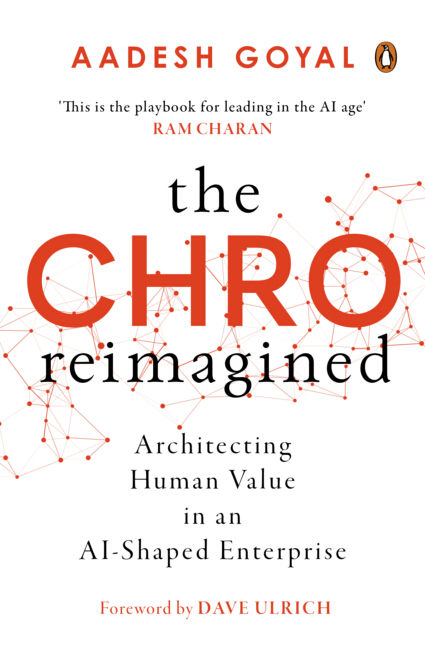
The CHRO Reimagined

Over the last few decades, the role of the CHRO has changed in ways that are not always visible from the outside.

Formally, the function is still called Human Resources. Many familiar responsibilities remain. But the nature of the work has shifted. As technology has altered how organizations operate, the most important questions facing the CHRO are no longer about policies, programs, or processes.

They are about design.

As AI, automation, and digital platforms reshape work, organizations make a series of choices, often implicitly, about how humans and machines will interact, how roles will evolve, how skills will be developed and redeployed, how learning will keep pace with change, how culture will be sustained across distance and scale, and how people will be treated when disruption is unavoidable.

These choices determine whether technology amplifies human contribution or erodes it.

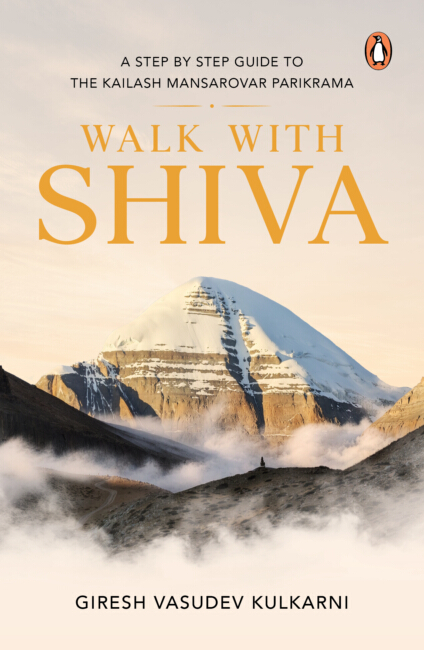
Walk With Shiva

There is a mountain that millions of Bhagwan Shiva devotees spend their entire lives hoping to see once. Mount Kailash, rising at 6638 metres in the Tibetan plateau, is not merely a place. It is a reckoning: with the body, with faith, with everything the self has been quietly avoiding.

Giresh Vasudev Kulkarni made the journey at 87 kilograms, with a heart condition and no mountaineering experience. Walk with Shiva is the book that came out of it. Part spiritual memoir, part practical handbook, it takes the reader from the first inner stirring of the call through the sankalp, the Mansarovar bath, the three-day parikrama and the crossing of Dolma La, to the forty days of transformed living that follow the return.

For those planning the yatra.

For those waiting for the call.

For those who have returned and cannot yet name what changed.

Mount Kailash asks the same question of all of them: Are you ready to find out who you are when everything unnecessary is removed?

For Mount Kailash does not wait for the convenient moment. Neither should you.

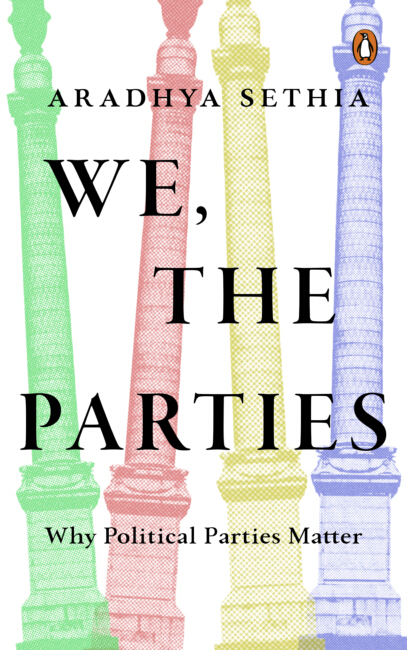
We, the Parties

Political parties occupy an uneasy place in Indian democracy. They often manipulate, distort and even subvert constitutional processes. They divide citizens, polarize societies and undermine individual citizens and their representatives. And yet, it is precisely this ‘power grab’ by political parties that makes the Indian Constitution meaningful. While the Constitution was written in the name of ‘the People’, it is sustained by the parties.

This book goes beneath the surface of Indian politics, the ‘system’ that enables this weird and wonderful world. Why did the original Indian Constitution say nothing about political parties? What role should they play in Indian democracy? What, if anything, makes them desirable? How does the Constitution shape party politics? How do parties, in turn, shape the workings of the Constitution? What kinds of parties does India need, and what is wrong with the ones it has? And finally, what can be done to reform them? Understanding this labyrinthine relationship between the Indian Constitution, democracy, political parties and the law is the project Aradhya Sethia undertakes in We, the Parties.

Harish Goes to France

When Harish Bhat gets an invite to Cannes, he is more than ecstatic. Like any other person, he starts to look up and enquire to people the “things to do”. What follows is eventful trip filled with unusual encounters and most unique experiences – discovering various kinds of baguettes to admiring the French reverie or slow looking at the exquisite art. While landscapes and time are temporal, author brings to life the humor, charm, and surprises of everyday experiences. In this delightful travel memoir, Harish Bhat walks down the lane of quiet reminiscences, fond recollections and ruminations about life.

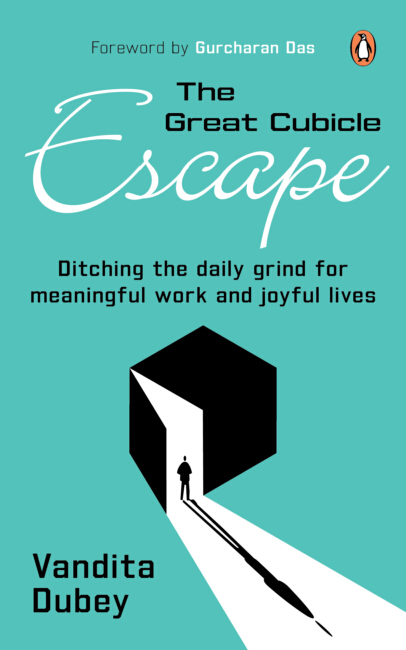
The Great Cubicle Escape

Society expects conformity. Herd-mentality says success is money. So we work long hours, commute, deal with air pollution, live stressed out, unhealthy lifestyles. We perform hollow tasks on repeat even as our souls shrivel.

Thirty individuals questioned this success. They needed meaning, not just a salary. A finance professional now makes mud homes, an HR professional makes a living through her art and photography, an Oxford and IIT educated couple live in a village and homeschool their children, and an ex-Citibanker makes cheese.

Vandita Dubey interviewed them and other contrarians. What triggered them to radically change their lives? Was it planned or on impulse? What were the risks and trade-offs? What is their new work and life? Are they happy? Any regrets?

In The Great Cubicle Escape, Vandita draws on these interviews, her own journey of moving to a Himalayan village and her training as a psychologist.

If, despite the front you put up, something doesn’t feel right and gnaws at you inside, this book might offer some answers.

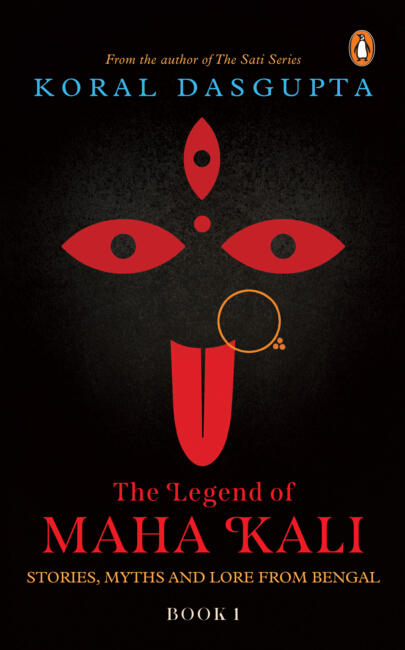
The Legend of Maha Kali

In the heart of Bengal, Kali is an overwhelming emotion spanning religion, history, myth, gender, culture, art, environment, and so much more. She is felt and feared, loved and lived. She is also widely misunderstood. Social misinterpretations have morphed inherited beliefs into superstition and stereotype.

But Kali is no single story, even within Bengal. And Kali consciousness is a vast landscape, experienced through symbols, instincts, rituals and nature, too intense to comprehend in one lifetime.

Koral Dasgupta studies myth, memory, and lore — tracing the popular avatars and names of the goddess. The Legends of Maha Kali from Bengal (Vol. 1) revisits the purpose, perception and presence of Mahamaya, Chamunda, Shyama Maa, Dakhina Kali, Maa Tara, Bama Kali, among others, through an evocative collection of stories that weave philosophy into narrative fiction.

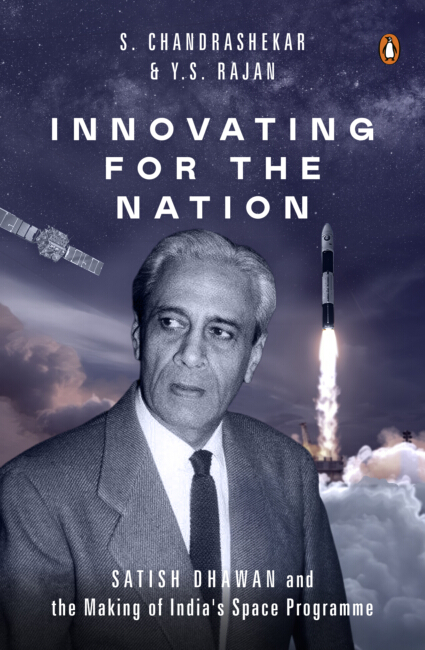
Innovating for the Nation

Among independent India’s greatest achievements is its space programme—a remarkable story of ambition, perseverance and indigenous innovation. At the heart of this story was Satish Dhawan.

After Vikram Sarabhai’s death in 1971, Dhawan took charge of the Indian Space Research Organisation (ISRO). Over the next decade, he built the technical expertise, organizational capabilities and institutional foundations that transformed India’s fledgling space effort into a world-class programme. His greatest contribution was to ensure that space technology served the needs of ordinary Indians.

Under his leadership came landmark initiatives including SITE, the Aryabhata and Bhaskara satellites, APPLE, and the INSAT and IRS programmes. Many of these achievements laid the foundations for India’s technological self-reliance.

S. Chandrashekar and Y. S. Rajan, who worked closely with Dhawan at ISRO, are uniquely placed to tell this story.

Innovating for the Nation celebrates Dhawan’s extraordinary contribution to nation-building and the determination that helped make India a spacefaring nation.

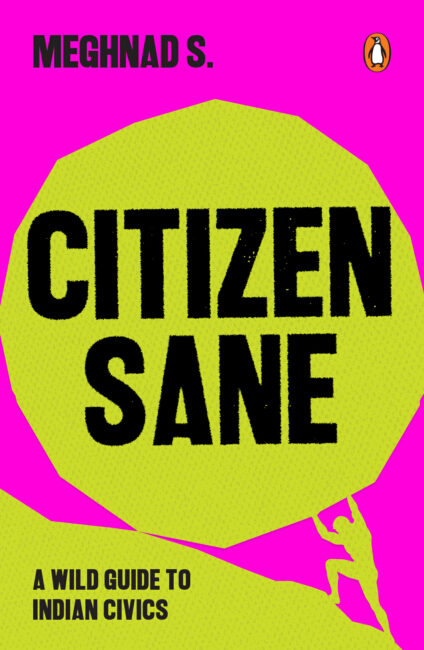
Citizen Sane

Politics makes you go WTF? Same. That’s why this book exists—to explain Indian democracy without putting you to sleep. No lectures, no jargon, just a brutally honest breakdown of why your vote matters, how ideologies actually work, and how not to get played by candidates who talk big and deliver zilch. It’s the ultimate crash course for anyone who wants to understand the system without reading a dusty civics textbook. Think of it as your political survival guide—funny, irreverent, and actually useful.

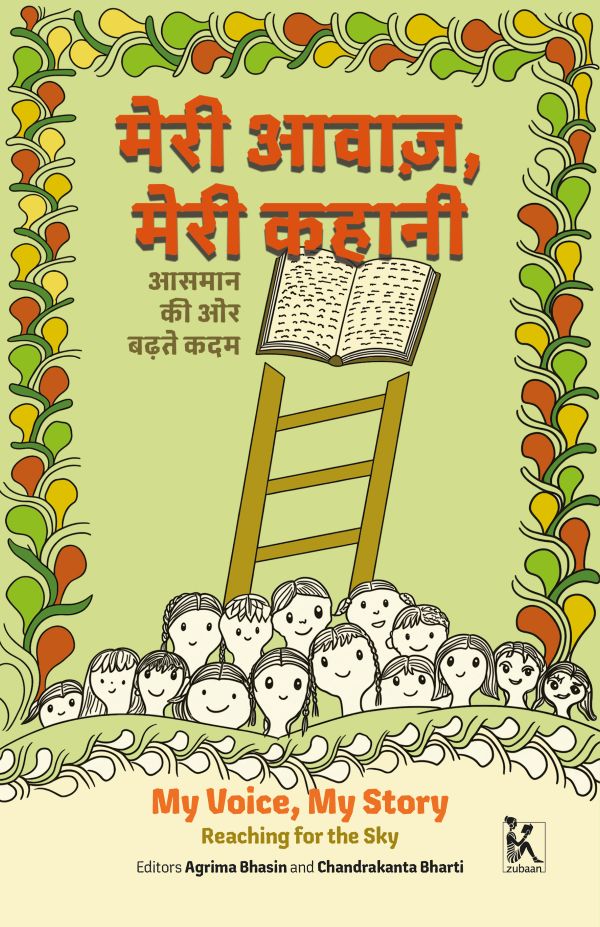
My Voice, My Story: Reaching for the Sky

The COVID-19 epidemic threw the entire world into crisis. Social life came to a standstill, inequalities deepened, and educational systems faltered. Behind the tragedy, though, there was also hope. In remote parts of Bihar and Uttar Pradesh in India, young Muslim and Dalit girls, some with the support of their families and some without, emerged as leaders, learners and voices of resilience within their communities.

These are their stories. As part of the Girls’ Learning and Leadership Programme (GLLP) organised by the Centre for Social Inclusion and Equity (CSEI), the girls went through peer learning, leadership building, social-emotional development, and responded to the programme’s creation of pathways to continue their education, advocate for their rights and inspire others around them. Their stories offer a living archive of courage, aspiration and hope.

Each story holds deeply personal experiences of exclusion, poverty, interrupted education, gender discrimination and a fierce determination to rise above this.

Developed through an intensive creative writing journey supported by workshops and interactions with women writers, the narratives reveal not only struggles but also strength, imagination, and agency. Together, they remind us that despite systemic challenges, young girls continue to dream, learn, and lead change.

This first-of-its-kind collection is a testimony to the power of storytelling, education, and collective resilience in shaping a more just and inclusive future.

कोविड-19 महामारी ने पूरी दुनिया को अचानक संकटकाल में धकेल दिया था। सामाजिक जीवन ठप्प हो गया, असमानताएँ और गहरी हो गईं और शिक्षा व्यवस्था लड़खड़ा गई। पर इस त्रासदी के पीछे कहीं ना कहीं जगह-जगह पर थोड़ी सी उम्मीदें भी थी। भारत के बिहार और उत्तर प्रदेश के सुदूर इलाकों में, मुस्लिम और दलित किशोरियाँ, कुछ अपने परिवारों के सहयोग से और कुछ बिना सहयोग के, अपने समुदायों में नेतृत्वकर्ता, शिक्षार्थी और दृढ़ता की आवाज़ बनकर उभरीं। यह उनकी कहानियां हैं। सेंटर फॉर सोशियल इक्विटी एंड इन्क्लूज़न (CSEI) द्वारा आयोजित गर्ल्स लर्निंग एंड लीडरशिप प्रोग्राम (GLLP) के माध्यम से इन किशोरियों ने अपने सहपाठियों से सीखा, नेतृत्व क्षमता विकसित की, सामाजिक-भावनात्मक विकास का हिस्सा बनीं और कार्यक्रम द्वारा बनाए गए अवसरों का लाभ उठाकर अपनी शिक्षा जारी रखी, अपने अधिकारों के लिए पहल की और अपने आस-पास के लोगों को प्रेरित किया। ये कहानियाँ साहस, आकांक्षा और आशा का जीवंत संग्रह प्रस्तुत करती हैं। प्रत्येक कहानी बहिष्कार, गरीबी, बाधित शिक्षा, लैंगिक भेदभाव और इन सबसे ऊपर उठने के दृढ़ संकल्प के गहरे व्यक्तिगत अनुभवों को प्रतिबिंबित करती है। महिला लेखिकाओं के साथ कार्यशालाओं और संवादों द्वारा समर्थित गहन रचनात्मक लेखन से विकसित ये कहानियाँ न केवल संघर्षों को उजागर करती हैं, बल्कि शक्ति, कल्पना, और आत्मनिर्भरता को भी दर्शाती हैं। ये सभी रचनाएँ मिलकर हमें याद दिलाती हैं कि कैसे व्यवस्थागत चुनौतियों के बावजूद, किशोरियाँ सपने देखना, सीखना और बदलाव की ओर कदम बढ़ाना जारी रखती हैं। यह अनूठा संग्रह एक न्यायपूर्ण और समावेशी भविष्य का निर्माण करने में कहानियों, शिक्षा और सामूहिक दृढ़ता की शक्ति का प्रमाण है।

error: Content is protected !!