When a major Pakistani political figure is hanged, OK Town erupts in protest.
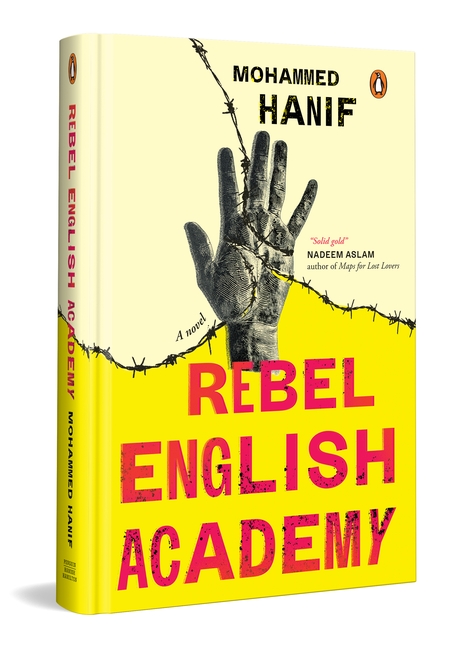
A few miles away, Sir Baghi is surprised by a knock at the door of the Rebel English Academy, his tuition center that offers affordable English lessons. An unexpected visitor, Sabiha, seeks refuge at the Academy – but she has a gun, her parents are political prisoners, her husband has just died in a suspicious fire, and she’s clearly hiding something. Baghi encourages Sabiha to write, and throughout the book her life unspools on the page.
Meanwhile Captain Gul, disgraced intelligence officer, has been banished to OK Town, where he aims to silence protesters by any means necessary. But his duties – and romantic desires – begin to overlap, and his already-dubious power is further threatened.
In Rebel English Academy, Pakistan is coming into modernity, struggling under martial law after the execution of its former leader. Mohammed Hanif has constructed a vibrant cast of interconnected characters that face this changing landscape with violence, passion, and the occasional sharp humor. Wry, searing, and deeply relevant, Rebel English Academy is a triumphant new novel about political power, religion, education, sexuality, and dissent.
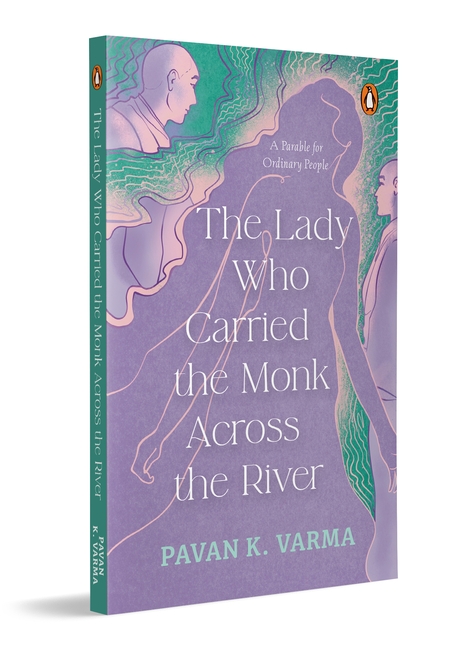
In the foothills of the Himalayas, a simple act upends an ancient parable. This time, it is the lady who carries the monk across the river.
Through the intertwined fates of Guru Brihaspati, his celibate disciples Kevala and Gyan, and the enigmatic Mandakini, The Lady Who Carried the Monk Across the River explores the tension between spirituality and desire, the sacred and the profane, and the elusive unity of both. As Kevala and his guru engage in a five-day debate on the meaning of a fulfilling life, the river becomes both a literal and symbolic divide, one that must be crossed daily, not just in body but in spirit.
Tautly woven with philosophy, passion, and profound questions, this novel is no sermon. It is a story of real lives, intense choices, and the irresistible force of Shakti. Can the pursuit of transcendence and the pull of earthly love coexist? In just five days, lifetimes of belief are tested, and the answers may be as fluid as the river itself.
As faith collides with longing, the story unfolds with intensity and depth, drawing readers into a world where every choice reshapes the path to enlightenment.
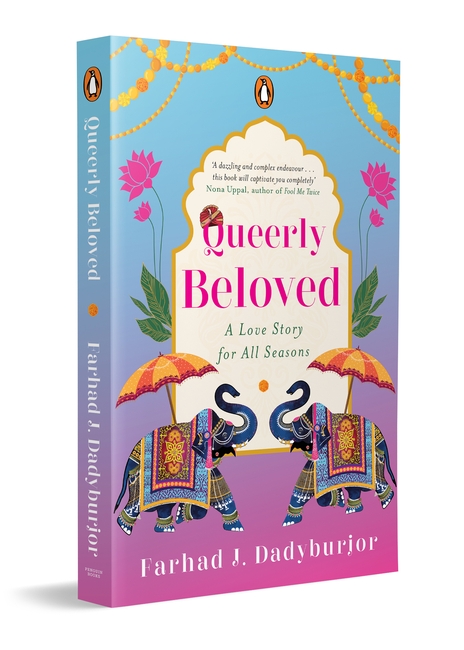
A big-hearted tale of true love, second chances and one grand wedding
Mumbai-based industrialist Ved Mehra has found the love of his life in Carlos Silva, an American working in the city. After three years of living together, they are now ready to take the next step—a big fat Indian wedding. But as he begins to share the good news with his family and start the preparations, Ved finds himself stretched in all directions: his divorced mother is blissfully smitten with a younger man who is pulling out all the stops; a long-buried secret from his father’s past catches up to him; and if things weren’t complicated enough, his ex-boyfriend Akshay is back and wants to be a part of his life. Will things finally work out for Ved? Especially, with everyone else around him also demanding their own happily ever after?
Told with humour, warmth and a lot of heart, Queerly Beloved is a sparkling romcom about love in all its messy, complicated glory.
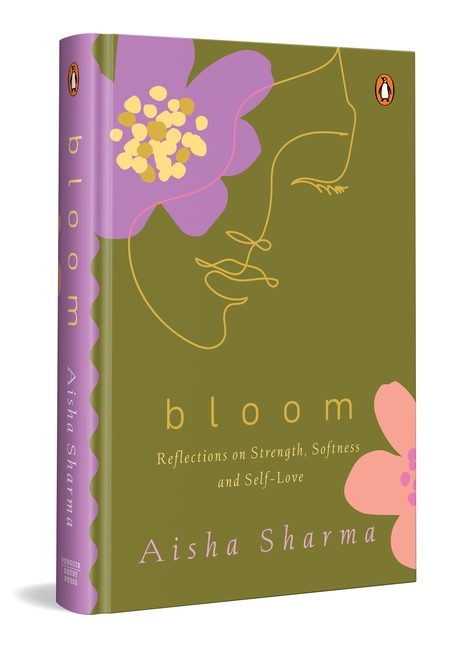
In a world that glorifies speed, perfection, and performance, Aisha Sharma offers a quiet rebellion — an invitation to slow down and return to your own rhythm, your own truth, your own heart.
Each reflection is a gentle mirror, guiding you from self-abandonment to self-trust, from seeking to belonging, from tenderness to quiet power. With lyrical warmth and unflinching honesty, Bloom reminds us that transformation isn’t about becoming someone new, but about remembering who you’ve always been.
Growth, Aisha reminds us, is not loud or linear — it’s the soft, steady unfolding of the soul, the journey of the lamb that learns, endures, and one day roars.
This is not a book to be read once and shelved — it’s a book to return to, a tender companion for anyone learning to come home to themselves.
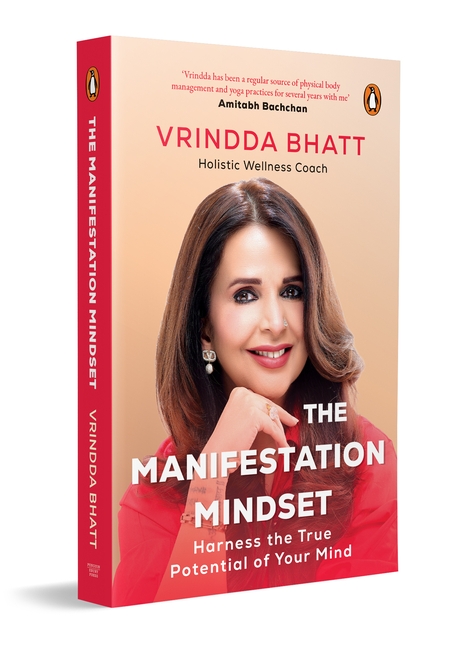
What if everything you’ve ever wanted is already within your reach—waiting for you to master the mindset to claim it?
The Manifestation Mindset is a practical and science-backed guide to unlocking the extraordinary power of your mind and using it consciously to create a deeply fulfilling life. Drawing from years of coaching experience, Vrindda Bhatt offers a refreshing take on manifestation—one that moves beyond wishful thinking to grounded, actionable transformation.
Unlike most books that glorify manifestation as a mystical force, this one reveals the true secret: the mind only manifests what it is trained to believe, feel and act upon daily. Through powerful insights and easy-to-follow exercises at the end of each chapter, readers will learn how to build clarity, focus, discipline and emotional balance—the real building blocks of success.
Covering four essential areas—health, relationships, money and career—The Manifestation Mindset helps readers unblock their energy, manage stress and align their thoughts with purposeful action. It’s not just a guide to achieving goals—it’s a blueprint for mastering your mind, transforming your habits and manifesting the life you truly desire.

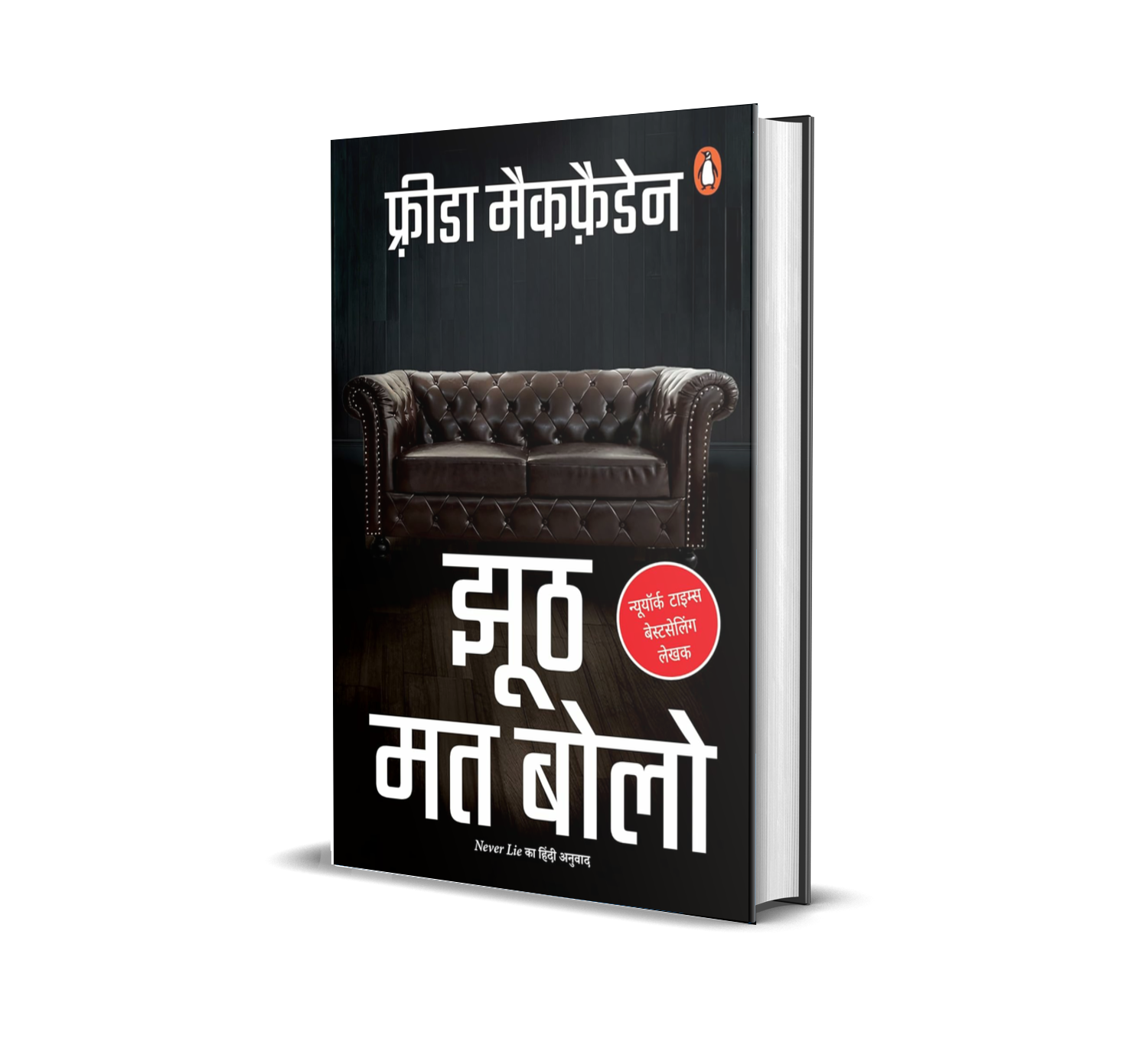
एक नवविवाहित जोड़ा अपने लिए एक मकान पसंद करने जाता है। लेकिन बर्फ़ीले तूफ़ान की वजह से वे उसी घर में फँसकर रह जाते हैं। उन्हें लगता है कि यह बस एक हादसा है। लेकिन जब उन्हें घर की मालकिन की पुराने टेप मिलते हैं, वे पाते हैं कि यह महज़ हादसा नहीं, बल्कि एक पहले से ही रचा षडयंत्र है। यहाँ बिताई दो रातों में हर लम्हा, हर घटनाक्रम उन्हें उस रहस्य के निकट ले जाता है जो कई लोगों की मौत से जुड़े हैं। यह एक ऐसा थ्रिलर है जो पाठक के दिमाग और दिल, दोनों को झकझोर देता है। यह डराता नहीं, बल्कि सोचने के ढंग को हिला देता है। झूठ मत बोलो एक मनोवैज्ञानिक सस्पेंस और क्लासिक हॉरर का ऐसा मिश्रण है, जो आख़िरी पन्ने तक साँसें थामे रखता है।
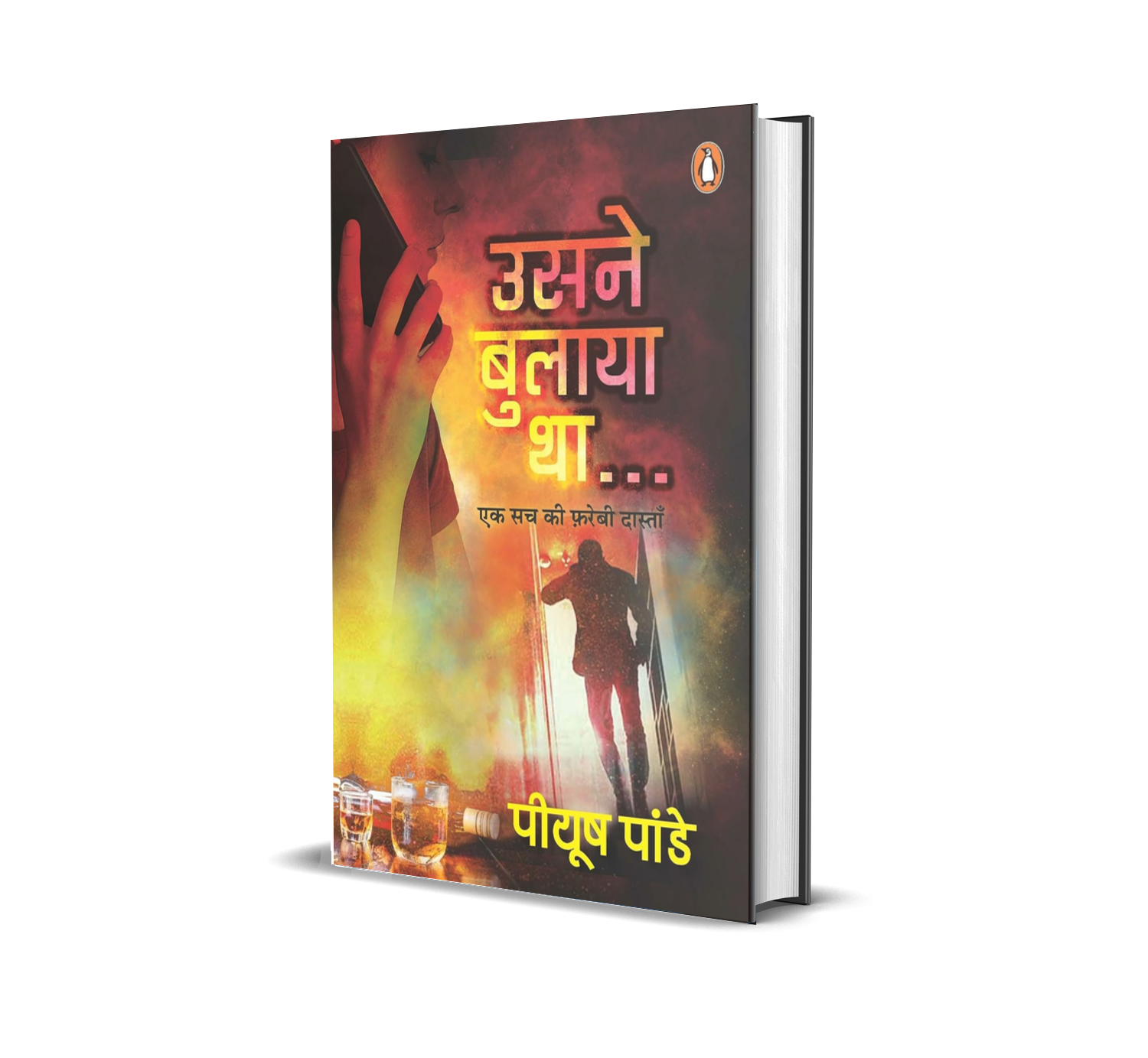
उसने बुलाया था रहस्य-रोमांच से भरपूर एक रोमांचक कथा है, जिसमें सच और झूठ की सीमा बार‑बार बदलती है। लगातार होती हत्याएँ, जिनमें न कोई गवाह, न हथियार, न सबूत। पुलिस के पास केवल अनुमान और असहायता है। साथ ही चलता है एक तनावपूर्ण कोर्टरूम ड्रामा, जहाँ हर सुनवाई में पुलिस चौंकाने वाले खुलासे करती है। मामला इतना अधिक उलझना शुरु होता है कि हत्या का एक अदद मामला पूरे देश का सबसे सनसनीखेज़ मामला बन जाता है। हर पेशी के साथ सामने आता है एक नया पीड़ित, एक नई हत्या और एक नया रहस्य। हालाँकि यह उपन्यास काल्पनिक है, लेकिन इसमें घुला दर्द वास्तविक है—हर उस लड़की का, जिसने उत्पीड़न सहा है और हर उस व्यक्ति का, जो किसी बेटी, बहन या पत्नी के दर्द को महसूस कर सकता है। सस्पेंस, थ्रिल और कोर्टरूम टेंशन से भरा यह उपन्यास पाठक को बाँधे रखता है।
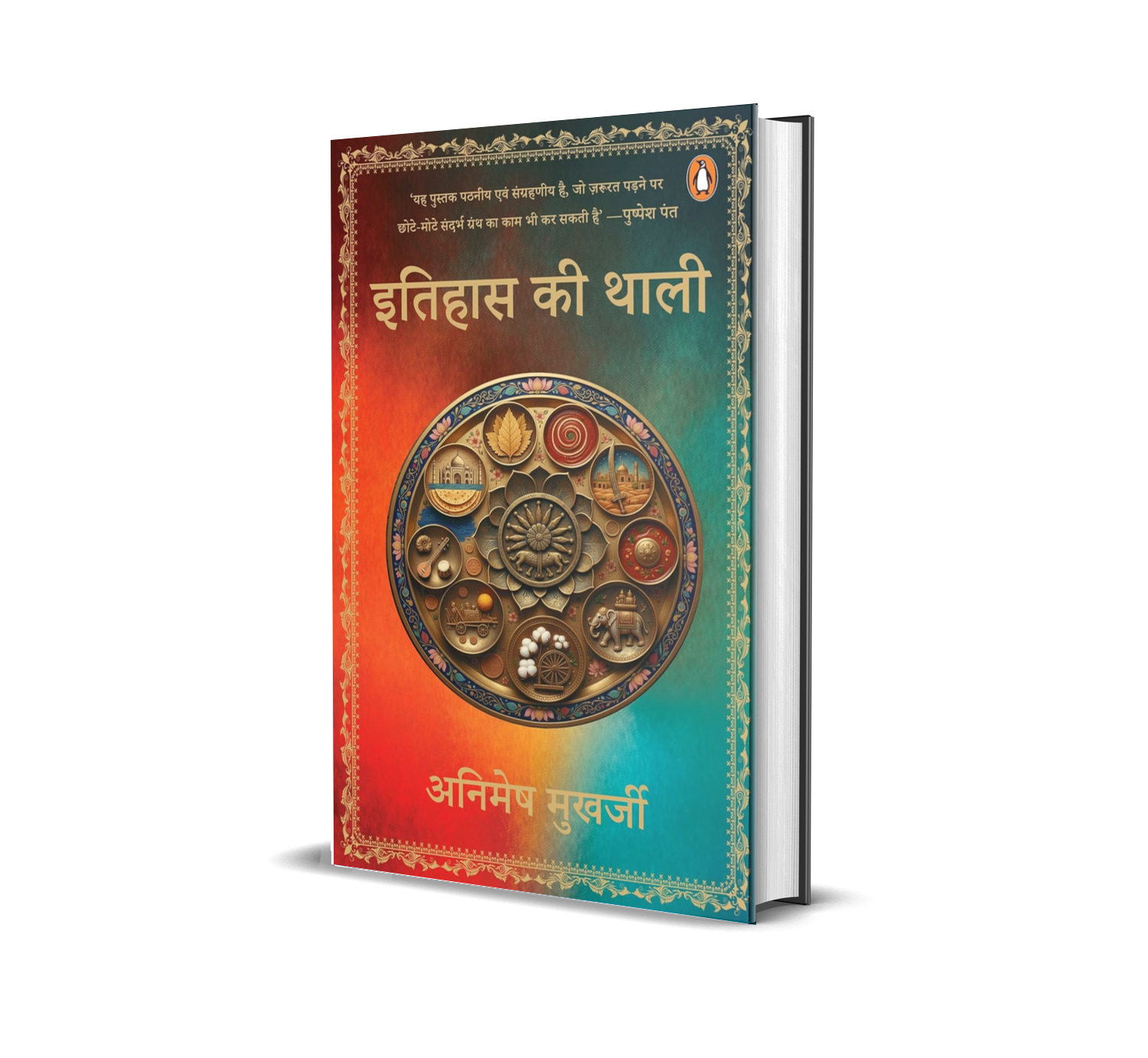
कोलंबस भारत नहीं आ सका, लेकिन उसके चक्कर में आलू आ गया और उस आलू ने हमारी आबादी को जिस रफ़्तार से बढ़ाया कि दुनिया देखती रह गई। ईसाई पादरी ‘क्रिसमस नहीं मनाएँगे’, कहते रह गए मगर बाज़ार ने उसे दुनिया का त्योहार बना डाला। कभी हीर और रांझे की प्रेम कहानी ने बासमती को अमेरिका की संपत्ति बनने से बचा लिया, तो कहीं परंपरा के नाम पर महिलाओं का पोषण ही रोक दिया गया। कभी एक फ़ास्टफ़ूड कंपनी ने कहा कि फ़ेमिनिस्ट होने का मतलब है खाना न पकाना, तो कभी केलों के व्यापार ने सरकारों को तानाशाह बना दिया। अगर अब्राहम लिंकन की वजह से बंबई को उसकी पावभाजी मिली, तो कोला कंपनियों ने खेल को धर्म और खिलाड़ियों को भगवान बनाया। रोटियों से क्रांति करने और नमक से सत्ता गिराने वाले देश में इतिहास की थाली इन तमाम घटनाओं के साथ-साथ, बिरयानी से लेकर 1947 के बँटवारे तक को एक नई नज़र से देखने की क्षमता देती है। क्योंकि हमारे हर निवाले में स्वाद के साथ-साथ इतिहास, व्यापार, संस्कृति, पहचान और साज़िशों की पूरी दुनिया छिपी होती होती है।
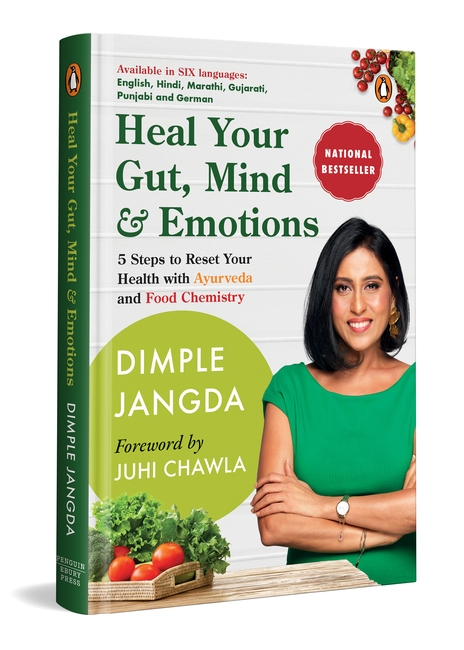
Did you know your physical, mental and emotional well-being depends on your gut health? The healthier your gut, the better you are!
With the gut as a central axis of vigour, health coach Dimple Jangda has helped people all over the world recover from chronic diseases through a powerful combination of ancient Ayurvedic science, modern research and nutrition with a special emphasis on food chemistry.
In this comprehensive book, she shares the tools that shaped her life and advises on how you can use food to preserve your health and reverse diseases. She outlines a five-step process that will help you unlock the huge potentials of the gut and improve your gut–brain axis so it can share critical information with you on what the body truly needs.
Dimple’s goal is to empower people to use nutrition to prevent disease, and through this accessible, exhaustive book, shows you just how you can do that.

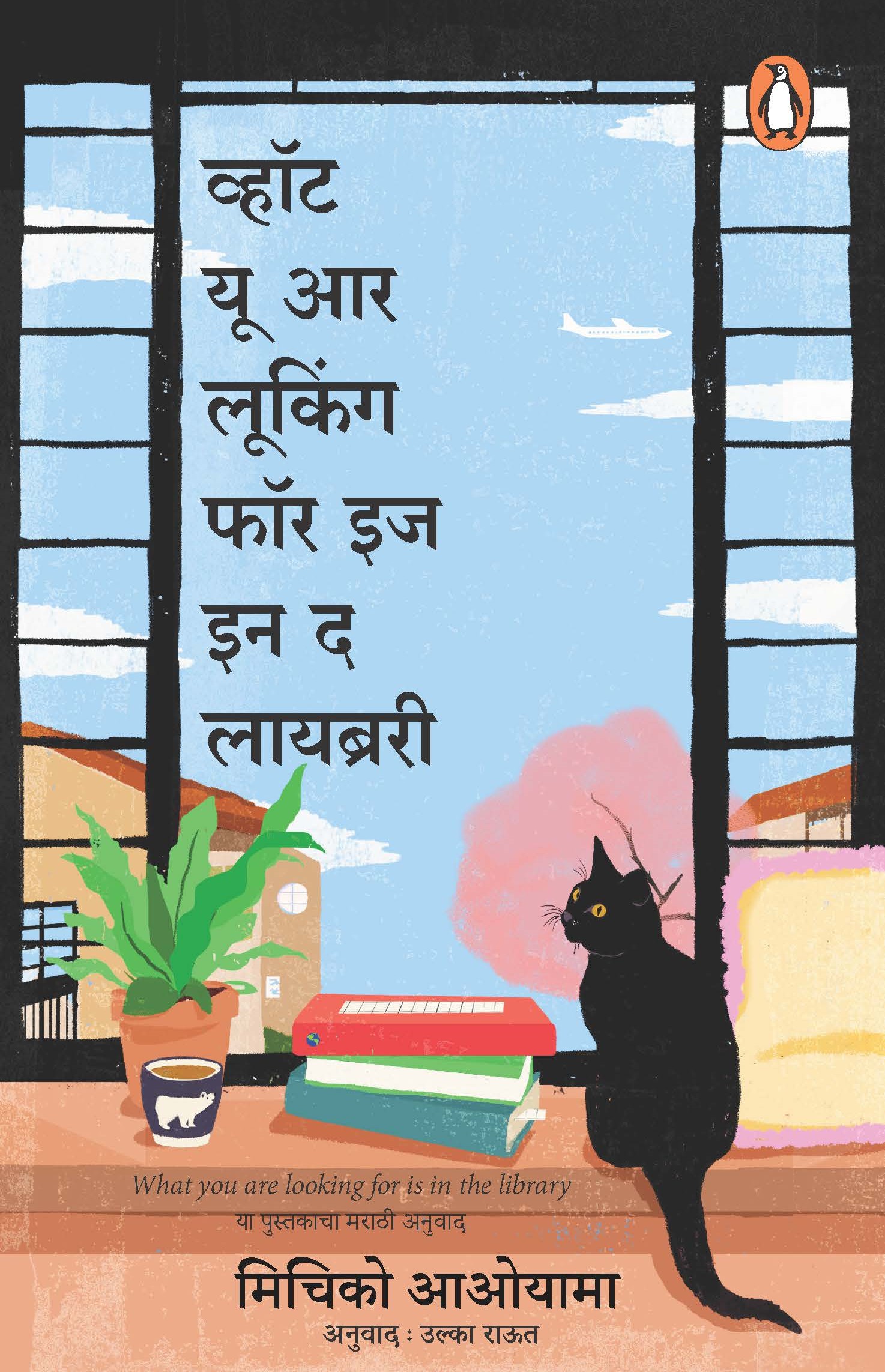
‘काय हवं आहे?’
टोकियोच्या समंजस ग्रंथपाल हा प्रश्न विचारतात.
ग्रंथालयात येणारी प्रत्येक व्यक्ती कशाचा शोध घेत आहे, तिला नेमकं काय हवं आहे, हे सायूरी कोमाचीना न सांगता समजतं. आणि तिचा शोध सफल व्हावा, ह्यासाठी त्या योग्य पुस्तकाची शिफारस करतात.
अस्वस्थ विक्रेता साहाय्यकाला नवी कौशल्यं शिकायची आहेत. बाळंतपणाच्या रजेनंतर कामावर रुजू झालेली आई पदावनतीमुळं आलेल्या नैराश्यातून बाहेर पडायचा प्रयत्न करत आहे. प्रामाणिक लेखापालाला पुरातन वस्तूंचं दुकान उघडायची तळमळ आहे. अलीकडेच निवृत्त झालेला कर्मचारी आयुष्याचा नवा अर्थ शोधत आहे.
ह्या प्रत्येकाला कोमाचींनी सुचवलेल्या विलक्षण पुस्तकामध्ये आपली स्वप्नं साकार करण्याचे मार्ग सापडतात.
‘तुम्ही जे शोधत आहात, ते ग्रंथालयात मिळेल’ हे पुस्तक ग्रंथालयांची अद्भुत दुनिया आणि परस्परसंबंधांची जाणीव ह्याविषयी आहे. हृदयाची धडधड काय सांगते हे लक्षपूर्वक ऐकलं, समोरून आलेली संधी सोडली नाही आणि मनमोकळेपणानं बोललात, तर तुम्ही दीर्घकाळ पाहिलेली स्वप्नं साकार होतील असं सांगणाऱ्या प्रेरणादायी कहाण्या ह्या पुस्तकात वाचायला मिळतील.