“…a narrative that is controversial, explosive and unputdownable.” KABIR KHAN
“…a stark, compelling portrait of our times.”
ADOOR GOPALAKRISHNAN
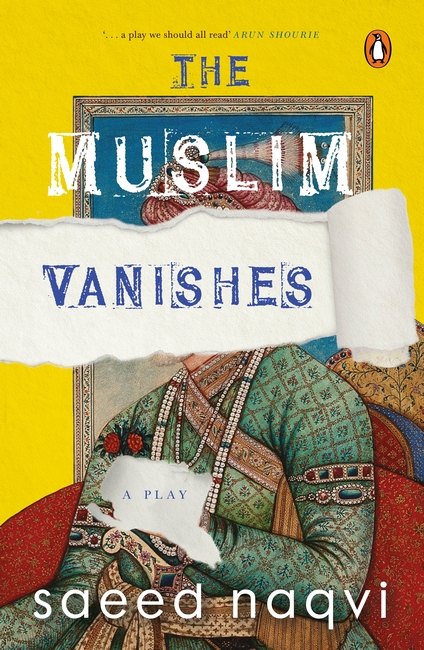
The great poet Ghalib, part of a long tradition of eclectic liberalism, found Benaras so compelling that he wrote his longest poem on the holy city. If we take Ghalib and his myriads of followers out of the equation, will Hindustan be left with a gaping hole or become something quite new? The Muslim Vanishes, a play by Saeed Naqvi, attempts to answer that question.
A Muslim-free India, as a character speculates naively in the play, would be good for socialism, since what the 200 million Muslims leave behind would be equitably shared by the general population. Meanwhile, another character, a political leader, is traumatized by the sudden disappearance of the Muslim voter base and the prospect of a direct electoral confrontation with the numerically stronger Dalits and other backward classes.
Caste, the Hindu-Muslim divide, Pakistan and Kashmir-the decibel levels on these subjects are too high for a conversation to take place, with each side fiercely defending their own narrative. What is the way out of this trap?
How to douse the social and political flames? In this razor-sharp, gentle and funny play, Saeed Naqvi draws on a mix of influences-from grandma’s bedtime stories to Aesop’s fables and Mullah Nasruddin’s satirical tales-to spring an inspired surprise on us, taking us on a journey into the realms of both history and fantasy.

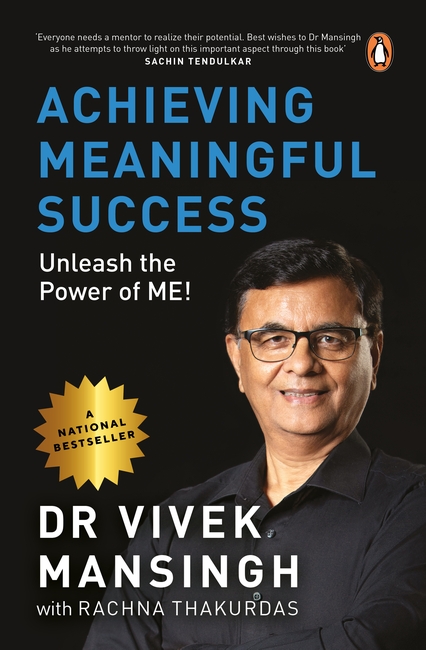
This book will be an adept lifetime mentor faithfully by your side to guide you through various stages of life. It guides you in achieving meaningful success including tremendous professional success through multidimensional and balanced life goals, which are the key to happiness and fulfilment. The book first focuses on defining the person you aspire to be through a step-by-step process to define your aspirational life goals. Then it guides you in becoming the best version of yourself and worthy of realizing your aspirations. The ideas shared are relevant to people of ages fifteen years onwards, from high school students to early and senior professionals to CEOs. It also includes insights from exclusive interviews with Ratan Tata, Narayan Murthy, Kiran Majumdar-Shaw, Sadhguru, John Chambers, Dr Devi Shetty, Rahul Dravid, Prakash Padukone, Vinita Bali, Vani Kola, and more. These distinguished people have achieved amazing success by passionately pursuing their goal-based journeys and have underlined the ideas shared in the book.

What is the common theme in the following true-life experiences?
An organization becomes an iconic brand by retaining only 3 per cent of its products.
A CEO gets more done by organizing ten-minute focused meetings.
TED talk speakers inspire millions within eighteen minutes.
A father adopts a three-day workweek to spend quality time with his daughters.
A tired person transforms his life by embracing one micro habit of waking up at 5 a.m.
Observe Closely
These choices say YES to a small set of things that matter and say NO to everything else.
These choices remove clutter.
These choices find meaning and joy in little things.
And this is the essence of Small Is Big.
Using extensive research, life experiences, and hands-on exercises, this book reveals the Small Is Big source code and outlines how to apply it.
When you harness Small Is Big, fulfilment, productivity and extraordinary results are inevitable.

Meet the smartest of them all!
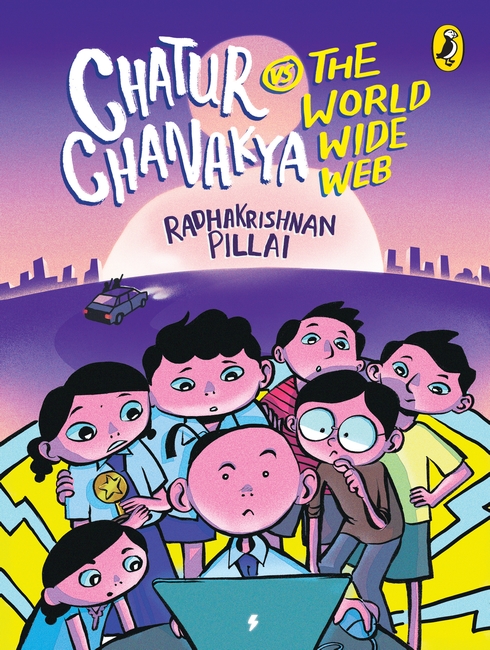
The Super Six of Ganesh Colony are back, with new faces and new challenges. Lakshmi is all set to represent Vani Vidyalaya at an inter-school maths tournament, Chanakya is busy learning about the World Wide Web and Arjun . . . well, he’s up to his usual shenanigans.
But Lakshmi seems to be harbouring a terrible secret-she’s being bullied online! As she receives one nasty message after another, she fears being disqualified from the tournament. Can Chanakya and Arjun combine the intelligence of the past and the future to catch the culprit?
Get ready to join the gang on an exciting adventure-cum-whodunnit! Get ready for Chatur Chanakya.

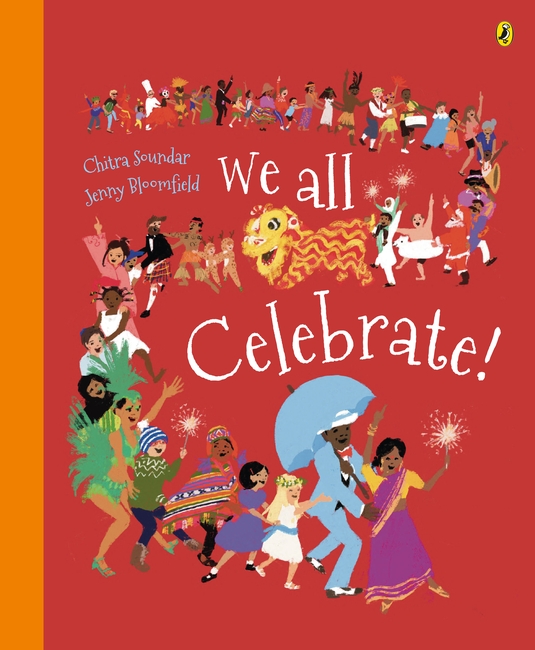
Venture on a rich journey of festivities! From Diwali to Chinese New Year, discover fascinating traditions and customs that unite us all.
Sprinkled with stunning illustrations, We All Celebrate! is bursting with facts about the many cultures and religions of the world. This joyful book offers a glimpse into the beautiful multicultural traditions, language, history, food and so much more-a true celebration of diversity!

Everything in this book is absolutely true, including the things that happened, the things that didn’t really happen and the things that would have happened if history had been more interested in telling an exciting tale!
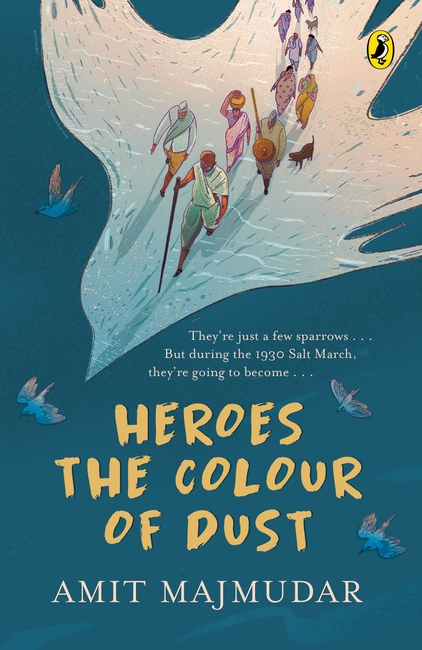
Gandhi and his followers intend to set out on their long walk to Dandi to protest a salt tax, but little do they know of the dangers that stand in their way. They mustn’t despair, for a group of fearless sparrows are ready for self-sacrifice and derring-do. They’ve made a resolution, you see, to protect Gandhi from any foe-bird, mutt or Britisher.
Open this book to join the ranks of the Mahatma’s Guards-heroes six, with India’s greatest poet in the mix-as their adventure takes wing!

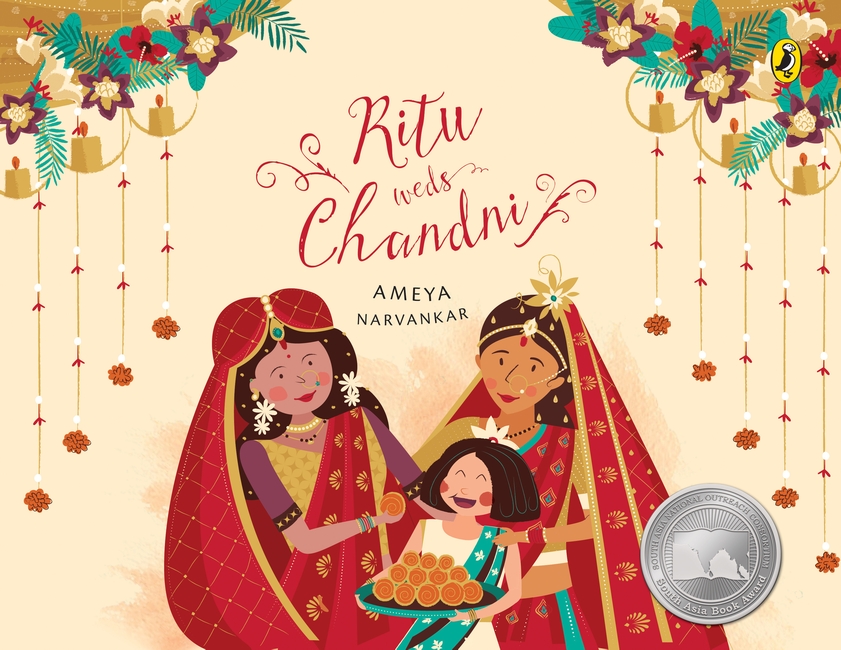
Ayesha is excited to attend her cousin Ritu’s wedding. She can barely wait to dance at the baraat! But not everyone is happy that Ritu is marrying her girlfriend, Chandni.
Some have even vowed to stop the celebrations. Will Ayesha be able to save her cousin’s big day?
Centering Ayesha’s love for her cousin as much as it showcases Ritu and Chandni’s love for each other, this warm-hearted story celebrates the power of young voices to stand up against prejudice and bigotry.
The Puffin Book of 100 Extraordinary Indians is a celebration of achievements and personal stories of those who forged new paths for themselves and others in a way that it continues to affect modern lives.
Written as short anecdotal biographical sketches, the book presents lives of scientists, doctors, activists, painters, sportspeople, dancers, political leaders and many more from different walks of life. Among 100 extraordinary Indians are names like Irom Sharmila, Dutee Chand, Bhagat Singh, Gauri Sawant, Virat Kohli, Satya Nadella, Chatrapati Shivaji.
Whether they climbed the heights, swam the depths, mastered science or track and field, picked the baton of education or activism–each of their stories is replete with big and small victories that continue to inspire.
Madras, 1944
While World War II rages in Europe and the Japanese army draws closer to India, Raji and her sisters are sent off with their mother to stay in Manikoil, her mother’s family village. But with her brother now a soldier in the British Indian Army and refugees fleeing from Malaya, Burma and other eastern countries back to India, Manikoil is no longer the peaceful haven it once was.
And while there is hope of Independence in the air, Raji is uncertain whether it will come to pass-and what it will truly mean for her and her family.
The Songs of Freedom series explores the lives of children across India during the struggle for independence.
The series complements school textbooks about the independence movement. As the stories are told from a child’s point of view, these stories bring the facts of the independence movement to vivid life in settings all over the country—and inspire each reader to engage with the idea of India.
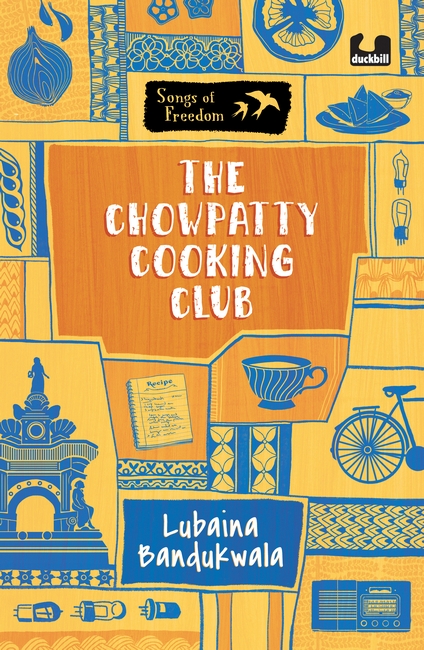
Bombay, 1942
With Mahatma Gandhi’s call to the British to Quit India, the city has become a hotbed of revolutionary activity-student protests, secret magazines and even an underground People’s Radio which broadcasts news that the British want concealed.
Sakina and her friends Zenobia and Mehul desperately want to be part of this struggle for freedom. But there is little that they are permitted to do. But at least, they are trying to do something useful, while their mothers are only running a cooking club …
The Songs of Freedom series explores the lives of children across India during the struggle for independence.
The series complements school textbooks about the independence movement. As the stories are told from a child’s point of view, these stories bring the facts of the independence movement to vivid life in settings all over the country—and inspire each reader to engage with the idea of India.