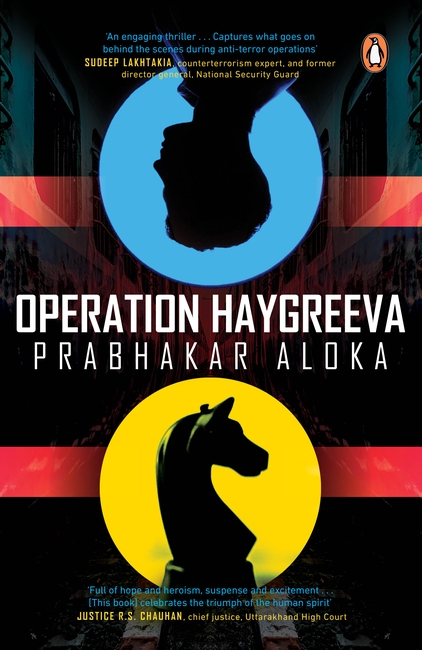
The C3 unit in the Intelligence Bureau is the node of the country’s counter-terrorism operations. At its discreet headquarters in New Delhi, intelligence officers work hard behind the scenes to thwart threats, keep track of targets and make sure the country is kept safe. When Mumbai becomes the victim of a series of horrific bomb blasts, Ravi Kumar, the chief of C3 known for his unorthodox but brilliant methods, is entrusted with the responsibility to neutralize the threat posed by a new terrorist organization called Lashkar-e-Hind.
Together with his three young recruits, Mihir, Jose and Cyrus, Ravi uncovers a plot that is much larger and threatens the very fabric of the country’s peace and stability. Through their network of agents, covert missions, tabs on the Hawala market and cultivation of contacts, they must tread carefully to protect the citizens of India. And they must do it all from the shadows, navigating the murky corridors of espionage and intelligence services.

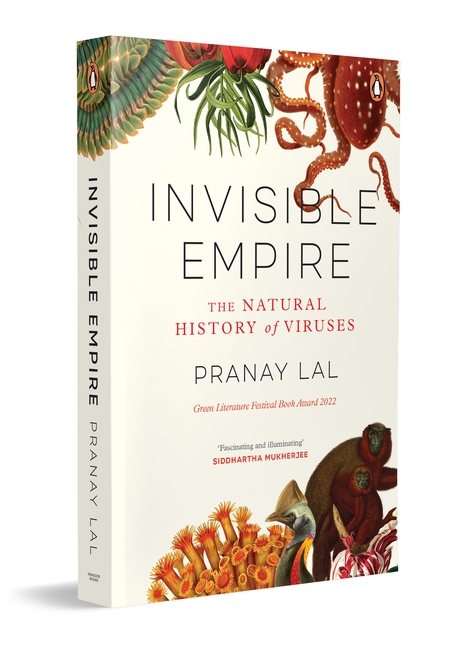
Viruses are the world’s most abundant life form, and now, when humanity is in the midst of a close encounter with their immense power, perhaps the most feared. But do we understand viruses? Possibly the most enigmatic of living things, they are sometimes not considered a life form at all. Everything about them is extreme, including the reactions they evoke. However, for every truism about viruses, the opposite is also often true. So complex and diverse is the world of viruses that it merits being labelled an empire unto itself. And whether we see them as alive or dead, as life-threatening or life-affirming, there is an ineluctable beauty, even a certain elegance, in the way viruses go about their lives-or so Pranay Lal tells us in Invisible Empire: The Natural History of Viruses.
This is a book that defies categorisation. It brings together science, history and great storytelling to paint a fascinating picture of viruses as a major actor, not just in human civilisation but also in the human body. With rare photographs, paintings, illustrations and anecdotes, it is a magnificent and an extremely relevant book for our times, when we are attempting to understand viruses and examining their role in the lives of humans.

In Nineteen Eighty Four, George Orwell’s Dystopian vision comes to life. Set in an imagined future, the people live under a totalitarian regime where ‘Big Brother’ is always watching. And while everyone seems to have accepted the new reality, Winston is struggling. Haunted by his memories, he remembers a world where the truth wasn’t doctored, and your thoughts were your own. As Winston seeks pleasure through small acts of rebellion, the ever-looming threat of the Thought Police grows stronger. But everything changes when Winston comes across ‘The Brotherhood’-a revolutionary secret organization that is conspiring to overthrow the government . . . A startling work of fiction, 1984willhaunt you long after you finish reading this book.
~
Animal Farm is Orwell’s searing political satire of the Russian Revolution. The oppressed animals of ‘Manor Farm’ overthrow their cruel master, Mr Jones, in a bid to establish a just and equal society. But as the days progress, the naïve animals find themselves in the throes of a treacherous conspiracy that threatens to destroy everything they’ve worked for.

SWOONWORTHY ROMANCE MEETS RIVETING SATIRE IN THIS TIMELESS CLASSIC
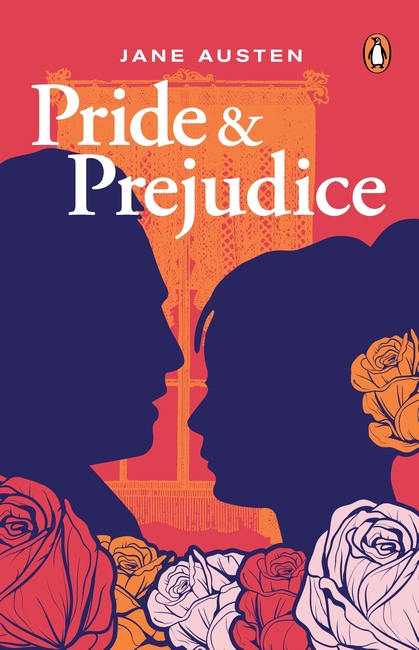
He is all pride, and she prejudiced. When Mr Darcy arrives at the quiet town of Hertfordshire, everyone is excited. So what if he’s a bit of a snob, or despises all things social? He, like his best friend Mr Bingley, is an ideal bachelor with a magnificent estate.
But there’s one person who absolutely detests him.
Vivacious and witty, Elizabeth Bennet would like nothing to do with the arrogant Mr Darcy-but fate has other plans. When Mr Bingley starts courting her sister Jane, Elizabeth is forced to cross paths with Darcy again and again. As the two of them spend time in each other’s company, Darcy can’t help falling for Elizabeth’s wit and charm, while she’s forced to reconsider her own feelings for him.
But the two of them are still worlds apart-he’s a rich aristocrat while she hails from an economically weaker family. Will they be able to set aside their differences? Or will the two of them risk losing a chance at true love and happiness? A charming comedy of manners, Pride and Prejudice is a stunning battle of the sexes that is equal parts entertaining and astute.

A HAUNTING TALE OF DARK LONGINGS AND TRAGIC LOVE
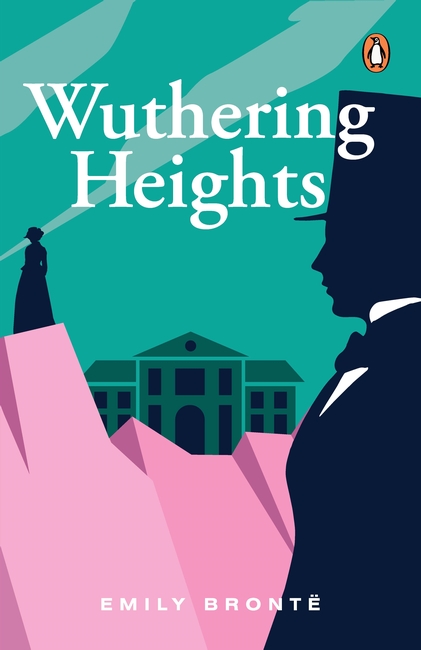
Bitter, brooding, and cynical-Heathcliff resides at ‘Wuthering Heights’, a run-down estate on the bleak Yorkshire moors. But he wasn’t always like this.
Youthful and wild, once upon a time, Heathcliff had been in love with the singularly charming Catherine Earnshaw. They’d grown up together-he, a lowly gypsy foundling adopted by Catherine’s father, and she, a proper lady, born in a family of repute. Their romance was doomed from the start.
And yet, they fell in love-an epic, all-consuming love that threatened to devour them whole.
But Heathcliff wasn’t alone in his affections, for Catherine had caught the eye of another man: Edgar Lipton, a rich and well-bred youth, who, everyone agreed, was a perfect match for her. Trapped by societal expectations, Catherine made a choice that triggered a tempestuous series of events, changing their lives forever.
Astonishingly poetic and heart-achingly tragic, Wuthering Heights is a gothic masterpiece that will immerse you in a world that is both beautiful and nightmarish.
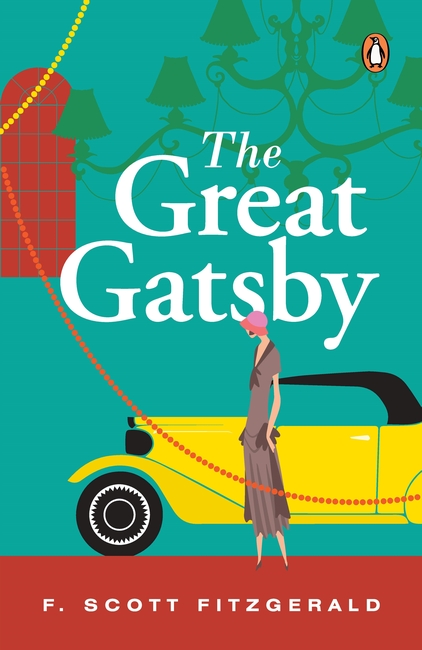
Welcome to the roaring twenties, where money, debauchery, and dancing go hand-in-hand. It is the summer of 1922,and the enigmatic millionaire, Jay Gatsby, is in love. He has everything he could ever want, except the one thing that always remains out of reach-the beautiful socialite Daisy Buchanan, a former lover, now married to someone else.
At his Long Island mansion, he throws lavish parties-drowning days and nights into drinks and dancing. But all the money in the world cannot fill the emptiness in his heart.
Alone, untouched by the glitz and glamour of the American rich, he stews in his secret longing. But everything changes when Gatsby befriends Nick Carraway, Daisy’s cousin and Gatsby’s new neighbour, who reunites the two lovers. Then begins a tale of obsession, madness, and tragedy that unravels Jay Gatsby’s life forever.

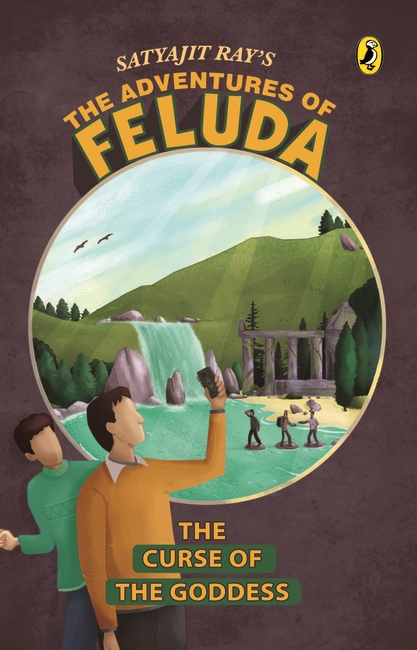
A deserted temple. The death of a patriarch. An escaped tiger… An incident near the desolate Chinnamasta temple on the rocky riverbank of Rajrappa leads to the death of Mahesh Chowdhury, the head of a Hazaribagh family. Adding to the mystery are a set of coded diaries, a valuable stamp collection that is missing, and a tiger that is roaming the streets of Hazaribagh. One of Feluda’s most intriguing adventures, this shows the master sleuth at his best.
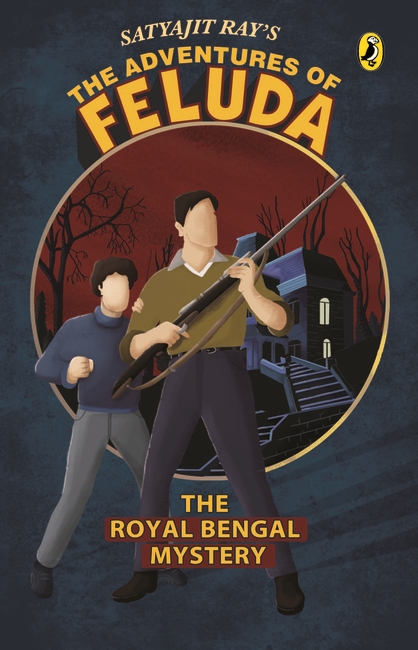
A maneater in the jungles of the Terai. An ancient riddle. The lure of hidden treasure … Visiting the famous hunter and wildlife writer Mahitosh Sinha-Roy in his Jalpaiguri palace, Feluda is presented with a riddle that holds the clue to ancestral treasure. But before he can begin unravelling the puzzle, Mr Sinha-Roy’s secretary is found dead in the forest, his body savaged by a big cat. Feluda’s investigations lead him deeper and deeper into a scandalous family secret, and bring him face to face with a bloodthirsty Royal Bengal tiger in a final confrontation.

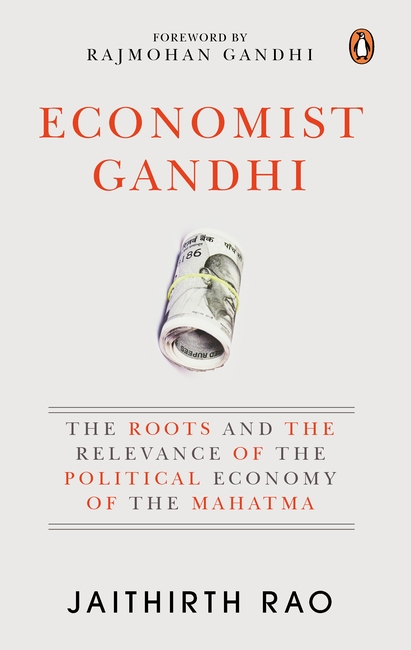
Examining Mahatma Gandhi through an unconventional lens, this book is an original and thought-provoking contribution to Gandhian literature. A refreshing take on the Mahatma’s economic philosophy, Economist Gandhi tells us why we need to look at him as an unlikely management guru and an original thinker who enriched the discourse around market capitalism. The book explains Gandhi’s positive approach towards business: even though he greatly reduced his individual wants, he was against poverty and wanted every Indian to enjoy a materially comfortable life.
Economist Gandhi is probably the first book on Gandhi that claims that he was not against business and capitalists. It not only provides insights into a hidden facet of Gandhi’s personality-his thoughts on economics and capitalism-but also enlightens the reader about some of Gandhi’s views on religion, ethics, human nature, education and society. The book unveils a Gandhi who is brilliant, daring and, most importantly, distinctive.

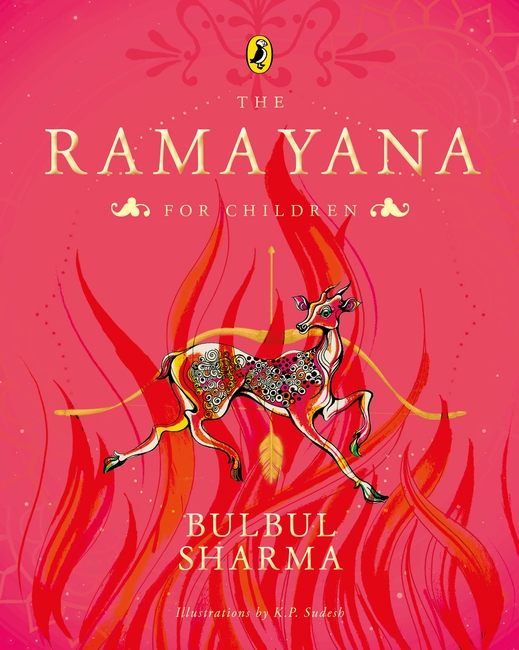
One of the best-known epics in the world, the Ramayana chronicles the tale of Rama, the prince of Ayodhya, who exiles himself to the forest for fourteen years to honour his father’s word. There, Rama, his wife Sita and his brother Lakshmana meet new friends and unusual foes, with each day bringing in new challenges and adventures. But one day, when Ravana of Lanka, the king of demons, abducts Sita, it leads to an inevitable war. With the help of Hanuman and his monkey army, Rama charges into the final battle where many heroes die and new ones are born.
In this fast-moving version for children, the ancient saga-with infinite stories woven in-takes on new life. With the perfect mix of drama and excitement, gods and princes, and love and war, this contemporary retelling makes for an ideal read for young readers.
Told with simplicity, freshness and great vitality by Bulbul Sharma, this book has remained a perennial classic for decades.
The popular mythological epic retold in a simple language and contains beautiful illustrations, this book is a great introduction to Hindu mythology for children of all ages.