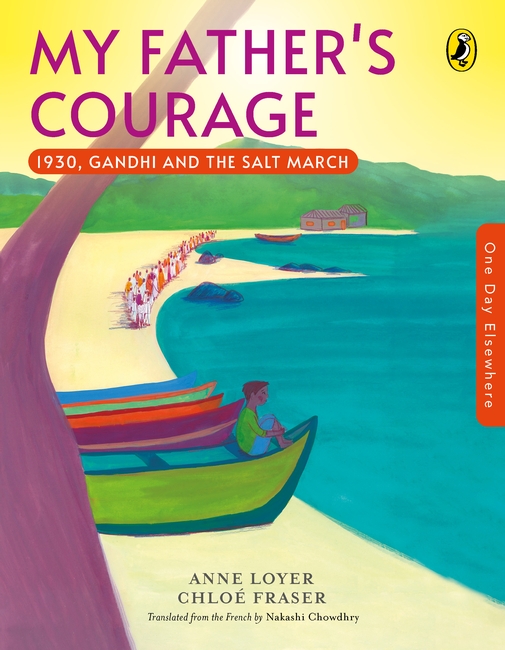
Aslam helplessly witnesses his father’s arrest: he disobeyed the British authorities by harvesting salt-a heavily taxed item. The boy is assailed with doubt. Why did his father break the law? Why doesn’t sea salt belong to everyone? When he learns that Gandhiji is going to be marching through his village of Jalalpore, Aslam feels hopeful. He is the only one who can oppose the authorities and, maybe, free his father.
Discover the stories about events that changed the 20th century in the One Day Elsewhere series.
On an ordinary afternoon in West Berlin, Charlie discovers a cello that once belonged to his grandmother. His parents had fled East Berlin with this cello many years ago, while Charlie,s grandparents still live on the other side of the wall. But the year is 1989 and revolt rumbles in the streets of Berlin to tear down the wall.
Discover the stories about events that changed the 20th century in the One Day Elsewhere series.

There are plenty of self-improvement books out there-books that claim they can change your life. Yet, what makes us better human beings are stories and real-life observations, which can help us get ahead in our careers and, in turn, enrich our lives.
From the bestselling author of The Habit of Winning and The Secret of Leadership comes a new book on life and success. In How Come No One Told Me That?, bestselling author Prakash Iyer shares the stories and observations that have made an immense impact on his life.
The book is divided into ten sections, exploring life lessons, ways of improving oneself, leadership and the importance of doing small things right, among other subjects. Through powerful anecdotes and charming essays, followed by practical, actionable advice, this book will help you make those minor adjustments to your professional and personal lives that can truly make you unstoppable.
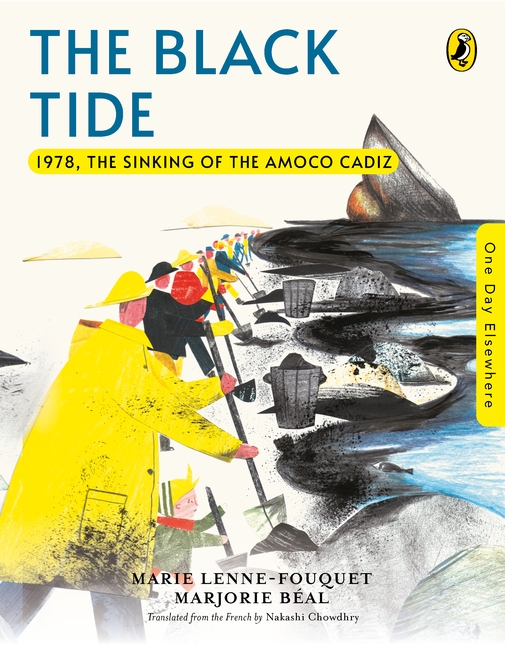
Yann, the son of a fisherman in Portsall, loves selling fish at the port with his father. He lays out the ice, puts the fish on it and plays shop. But one day, the sea is very rough. The storm and the wind bring a terrible smell and devastating news: there has been a shipwreck and an oil spill!

A charmingly illustrated and colourful book to inculcate interest in STEM subjects for young readers.
Join Vikram Sarabhai and his scientists as they try to launch a sounding rocket in Kerala, with a little help from young Mary!
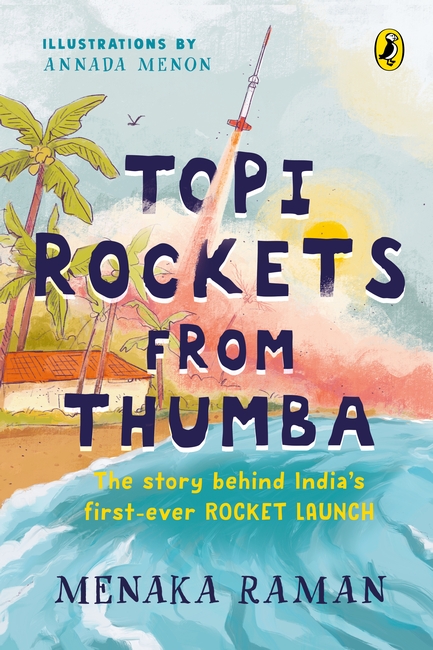
The year is 1963 and India is about to embark on an audacious adventure – launching its first ever rocket into space. After much searching, a team of scientists led by the visionary Dr Vikram Sarabhai zero in on Thumba, a tiny fishing village off the coast of Kerala as the place to launch the rocket and India’s dreams of space exploration.
Mary is all of 10 years old and bored of life in sleepy Thumba. Nothing ever happens here but fishing. That is, of course, until Dr Sarabhai and team arrive!
Topi Rockets from Thumba is an imagined account of the weeks and months leading up to the launch of India’s first ever rocket, told through the eyes of the inquisitive Mary.

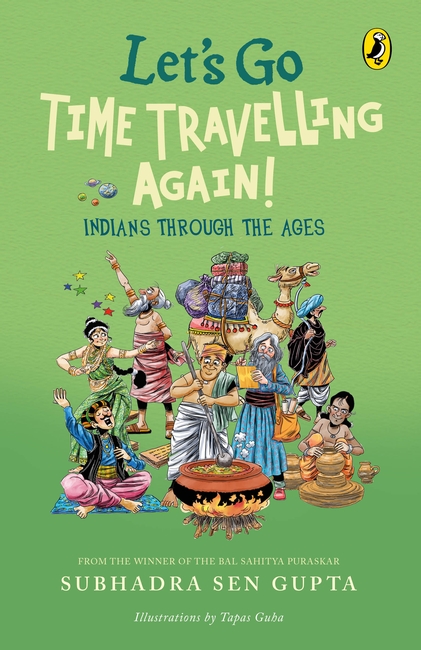
A much-awaited follow-up to the bestselling Let’s Go Time Travelling
How did Indian mulmuls make it into Cleopatra’s wardrobe? Who popularized the Mahabharata in households across the country? Did our ancestors really identify Jupiter and Saturn without even a telescope?
Find the answers to these and many other unusual questions about the India of yesterday. Go time travelling through the alleys of history and explore the many occupations that have existed through time-from dancers and playwrights to farmers and doctors. Sift through snapshots of the rich life led by ordinary Indians and discover unexpected titbits about language, food and culture.
Includes fascinating stories, information, and trivia about our ancient civilizations, kingdoms, and people. Apt supplementary reading for school students.
Told through portraits of children growing up in the villages, towns and courts of our country, this sequel to the award-winning Let’s Go Time Travelling is a vivid glimpse into our past.

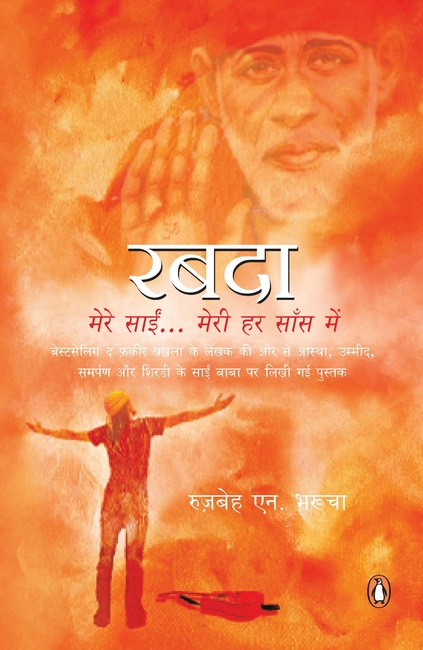
Rabda has attempted suicide and chances are that he is going to die. Sai Baba of Shirdi enters the hospital room and awakens the spirit body of Rabda. The two, Master and musician, begin to converse about life, death and everything in between.

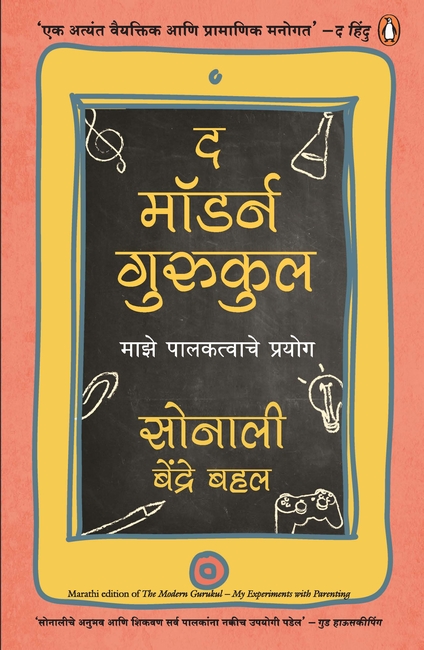
As the urban, nuclear family is becoming the norm, replacing the traditional joint family, what happens to the children who grow up with a single support system? In The Modern Gurukul, Sonali Bendre Behl shares her three principles of parenting that will help you find a balance between tradition and modernity, and show you how to raise your child in the digital age. Personal, anecdotal and honest, it highlights the need for a return to our roots to raise a healthy, curious and, most importantly, compassionate child.

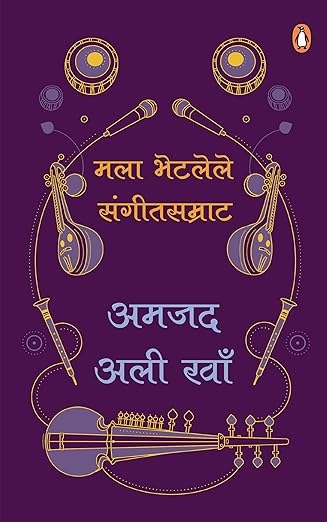
This book (now my favourite), is written so beautifully that when you read it, it feels as if the master himself has called you for a cup of tea at his residence and asks you; Kahaani sunenge ? And then the silsila of “purane kisse” aur “kahaniya” begins. Ustad Amjad Ali Khan’s book is one of those few book which do not try hard to stand out with their writing capabilities and tough vocabulary. Instead it is an effortlessly wonderful casual memoir. Awesome if you want a light read or if you want to explore the nooks and corners of Ustads’ memory lane. –By sagar kapoor on 5 April 2017.
Book contains interactions with other musicians. Music lovers and students can appreciate the content more. Good read even for people with non musical background. –By archanaa on 7 April 2017