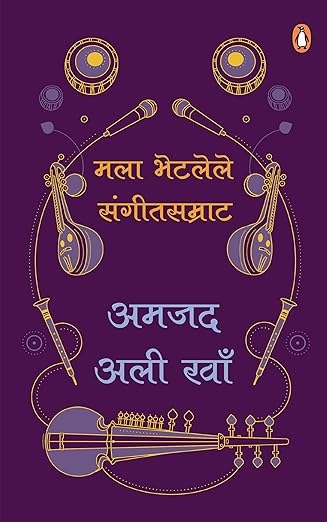
This book (now my favourite), is written so beautifully that when you read it, it feels as if the master himself has called you for a cup of tea at his residence and asks you; Kahaani sunenge ? And then the silsila of “purane kisse” aur “kahaniya” begins. Ustad Amjad Ali Khan’s book is one of those few book which do not try hard to stand out with their writing capabilities and tough vocabulary. Instead it is an effortlessly wonderful casual memoir. Awesome if you want a light read or if you want to explore the nooks and corners of Ustads’ memory lane. –By sagar kapoor on 5 April 2017.
Book contains interactions with other musicians. Music lovers and students can appreciate the content more. Good read even for people with non musical background. –By archanaa on 7 April 2017

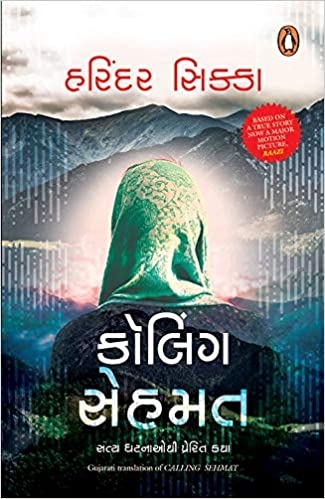
When a young college-going Kashmiri girl, Sehmat, gets to know her dying father’s last wish, she can do little but surrender to his passion and patriotism and follow the path he has so painstakingly laid out. It is the beginning of her transformation from an ordinary girl into a deadly spy. She’s then married off to the son of a well-connected Pakistani general, and her mission is to regularly pass information to the Indian intelligence. Something she does with extreme courage and bravado, till she stumbles on information that could destroy the naval might of her beloved country. Inspired from real events, Calling Sehmat . . . is an espionage thriller that brings to life the story of this unsung heroine of war.

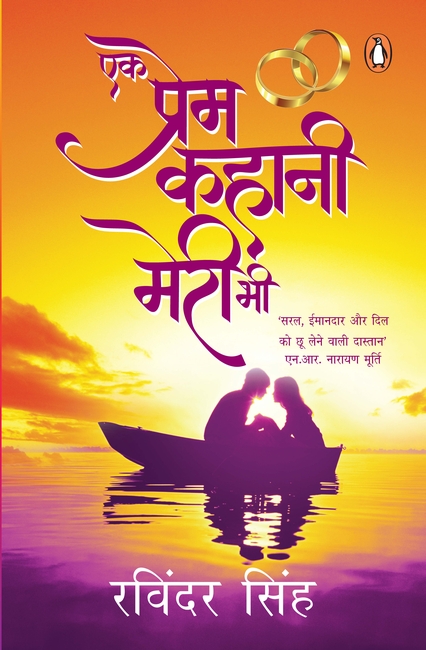
Do love stories ever die?. . . How would you react when a beautiful person comes into your life, and then goes away from you . . . forever? Not all love stories are meant to have a perfect ending. I Too Had a Love Story is one such saga. It is the tender and heartfelt tale of Ravin and Khushi-two people who found each other on a matrimonial site and fell in love . . . until life put their love to the ultimate test. Romantic, emotional and sincere, this heartbreaking true life story has already touched a million hearts. This bestselling novel is a must-read for anyone who believes in the magic of love . . . Note: This book is in the Hindi language and has been made available for the Kindle, Kindle Fire HD, Kindle Paperwhite, iPhone and iPad, and for iOS, Windows Phone and Android devices.

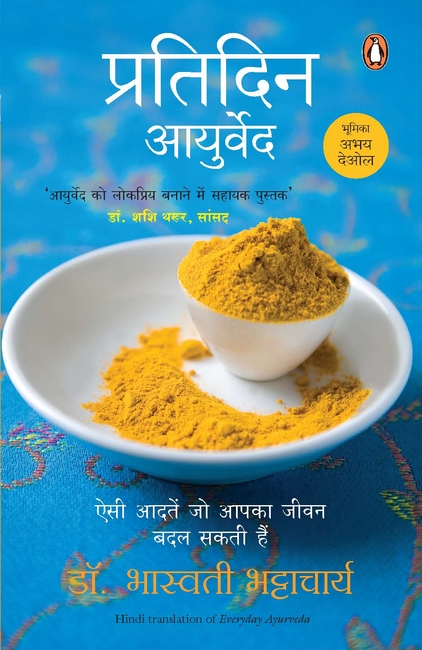
Do you sometimes feel tired, lethargic and spiritless? How can Ayurveda help in a simple, practisable manner? Time is scarce and precious in today’s world, and we seek solutions that are quick. While allopathic medicine tends to focus on the management of disease, the ancient study of dinacharya provides us with holistic knowledge of preventing disease and eliminating its root cause. aking us through a day in the life of Ayurveda living, Dr Bhaswati Bhattacharya illustrates the core principles of Ayurveda and shows us how to incorporate these in our routine. She explains the logic behind the changes she recommends and how they benefit us. Informative and accessible, Everyday Ayurveda is the perfect lifestyle guide designed to maximize health, longevity and happiness the natural way.
Are the illustrious clans of the Mahabharata from Surya Vansh or Chandra Vansh?
Which yuga does the Ramayana occur in, and does it occur only once?
What do haldi, kumkum, bhasm or chandan signify in a puja thali?
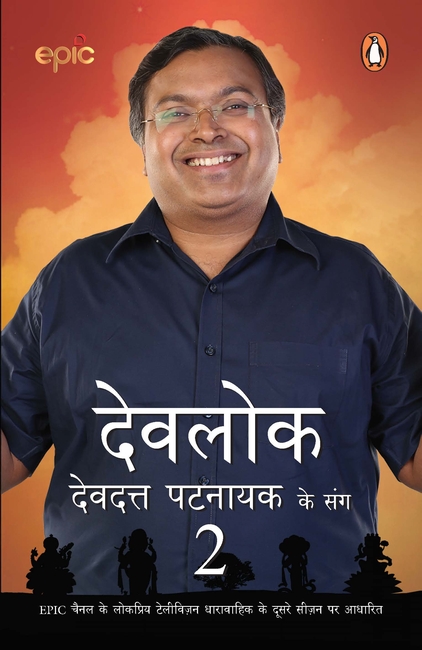
After the sensational response to Season 1 of EPIC Channel’s Devlok with Devdutt Pattanaik, Devdutt invited his viewers and readers to ask him questions about Hindu mythology, which he has answered over thirty thrilling episodes. Prepare to be educated, entertained and moved as Devdutt delves into the exhilarating variety of Hindu mythology.
In this volume, you will discover the difference between dhyan and darshan, aastik and nastik, Surya Vansh and Chandra Vansh. There are amusing stories about your favourite Hanuman and fascinating facts about the dark Vishnu avatars, Varaha and Narasimha. Learn why Lakshmi or Saraswati are always in conflict, and how women have the most intriguing characters in mythological tales.
Journey deeper into the magical world of Hindu mythology with Devdutt, and you’ll never want to turn back.

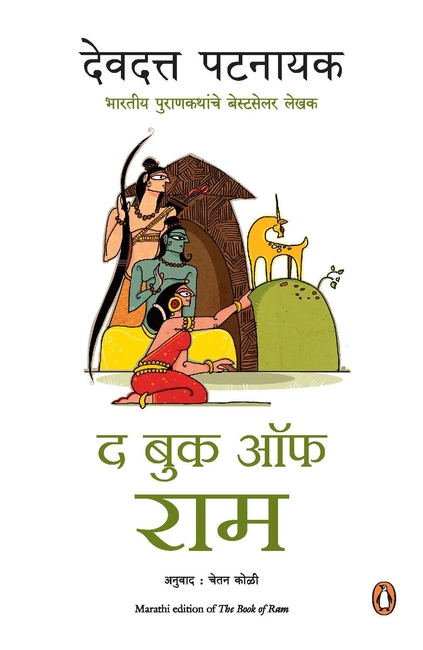
He is Eka-vachani, a king who always keeps his word; Eka-bani, an archer who strikes his target with the first arrow; and Eka-patni, a husband who is eternally and absolutely devoted to a single wife. He is maryada purushottam Ram, the supreme upholder of social values, the scion of the Raghu clan, jewel of the solar dynasty, the seventh avatar of Vishnu, God who establishes order in worldly life. Hindus believe that in stressful and tumultuous times chanting Ram’s name and hearing his tale, the Ramayan, brings stability, hope, peace and prosperity. Reviled by feminists, appropriated by politicians, Ram remains serene in his majesty, the only Hindu deity to be worshipped as a king.

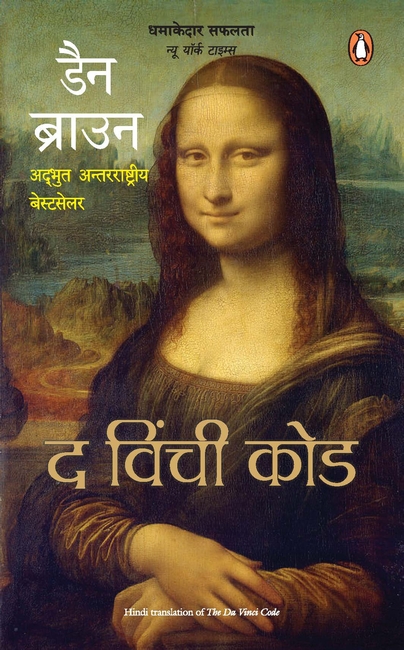
The curator of the Louvre has been murdered in cold blood. Alongside the body is a series of baffling ciphers, and it is left up to Robert Langdon, Harvard Professor of Symbology to crack these codes. Langdon and a gifted French cryptologist, Sophie Neveu, are stunned to find a trail that leads to the works of Da Vinci and even further. Unless Langdon and Neveu can decipher the labyrinthine code and quickly assemble the pieces of the puzzle, this invaluable historical truth will be lost forever…