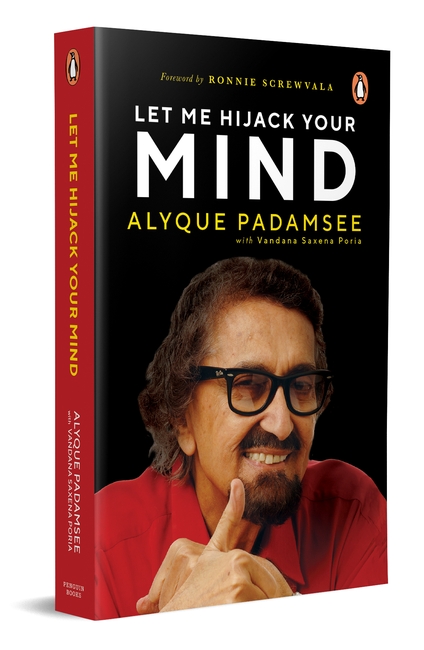
In this one-of-its-kind book by the late Alyque Padamsee, he invites us to re-examine and think afresh about some of our most deeply held beliefs, from love, marriage, terrorism, leadership, money, gender, faith to education. Let Me Hijack Your Mind is Alyque’s parting gift to Indians, exhorting them to throw out the old and embrace new ways of approaching everything, which will lead them towards a more exciting and contented life-and a better society and country. It is a way to open windows in their mind to think about life aside from greed, power and money. This is a book designed to throw everyone off-balance in a good way, because it is crammed with fresh ideas on how to live, how to dream and how to completely reset our mindset and attitudes. As Alyque says in his inimitable style: ‘Get people out of stuffy thinking.’
Some of the provocative questions he asks are:
– Why should marriage be ’till death do us part’?
– Why are terrorists breaking the law of their very own holy books?
– Why are multinational companies obsessed with GNP (Gross National Product) instead of GNH (Gross National Happiness)?
– Why do men fear women? And why do women hate themselves?
A fun, racy and often shocking read, the book busts some of the most well-known taboos, includes life hacks drawing on his experiences in advertising and theatre, as well as new ‘commandments’ for the present generation.

‘A work of power, intimacy and magic’ Anees Salim, author
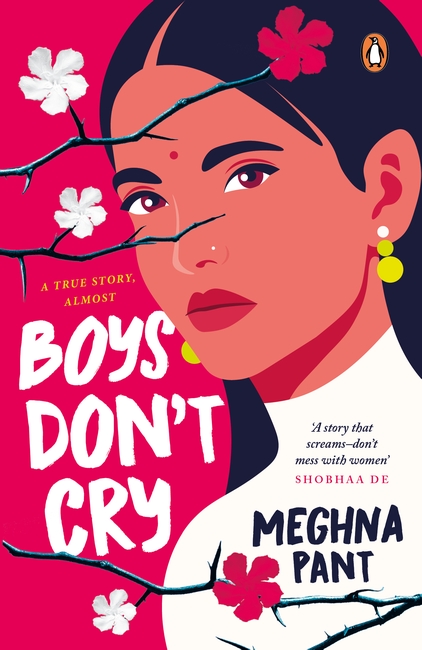
When Maneka Pataudi is arrested as the prime suspect for the murder of her ex-husband, she reveals a chilling tale of marital abuse and neglect.
But is her confession the truth or a lie? Is she telling the story as a victim or a perpetrator? And, is it better for women to kill for love or be killed for it?
Based on a true story (mostly), Boys Don’t Cry is a gripping, compelling and courageous novel that takes you behind the closed doors of a modern Indian marriage.

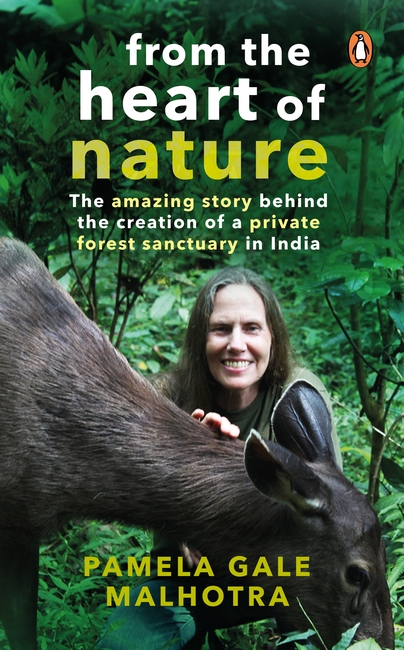
Called ‘Noah’s Ark’ by an Oxford University scientist, SAI Sanctuary is an example of how Nature exists in a delicate balance. You cannot destroy Nature, and you cannot rearrange it without serious consequences to your existence.
Coming from two rich wisdom cultures, one Native American and one Indian, Pamela and Anil Malhotra made it their mission to salvage what they could in Kodagu, Karnataka, where years of illegal logging and poaching had ravaged the land and decimated the wildlife. Today, with the forests and the ecosystem restored, and the wildlife protected, this sanctuary is a treasure trove of a rich variety of indigenous trees and plants, and a refuge for numerous rare and threatened species of animals, some found nowhere else on the planet.
In this deeply fascinating and inspiring personal narrative, Pamela recounts how she connected and communicated with animals and trees at both physical and spiritual levels, and how the only way to save humanity is through understanding and preserving Nature.

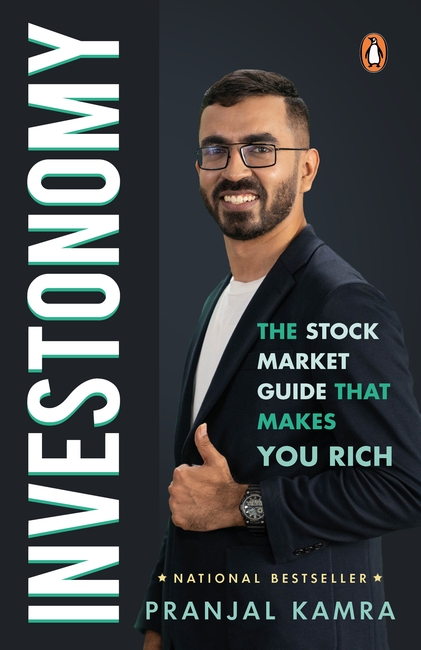
Are you inspired by billionaires around the world but think becoming a billionaire is too far out of your reach?
Are you confused about the behaviour of the stock market and the implications of investing in it?
Are you actually scared of investing in the stock market? If yes, then Investonomy is a must-read for you!
Investonomy not only explains modern value investing principles but also unveils certain secrets of the stock market. It busts popular myths and misconceptions as well. A thorough reading of this book will enable you to chart your own investment plans, and soon, you’ll be all set for your personal wealth-creation journey through equity investment. Investonomy is an initiative to empower existing, as well as potential, investors like you.

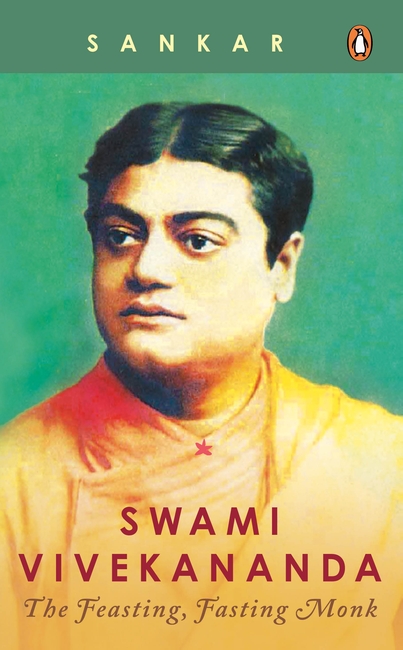
What did Swami Vivekananda recommend about the eating of vegetarian and non-vegetarian food?
Which of these did Swamiji enjoy the most: his mother’s chorchori (a mixed vegetable delicacy), his father’s pulao or his own khichuri?
Was he fond of spicy food, sweets, or ice cream?
During his days of hunger and want, for how many days at a stretch did Swamiji have to go without food?
Over the last 150 years, writings on Swami Vivekananda’s culinary interests have intrigued a wide spectrum of people across the world. This includes hitherto unknown stories of his spreading the art of making pulao and khichuri along with his propagation of the Vedas, in the United States of America.
While many thinkers wonder at Swamiji’s immense enthusiasm for teaching Indian cooking, yet it is not quite clear why no complete book about our culinary-enthusiast monk Vivekananda has ever been published in any language.
Swami Vivekananda: The Feasting, Fasting Monk is the humble, illumination of a thousand faceted diamond by Sankar.

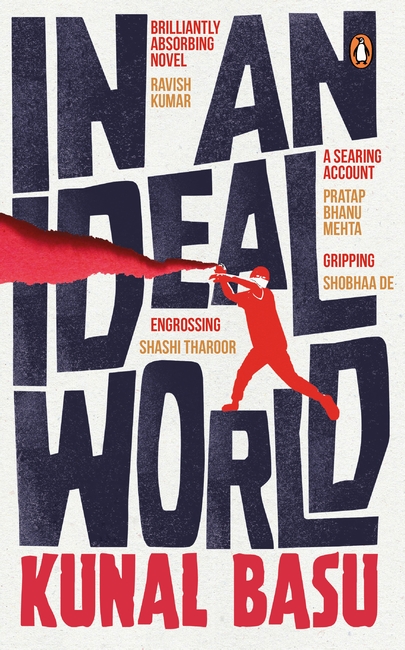
Altaf Hussein, a young Muslim student, has been abducted from his college hostel. The authorities have washed their hands off the matter and the police are accused of a cover up. Rumours claim he has gone to fight the jihad in Iraq. More sinister rumours have him tortured and murdered for opposing the Nationalist students who are on a rampage to create a Hindu homeland in India, driving out Liberal supporters like Altaf and their decadent ideals.
The divide between Liberals and Nationalists invades the Sengupta household in Kolkata when Joy, a bank manager, and Rohini, his schoolteacher wife-both compassionate humanists-learn the shocking news that their only son Bobby has become a leader of the Nationalist students and is implicated in Altaf’s disappearance. Disbelief turns to anguish when they encounter his belligerent ideology and his not-too-convincing denial of his role in the Altaf affair.
Out to solve the mystery of Altaf, Joy and Rohini discover conspiracy and hate, forbidden love and exceptional courage, come face to face with a world caught between the real and the ideal. But will they succeed in absolving their son of the heinous crime? Will Altaf be found after all? Or will they, and this fractured nation, pay the ultimate price for harbouring a fractured heart?

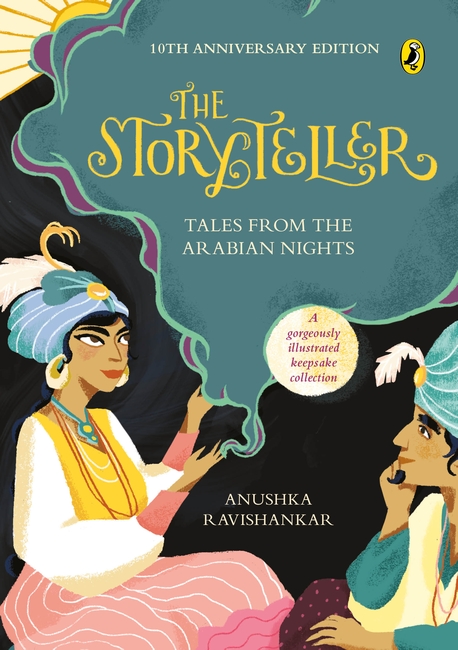
** 10TH ANNIVERSARY EDITION **
What if your life depended on being able to tell a good story?
Schariar, King of Persia, would marry a woman every night only to chop off her head every morning. He had sentenced the clever Scherazade to the same fate. Determined to save herself and other women from this gruesome decree, Queen Scherazade begins telling him stories one night-of magic lamps and genies, of fishermen and caliphs, of treasure caves and strange potions.
Tales so wonderful that the one night turns into 1001 . . . But what will happen when Scherazade runs out of yarns to spin?
Illustrated afresh, this tenth-anniversary edition offers tales from the Arabian Nights as told by the magical storyteller Scherazade. Narrated in an engaging, tongue-in-cheek style complete with vivid imagery, The Storyteller will keep you spellbound for days!

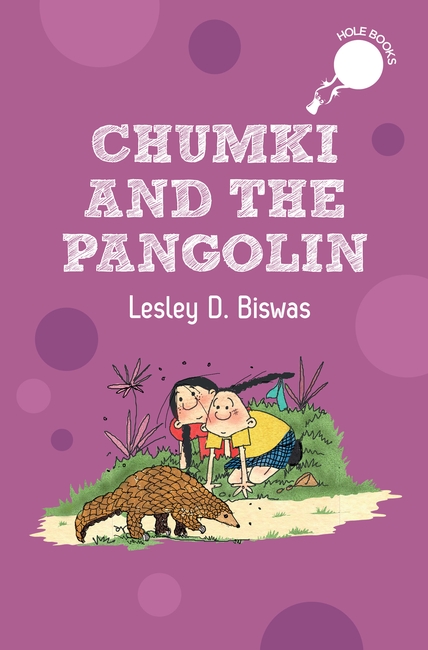
The dangerous virus is making everything go into lockdown. But the village poacher trying to catch the pangolin Chumki has befriended. How will Chumki save the rare animal in these tough times?
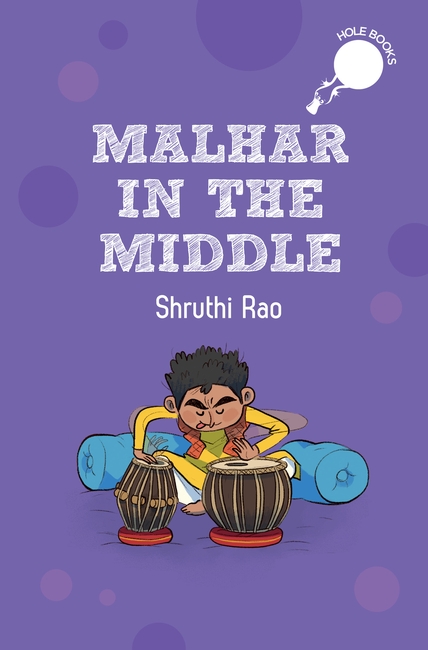
Malhar wants to be a famous tabla player. But why do tabla players always sit to one side of the stage? Are they not important enough? Malhar wants answers–and he wants to sit in the middle!

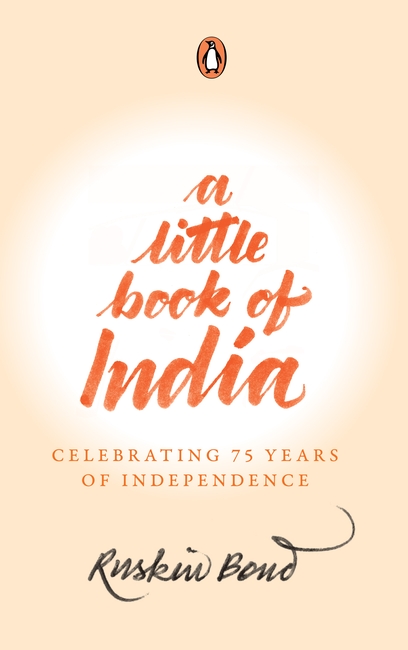
As India completes 75 years of independence, we bring to you a slice of our beloved country in the words of our favourite author, Ruskin Bond. Drawing on his own memories and impressions of this unique land, he pays homage to the country that has been his home for 84 years. Bond talks fondly about the diverse elements that make up this beautiful land-its rivers and forests, literature and culture, sights, sounds and colours. A Little Book of India is an amalgamation of the physical and spiritual attributes of our homeland, and takes you on a journey filled with nostalgia and devotion.