



Vikas Gupta’s business was swindle (thagi) whom he always performed with all success so beautifully. What is his connection with murder? But that connection somehow emerged and silently gripped him when he became a witness of a murder.
Archives: Books
Khaali Makan
By giving the title of Glamor Boy to Sunil, citing bias in his unlikely success, Inspector Prabhudayal demanded an independent investigation of the case. As a result, he had an intriguing, spider-webs-like complex story of double-murder which was the challenge of his creator for him.
Biwi Ka Hatyara
Police Inspector Ravi Sharma took a lesson from his training, not to trust; and his lesson overshadowed by him. And in the process to fathom a serious crime like murder, he entangled in a trap and reached the plank of the hanging!
To know why and how, do read, Biwi ka Hatyara.
Ek Karod Ka Joota
Moti Avatarmani was told by his father, Gopal Yashwantrai Avatarmani, about a pair of precious white shoes in his childhood in which he hid diamonds. On the night of Diwali, on the very day his father left him forever, he was wearing that white shoes. Someone said that because he had embezzled, he was hiding somewhere, and someone said he had died long ago.
-Where did Gopal Yashwant Avtarmani disappeared?
– Was he alive or dead?
Only Surendra Mohan Pathak’s novel, Ek Karod Ka Joota, can answer such mysterious questions.
Ek Hi Rasta
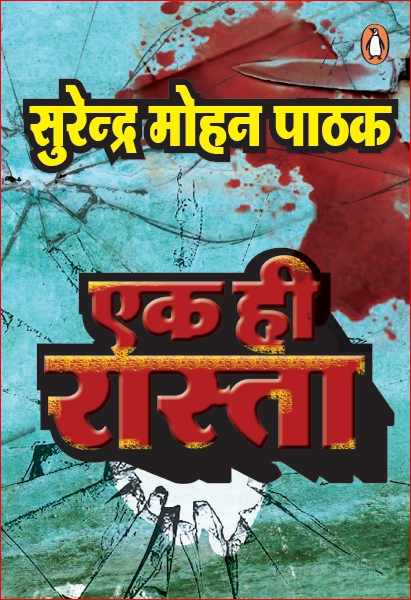
The brother of Sahil Sarin was in jail. He was a drug smuggler, a debtor to a drug mafia, and his death in prison at the hands of drug mafia executioners was certain under the condition of not repaying the debts. The only way to save his brother’s life was in front of Sahil Sarin that he would take his brother’s wrong occupation.
He chose his wrong path to save his brother, but there was something else in his mind, but what else did he want? The tussle between police, Sahil and drug mafias takes the story of this novel to a new turning point, but at what point? Ek Hi Rasta is a very interesting, brilliant thriller, which has a specialty of gripping to read and finish it in one sitting.
Main Apradhi Janm Ka
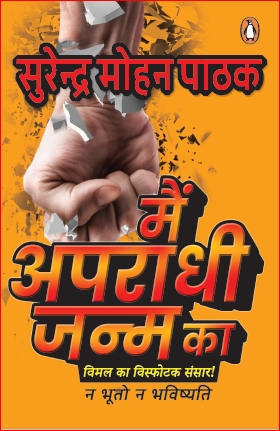
He’s not a man if gets scared of the bloody view in front of him
It is necessary to live in that condition, which is difficult to live in.
‘Time helps forget the greatest sorrows.
If it is not so, it will become hell to live,
And every person a living dead,
So, don’t forget that you are Sohal,
That Sohal,
Whose name is enough to frighten the enemies,
when you are in front of them,
they hold their breaths,
Because they do not know,
whether they will survive the next moment or not.’
Susegad
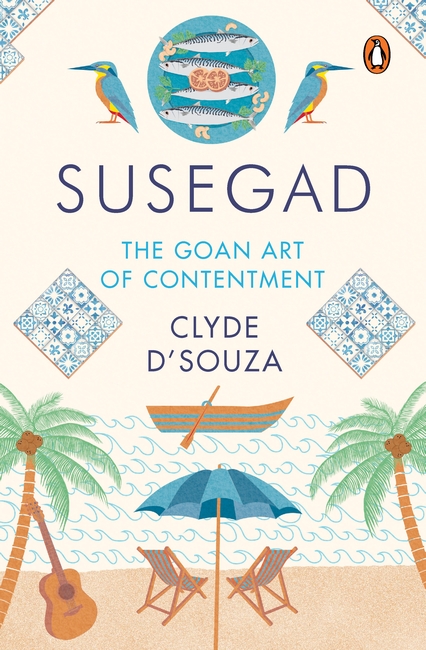
‘Susegad’ is a Konkani word that has no exact translation in English. Goans use it to convey the sense of contentment, fulfilment and relaxation that everyone associates with Goa and its culture. Clyde D’Souza, bestselling author and proud Goan, shows us the wonderful, unique elements that help Goans achieve susegad, and what you can do to add a pinch of this magic to your life, no matter where you live.
As Clyde takes us on a journey through Goa’s beautiful beaches, lush greenery, exquisite cuisine, mix of Portuguese and Konkani culture, its history, festivals, music and architecture, you’ll learn what makes Goans tick and how they’ve created habits and routines that lend happiness and calm to their lives. Interviews with noted Goans, short stories, recipes and pictures in this book bring out what it means to be Goan, and help you find your own susegad.
Sinbad and the Trumpet of Israfil
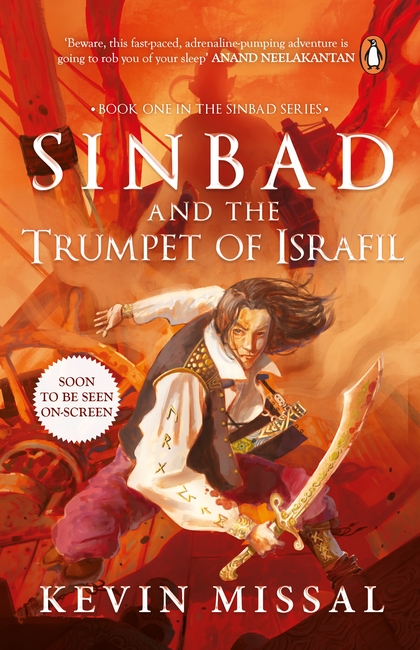
‘Kevin Missal has given the age-old Sinbad tale a delightful spin. Beware, this fast-paced, adrenaline-pumping adventure is going to rob you of your sleep’-Anand Neelakantan, author of the bestselling Baahubali series and Asura: Tale of the Vanquished
# A fantastic reimagination of the Classic tale of Sinbad the Sailor from the Arabian Nights
# A must-have for all Young Adult, Fantasy, Fiction, Adventure, and Romance readers
# For the fans of Rick Riordan, Cassandra Clare, Eoin Colfer, Sarah J. Mass, George R. R. Martin, and Neil Gaiman
# Perfect for those who like stories involving prophecies, gods, demi-gods, Armageddon, friendship, and love
# Written by the bestselling mythology fiction writer Kevin Missal
Blurb:
Before I came to be known as the greatest sailor in the world, I was a young monster hunter who fell in love.
As all legendary love stories go, things were . . . well, not smooth sailing. And of course, there was the problem of the Armageddon.
So I set sail across the seven seas to hoodwink a Greek god, crash a vampire wedding, mollycoddle a giant and face the Angel of Death.
And as the hourglass turned, I had:
Seven days to save the world.
Seven days to kill the only girl I have ever loved.
Bestselling author Kevin Missal pens this thrilling reimagination of Sinbad–the fabled sailor from the classic One Thousand and One Nights–who encounters fearsome mythological monsters!
Coaching
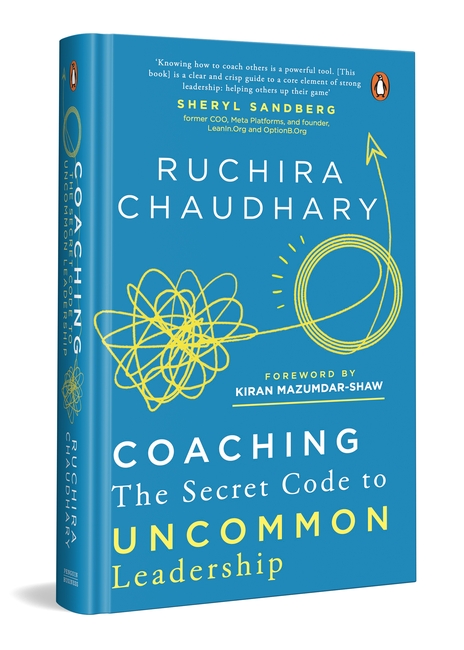
This book lucidly illustrates how a leader can bring out the very best in people by coaching them, and how coaching can unleash creativity as well as innovation while inspiring teams to play to their potential. It also examines how coaching helps leaders maintain a fine balance between managing and guiding, and between appraising and supporting their teammates. While many excellent books have been written about leadership, talent and coaching, this is a rare book that stands boldly at the intersection of leadership and coaching.
This is a book for our times. Businesses are facing a new reality, characterized by a VUCA (volatile, uncertain, complex and ambiguous) world. This new reality has forced organizations to depart from conventional command-and-control practices to a completely new model – a model in which leaders support and guide, rather than instruct and control, their team members.
Exploring some of the key ingredients of impactful leadership, Coaching offers tips and tricks, backed by research and incisive insights, on how to become an effective leader-coach. Peppered with interesting anecdotes and analogies, drawn from sports, performing arts and other walks of life, the book is a breezy read. Interviews with corporate leaders and academics further enrich the narrative. Guaranteed to make for a very interesting read, the book will be useful to leaders, aspiring leaders and especially those that wish to transition from being just good leaders to extraordinary ones.
Tamanna Ab Tum Kahan Ho
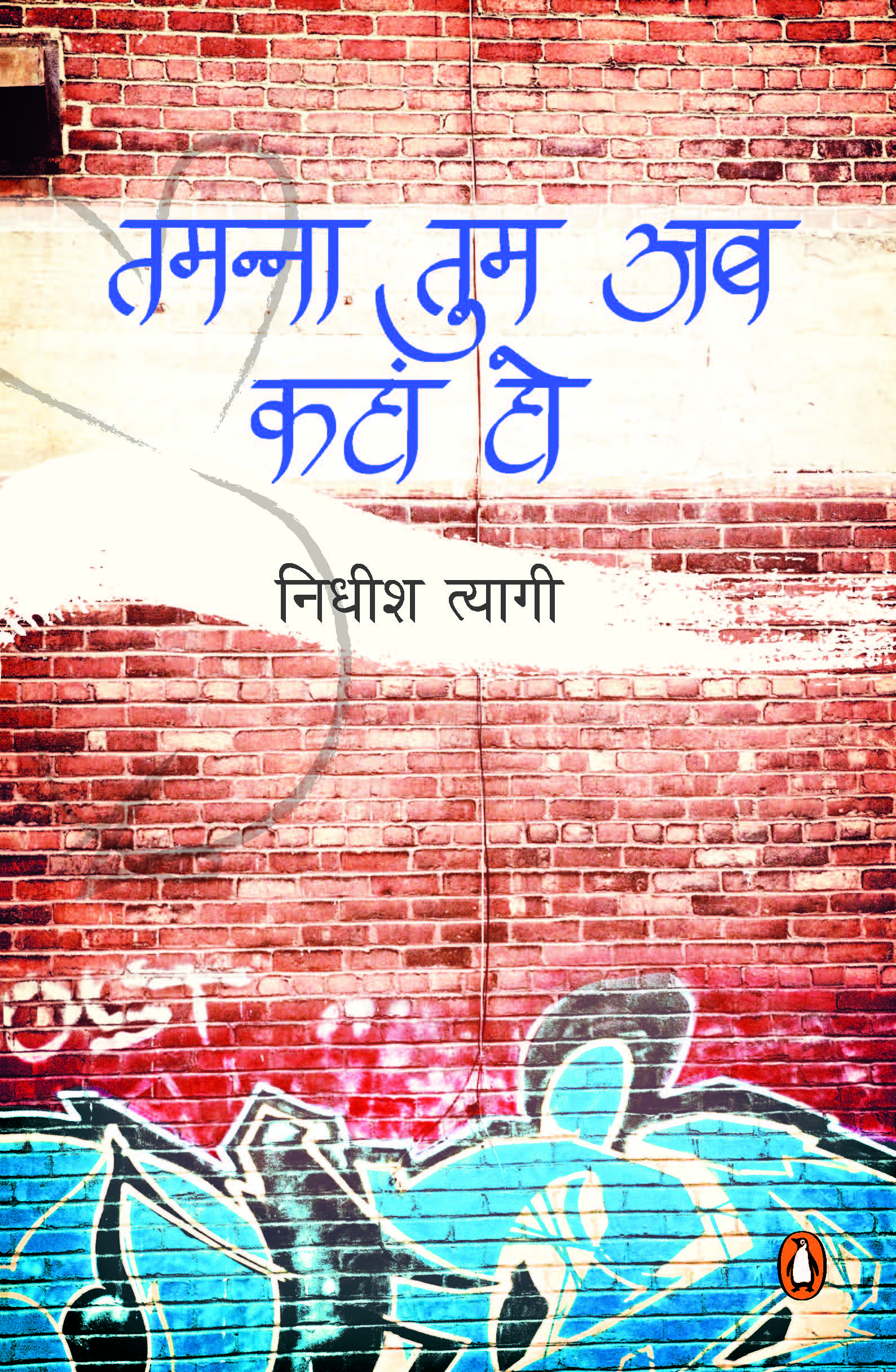
The feeling of not belonging is very strong in these stories and almost as strong and sharp is the vision which not just inhabits the characters but also peeps into the psyche of its readers. But also alongside is a reassurance, a feeling of oneness. At the centre of these stories is this duel between oneness and separation. Nidheesh’s stories portray the complexities of life in modern urban areas and also the sense of alienation. The stories portray the shallowness of life not just in its telling but also in its structure- some are just oneliners.