Three boys, two girls and one dog-no, you haven’t heard this before!
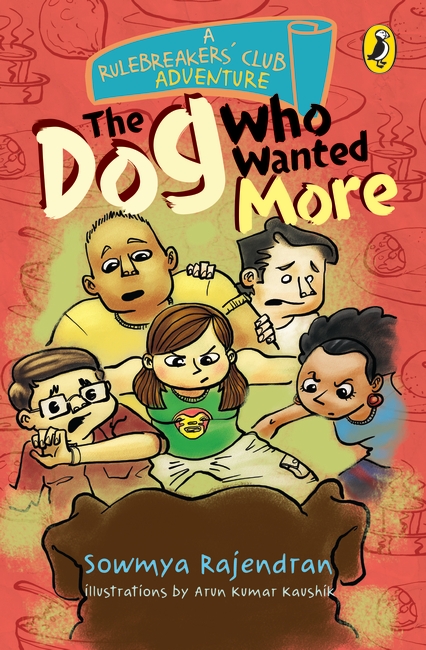
The Rulebreakers’ Club is a gang of five without a dog. And, of course, gangs without dogs are just not cool. They decide to remedy this situation by kidnapping a pug named Spike. But dognapping is tricky business and dog-owning is definitely not as easy as it sounds. Can the Rulebreakers survive this trouble-making dog and save the world while they’re at it? Or will they land up in a doggone mess?

In The Archer we meet Tetsuya, a man once famous for his prodigious gift with a bow and arrow but who has since retired from public life, and the boy who comes searching for him. The boy has many questions, and in answering them Tetsuya illustrates the way of the bow and the tenets of a meaningful life. Paulo Coelho’s story suggests that living without a connection between action and soul cannot fulfil, that a life constricted by a fear of rejection or failure is not a life worth living. Instead, one must take risks, build courage and embrace the unexpected journey fate has to offer.
With the wisdom, generosity, simplicity and grace that have made him an international bestseller, Paulo Coelho provides the framework for a rewarding life: hard work, passion, purpose, thoughtfulness, the willingness to fail and the urge to make a difference.

When will India win the fight against the COVID-19 pandemic?
How long do we have to use masks?
When can we expect a safe and effective vaccine? Do we need to wear masks even after we get a vaccine?
What if there is no definitive treatment against COVID-19?
How can we protect our family form this disease?
How should we respond to this ‘new normal’ as an individual and as a community?
What is the way forward?
Offering insights on how India continues to fight the pandemic, Till We Win is a must-read for everyone. It is a book for the people, for political leaders, policymakers and physicians, with the promise and potential to transform public health in India.
In What the Customer Wants You to Know, Ram Charan explains how the crisis of a broken selling system can be tackled. According to the author, today selling has become a war of prices. Conducting a business transaction is no longer fun since most customers feel cheated by their respective vendors. Charan says that the easiest way to avoid the hassle is to understand the customer’s point of view. Instead of feeling cheated, the consumer should look to the seller for assistance in today’s cost-effective times. The author brings in a new aspect of selling, which he calls value creation selling.
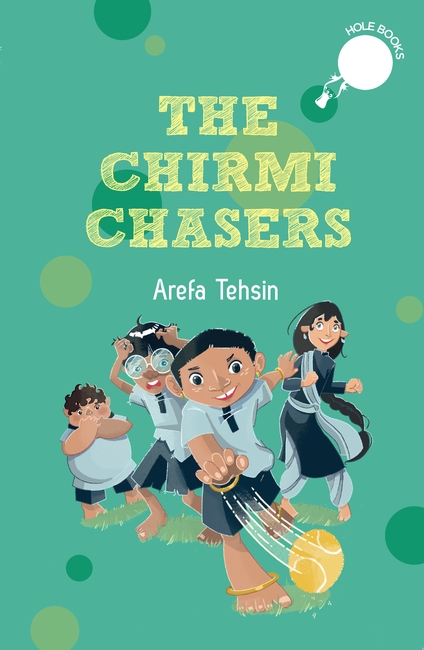
A sitola match between two rival schools is more than a game for Nanka-if they lose, he and his father have to leave town! Can Nanka and his unlikely teammates do it?

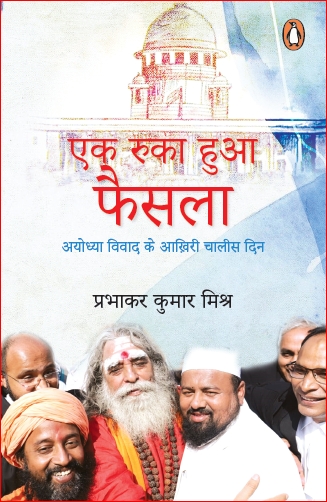
No any cases run so long and important in the history of modern India, which has a serious impact on the politics, society and its overall thinking of the country. The supreme court of India gave its verdict on the Ram Janmbhoomi-Babri Masjid dispute going on for centuries, on 9th November 2019, after a continuous hearing for forty days.
This book is an eye witness account of the same forty days of hearing in the Supreme Court. The book presents the background of the judges, the lawyers and the parties concerned, the ups and downs in the litigation and our secular justice system without any bias.

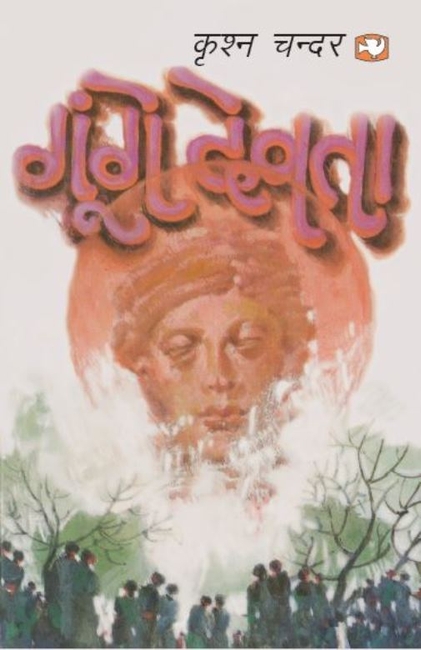
The story of Krishan Chander’s poignant portrayal of sharpened satire, untouchable kissing and dour situations in the story art makes him stand on a different crest. With regard to the relations of women and men, he thoroughly investigators the inner angles. Which are also made in the stories of this collections.

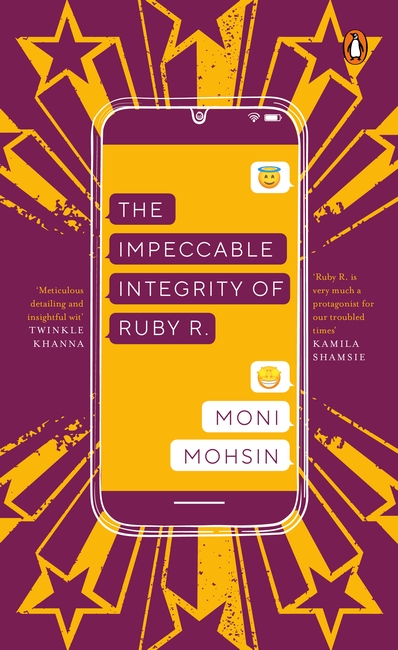
Ruby Rauf is an idealistic, industrious scholarship student with a fixed plan. She is going to ace her exams and get a decent job so she never has to suffer the daily degradation of poverty again. Yet, when she meets the compelling actor-turned-politician Saif Haq, her world is upended. Dazzled by his charisma, inspired by his zeal, she quits her degree midway to join his campaign as his social media manager.
Ruby soon discovers that politics, even with a leader as upright as Saif Haq, is a moral minefield. Diligent, sincere but desperately naïve, Ruby longs to do the right thing but struggles at first to square her innate integrity with the difficult choices her job demands. As she wades deeper into the quagmire of political intrigue and the savage world of social media, her values grow more flexible, her methods more ruthless. She out-thinks allies and rivals to deliver brilliant results. Resented and admired by her colleagues, favoured by Saif, Ruby appears unstoppable-until one day when Saif asks her to prove her loyalty by making the most painful sacrifice of all.
With quicksilver dialogue, shrewd political insight and a thoughtful take on the MeToo debate, this sparkling novel reveals Moni Mohsin on top satirical form.

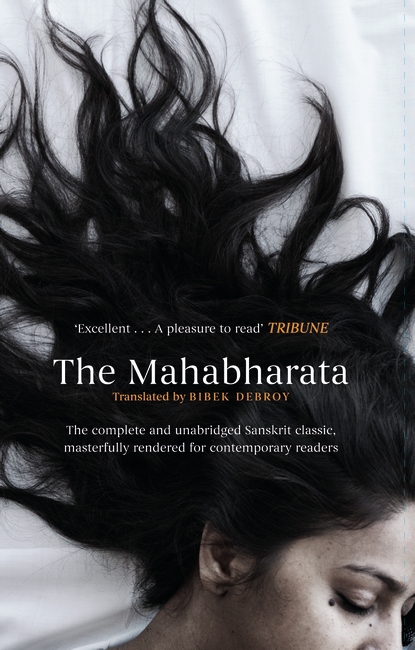
The greatest Indian story ever told of a war between two factions of a family, The Mahabharata has continued to sway the imagination of its readers over the past centuries.
While the dispute over land and kingdom between the warring cousins-the Pandavas and the Kauravas-forms the chief narrative, the primary concern of The Mahabharata is about the conflict of dharma. These conflicts are immense and various, singular and commonplace. Throughout the epic, characters face them with no clear indications of what is right and what is wrong; there are no absolute answers. Thus every possible human emotion features in The Mahabharata, the reason the epic continues to hold sway over our imagination.
The complete and unabridged Sanskrit classic, now masterfully and accessibly rendered for contemporary readers by Bibek Debroy.

This book is the biography of the country’s leading Dalit leader and currently Union Minister of Consumer Affairs, Food and Public Distribution, Ramvilas Paswan who have been active in politics for more than 50 years. This biography says, how he started his political journey from Shaharbanni, a small village surrounding by rivers on three sides of Khagaria district of Bihar, and performed well with the responsibility of MLA, MP and Union Minister.
Paswan is considered a leader who received the love and support of every religion and community and became known as Vikas Purush in the Country. Paswan played an important role in implementing the recommendations of the Mandal Commission. Many Project started in Bihar during his railway ministership and whichever ministry he stayed in, the center of his concern was always poor people and marginalized people.
The Biography of Ramvilas Paswan is a living document of his commitment to Dalit empowerment.