



Choosing a name for your child has never been easier. The Penguin Book of Hindu Names has sold over 50,000 copies since it was published almost a decade ago. The product of several years of research, it is an exhaustive and user-friendly compilation, with information on sources and usage. Including modern names and those which are popular, The Penguin Book of Hindu Names for Girls serves as a practical guide for choosing the perfect name for your son. It is also a precise and invaluable sourcebook for scholars and lay readers alike who would like to know what familiar (and not so familiar) Hindu names actually mean
Archives: Books
Between Eternities
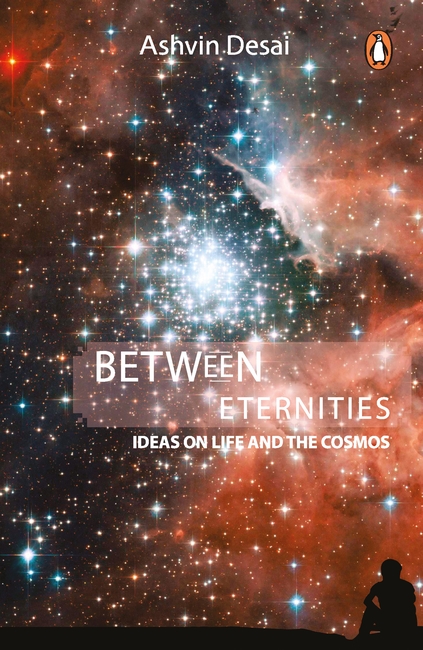
It is through man’s involvement that the universe becomes conscious of itself. The universe created life and, in an astounding feat of circularity, it is life, principally the human being, that then brought the universe into existence and a creator into possibility. Alternatively, is the universe only an illusion, an aberration of nothingness? Science, philosophy, religion and mysticism all offer different propositions. Ashvin Desai interweaves the different streams of reasoning to produce a meticulously researched, closely argued and thought-provoking work, tracing the history of the universe.
The Essential Marathi Cookbook
The Essential Marathi Cookbook, a modern, easy-to-use introduction to several Marathi sub-cuisines, travels across the regions and religions of Maharashtra to bring out the most authentic and appetizing recipes from the state. Journalist and chef Kaumudi Marathé presents a varied and nuanced selection ranging from the delectable entrées long associated with Maharashtra, to appetizing and unusual side dishes, and a plethora of desserts, as well as, lesser-known but equally tantalizing family and regional specialties which have never before appeared in an English-language cookbook.
The comprehensive introduction describes Marathi cooking basics, ingredients and techniques and also explains the special spices used in Marathi kitchens along with the methods for their best use in seasonings. Packed with personal anecdotes and food memories from the author and other contributors to the book, The Essential Marathi Cookbook is the definitive guide to Marathi food and customs.
Recipes include:
Pithla-Bhat (zesty gram flour sauce with hot rice), Shiryachi Poli (sweet semolina-stuffed bread), Ambyacha Loncha (green mango-mustard pickle), Spicy Kolhapuri mutton, Suranachi Koshimbir (elephant’s foot yam salad), Kelphulachi Bhaji (banana blossom stir-fry), Pach Dalinchi Amti (five lentil stew), Mugache Kadhan (Konkan lentil-coconut pudding), Bol Marie (East PBI – Indian coconut pie), Pathare-Prabhu baked karanjis (coconut crescents), Kharvas (first-milk custard), Khudi (sautéed East PBI – Indian-style chicken), Ukad Shengule (sorghum pasta), Kaumudi’s grandmother’s Lettuce Salad
Flavours Of Delhi (R/E)
Just as each ruler left his architectural mark on Delhi, so each bequeathed to it a culinary legacy. Flavors of Delhi: A Food Lover’s Guide tells the story of Delhi through its food. It explores the city’s culinary history beginning with Indraprastha, taking us through the Sultanate period, Mughal rule and the British raj, and bringing us right up to the present. Professional chef and food writer Charmaine O’Brien’s love for Delhi and its culinary delights is evident. She tells us not only what to eat, but also where to eat it. From paranthas in the galis of Chandni Chowk to kakori kababs at the fancy Dum Pukht, from chaat at a roadside stall to appams at Keraleeyam, from fresh fruit and vegetables at INA Market to fish at Chittaranjan Park, O’Brien takes us on a guided tour through the capital, encouraging us to sample and savour as we see. History comes alive as the recipes in this book allow us to recreate the varied flavors of the city in our kitchens. The result of extensive travel and research, and lavishly illustrated with photographs taken by Kirsten Grant, Flavors of Delhi is a fascinating read that whets the reader’s interest and appetite.
Superstar India
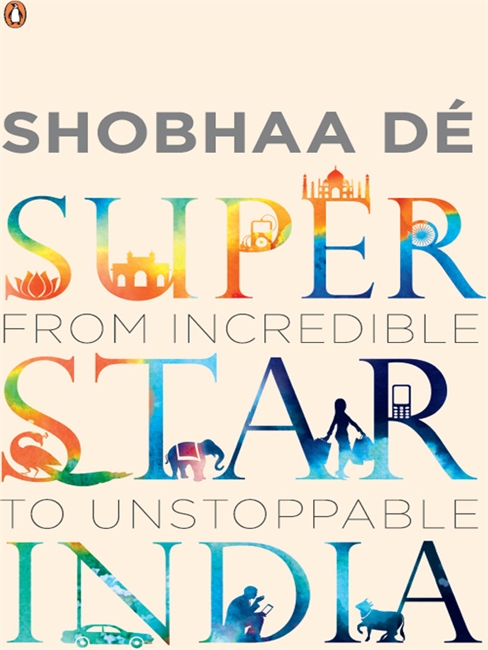
Explore the Shobhaa De minsite here! ‘This is a story about India. My India. It is a very personal story. You see, I’m exactly as old as India is.’ It all began when, viewing the breathless preparations for independent India’s 60th birthday celebrations–and poised then on her own sixth decade—Shobhaa Dé was struck by the thought: ‘Surely my life has taken the same trajectory as the country’s?’ In an intimate confession to her readers, she answers that question, and many more: Does India really deserve to congratulate itself? Has it lived up to the early promises it made to its people? Does the author believe in India herself? Surveying the many images of the country, Dé points out that for every truism about India the opposite is also true: India as the land of the meek; India as inheritor of the earth; India gherao-ed by distinctly unfriendly neighbours; Indians fleeing to jobs in the West and then racing right back to a better life; Indians who ape their erstwhile colonizers and yet cling irrationally to tradition. In a departure from anything else she has written, Shobhaa Dé lasers in on Indian people and their place in the larger human society, pointing out her country’s historical failings and equally historical glories. Admitting to our knee-jerk reactions to much of what is happening at home and in the world, Dé reasons, nevertheless, that the nation has earned superstar status, and with humorous argumentativeness, she convinces the reader that India is not about to lose its glow.
Mrs Funnybones (Spl 30)
In Mrs Funnybones, Twinkle Khanna wittily explores the plight of the modern Indian woman who has a familiar family story. She organizes dinner each evening after having been at work all day, she runs her own life but has to listen to her mummyji and she worries about her weight and the state of the country. This is an extraordinary book with deliciously witty observations.
Socialite Evenings (Spl 30)
A divorce and a succession of sordid affairs have left prominent Bombay socialite Karuna feeling battered, empty and melancholic. She looks back upon her life and the friends and enemies who surround her-neurotic, man-hungry Anjali; gorgeous, vivacious Ritu; high-profile editor Varun, with a penchant for young boys; Krish, the pretentious adman, whose wife actively helps him in his extramarital affairs. Scandalous, astute and utterly riveting, Shobhaa Dé’s first novel, Socialite Evenings, laid bare the world of high-society India and changed the face of the Indian novel forever.
Pyasi Dharti Pyase Log
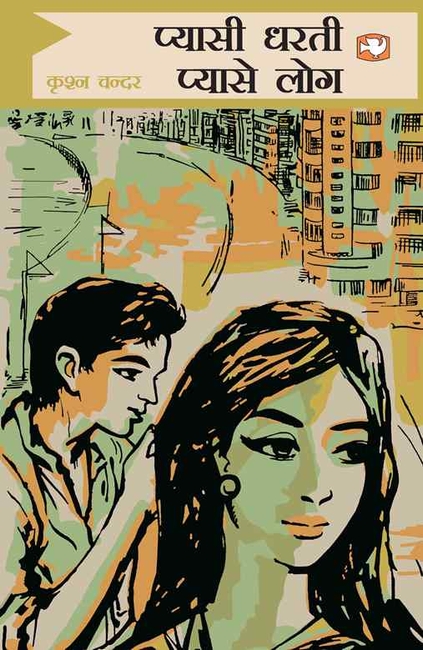
This is a story of poor hill girl, who has to live a life of trouble in Mumbai, but she didn’t give up her faith. It has also a story of Youth, everyone called him wild, but was he really wild, You will know this only by reading a novel.
Uttam Management Ke 6 Niyam
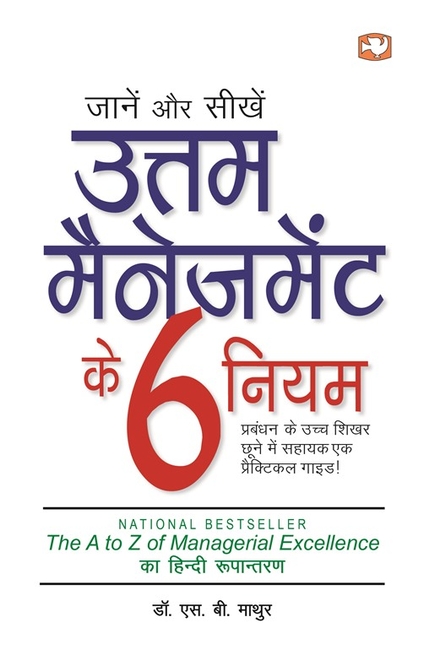
The special feature of this book is that the difficult and esoteric principles of management have been written in simple and common language. This is why you will find the book more interesting. Along the rules such as time management, creativity and showcasing your skills, there are some live examples in it.
Safalata Ka Rahasya
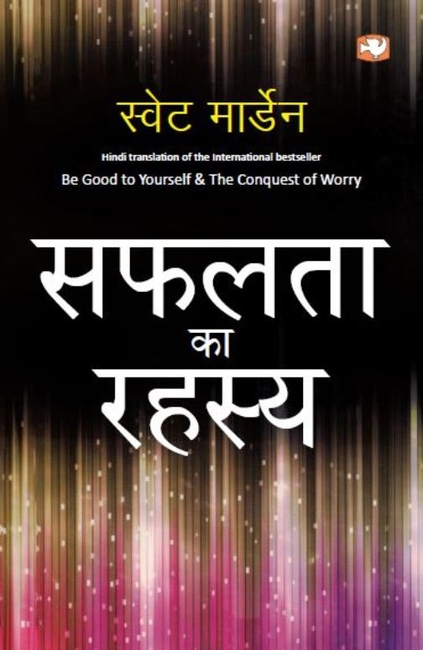
Who overcomes worries and difficulties moves on the path of progress. This book of Swet Marden will tell the mystery of getting success. It is said in this book that who wins on worries and difficulties touch the peak of progress. This book opens the many mysteries of getting success in life. By reading this book people avoids despair and selflessness and instills unwavering confidence on him.