



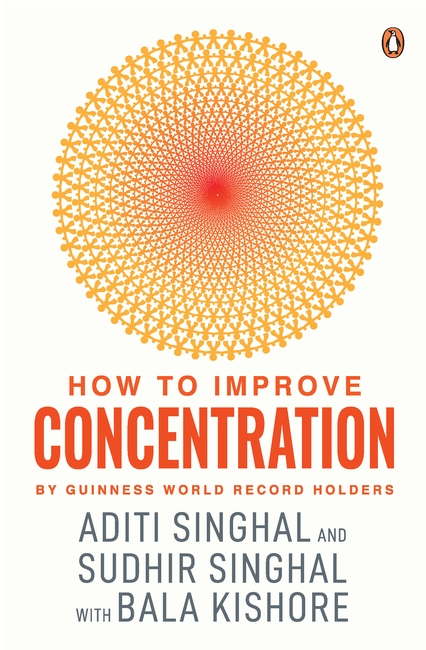
Our world today is filled with distractions that demand our attention every few seconds. The constant messages, notifications and pop-ups have a huge impact on our physical and mental health, making it difficult for us to concentrate on any task. In such a fast-paced world, attention is our most important resource. But we are largely unaware of the key role it plays in shaping our everyday lives.The book aims to help you harness the power of concentration for personal and professional growth, and overcome distractions through simple, research-based and time-tested exercises. It showcases various techniques used by maths and memory experts Aditi and Sudhir Singhal, and digital wellness coach Bala Kishore, in their own lives.
Archives: Books
Let’s Build A Company
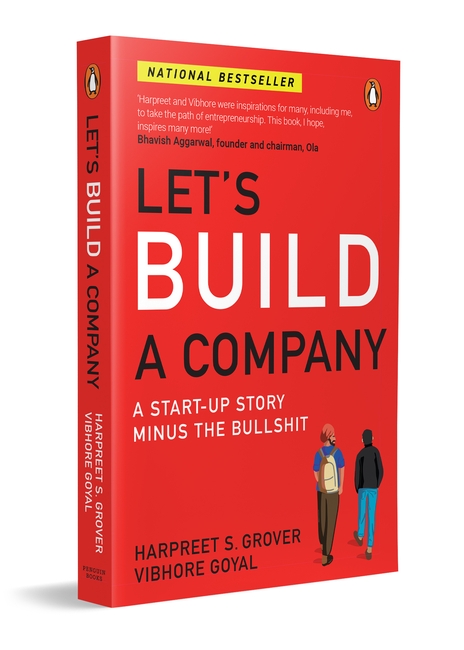
Harpreet Grover and Vibhore Goyal met in college and then spent the next decade of their lives building a company before exiting successfully.
One way to tell their story is this: they had a dream, they followed it and, then, through perseverance, they made it come true.
But that’s not really the truth. Like everything in life-at least everything worth having-it wasn’t that simple. There was blood, sweat and tears, there was loss of capital, loss of friendship and even a loss of faith along the way.
It started with a phone call from Harpreet’s mother introducing him to an uncle who wanted some help. Or maybe it started when Vibhore and Harpreet met as roommates in Room 143 at IIT Bombay. What remains true is that soon both had quit their jobs and launched CoCubes. From no money in their bank accounts for eight years after graduating to becoming dollar millionaires two years later in 2016, this is a tale of grit-of a company built in India by two Indian-middle-class-twenty-somethings-turned-entrepreneurs-written in the hope that you can avoid the mistakes they made and learn from what they did right.
This is that story-the story that you don’t always hear. But if you want to be an entrepreneur, and you prefer straight talk to sugar-coating, it’s one you should read.
Unfinished

“I have always felt that life is a solitary journey, that we are each on a train, riding through our hours, our days, our years. We get on alone, we leave alone, and the decisions we made as we travel on the train are our responsibility alone.”
In this thoughtful and revealing memoir, readers will accompany one of the world’s most recognizable women on her journey of self-discovery. A remarkable life story rooted in two different worlds, Unfinished offers insights into Priyanka Chopra Jonas’s childhood in India; her formative teenage years in the United States; and her return to India, where against all odds as a newcomer to the pageant world, she won the national and international beauty competitions that launched her global acting career. Whether reflecting on her nomadic early years or the challenges she’s faced as she’s doggedly pursued her calling, Priyanka shares her challenges and triumphs with warmth and honesty. The result is a book that is philosophical, sassy, inspiring, bold, and rebellious. Just like the author herself.
From her dual-continent twenty-year-long career as an actor and producer to her work as a UNICEF Goodwill Ambassador, from losing her beloved father to cancer to marrying Nick Jonas, Priyanka Chopra Jonas’s story will inspire readers around the world to gather their courage, embrace their ambitions, and commit to the hard work of following their dreams.
The Case of the Careless Aliens
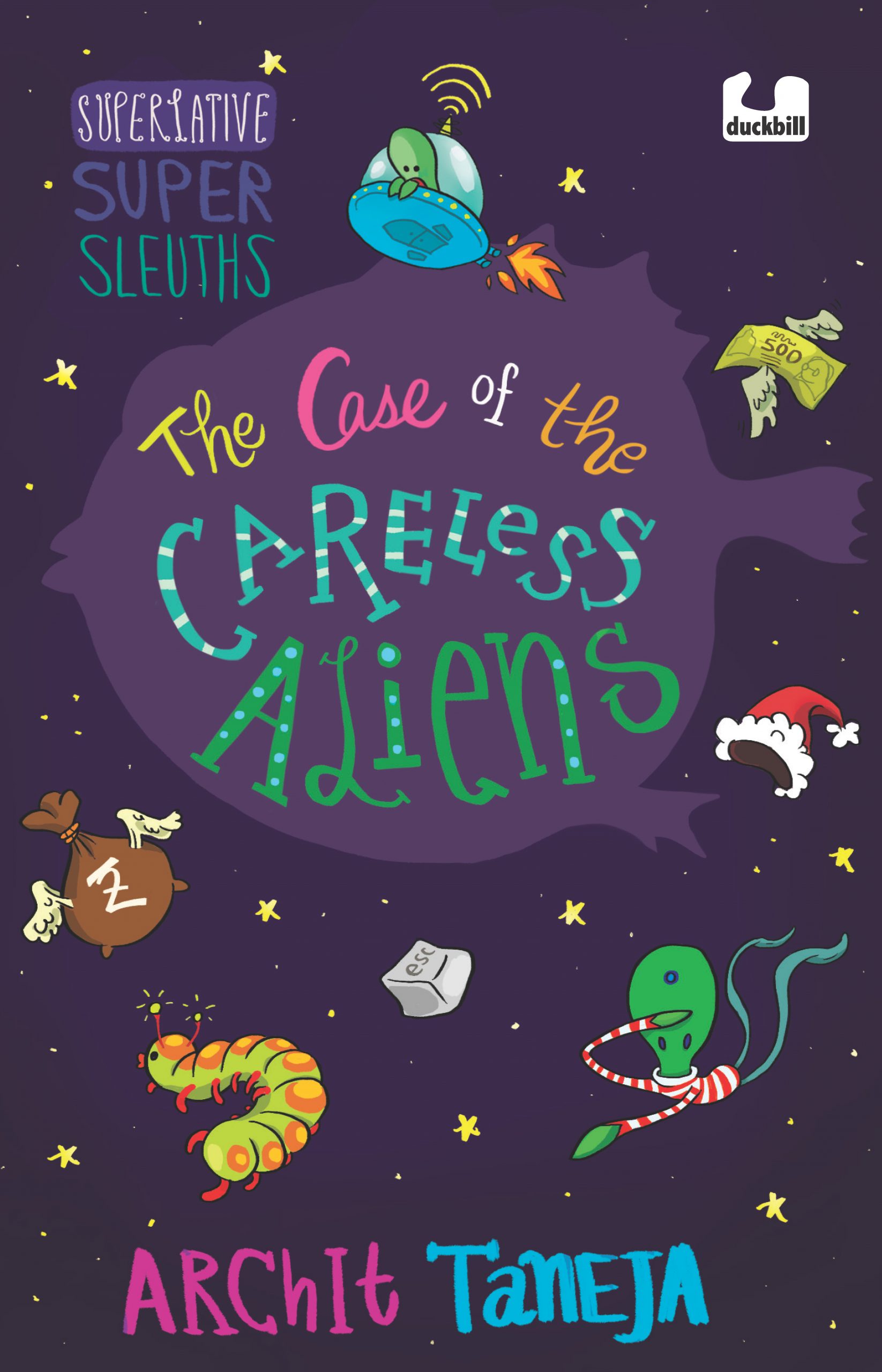
Sinister aliens are on the loose …
Money is appearing mysteriously in unexpected places around the city. UFOs have been spotted in the sky. If aliens are trying to take over, they have been very careless indeed!
Will the Superlative Supersleuths be able to foil their diabolical experiments, or will everyone end up being mind-controlled?
Case Notes:
Vipul’s anti-alien foil hat isn’t effective. He’s also very annoying.
Have the aliens made a deal with the tooth fairy?
Why is Ashwin obsessed with poop pancakes?
Simply Nanju
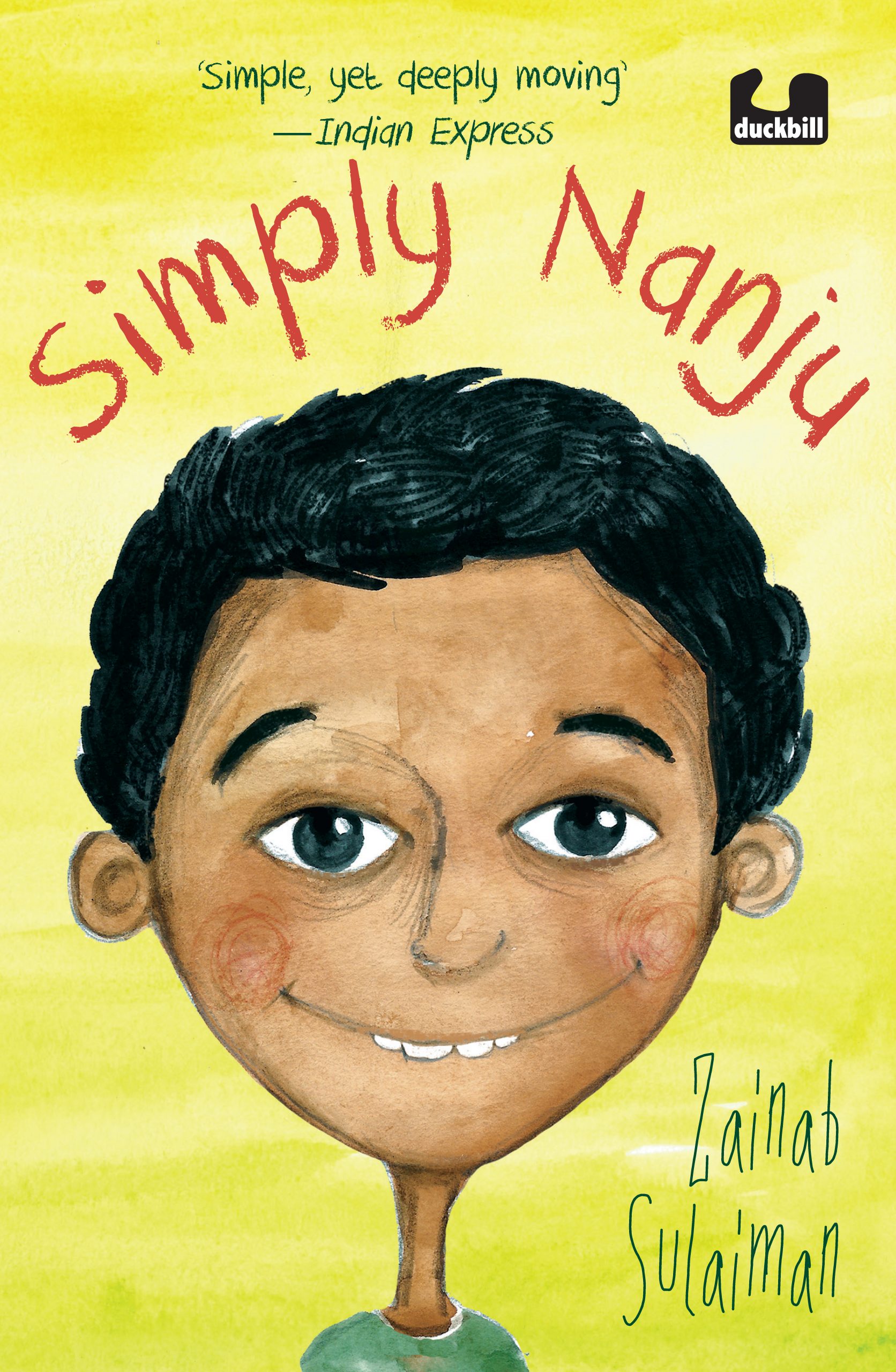
Nothing worries Nanju too much; not the fact that he walks funny or that he’s known as the class copy cat or that the cleverest (and prettiest) girl in class barely knows he’s alive.
But when books start disappearing from the classroom, the needle of suspicion begins to point at Nanju. Aided by his beloved best friend, the fragile but brainy Mahesh, Nanju has to find out who the real thief is. Otherwise, his father might pack him off to Unni Mama’s all-boys Hostel from Hell, and Nanju might lose all that’s dear to him.
Set in a school for children who are differently abled, this funny, fast-paced whodunit will keep you guessing till the very end.
Ninja Nani and the Bumbling Burglars
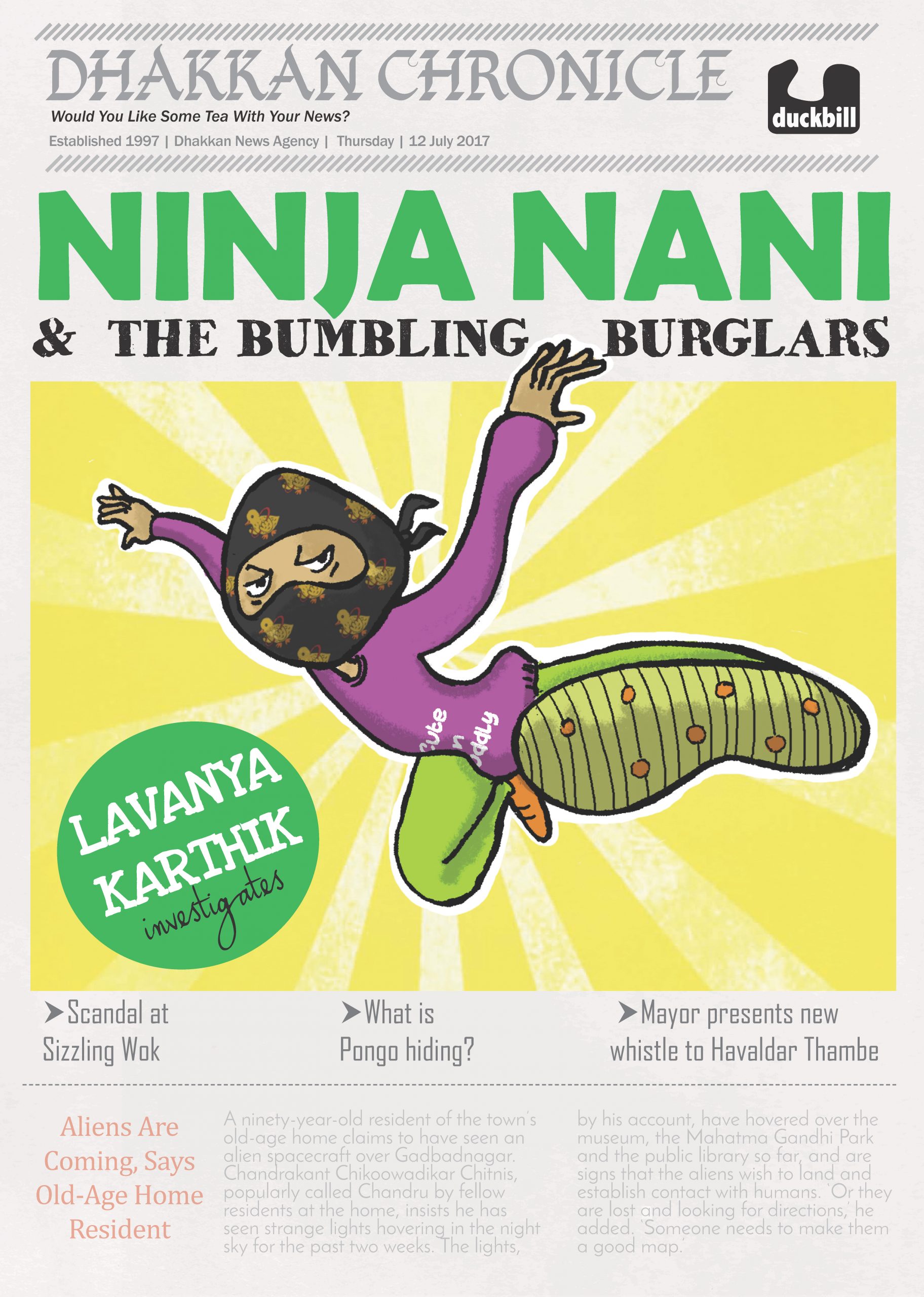
WHO’S YO GRANNY?
What would you do if you wanted to watch your favourite show, but someone mean and cranky and scary was hogging the TV?
Deepu is the biggest fan ever of the great Ninja Dragon Morimori, and knows he must behave as nobly as that great cartoon hero.
Which is why he is grappling with his cranky old grandmother for the remote control, when
ZZZZAP!
Nani has super ninja powers and is swinging from the ceiling and backflipping across the living room! When Nani disappears out the window, Deepu has to follow.
Will Deepu survive this crazy night? Will he end up in a smelly beast’s belly or the little boys’ jail? More important, will he get back home before Mummy suspects anything?
The Magicians of Madh (Meandering Magicians Series Book I)

Something strange is afoot at the Royal Academy of Science, Magic and the Arts …
A standing statue sits down with a meditative smile …
A demigod is caught smuggling the Nectar of Immortality into the Mortal Realm …
Traders in Madh find their goods have been turned into djinn gold …
An illegal portal into the Inter-Realm has opened and no one knows who has done it …
A strange creature has been sighted in the vaults under the Academy …
Will Meenakshi and Kalban be able to get to the bottom of it all before the creature in the vault gets too powerful to control? Or is this a cover for something much more sinister-something that will destroy the city of Madh?
Talking of Muskaan
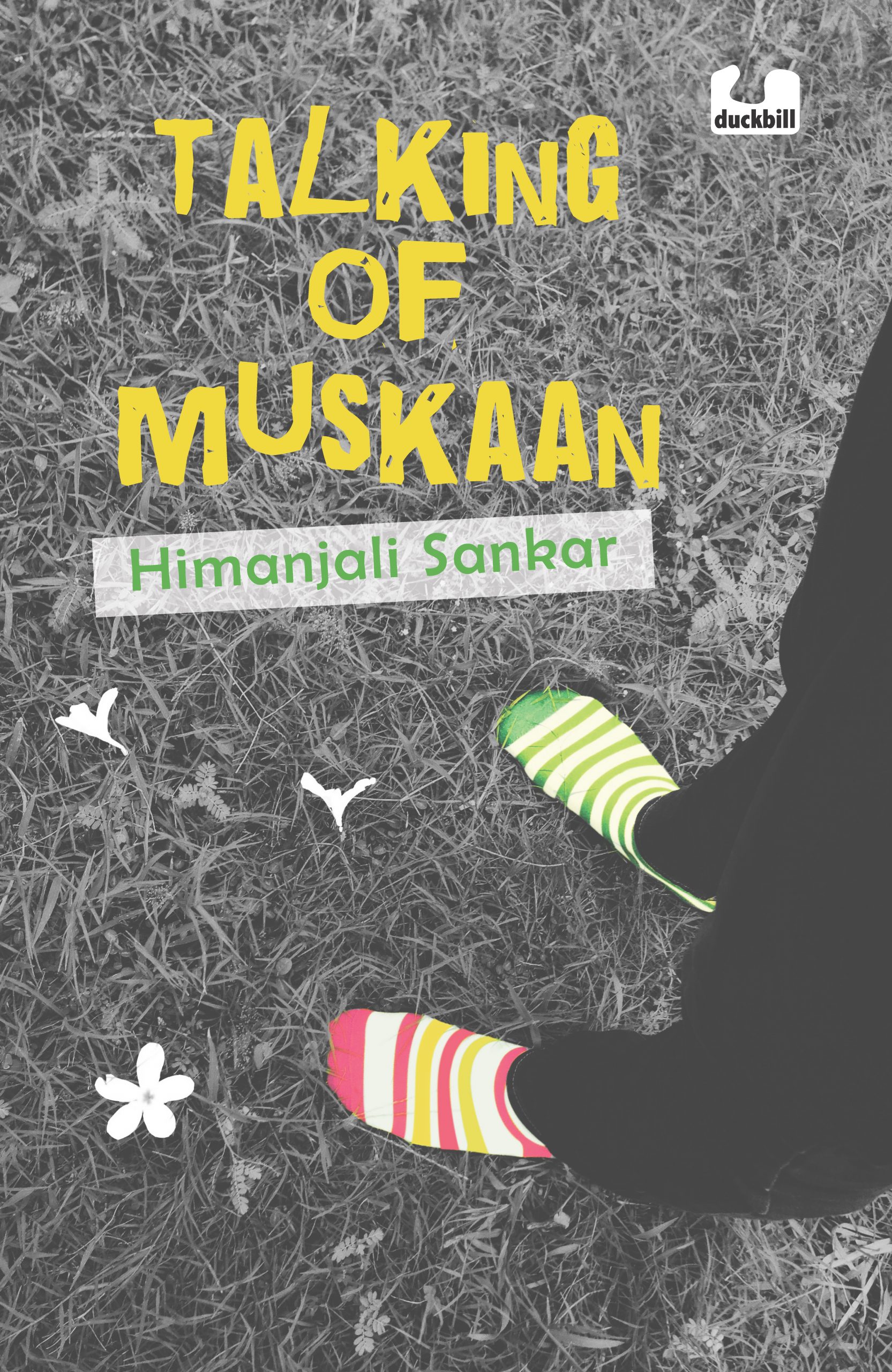
What would you do if you didn’t fit in?
Muskaan is in hospital, fighting for her life.
Three classmates—her former best friend Aaliya, the hottie Prateek, and the class topper Subhojoy—talk about Muskaan, and themselves. About school, home and the larger world, the school bus and the basketball court; about secrets that become burdens. And through their stories are revealed the twists and turns that drove Muskaan to try to kill herself.
Funny and tragic by turns, Talking of Muskaan is a warm, moving novel about life and death and the young people caught in between.
Daddy Come Lately
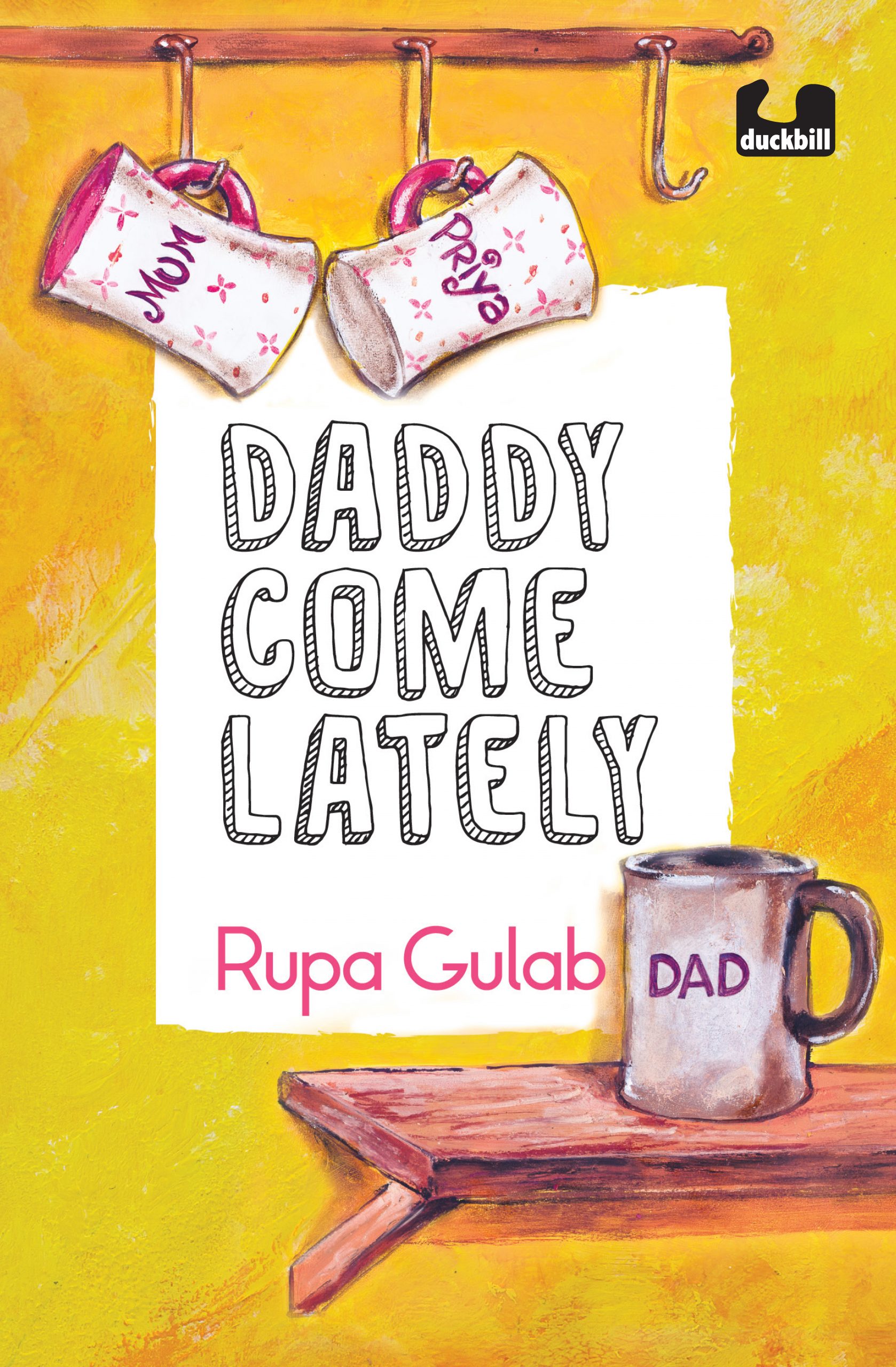
‘Probably one of the best teen books from an Indian writer’ – 101 Indian Children’s Books We Love
Priya believes her dad died before she was born until her liar-liar-pants-on-firemother tells her he is alive and wants to meet her. But her dad doesn’t just want to meet her, he wants to get to know her! Her ghastly beaky nose is clearly not the only thing Priya’s inherited from him, he is as stubborn as she is.
Suddenly, Priya’s well-ordered, laid-back life is thrown into tumult with this dad person interfering with her routine, making her take maths tuitions and, even worse, getting popular with her friends, who really should have known better.
And as if that wasn’t enough, her mum’s acting strange and giggly … Can Priya get rid of Dad the Bad before he completely messes up her life? Earlier published as Chip of the Old Blockhead.
Praise for the book:
‘It’s fun all the way and will leave you happy and light at heart’ – Deccan Herald
‘Stands out because of the manner in which it deals with teenage angst’ – DNA
The Deadly Royal Recipe
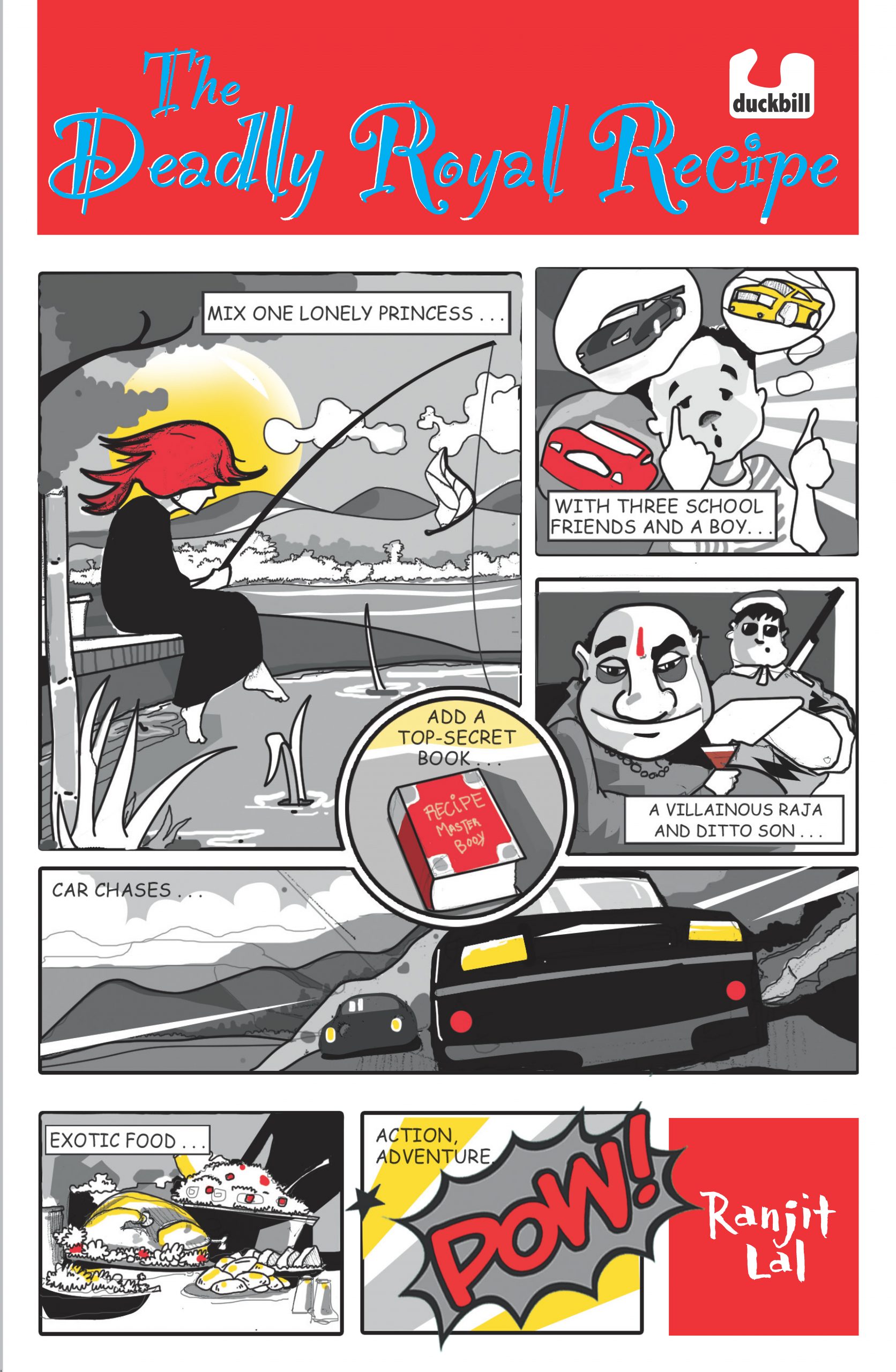
Mix one lonely princess with a bunch of school friends and a little boy.
Add a top-secret recipe Masterbook, lots of exotic food, a villainous raja and his even more villainous son.
Garnish it with action, adventure, car-chases and elephant rides and cook it all to perfection with a fast-paced plot!
What you get is a wacky, racy adventure, which will have you burping with satisfaction!