



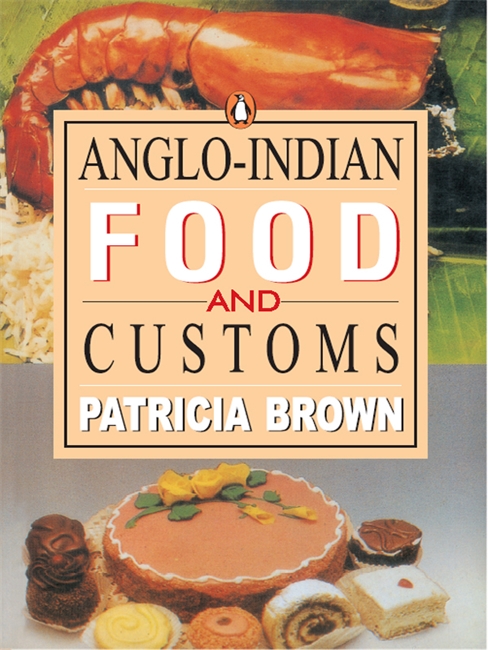
East meets West to create a unique cuisine of mixed European and Indian parentage, the Anglo-Indians adopted the religion, manners and clothing of their European forefathers. Yet, over the years, those of them who made India their home successfully integrated into the mainstream of Indian society. And some of the most glorious results of this assimilation took shape in the kitchen, the territory of the memsahib and her trusted khansamah. Anglo-Indian cuisine is a delicious blend of East and West, rich with the liberal use of coconut, yogurt and almonds, and flavoured with an assortment of spices. Roasts And Curries, Pulaos And Breads, Cakes And Sweetmeats, All Have A Distinctive Flavour. The Western Bias For Meats And Eggs Is Offset By The Indian Fondness For Rice, Vegetables, Curds, Papads, Pickles And Chutneys. And There Is A Great Deal Of Innovation And Variety In Soups, Entrees, Side Dishes, Sauces, Salads And Desserts.
Archives: Books
The Pakistani Bride
Zaitoon, an orphan, is adopted by Qasim, who has left the isolated hill town where he was born and made a home for the two of them in the glittering, decadent city of Lahore. As the years pass Qasim makes a fortune but grows increasingly nostalgic about his life in the mountains. Impulsively, he promises Zaitoon in marriage to a man of his tribe. But for Zaitoon, giving up the civilized city life she remembers to become the bride of this hard, inscrutable husband proves traumatic to the point where she decides to run away, though she knows that by the tribal code the punishment for such an act is death. This is a The Pakistani Bride novel on women, tribals and contemporary politics.
The Other Side Of Silence
The Partition of India in 1947 caused one of the great human convulsions of history. The statistics are staggering. Twelve million people were displaced; a million died; seventy-five thousand women are said to have been abducted and raped; families were divided; properties lost; homes destroyed. In public memory, however, the violent, disturbing realities that accompanied Partition have remained blanketed in silence. And yet, in private, the voices of Partition have never been stilled and its ramifications have not yet ended. Urvashi Butalia’s remarkable book, the outcome of a decade of interviews and research, looks at what Partition was intended to achieve, and how it worked on the ground, and in people’s lives. Pieced together from oral narratives and testimonies, in many cases from women, children and dalits- marginal voices never heard before- and supplemented by documents, reports, diaries, memoirs and parliamentary records, this is a moving, personal chronicle of Partition that places people, instead of grand politics, at the centre. These are the untold stories of Partition, stories that India has not dared to confront even after fifty years of independence.
The Crow Eaters
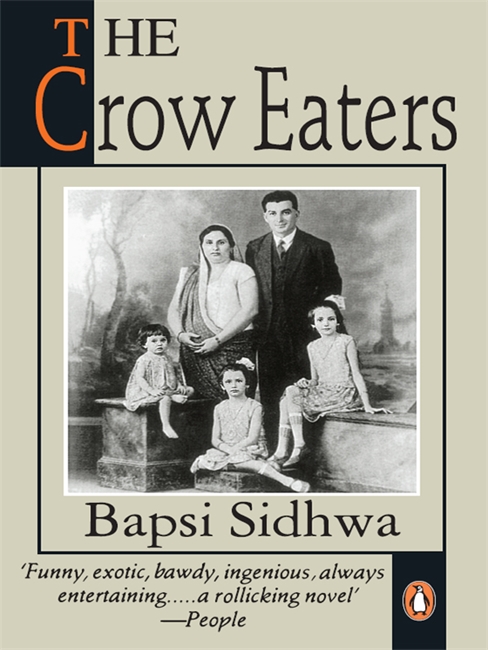
Faredoon (Freddie) Junglewalla is either the jewel of the Parsi community or a murdering scoundrel. Freddies mother-in-law, Jerbanoo, thinks he is planning to do away with her, but Freddie has always been a pragmatist: if the old woman were to die (be murdered?) the body would have to be placed on the open-roofed Towers of Silence, in keeping with custom, and that would never do. Insurance fraud and arson, however, are well within Freddies repertoire???in fact he thinks he has invented the idea, so advanced is it for India, in 1901. As his skills grow he becomes a man of consequence among the Parsis, with people travelling thousands of miles to see him in Lahore, especially if they wish to escape tight spots they have got themselves into.
In this wickedly comic novel, the celebrated author of Ice-Candy Man takes us into the heart of the Parsi community, portraying its varied customs and traits with contagious humour.
Stallion Of The Sun
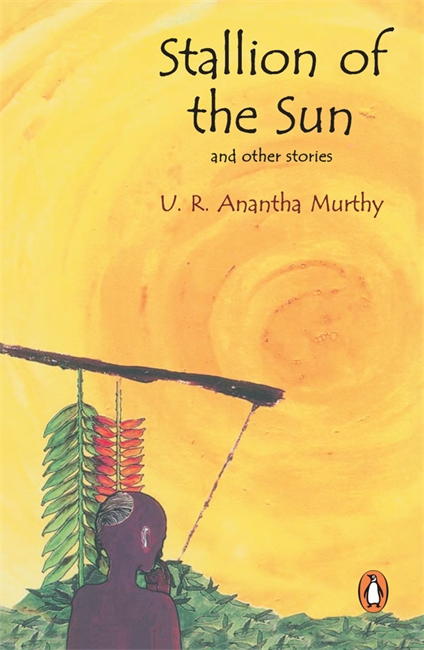
A collection of finely crafted stories that challenge our political, social and cultural beliefs. One of the leading exponents of the Modernist school in Kannada and Jnanpith award winner, U.R. Anantha Murthy has been a writer for nearly five decades. This excellent anthology brings together stories from his five collections. Spanning thirty-five years from 1955-89, they represent his journey from ‘an angry young radical to an intensely humanist conservative’ `Clip Joint’ explores the conflict and confluence of Indian and Western values through an encounter between an Indian student in England and his English classmate. ‘Ghatashradhha’ is a severe indictment of the brahminical system where a priest performs a mock funeral for his child-widow daughter, Yamunakka, who has become pregnant. The critique of unquestioning belief in tradition is pursued in ‘Akkayya’ but resolved with a touch of humour through the protagonist’s singular life story. In the crowning story, ‘Stallion of the Sun’, which is typical of Anantha Murthy’s later, self-reflexive phase, the dissonance between tradition and modernity settles in favour of simple faith. The seven masterful stories in this collection, many of which have been translated into English for the first time, affirm Anantha Murthy as one of India’s foremost fiction writers.
Spit And Polish
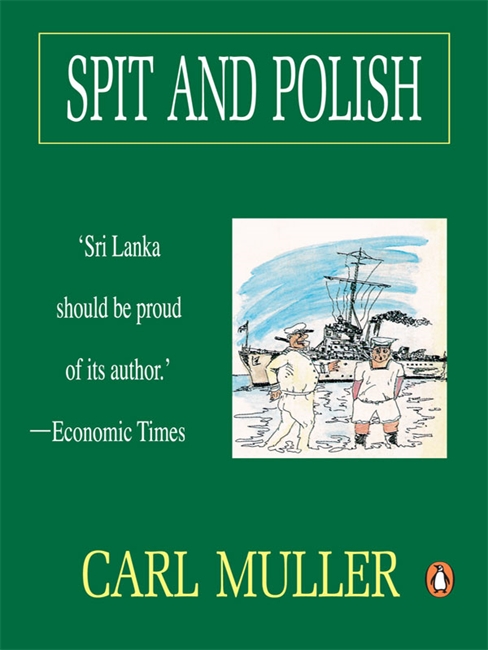
See here, first take a little polish on the finger and rub into the leather. Then spit. and rub.’ – boasts one recruit of his boot polishing skills. sadly, the only reward this gets him is thirty pairs of shoes to shine. This is only one of the hilarious episodes in Carl Muller’s continuation of the von Bloss family saga. Carloboy von Bloss is back, now a robust young man of eighteen, spending four eventful years in the one-ship Royal Ceylon Navy. Carloboy and his fellow recruits get up to the weirdest capers: painting their boots black; posing as Italian ghosts; planning to wink at.
Scenes From An Executive Life
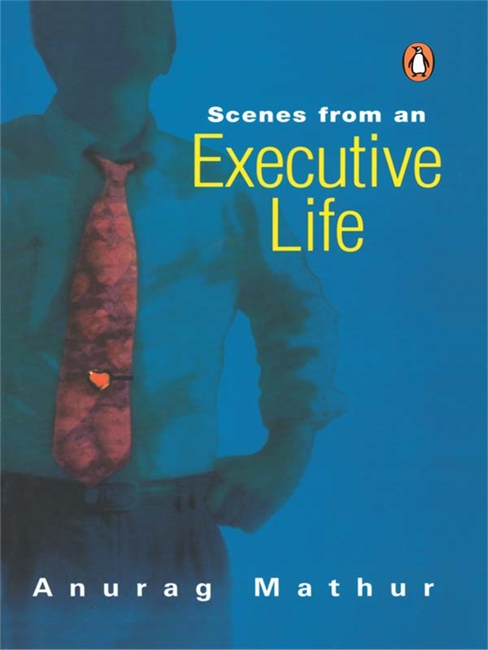
A delightfully irreverent account of corporate affairs in the white collar world. From the author of the best-selling The Inscrutable Americans, comes a hilarious novel about the roller-coaster career of an enterprising marketing executive. It is the story of Gambhir Kumar, Human Resource Development Manager in the Y Corporation, whose life is never the same again after he is transferred to the Tissues and Toothpicks Division. As he travels up and down the corporate ladder, Gambhir redefines the role of the young urban professional who must strike a delicate balance between his heady ambitions and the lustful demands of his heart. The novel also features some unforgettable cameos: Gambhir’s wife Draupadi (DD to her friends), who fights the ennui of yuppie life with boyfriends in the afternoons; Kapila, Gambhir’s passionate bedfellow from the Bombay office; ‘Smiley’ Chatterjee, the adman with a three-word vocabulary; and Kumar, a self-styled entrepreneur intent on selling the sword of Gautam Buddha to American tourists. Scenes from an Executive Life is an immensely entertaining exploration of ambition, lust, envy and intrigue in a typical corporate set-up in post-liberalization India.
Rediscovering Dharavi
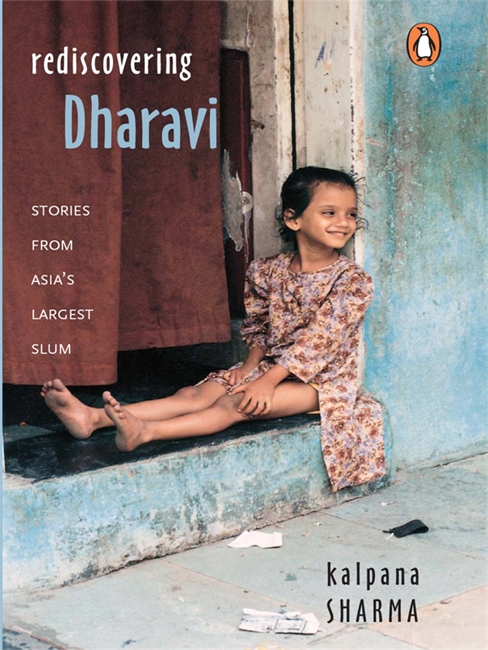
A book that challenges the conventional notion of a slum. Spread over 175 hectares and swarming with one million people, Dharavi is often called ‘Asia’s largest slum’. But Dharavi is much more than cold statistic. What makes it special are the extraordinary people who live there, many of whom have defied fate and an unhelpful State to prosper through a mix of backbreaking work, some luck and a great deal of ingenuity. It is these men and women whom journalist Kalpana Sharma brings to life through a series of spellbinding stories. While recounting their tales, she also traces the history of Dharavi from the days when it was one of the six great koliwadas or fishing villages to the present times when it, along with other slums, is home to almost half of Mumbai. Among the colourful characters she presents are Haji Shamsuddin who came to Mumbai and began life as a rice smuggler but made his fortune by launching his own brand of peanut brittle; the stoic Ramjibhai Patel, a potter, who represents six generations from Saurashtra who have lived and worked in Mumbai; and doughty women like Khatija and Amina who helped check communal passions during the 1992-93 riots and continue to ensure that the rich social fabric of Dharavi is not frayed. It is countless, often anonymous, individuals like these who have helped Dharavi grow from a mere swamp to a virtual gold mine with its many industrial units churning out quality leather goods, garments and food products. Written with rare sensitivity and empathy, Rediscovering Dharavi is a riveting account of the triumph of the human spirit over poverty and want.
Reaping The Whirlwind
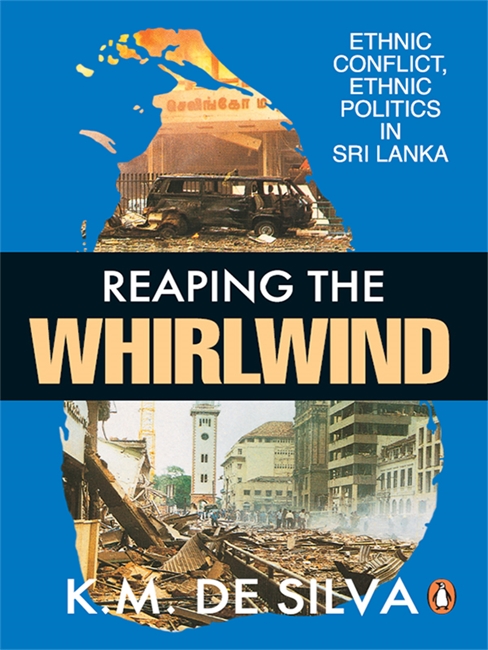
A critical analysis of the ethnic conflict in Sri Lanka In the eighties, Sri Lanka, once considered the ‘model’ colony, was torn apart by ethnic strife between the predominantly Buddhist Sinhalas, constituting almost threequarters of the island’s inhabitants, and the numerically fewer Tamils, who were a mix of Hindus, Christians and Muslims. Massacres occurred after the riots of May 1983, and over time about 1,25,000 Tamils entered India as refugees, fleeing from a virtual civil war which still afflicts the north of the island. The author, a renowned Sri Lankan analyst of global ethnic conflict, discusses the historical reasons behind the ethnic violence, especially the growth of the Sinhalas’ feeling of being a beleagured minority despite their numerical strength. Analysing the present conflict, he shows how the language policy of ‘Sinhala Only’, followed by the government in the sixties, supplanted religion as a divisive factor and how rivalry over educational and employment opportunities fuelled the schism. Bringing the story up to the present, de Silva examines the role played by Indian and Tamil Nadu politicians, and President Kumaratunga’s efforts towards a devolution of power to the Tamil Provinces. But given the LTTE’s acceptance of nothing less than Eelam, he sees little hope of an early end to the violence that has racked Sri Lanka for almost two decades now.
Once Upon A Tender Time
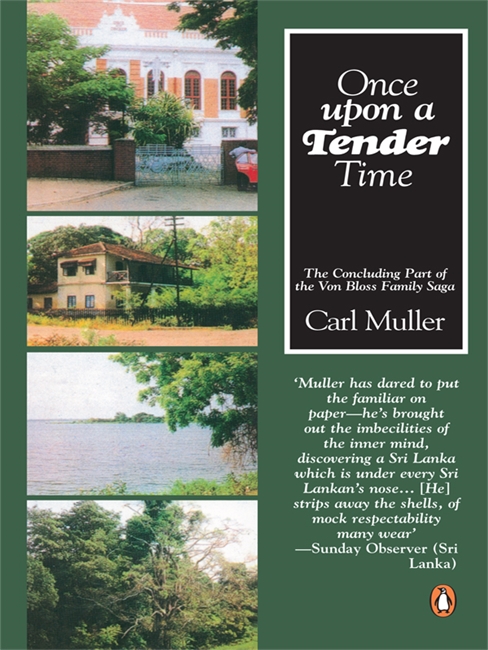
Once Upon a Tender Time, a poignant tale of childhood, is the concluding part of Carl Muller’s Burgher trilogy. The Burghers of Sri Lanka, hardy and fun-loving, produce children by the dozen-but often forget them. Carloboy Prins von Bloss and his companions are usually considered a pain in the neck by the adults they encounter as they go about the serious business of discovering the world and, primarily, the facts of life. Romps in the backyard, trysts in deserted houses and long bicycle rides to discover true love are commonplace. Also frequent are thrashings and canings as adults try to do.