




Light on Life brings the insight and wisdom of Indian astrology to the Western reader. Jyotish or Indian astrology is an ancient and complex method of exploring the nature of time and space and its effect upon the individual. Formerly a closed book to the West, the subject has now been clarified and explained by Hart deFouw and Robert Svoboda, two experts and long-term practitioners. In Light on Life they have created a complete and thorough handbook that can be appreciated and understood by those with very little knowledge of astrology. Jyotish states that by considering the state of the cosmos when an event occurs, we can begin to understand its nature- and to prepare an appropriate response. Although there are similarities with Western astrology there are also profound differences. Jyotish is, above all, infused with the religious, psychological and physical spirit of India. This comprehensive and enlightening book on the subject will prove a necessity to every astrologer or student of Indian thought.
Archives: Books
Kashmiri Cooking
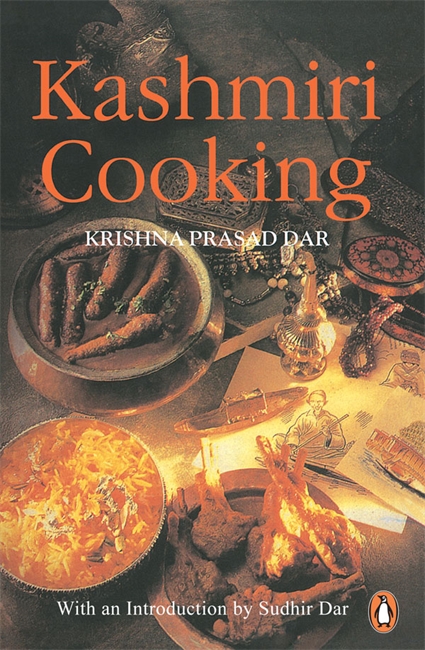
Krishna Prasad Dar’s collection of over a hundred Kashmiri recipes became a classic in its time. First published a decade ago. this new revised edition is beautifully illustrated by his son, cartoonist Sudhir Dar, with an informative introduction to Kashmir! food, one of the subcontinent’s most elaborate and interesting cuisines.
Joy In Loving
Agnes Bojaxhiu, or Mother Teresa as the world knows her today, was born on 26 August 1910, in Yugoslavia. In 1928 she left home to become a novice of Loreto and in 1931 she arrived in India, where she took religious vows of poverty, chastity, and obedience and was renamed Teresa. After teaching at St. Mary’s School in Calcutta for several years, Mother started the Congregation of the Missionaries of Charity, which was approved by a decree of the Holy See in 1950. Since then, the congregation has expanded to include more than six hundred Homes in as many as a hundred and thirty-six countries.
Intimate Relations
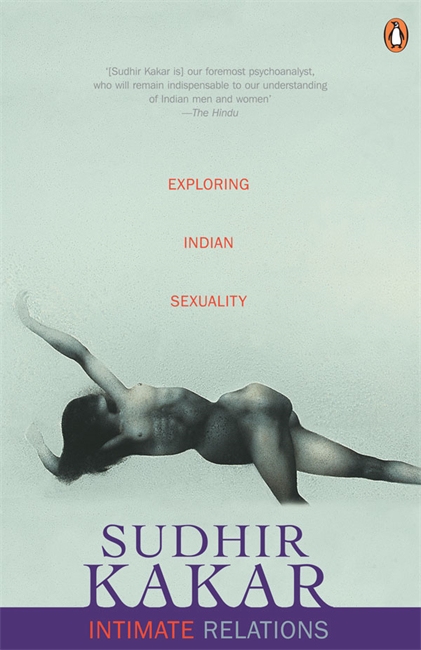
Plumbing the hearts of women and men in India and exploring the relations they engage in, Sudhir Kakar gives us the first full-length study of Indian sexuality. His groundbreaking work explores India’s sexual fantasies and ideals, the “unlit stage of desire where so much of our inner theater takes place.” Kakar’s sources are primarily textual, celebrating the primacy of the story in Indian life. He practices a cultural psychology that distills the psyches of individuals from the literary products and social institutions of Indian culture. These include examples of lurid contemporary Hindi novels; folktales; Sanskrit, Tamil, and Hindi proverbs; hits of the Indian cinema; Gandhi’s autobiography; interviews with women from the slums of Delhi; and case studies from his own psychoanalytic practice. His attentive readings of these varied narratives from a vivid portrait of sexual fantasies and realities, reflecting the universality of sexuality as well as cultural nuances specific to India.
Ice Candy Man
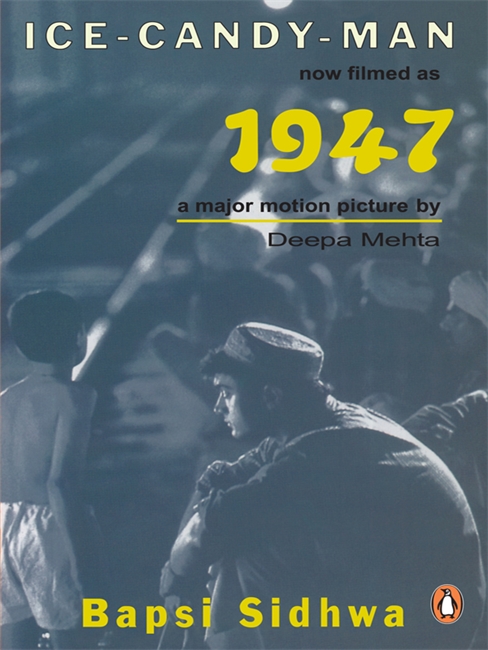
The story of the upheaval of the 1947 partition of India seen through the eyes of a Parsee girl growing up in Lahore. Through her relationships with her Hindu Ayah, the Muslim cook, the Sikh zoo attendant and the ice candy man, she shows how ordinary citizens reacted to the horrific turmoil.
Ferry Crossing
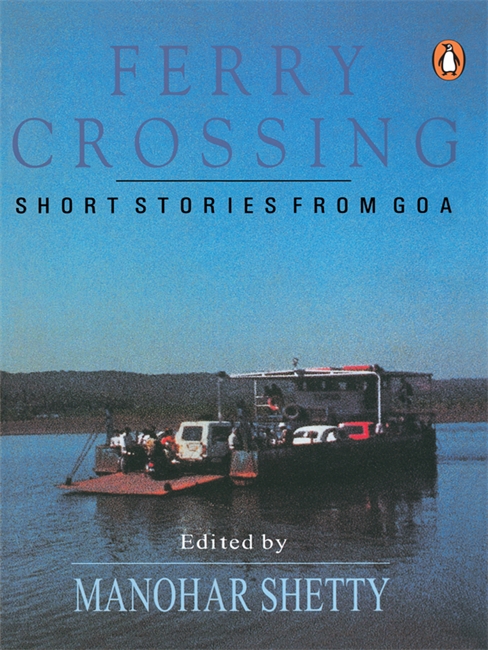
Twenty-seven engaging stories from the heart of one of India’s youngest states. The great holiday destination of India, Goa has been reduced to an easy caricature by the demands of tourism and advertising: a beautiful land by the sea peopled by a feckless, bohemian race. This anthology introduces us to the true Goa, a place rich in history and tradition where the business of living is as serious and humdrum as it is anywhere else. Included here are the finest short stories from Goa written in Konkani, Marathi, Portuguese and English, all remarkable for their rare freshness, and many marked by sparkling humour and a contagious lightheartedness. The themes vary from the touching naivete of first love, as in Chandrakant Keni’s ‘Innocence’, to the humiliation of poverty, movingly described in stories like Pundalik Naik’s ‘The Turtle’; from the amusing clash of egos among rural elite, brilliantly narrated in Victor Rangel-Ribeiro’s ‘Senhor Eusebio Builds His Dream House’, to the startling brutality inherent in everyday lives, as seen in Pundalik Naik’s ‘When an Ass Mounts a Cow’ and Damodar Mauzo’s ‘Theresa’s Man’. Simply and lucidly told, the stories in Ferry Crossing reveal a Goa infinitely more human and complex than the stereotypical image of an enormous beach resort.
Colours Of Violence
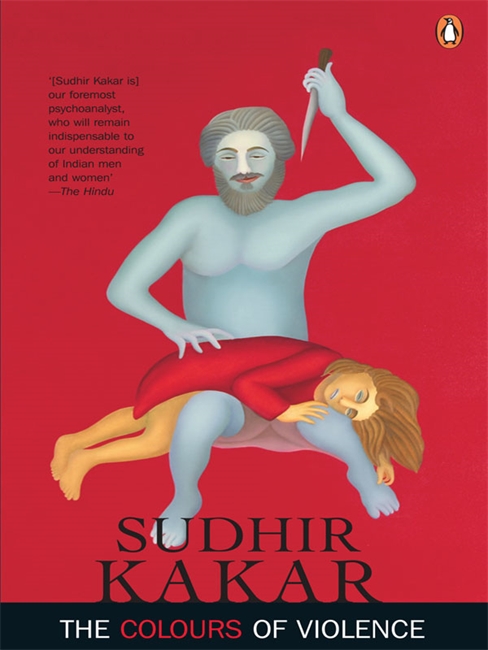
For decades India has been intermittently tormented by brutal outbursts of religious violence, thrusting thousands of ordinary Hindus and Muslims into bloody conflict. In this provocative work, psychoanalyst Sudhir Kakar exposes the psychological roots of Hindu-Muslim violence and examines with grace and intensity the subjective experience of religious hatred in his native land. With honesty, insight, and unsparing self-reflection, Kakar confronts the profoundly enigmatic relations that link individual egos to cultural moralities and religious violence. His innovative psychological approach offers a framework for understanding the kind of ethnic-religious conflict that has so vexed social scientists in India and throughout the world. Through riveting case studies, Kakar explores cultural stereotypes, religious antagonisms, ethnocentric histories, and episodic violence to trace the development of both Hindu and Muslim psyches. He argues that in early childhood the social identity of every Indian is grounded in traditional religious identifications and communalism.
Better Man
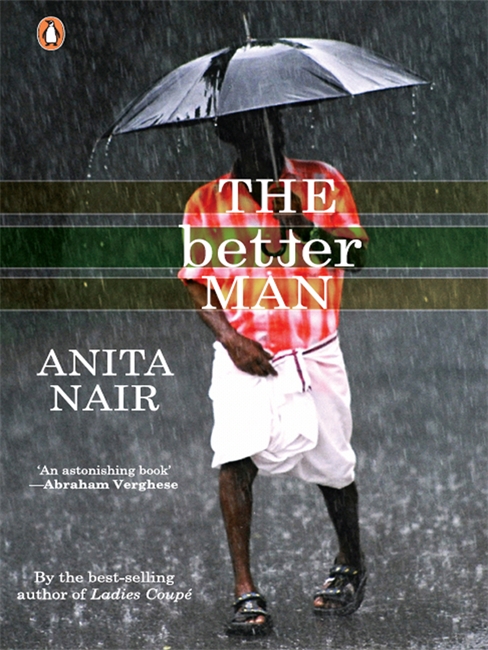
Mukundan, a middle-aged bachelor, is forced to return to his native Kaikurussi, a sleepy village in Kerala. Determined to conquer old ghosts, Mukundan decides to restore his childhood home and hires One-Screw-Loose Bhasi, an outcast painter, to oversee the renovations. A practitioner of a unique style of healing, Bhasi is intrigued by Mukundan’s unhappiness and sets about mending his troubled friend. But the durability of Mukundan’s transformation into a better man is soon called into question.
All Is Burning
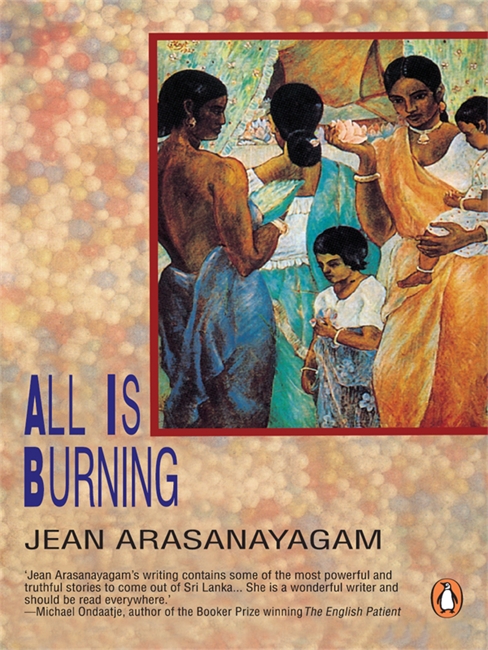
Nineteen stories of rare power from the heart of war-ravaged Sri Lanka. In these stories Jean Arasanayagam brings us voices that are not normally heard: those of anonymous men and women searching for order and reason in the midst of a ruthless civil war. While many succumb to the horror of their times, there are others who discover in themselves unexpected reserves that will help them survive. Thus a young Sinhala man turns his back on an aimless upper-class existence and joins a group of Tamil refugees smuggling themselves into Germany; a woman goes out alone to see the scene of a carnage to try and find her daughter’s lover among the dead and dying; a maid returns from the rich desert city of Doha to the green half-jungle of her village in northern Sri Lanka and rediscovers happiness despite the uncertain future… In addition to stories about the effects of war and violence, this collection also explores aspects of ethnicity and individual choice in a multicultural society. All is Burning is truth-telling at its poignant best.
Yakada Yaka
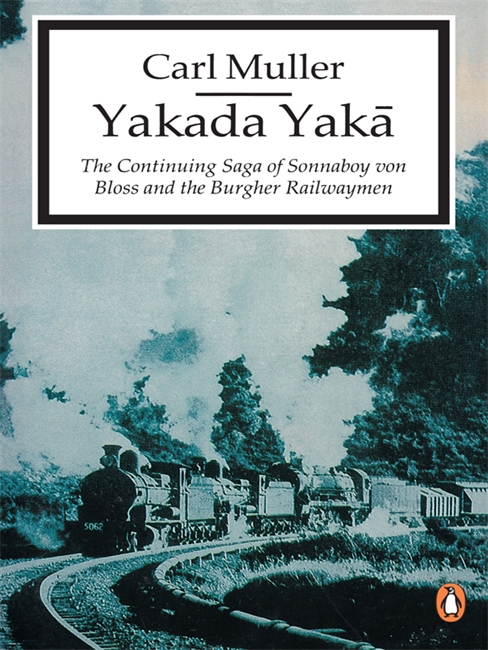
Yakada Yaka is the second part of the Burgher trilogy that began with The Jam Fruit Tree When the conquering British roll out the first railway steam-driven locomotive in Sri Lanka, it causes quite a stir. The smoke-spewing, banshee-wailing, fearsome black thing hisses like a thousand cobras… and the villagers declare that this Thing is an Iron Demon-a yakada yaka. The Burghers who drive these Iron Demons have a penchant for challenging authority and courting trouble, sometimes just to liven things up in the railway outposts… and so it is that Sonnaboy and Meerwald chase a large group of villagers all across Anuradhapura, mother-naked but not much bothered by it, Ben Godlieb conjures up a corpse in his cowcatcher, Dickie Byrd single-handedly demolishes a Pentecostal Mission and is hailed as the messiah of the Railway fraternity, and Basil Van der Smaght filches a human heart and feeds it to the Nawalapitiya railway staff …and to cap it all, Sonnaboy takes French Leave to act in The Bridge on the River Kwai! ‘(Muller) tells his tale with a gentle humour often bordering on tenderness, but couched in the vigorous rugged localese. Almost immediately we find ourselves empathizing with Muller’s roistering band that sins and prays with equal zest.’ -Business Standard ‘… The Burghers …believed in living life to the hilt. Every situation occasioned wild revels, and there was nothing that could not be solved through a brawl.’ -India Today.