



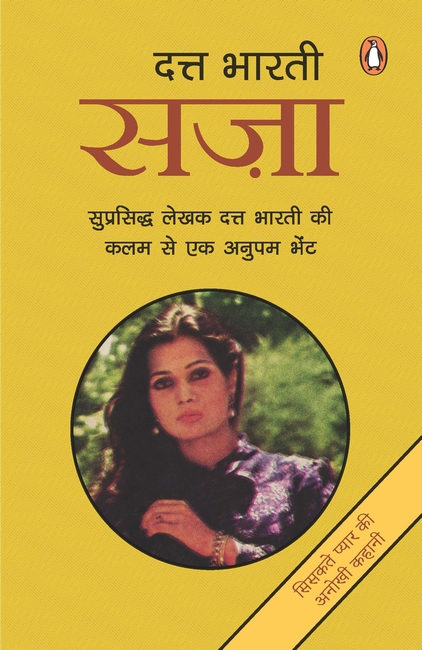
This is the poignant story of two young girls born under different circumstances. Life-loving girlfriend Rashi does not want her lover to know of her sufferings when she meets her lover. She suffers herself but does not allow her mind to be exposed. The character of Urmil and Ramindra is touching the deep of heart. In fact, this novel brings hears to every reader’s eyes.
Archives: Books
1857 Ka Mahasangram
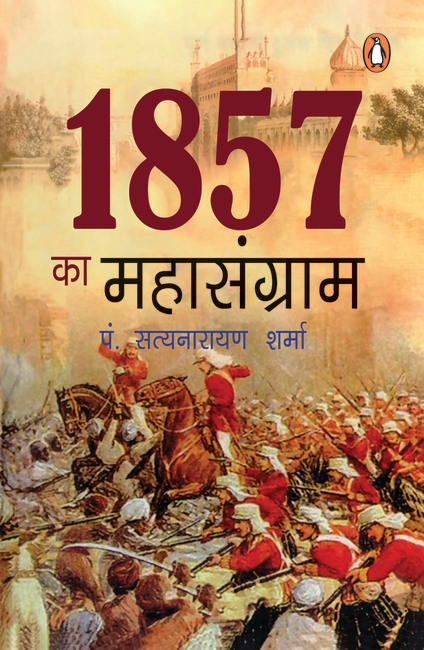
The revolution of 1857 is considered the first freedom struggle. There is an interesting and authentic description of the fight of fighters like Mangal Pandey, Rani Jhansi, Tantya Tope, Bahadur Shah Zafar etc. for freedom against the British. This book is written on base of authentic sources, so the song of fighters given in this book. This book is undoubtedly very useful for the students of History.
Man Ka Meet
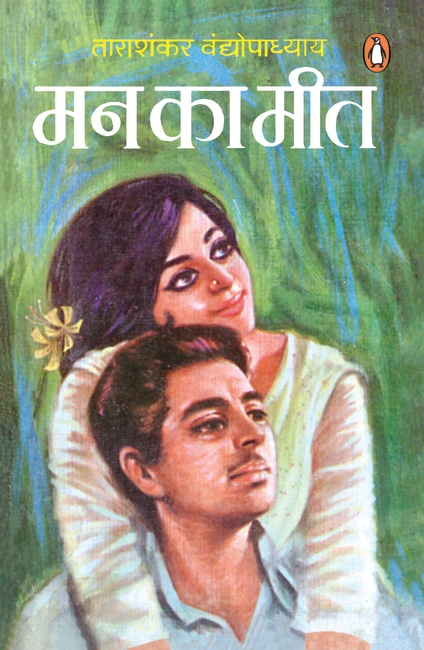
This is a story that gives a pleasant feeling of the love of Narsingh and Gori. In front of the false ethnic campaign, its relationship, love and humanity, everyone starts to appear dwarf characters as well as the reader also feel pleasure. This story of repentance and mentality is itself a representative story of the new age.
Biraj Bahoo
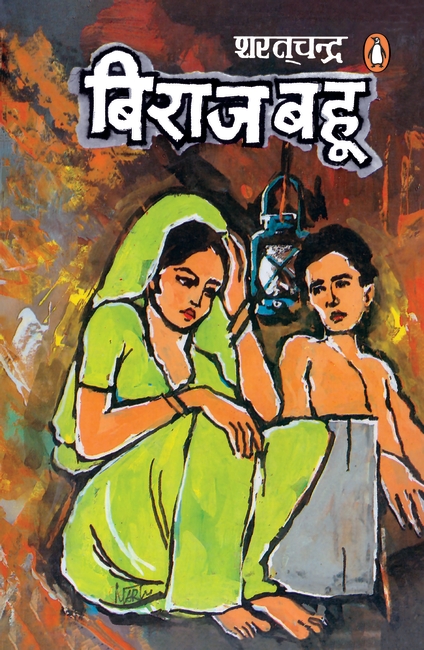
After teaching the lesson of self-devotion, the man made the woman a toy in his hand. Biraj also grew up in a similar environment. She had accepted her husband is the top most. She herself suffered pain, but tried in every way to keep happy. But what did she get in return for all this? Scorn, hate. Biraj suffering from fever, hungry from thirty days, she went to beg rice soaked in the rainy dark night for her husband Neelambar and Neelambar did doubt on her and he blamed on her.
Sharatchandra Ki Shreshtha Kahaniyan
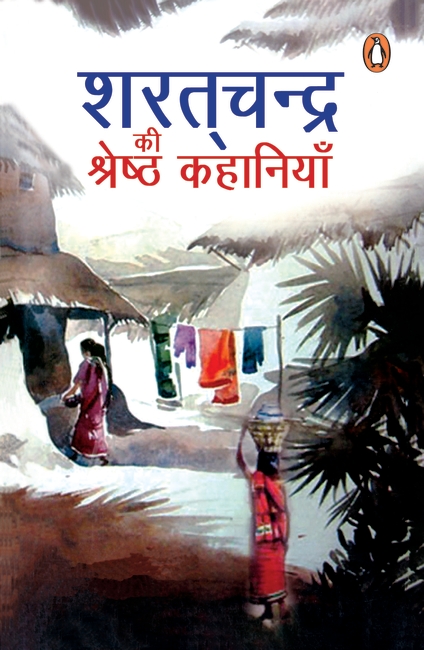
These representative stories of Sharat Chandra have a lively depiction of society. On the one hand the idols of humanism, love and sacrifice are revealed, on the other hand, the cruelty of man and his selfish face are exposed. These stories are definitely going to shock the mind of the reader.
Devdas
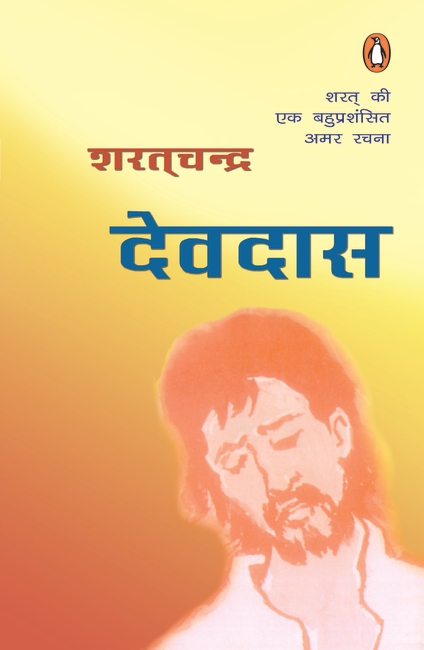
Devdas and Parvati of Talsonapur village are bound by childhood in integral affection formulas, but due to Bhiru tendency of Devdas and false falsehood of his parents, both are unable to get married. The selfish father of Parvati has sold her to forty years old Duhaju Buuwan Chaudhari for hoping to get two or three thousand rupees, whose married girl was older than Parwati. Devdas, who is immersed in the Nairasya due to fruitless love, starts consuming liquor, due to which his health falls drastically.
Swami
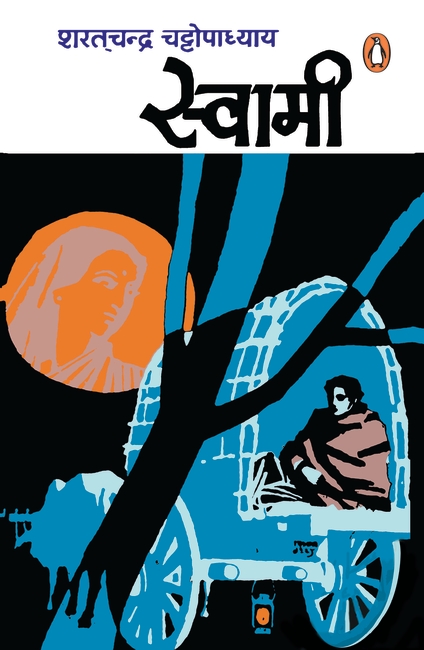
Swami is the victory saga of married love over illicit love, in which the tone of the woman’s response is very deep. In fact this is the story of the tearful woman in the social and classical laws, in which the voice has been raised against social oppression. It is very touching story.
Jagran
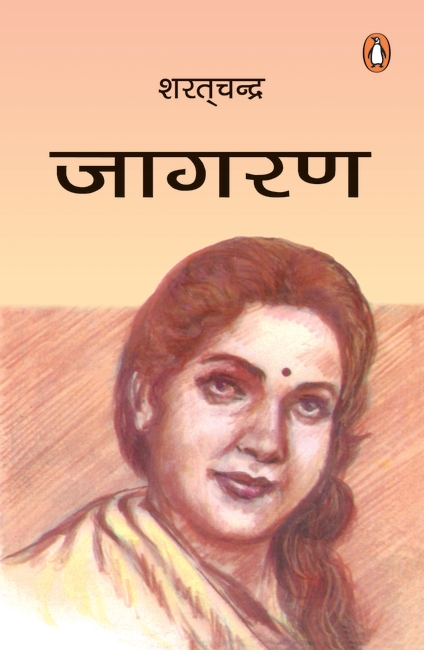
The novel has a strong depiction of love and male and female relationship. Along with keeping the side of love, Sharad Chandra has actually brought the agony of Patita, Kulta, victim, suppressed and tortured woman to life in this novel. He has proved that he is not only a favorite writer of the common reader, but has made the life struggle of the common man the subject of his novel.
The City of Good Death
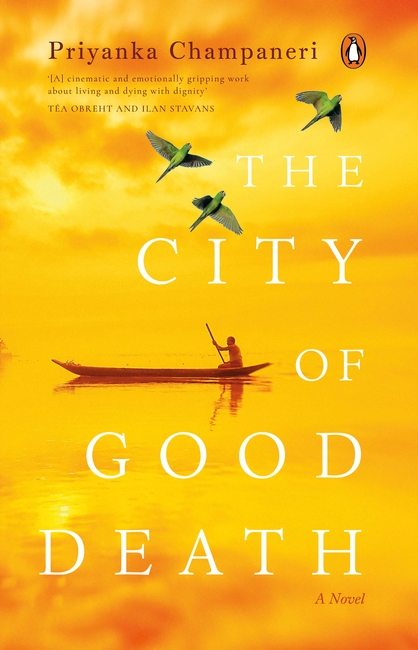
Banaras, Varanasi, Kashi. India’s holy city on the banks of the Ganges has many names but holds one ultimate promise for Hindus. It is the place where pilgrims come for a good death, to be released from the cycle of reincarnation by purifying fire.
As the dutiful manager of a death hostel in Kashi, Pramesh welcomes the dying and assists the families bound for the funeral pyres that burn constantly on the ghats. ‘The soul is gone, the body is burnt, the time is past,’ he tells them. ‘Detach.’ After ten years in the timeless city, Pramesh can nearly persuade himself that here there is no past or future. He lives contentedly with his wife, Shobha, their young daughter, Rani, the hostel priests, his hapless but winning assistant, and the constant flow of families with their dying.
But one day the past arrives in the lifeless form of a man pulled from the river-a man with an uncanny resemblance to Pramesh. Called ‘twins’ in their childhood village, he and his cousin Sagar were inseparable until Pramesh left to see the world and Sagar stayed back to look after the land. After Pramesh married Shobha, defying his family’s wishes, a rift opened up between the cousins that he had long since tried to forget.
For Shobha, Sagar’s reemergence casts a shadow over the life she’s built for her family. Soon, an unwelcome guest takes up residence in the death hostel, the dying mysteriously continue to live and Pramesh is forced to confront his own ideas about death, rebirth and redemption.
Told in lush, vivid detail with an unforgettable cast of characters, The City of Good Death is a remarkable debut novel about family and love, memory and ritual, and the ways in which we honour the living and the dead.
Bare Necessities

Did you know that there will be more plastic than fish in the seas by 2050? Did you know that it takes 20,000 litres of water to make a pair of jeans? Did you know that we have a massive food-wastage problem, and yet millions die of hunger each day?
In this world full of waste, how can you help save the planet?
Bare Necessities is your one-stop guide on how to move towards a more sustainable lifestyle in India. Filled with activities, insights, recipes, tips and how-to guides, it is a must-read for anyone wanting to make a positive change in their life and in the environment.