



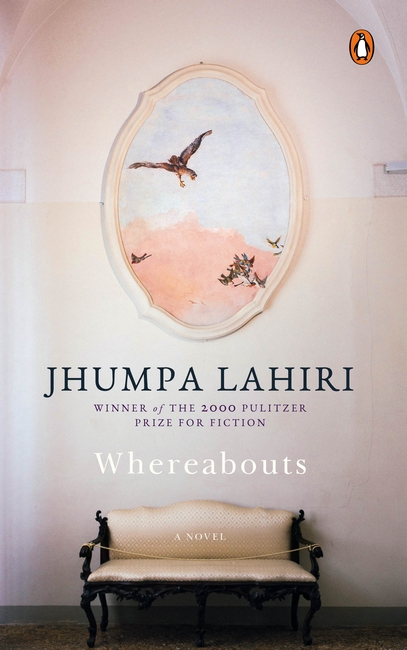
Exuberance and dread, attachment and estrangement: in this novel, Jhumpa Lahiri stretches her themes to the limit. The woman at the center wavers between stasis and movement, between the need to belong and the refusal to form lasting ties. The city she calls home, an engaging backdrop to her days, acts as a confidant: the sidewalks around her house, parks, bridges, piazzas, streets, stores, coffee bars. We follow her to the pool she frequents and to the train station that sometimes leads her to her mother, mired in a desperate solitude after her father’s untimely death. In addition to colleagues at work, where she never quite feels at ease, she has girl friends, guy friends, and “him,” a shadow who both consoles and unsettles her. But in the arc of a year, as one season gives way to the next, transformation awaits. One day at the sea, both overwhelmed and replenished by the sun’s vital heat, her perspective will change. This is the first novel she has written in Italian and translated into English. It brims with the impulse to cross barriers. By grafting herself onto a new literary language, Lahiri has pushed herself to a new level of artistic achievement.
Archives: Books
Eeks: I Saw a Mosquito!
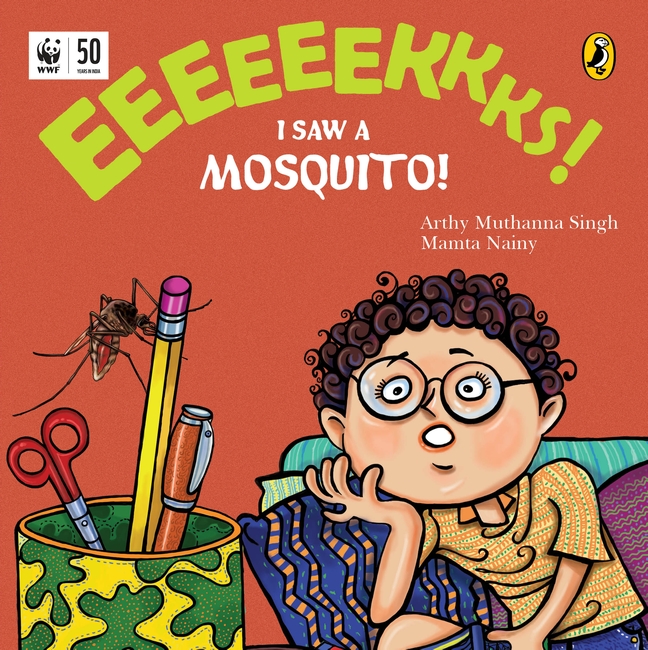
Mosquitoes are mostly known as tiny troublemakers. But there are lots of interesting facts about these delicate insects. Read this book to find out about their many species, sizes, diets, homes and-most importantly-why
they bite!
About the Series
It’s time to enter the fascinating kingdom of insects with WWF India’s EEKS series! From bees to flies, from ants to wasps and from mosquitoes to cockroaches, the books in this unique series will introduce you to a vast variety of insects we share our planet with and help you discover some jaw-dropping facts about them. So, what are you waiting for? Bug out, have fun and be prepared to be amazed!
Gopal’s Gully
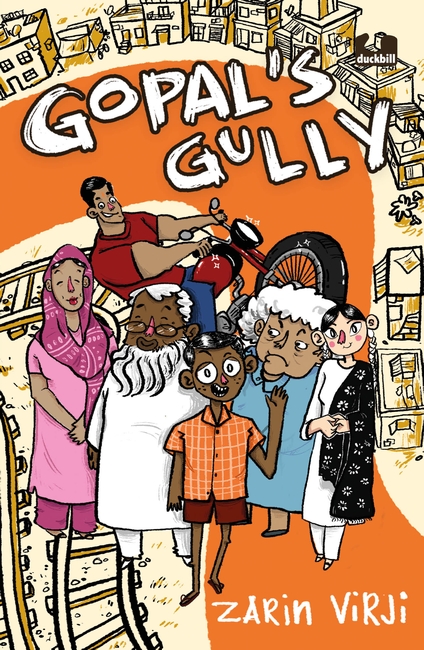
It did feel strange to see her lying cold and silent and then being carried away . . . But at the back of my mind was this growing anticipation-Sanjiv Maama was taking me to Mumbai!
When Gopal’s mother dies, his uncle brings him to Mumbai to get a job because he has few prospects as a Dalit boy in a UP village.
Gopal is cast into the unfamiliar world of Squatters Colony, where he has no family or friends. He gets his first job at the bicycle shop owned by the sage Chacha and rapidly makes friends with the strange and diverse people who live in the community-Chacha’s friendly daughter-in-law, the neighbourhood thug Raja, the three-legged Tiger and beautiful Ayesha.
And he learns that when disaster strikes and lives fall apart, he too has a family in the gully.
Zarin Virji’s gripping debut describes the raw rollicking life of Mumbai’s small neighbourhoods with vigour and zest.
Eeks! I Saw a Bee!
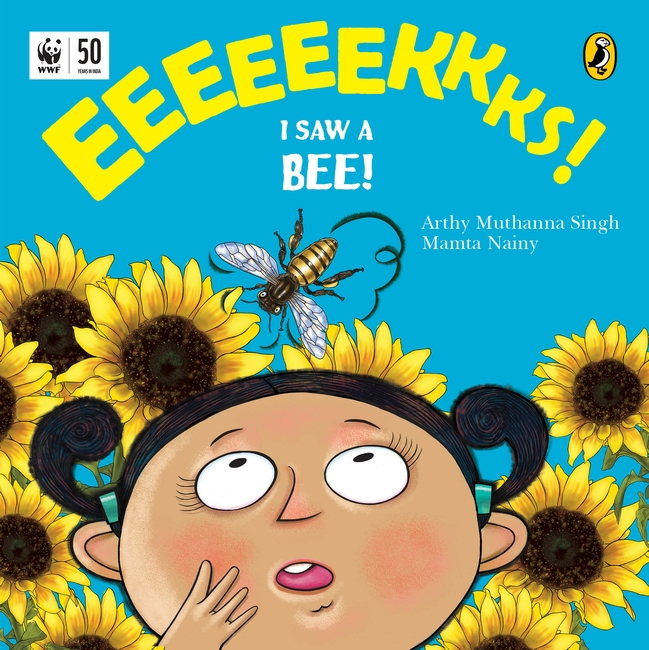
What’s the buzz about bees? What do they do all day? Why are they important? Find out everything about bees in this buzzing book and discover the big ways in which these little insects contribute to our environment.
About the series
It’s time to enter the fascinating insect kingdom with WWF-India’s EEKS series! From bees to beetles, from ants to wasps and from mosquitoes to cockroaches, the books in this unique series will introduce you to a vast variety of insects we share our planet with and help you discover some jaw-dropping facts about them. So what are you waiting for? Bug out, have fun and be prepared to be amazed!
Eeks! I Saw an Ant!
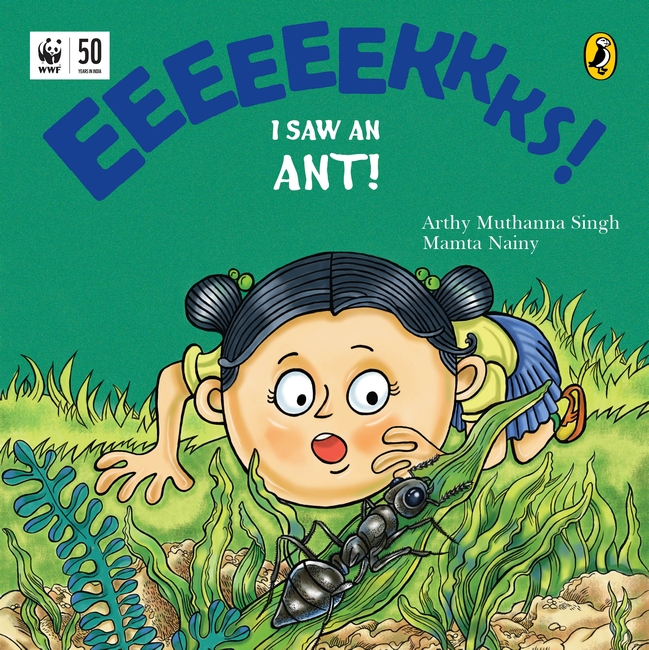
Ants are small but that’s not all! Enter the jaw-dropping world of ants and explore some fascinating facts about one of the most hard-working critters of the insect kingdom!
About the series
It’s time to enter the fascinating insect kingdom with WWF-India’s EEKS series! From bees to beetles, from ants to wasps and from mosquitoes to cockroaches, the books in this unique series will introduce you to a vast variety of insects we share our planet with and help you discover some jaw-dropping facts about them. So what are you waiting for? Bug out, have fun and be prepared to be amazed!
Can’t Quarantine Our Love
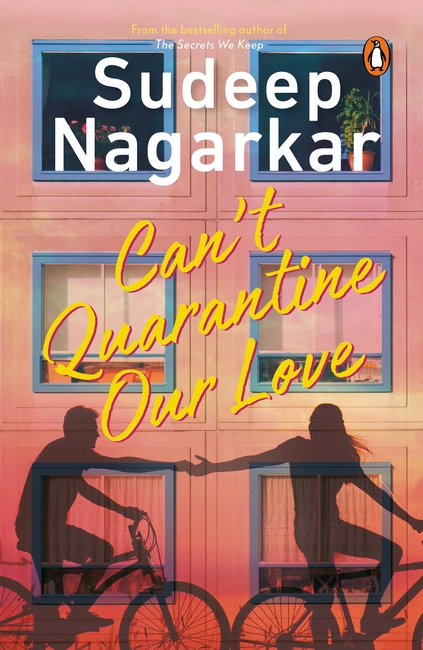
True love-we all long for it, only a few ever really find it and even fewer live with it forever
Avni, however, believes true love is a myth. Unlike her gregarious Punjabi parents, she prefers to live in her own little world and wants nothing more than to be left alone with her books for company.
When she comes across her new neighbour Sidharth, she is irked by his behaviour. A fun and outgoing Gujju boy, Sidharth is everything Avni detests. As fate would have it, he is instantly drawn to her on their first meeting. But Avni wants nothing to do with the boy who seems to be ruining her chances of securing the top position in college.
A series of miscommunications makes Avni believe the worst of Sidharth, further ruining his hopes of ever having a chance at love.
Can’t Quarantine Our Love is an epic love story of two neighbours with a twist of fate that puts everything they know to a heartbreaking test.
Snow Leopard Adventure
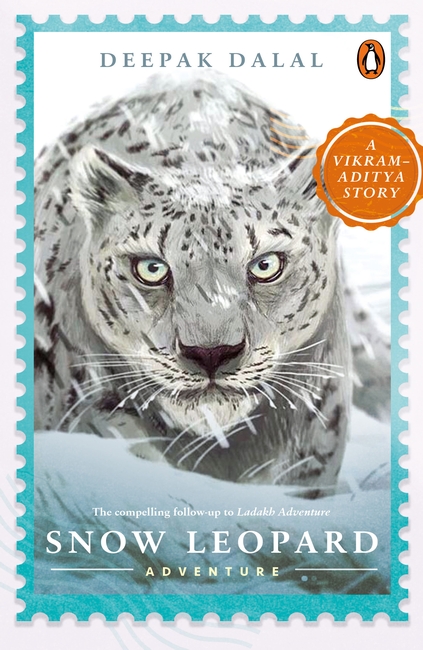
Vikram and Aditya are back in magnificent Ladakh. Having finally freed their young friend Tsering from the hands of dangerous men, they’ve set themselves up for an even greater challenge: to locate the grey ghost of the Himalayas, the snow leopard. The boys join a team of ecologists and explorers in their search for this immensely rare and beautiful creature of the wild. But high up in the Himalayas, amidst daunting mountains and dark valleys, everyone has just one question on their mind: how do you study an animal you cannot find?
Journey in search of the elusive Snow Leopard with an enthralling tale set in one of India’s most splendid destinations.
The Banker Who Crushed His Diamonds
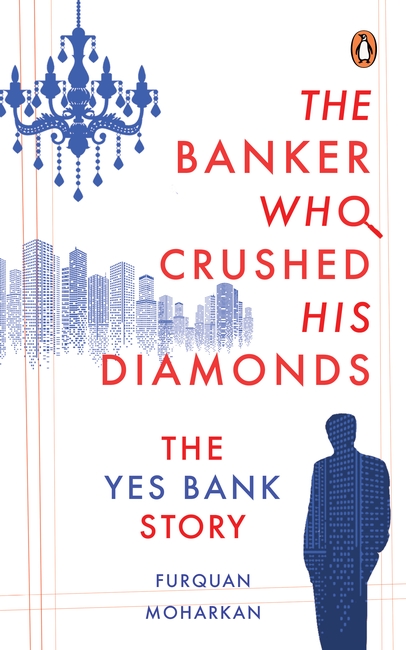
In compliance with the order of the Ld. ADJ, Karkadooma Court passed on 22.12.2021 we have ceased to publish, republish, distribute, and/or sell the title “The Bank Who Crushed his Diamonds: The Yes Bank Story” by Furquan Moharkan. However, we are pursuing remedies in law available to us in this respect
The Rana Cookbook
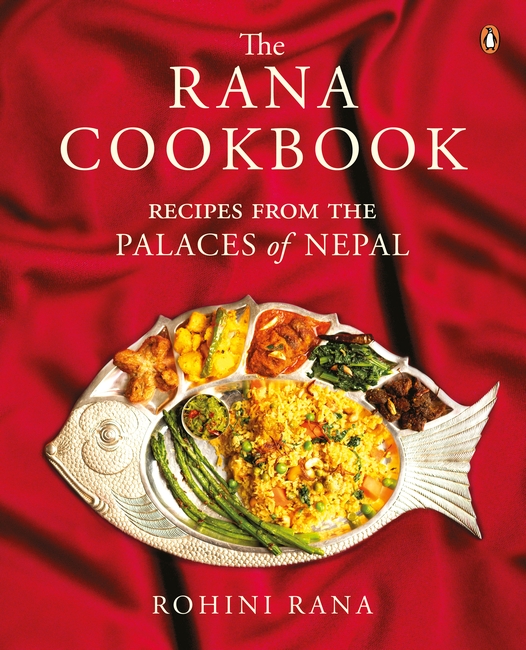
The Rana name has been synonymous with the history and culture of Nepal for centuries. The beautiful palaces of Nepal were known not only for their glamour and architecture but also for their royal feasts. The recipes of the food served were exclusively with the cooks of the palaces and a lucky few who inherited them from earlier generations. In this exquisite book, for the first time ever, the doors to the palace kitchens are opened and we get a glimpse into the mouthwatering cuisine of the royals. Nepali food is famous for its fresh and light flavours in the staple rice, daals, meat and vegetables. The food of the Ranas, however, is vastly influenced by Indian flavours. While Indian food is renowned for its rich, thick gravies, Nepali cuisine tends to prefer lighter jhols and dry bhutans and kawafs. Though raw materials such as meat and vegetables can easily be found in the Indian kitchen, the style of preparation and spices such as jimbu and timur are unique in their Nepali flavour. With help and inputs from numerous family members, Rohini Rana has collected and documented the recipes precious to each Rana prime minister’s family. Showcasing magnificent food from the palaces, this luxurious and beautifully illustrated cookbook attempts to preserve these recipes for future
generations, and posterity.
Anything Can Be
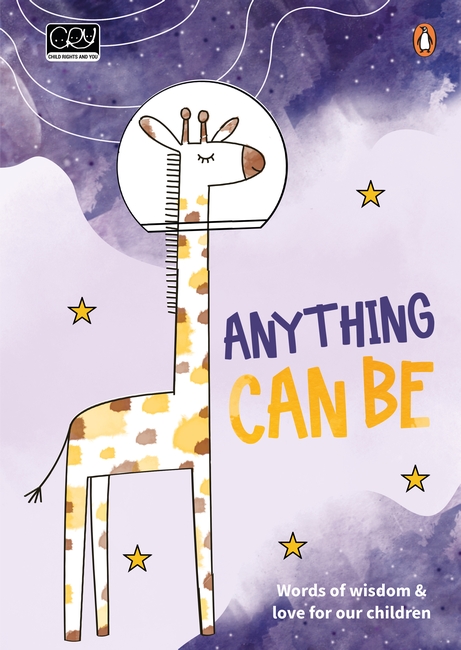
This book commemorating 40 years of CRY, India’s most trusted NGO, is inspired by a Treasure Trove of dreams.
Dreams woven by children, with their bright smiles and infinite potential, who brave the odds every day. Children who often don’t make it past their 5th birthday. This grim situation has worsened with the Coronavirus pandemic as the loss of livelihoods has deprived underprivileged children of proper nutrition, timely immunisation and healthcare. The first 1000 days of a child’s life are extremely important but never have they been more critical for survival. With this book, we are raising funds that are urgently needed to give every child a healthier start to life.
But what makes this book truly special is that our hope is not ours alone. We believe that it’s shared by each and every one of you – our contributors and our readers. That we are all united in our dreams for children as India’s future. May we come together to help them rise; today and forevermore.
Includes letters of love by Ustad Amjad Ali Khan, Zia Mody, Sangita Jindal, Hema Malini, Boman Irani, Sameera Reddy and others.