The birth of a prince in medieval India was usually followed by grand celebrations. Camped out in the wilderness when the news of Akbar’s safe delivery reached him; Humayun could only enjoy a quiet moment of thanksgiving. He broke a musk pod and as the fragrance wafted all over the camp; the new father hoped his son’s fame would similarly spread across the world.
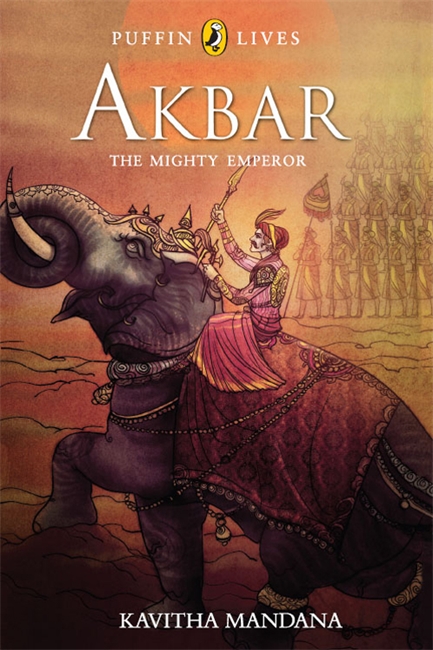
Akbar-emperor; warrior; statesman and thinker-is acknowledged as one of the most charismatic personalities in Indian history. Crowned the king of Hindustan at the age of thirteen; his empire went on to include the farthest corners of the country. Yet he was not just a conqueror. A humanist; his deep interest in literature; architecture; art and his inclusive vision of religions at a time when such thoughts were not in fashion; set him down as one of history’s most remarkable men.
In this story of his life; as exciting and thrilling as any adventure tale; the author describes Akbar’s rough; difficult childhood spent on the run; his consolidation of the empire through war and diplomacy; the myriad interesting and entertaining people who made up his court; the strong women of the Mughal household; and finally; the intriguing circumstances under which the crown passed on to his son; Jahangir.
Accompanied by many vignettes of information about the Mughal empire and the world in the 16th century; this book is a fascinating introduction to the life and times of a ruler who still rules our imaginations.

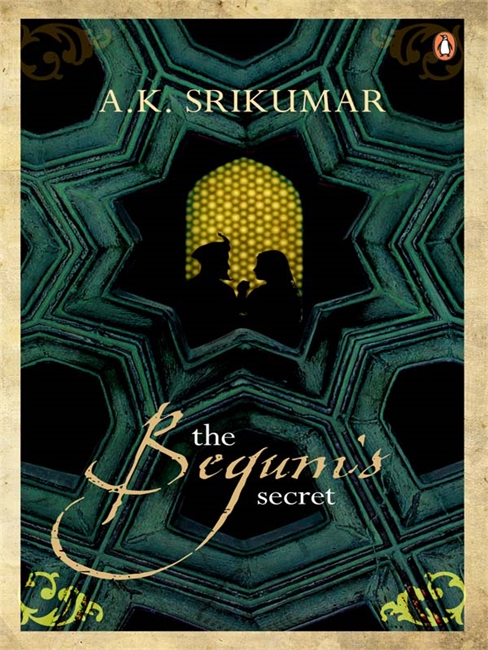
What do you suggest, then? How do we mitigate this tragedy? Three years of drought . . . three years of starvation!’ She realized it was his way of getting back at her. ‘There is an answer, Your Majesty. What if a large imambara were to be built, bigger and more magnificent than any constructed so far in Hindustan? Every Mussulman in Allah’s creation will remember Asaf-ud-daula with reverence for all time to come.’ 1784. Amid famine, poverty, a grand culture rises: Awadh. As Nawab Asaf-ud-daula tries to come to terms with new British masters, his awam seeks comfort in the vibrant poetry of Mir, the buzz of the Chowk, the thrill of the wrestling matches and the gossip of the zenankhana. In masterful prose, A.K. Srikumar tells the story of Asaf-ud-daula’s court and his people, of the uncertain fortunes of Begum Shams-un-nisa, Prince Wazir Ali, Nazir-i-Mahal Nuruddin, of the schemes of Naib Haider Baig Khan and Resident John Bristow and pretender Saadat Ali Khan, of the Bada Imambara and a culinary tradition that was born amidst the brick and mortar— dum pukht.
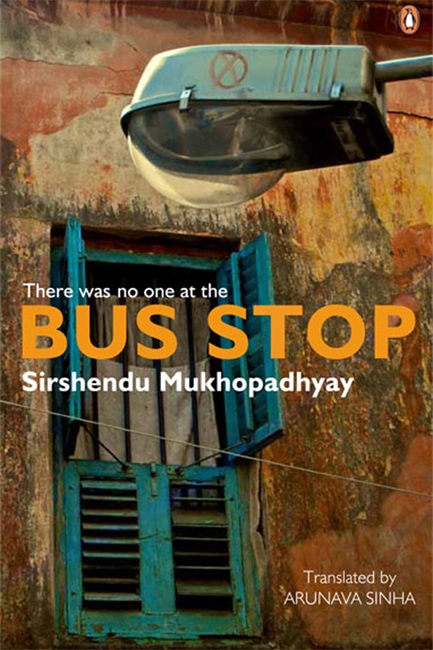
Set in Calcutta in the 1970s, There Was No One at the Bus Stop is a
powerful exploration of adultery and its overwhelming consequences.
Trina, a married woman, impulsively decides one day to stop living a lie
and walks out on her husband, daughter and son, in whose lives she no
longer plays a role. But will she be able to sever the bonds and join the
man she loves in his home? The man, Debashish, is haunted by his wife’s
recent suicide and is tormented by the possibility that his young son would
rather live away from him.
Through spare prose and searing dialogue, this novel unfolds over twelve
hours on a single day. It reveals the often complex reasons that hold
human relationships together and the motives that break them apart.

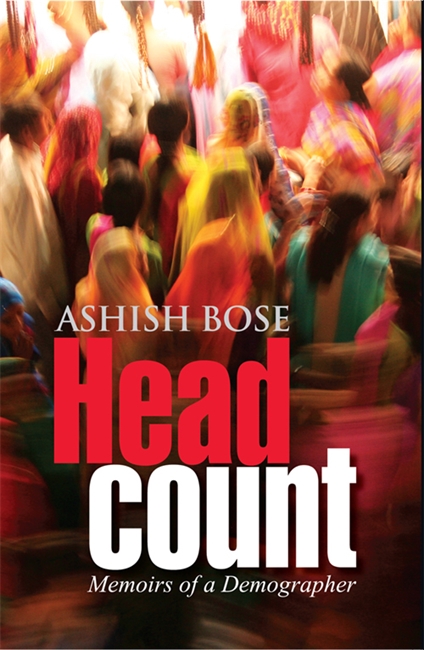
The acronym ‘BIMARU states’ was widely used in the mid-1980s to refer to the population issues of India’s four largest states-Bihar, Madhya Pradesh, Rajasthan and Uttar Pradesh. Ashish Bose, the man who coined this much-discussed term, is the pioneer of demographic studies in the country.
In Headcount, the demographer sets the record straight on BIMARU, and in the process, presents his unique view of modern India. In his inimitable engaging style, Bose, who was born in 1930, paints a vivid portrait of a life well-lived-from his childhood in Kolhapur, then a princely state, to his encounters with three generations of the Nehru-Gandhi family and his recollections of the darkest days of Indian democracy: the Emergency. Filled with little known facts and insights into the people and events that have shaped independent India, this is a deeply compassionate and readable memoir by one of the most important social scientists of modern India.
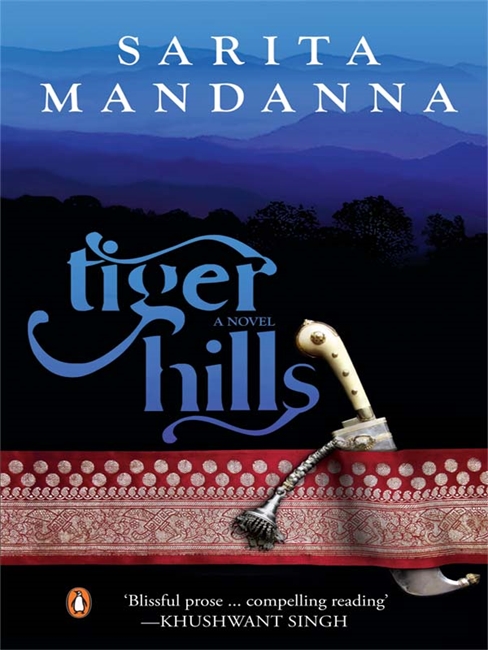
‘Devi stared through the window into the clear, starlit night. Beneath the blanket, her firsts were curled into little balls, her nails pressing into the skin. She thought again of The tiger wedding, and of the bridegroom.”Only him,” she repeated to herself. “I will marry only Machu.”‘ Coorg, 1878. Devi is born on the day of the herons, and Muthavva knows that her daughter will be special. Beautiful and spirited, the little girl quickly becomes the object of adoration of her entire family. When Devi meets Machu the tiger-killer, a hunter of great repute and a man of immense honour and pride, she falls passionately in love and vows to marry him. But a catastrophic twist of fate changes their lives forever and has consequences that affect generations to come.
Rich with powerfully realized characters and intensely vivid imagery, Sarita Mandanna weaves an unforgettable story in this lush and sweeping saga.
Pick up an alien’s egg go crocodile hunting; run with a gang of pickpockets get lost in a magical maze. All this and more in these stories of adventure, humour and imagination.Oliver Twist leaves behind his gang of criminals for a better life an open window is just what a fertile mind needs in Saki’s ‘The Open Window’ Satyajit Ray’s Badan Babu has a brush with a Pterodactyl’s egg Rabindranath Tagore recollects boyhood days spent dreaming in an abandoned palanquin; and Sherlock Holmes sets off to solve the mystery of the engineer’s thumb.
Featuring the works of such renowned authors as Charles Dickens, Louisa May Alcott, Premchand, Mark Twain and others, and a lively introduction by well-known children’s author Paro Anand, The Puffin Book of Classic Stories for Boys is a matchless collection from the masters of world literature for boys of all ages.

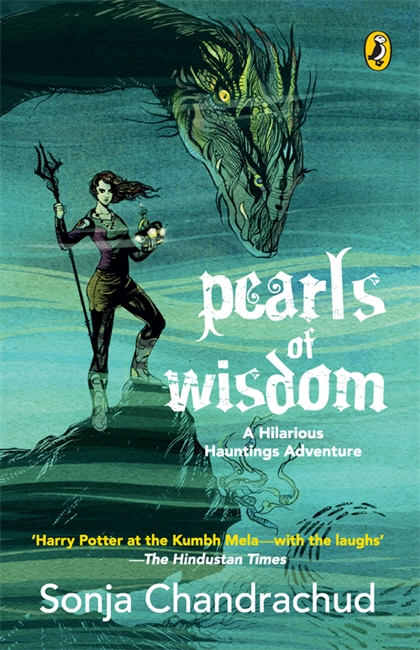
‘Pete and Koral were precariously poised on the Edge of the Ledge, a thin sliver of rock face that jutted out over the raging seas below. ‘Till death do us part!’ thundered the Ancient One and pushed the teen wizards over the edge, into the eye of a raging whirlpool…’
The Pearls of Wisdom bestow great powers on the ruler of the water world. But they have been snitched! The dreaded Black Magi have stolen them from right under top-notch Secret Service vampire agent Count Drunkula’s nose. The Count now faces execution for treason, and the only one who can save him and restore order in the water world is his daughter Koral.
Deep in the Sea of Secrets Koral is up against creatures from an underwater nightmare-Va Suki the thousand-headed serpent; Kraus Kraken, the turncoat Commander of the Seas; and the deadliest of them all-a new Black Magi leader on the hunt for virgin souls… Will Koral be able to return with the pearls, or will she lose something more precious than her life?
Visit http://www.sonjachandrachud.com/ for more…

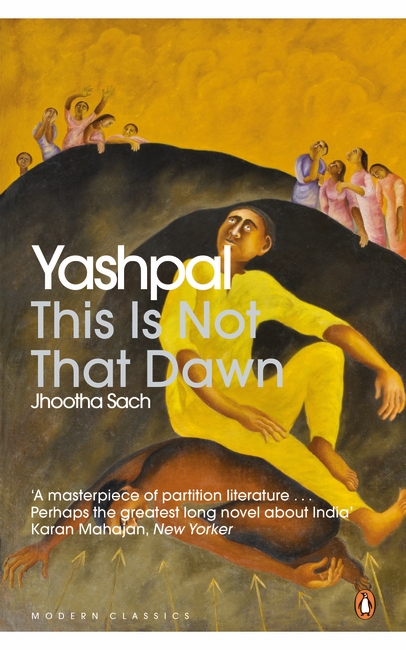
Jhootha Sach is arguably the most outstanding piece of Hindi literature written about the Partiton. Reviving life in Lahore as it was before 1947, the book opens on a nostalgic note, with vivid descriptions of the people that lived in the city’s streets and lanes like Bhola Pandhe Ki Gali: Tara, who wanted an education above marriage; Puri, whose ideology and principles often came in the way of his impoverished circumstances; Asad, who was ready to sacrifice his love for the sake of communal harmony. Their lives-and those of other memorable characters-are forever altered as the carnage that ensues on the eve of Independence shatters the beauty and peace of the land, killing millions of Hindus and Muslims, and forcing others to leave their homes forever. Published in English translation for the first time, Yashpal’s controversial novel is a politically charged, powerful tale of human suffering.