



Yakada Yaka is the second part of the Burgher trilogy that began with The Jam Fruit Tree When the conquering British roll out the first railway steam-driven locomotive in Sri Lanka, it causes quite a stir. The smoke-spewing, banshee-wailing, fearsome black thing hisses like a thousand cobras… and the villagers declare that this Thing is an Iron Demon-a yakada yaka. The Burghers who drive these Iron Demons have a penchant for challenging authority and courting trouble, sometimes just to liven things up in the railway outposts… and so it is that Sonnaboy and Meerwald chase a large group of villagers all across Anuradhapura, mother-naked but not much bothered by it, Ben Godlieb conjures up a corpse in his cowcatcher, Dickie Byrd single-handedly demolishes a Pentecostal Mission and is hailed as the messiah of the Railway fraternity, and Basil Van der Smaght filches a human heart and feeds it to the Nawalapitiya railway staff …and to cap it all, Sonnaboy takes French Leave to act in The Bridge on the River Kwai! ‘(Muller) tells his tale with a gentle humour often bordering on tenderness, but couched in the vigorous rugged localese. Almost immediately we find ourselves empathizing with Muller’s roistering band that sins and prays with equal zest.’ -Business Standard ‘… The Burghers …believed in living life to the hilt. Every situation occasioned wild revels, and there was nothing that could not be solved through a brawl.’ -India Today.
Archives: Books
Understanding The Muslim Mind
A fascinating account of the Muslims in twentieth-century India, Pakistan and Bangladesh through his biographical sketches of eight prominent Muslims- Sayyid Ahmed Khan (1817-1898), Fazlul Haq (1873-1962), Muhammad Ali Jinnah (1876-1948), Muhammad Iqbal (1876-1938), Muhammad Ali (1878-1931), Abul Kalam Azad (1888-1958), Liaqat Ali Khan (1895-1951) and Zakir Hussain (1897-1969) Rajmohan Gandhi, the grandson of Mahatma Gandhi, provides a deeply insightful and comprehensive picture of the community in the subcontinent today.
The Jam Fruit Tree
Winner of the Gratiean Memorial Prize for the best work in English Literature by a Sri Lankan for 1993 Hilarious, affectionate, candid and moving, this is the story of the Burghers of Sri Lanka . . . Who are the Burghers? Descended from the Dutch, the Portuguese, the British and other foreigners who arrived in the island-nation of Sri Lanka (and ‘mingled’ with the local inhabitants), the Burghers often stand out because of their curiously mixed features-grey eyes in an otherwise Dravid face, for instance. A handsome and guileless people, the Burghers have always lived it up, forever willing to ‘put a party’. Carl Muller, a Burgher himself, writes in this quasi-fictional, engaging biography of the lives of his people; they emerge, at the end of his story, as a race of fun-loving, hardy people, much like the jam fruit tree which simply refuses to be contained or destroyed.
Laugh With Laxman
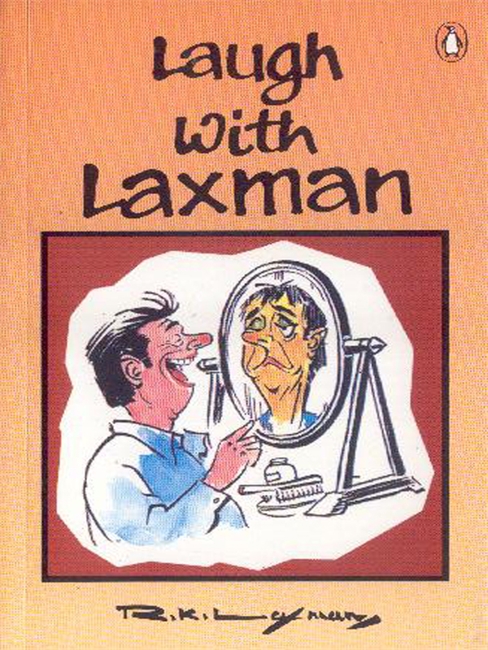
The author is best known for his common man cartoons, and has created cartoons as a world that even the ubiquitous common man is not privy to. It is here that Laxman’s sense of parody and satire find some of their finest expressions. A selection of these rare and masterly cartoons which comment caustically on our social and political character were together in the first volume of ‘Laugh with Laxman’, and proved to be immensely popular. This is the second volume in the series replete with timeless gems that continue to amuse.
Indian Tales
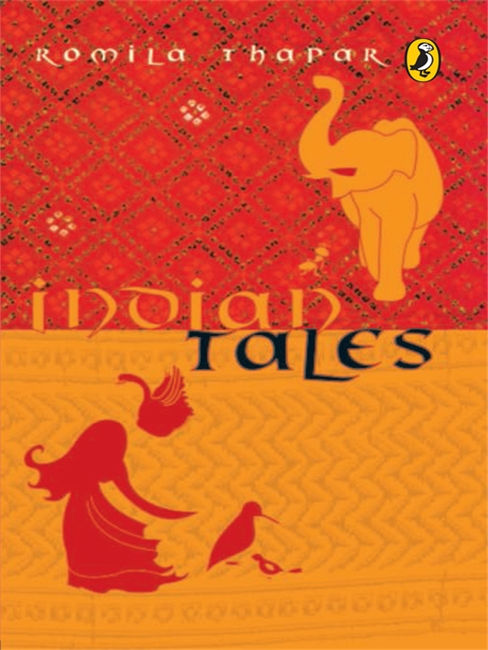
The 16 stories in this collection of Indian heroes and heroines, their adventures, misfortunes and triumphs, of gods and demons and of animals, have been told to generations of children over the years.
Fish Cookbook
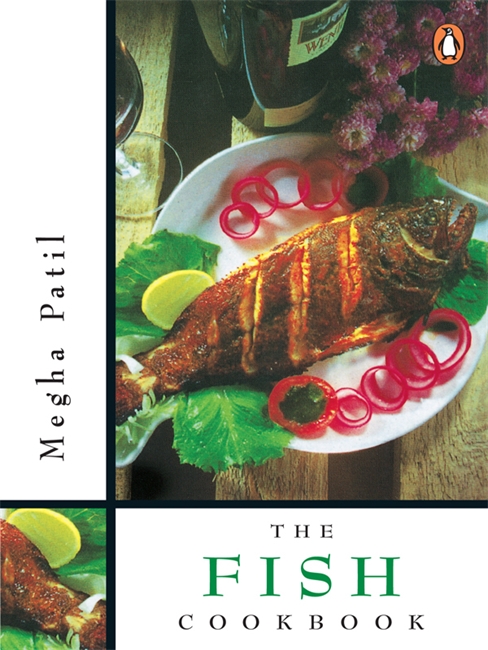
An exciting journey through India’s coastal regions for lovers of seafood… In this book, Megha Patil brings together a collection of exotic and delectable recipes which will appeal to every kind of cook-from the novice to the gourmet-and which bring out the versatility of fish. The wide variety of recipes range from quick pan-fires and unusual snacks to luscious pulaos and scrumptious speciality seafood dishes. Though Patil’s focus is on the rich tradition of seafood on the west coast, especially Maharashtra, there are also recipes from the south, east and north-east, as well as traditional Parsi and Goan dishes. Among the hundred-odd recipes are: Shellfish and tomatoes pulao, Fish-head tamarind curry, Prawns with mango slivers, sunny eggs on oysters, Crab in coconut cream, Fried spiced lampreys, Poached pomfret in feni, Goa fish curry, squid dry masala and Steamed hilsa with mustard
Blasphemy
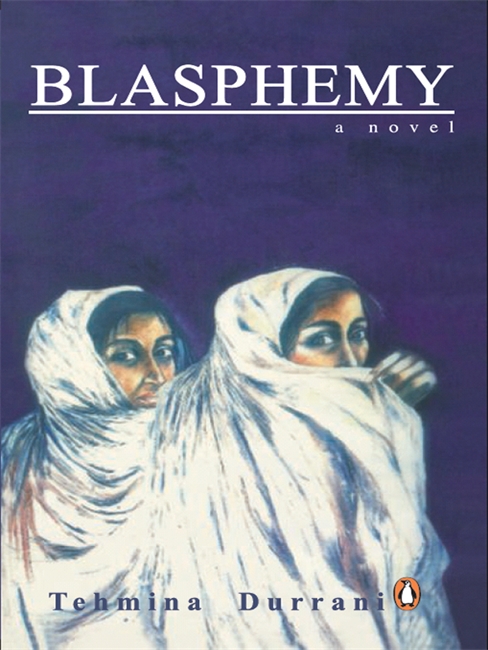
Set in South Pakistan, this controversial novel is a searing study of evil. It is the tragic and shocking story of the beautiful Heer, brutalized and corrupted by Pir Sain, the so-called man of God whom she is married to at the age of fifteen.
Aruna’s Story
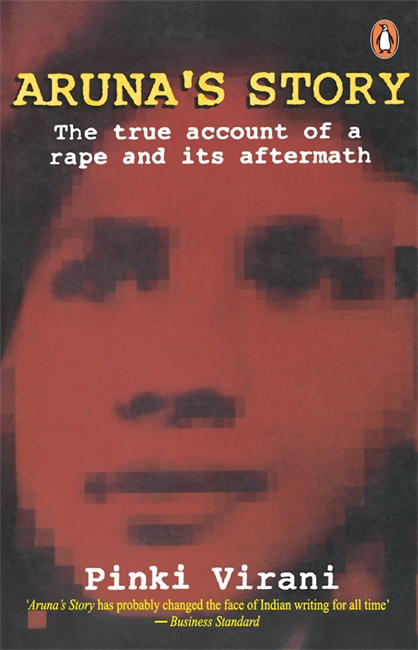
A remarkable work of investigative reporting and non-fiction writing in the tradition of Truman Capote’s In Cold Blood.Journalist Pinki Virani recreates the real-life tragedy of Aruna’s Stories Shanbaug, who was attacked with a dog chain and brutally raped in the very hospital where she was a nurse, and abandoned by her family thereafter.Brain-dead for sight, speech and movement, yet hopelessly alive to pain, hunger and terror, she now lies, barely alive, in the hospital where she once treated patients back to health. Virani’s investigations also unearthed the crowning tragedy: while Aruna has been in coma for over twenty-five years, her rapist, a sweeper in the hospital, walked a free man after a mere seven years in prison for robbery and attempt to murder.Vivid and gut-wrenching, this is a book that will haunt the reader long after the final page has been turned.
The Big Fat Joke Book

Ribald, rib-tickling and outrageous, Khushwant Singh’s inimitable brand of humour has made him a legend in his own lifetime. This volume brings together the funniest and most memorable selections from his enormous repertoire, including some of the wackiest jokes ever cracked about sex, God and politics.
Selected Poems

The poems of Rabindranath Tagore are among the most haunting and tender in Indian and world literature, expressing a profound and passionate human yearning. His ceaselessly inventive works deal with such subjects as the interplay between God and mortals, the eternal and the transient, and the paradox of an endlessly changing universe that is in tune with unchanging harmonies. Poems such as “Earth” and “In the Eyes of a Peacock” present a picture of natural processes unaffected by human concerns, while others, as in “Recovery14,” convey the poet’s bewilderment about his place in the world. And exuberant works such as “New Rain” and “Grandfather’s Holiday” describe Tagore’s sheer joy at the glories of nature or simply in watching a grandchild play.