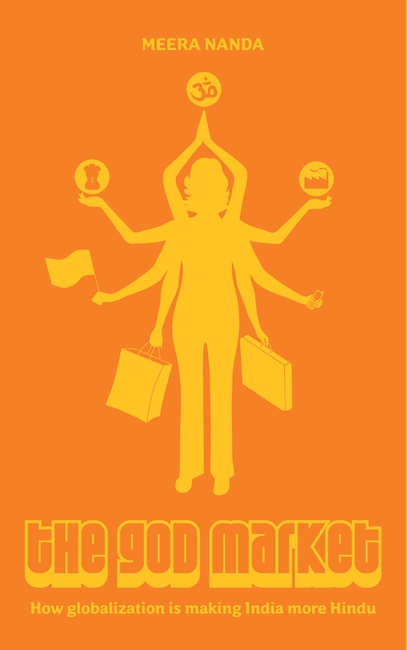
As India’s economy has liberalized, so too has it become Hinduized.
Middle-class Indians are becoming actively religious as they are becoming prosperous. The last decade has seen the proliferation of powerful new god-men, a massive rise in temple rituals, the creation of new gods, and the increased demand for priests. Hinduism has entered public life as well with politicians regularly using pujas and yajnas in their campaigning.
The state is enabling this Hinduization with the help of the private sector. From actively promoting religious tourism, to handing over higher education to private sector institutions, some of whom use religious trusts to run these institutions and impart ‘value-based’ education, to giving away land at highly subsidized rates to gurus and god-men, many of the privatization measures of the government are linked with the promotion of Hinduism.
Why has this happened? What does it mean? And does this spell the death of Indian secularism? In this eye-opening book, Meera Nanda looks at the rise of popular Hinduism and uncovers, for the first time, the nexus between the state, temple and corporate India, and the ugly truth behind India’s leap into globalization and economic reforms. She argues that india is creating its own, insidious form of fundamentalism, one that can lead the country into grave danger.
Hard-hitting and controversial, full of fascinating facts, The God Market is essential reading for all citizens.

Can eating make you look good?
Yes, it’s true. Diet provides nutrition but also makes you look beautiful by helping you lose weight, getting a proportionate body, making your skin glow and your hair and eyes shine. In The Beauty Diet, celebrity dietician Shonali Sabherwal, whose clients include Katrina Kaif, Neha Dhupia, Esha Deol, Hema Malini, Jacqueline Fernandez, Chitrangada Singh, Shekhar Kapur, and Kabir Bedi, among others, offers easy-to-follow and tried-and-tested diet advice for women of all ages to look younger and more stunning. She shows you how to:
• do a basic detox to cleanse the body
• make your skin glow, your hair shine, and your teeth healthy
• tuck that rebellious tummy in
• get rid of fat thighs and flabby arms
• eat to look younger
• change your mood with the right food
With diet charts, recipes, cooking techniques, illustrations, real-life stories, and celeb experiences, The Beauty Diet redefines the purpose and formulas of eating. So get ready to welcome the fab new you!

The 10 Laws of Learning by acclaimed educationalist Steven Rudolph is just the book you need. In ten steps, Rudolph teaches you how to help your child excel in life. Not only that, now you can train your children out of problem behaviours—watching too much TV, not doing homework on time, disobeying parents in public, using foul language, not eating properly and much more. Peppered with relevant examples and keen insight, it is the perfect guide to create a superior learning environment for our child. Now parents, teachers, principals as well as children themselves don’t need to look far. Just follow the magic mantra, The 10 Laws of Learning and experience the difference.

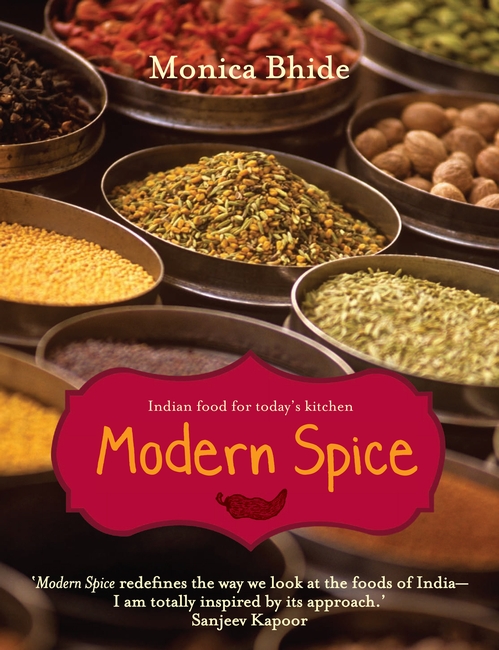
Guava Bellini. Lamb chops with a fennel and coriander crust. Masala pop corn. Crab tikkis. Chicken in mint and ginger. Tamarind margarita. Tomato and basil pulao. Spicy fig yoghurt. Pan-seared eggplant with ginger and honey. Curried carrot soup with paneer. Pista-mirch-dhaniya spread. Lychee phirnis. Achari chicken salad. Mango and champagne granita.
Modern Spice teaches you how to cook Indian food for today’s kitchen, giving you recipes that are quick to make, short on ingredients, and full of global influences. Try an Indian inspired cocktail; soups and salads using masalas; Indian-style stir fries, and fantastic spice combinations for meat dishes. Whether it’s for a quick meal or a stylish party, here are recipes bursting with flavour and originality. Full of passion and mouthwatering ideas, Modern Spice is the most fun you’ll ever
have in your kitchen.

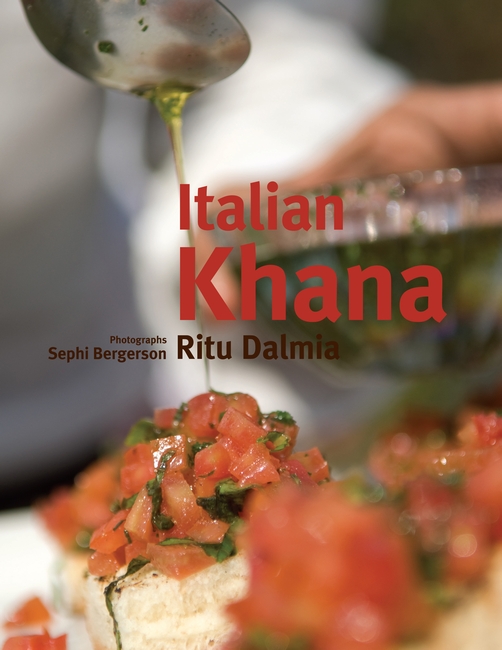
Want to cook Italian food but terrified by the complicated recipes? Exasperated because you can’t find the right ingredients? Wish you could eat chilli with your pasta?
Ritu Dalmia, chef and owner of Diva, Delhi’s most beloved Italian restaurant, teaches you how to cook authentic, delicious Italian food in your kitchen that will have you begging for more. She tells you how and what to cook, from show-off dinner parties to a romantic supper à deux, from sharing your table with friends to cosying up on the sofa watching TV. Ritu writes of how regions in Italy differ in their cooking style, what wine to pair with what food, how to adapt Indian ingredients to Italian cooking, and also provides an updated list of suppliers in all the metros. Stylishly designed, with stunning photography, Italian Khana will be your guru and best friend in the kitchen.

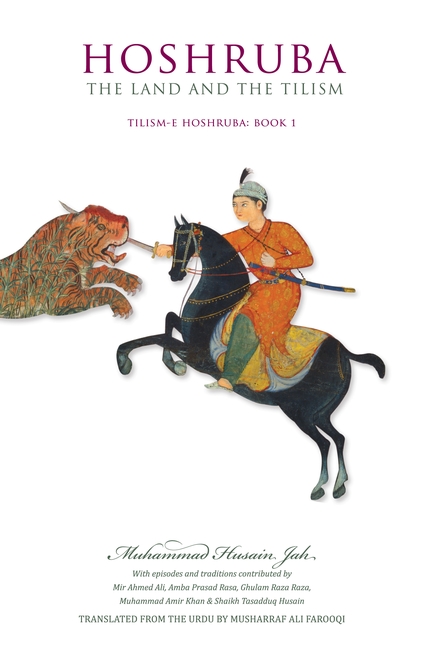
In late nineteenth century Lucknow, two rival story-tellers, Syed Muhammad Husain Jah and Ahmed Husain Qamar, wrote a fantasy in the Urdu language whose equal had not been heard before, and which has never been rivalled since. It was called Tilism-e Hoshruba. The writers claimed that the tale had been passed down to them from story-tellers going back centuries: it was a part of the beloved oral epic, The Adventures of Amir Hamza which had come to the Indian subcontinent via Persia and had gained in popularity during the reign of Akbar, the Mughal emperor.
The Tilism-e-Hoshruba is the subcontinent’s first wholly indigenous Indo-Islamic fantasy epic. It tells the stories of Amir Hamza’s military forces, his grandson and his loyal band of tricksters (masters of wit and disguise) as they go to war with Afrasiyab, the sorcerer who rules the magical land of Hoshruba. Fantasy, the occult, adventure and romance play themselves out in a typically Indian setting as wizards, sorceresses, tricksters and royalty pitch themselves into the battle for Hoshruba. The characters of the epic are marvels of literary creation, and are much more colourful and dashing than those of the Amir Hamza cycle of tales.
The Tilism-e Hoshruba runs to twenty four volumes and will be translated into English for the first time ever by Musharraf Ali Farooqi, the acclaimed translator of The Adventures of Amir Hamza. Random House India will publish all the volumes starting with Hoshruba: The Land and the Tilism, i.e. Book 1 of the series.

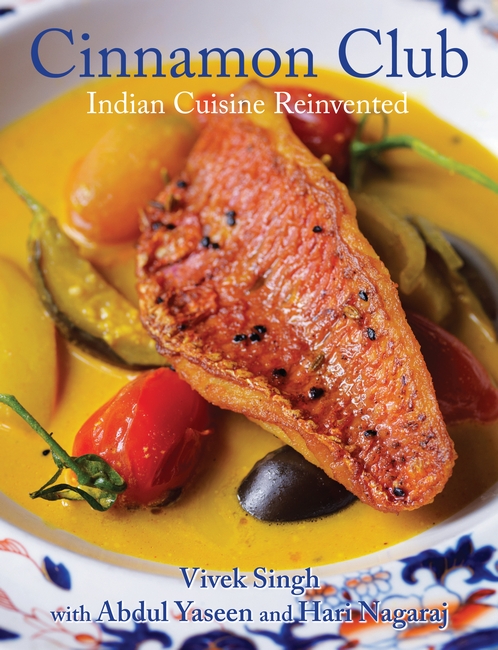
Here is food that is refined, inventive, and full of startling flavours: sandalwood infused tandoori chicken breast, king prawns with saffron almond sauce, clove smoked roast rump of lamb with corn, asparagus, curried avocado and beetroot salad, Hyderabadi style aubergine steaks with coconut rice, roganjosh pie, pan seared Kolkata betki with bottle gourd stir fry and fenugreek sauce, steamed mango idlis with wild berry sorbet, saffron poached pear with cinnamon ice cream.
A fresh, glamourous, and utterly creative approach, Cinnamon Club blends western techniques and presentation with the best of traditional Indian cuisine. Beautifully designed and photographed, it will become an instant classic and a book that will inspire many extraordinary meals.

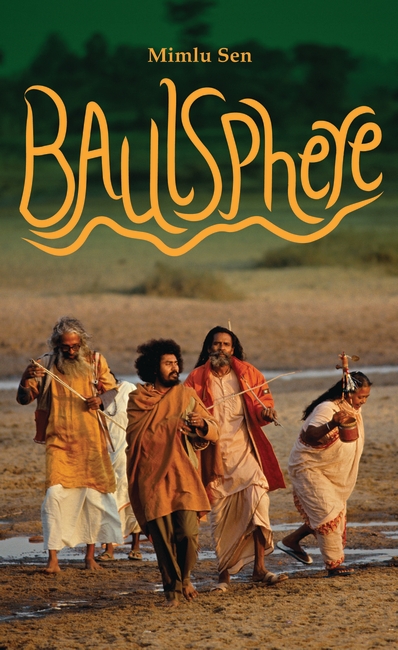
Freewheeling Mimlu Sen lives in Paris, where one day she witnesses an electrifying performance by three Bauls, mystic minstrels from Bengal, who spin like pillars of dust. Their music inspires her to return to Calcutta, and to go on an extraordinary journey with one of them, Paban Das Baul, from her respectable home in the city to his humble village, and further on, into the verdant Bengali countryside that is their common heritage.
Paban takes Mimlu through the itinerant Baul’s route—from the festival at Kenduli with its marathon performances, to tranquil Shantiniketan, where Bauls frequently stop en route and disrupt quotidian life; Agrodwip, deep in the Vaishnava world, to Nabasana, where mesmerizing guru Hari Goshain presides over Baul games and ultimately, her initiation; and to Boral, where she holds her own big Baul festival, a mahatsava. Along the way, she encounters tantrics and tribals, exorcisms and witch sightings, catfish that climb trees and esoteric sexo-yogic secrets—and she falls in love.
Baulsphere takes you into the heart of rural Bengal, and into the fascinating world of the Bauls. Passionate, enthralling and searingly lyrical, it is a stunning book.

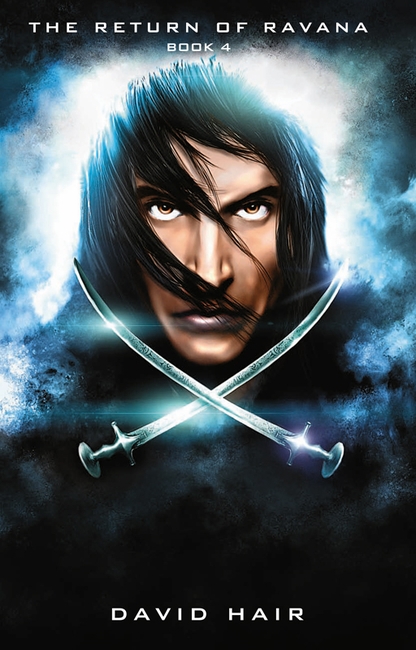
For four teenagers, the Ramayana is not just a tale. It is their fate!
In every life they have ever lived, Vikram, Amanjit, Rasita and Deepika have been persecuted and killed by Ravindra, who aspires to the throne of Ravana the Demon-King.
Now Rasita is a captive of Ravindra, and demonic beings thought to be mythical are rallying to him. His triumph seems inevitable. Vikram and Amanjit must rescue her. This time, failure is not an option. This time, if Ravindra wins, it will be forever.
But slowly, pieces are falling into place. Why are they reliving the Ramayana? Who was Ravana? Where is the real Lanka? Age-old mysteries are uncovered and forgotten powers regained, as the quest to end the tyranny of Ravindra moves towards a finale that is as startling as it is electrifying.

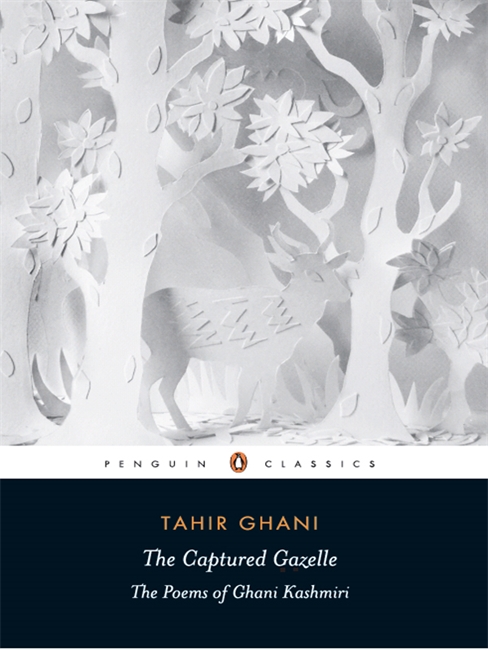
Every moment it seeks to slip from the mind’s nook
Fresh poetic meaning is a gazelle to be captured
The Captured Gazelle is an elegant and lucent translation of the poems of the seventeenth-century Persian poet Mulla Tahir Ghani, better known as Ghani Kashmiri. Eulogized by poets such as Mir and Iqbal, Ghani is an outstanding representative of sabk-e-Hindi or the ‘Indian style’ in Persian poetry, which became a hallmark of the Mughal-Safavid literary culture.
The introduction situates Ghani against his unique background in which Iranian and Indian poetic cultures came together to create a glorious literary age in Kashmir, while the translations capture Ghani in his wide spectrum of moods-satirical, playful, self-pitying, pessimistic, mystically resigned-bringing alive his wit and ingenuity in a modern idiom without losing hold on the tone.