



Mahesh Dattani Is India S Best-Known Playwright And The First Indian Playwright Writing In English To Have Won The Sahitya Akademi Award. Collected Plays: Volume Ii Showcases Dattani S Talent As A Writer And Director And His Wide Thematic And Stylistic Range.
The Ten Plays In This Volume Include 30 Days In September, Performed Extensively In India And Abroad To Commercial Success And Critical Acclaim, The Radio Plays Aired On Bbc Radio And The Screen Plays Of Mango Soufflé (Winner Of The Best Motion Picture Award At The Barcelona Film Festival), Dance Like A Man (Winner Of The Best Picture In English Awarded By The National Panorama), And Morning Raga, Premiered At The Cairo Film Festival And Winner Of The Award For Best Artistic Contribution, That Established Dattani As The New Voice Of Contemporary Indian Cinema.
With A General Introduction By Jeremy Mortimer Of Bbc Radio And Introductions To Individual Plays By Actors Like Lillete Dubey And Shabana Azmi, The Plays In This Collection Provide Fascinating Insights Into The Human Psyche And Reveal Just How Caught Up We Are In The Complications And Contradictions Of Our Values And Assumptions.
Archives: Books
Seven Summers

Seven Summers, first drafted when Mulk Raj anand was a student at London University but not published till 1951, recreates teh events and feelings of the first seven years of the writer’s life, or what he called his ‘half unconcious and half conscious childhood’. first of the seven volumes of autobiographical fiction that Anand conceptualized but never completed, this book is full of memorable scenes and people observed through the eyes of a child. the most impressive of them all being the Coronation Durbar in Delhi to which our young hero is smuggled wrapped in a blanket so that the Sahibs might not object to the presence of ‘so discordant an element into so gorgeous a ceremony’. this edition of Seven Summers is a special reissue of the classic autobiography to commemorate Anand’s birth centenary.
Bastions of The Believers
A reasoned, objective examination of the role of madrasas The emergence of radical Islamist movements in various parts of the world, the rise and fall of the Taliban in Afghanistan, the 9/11 attacks, widespread vilification spearheaded by Hindutva groups”all these and more have made madrasas a much talked about institution. Focussing on the madrasas of India, Bastions of the Believers seeks to critically interrogate sensationalist and stereotypical images of the madrasas by highlighting their diversity and the complex social roles that they play in the lives of many Muslims. Madrasas, as a rule, represent a conservative form of theology and jurisprudence that is, in many ways, ill-suited to a modern, pluralistic society. Much of what is taught in madrasas is outdated and unscientific (the Deoband madrasa, for instance, still insists that the sun revolves around the earth, and it has special seating arrangements for invisible jinns). Yet, obscurantism need not necessarily lead to militancy and hostility against others. For instance, in the decades leading to India’s independence, the Deobandis, representing an extreme form of religious conservatism, insisted on Hindu—Muslim amity and a joint struggle for a free and united India. It is this integrated view of madrasas and a more liberal and open understanding of Islam, and indeed of all faiths, which Yoginder Sikand seeks to promote”for he believes this is one of the principal duties confronting committed believers if we have to learn to live together despite our differences. Bastions of the Believers covers a wide range of thought-provoking issues”from the origins and develoent of the institution to critiques of madrasa curricula and the alleged links between madrasas and Islamist militancy”making this a must-read for all those interested in creating and preserving a just social order.
Shaping Of Modern Gujarat
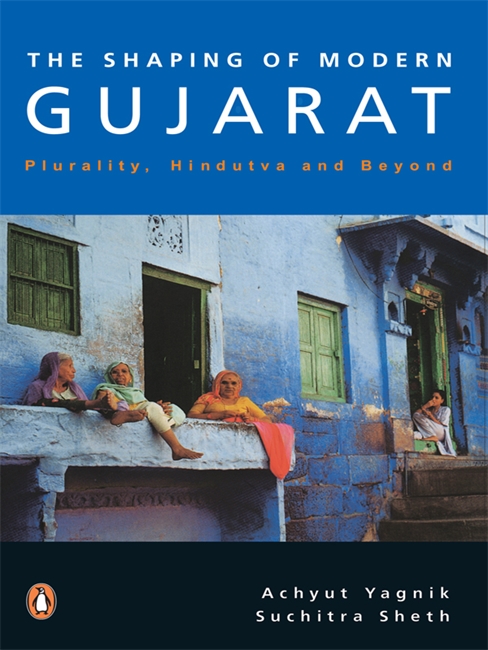
Looking at the 19th and 20th centuries, and drawing on scholarly sources, this book traces the history of Gujurat from the time of the Indus Valley civilization, where Gujarati society came to be a synthesis of diverse cultures, to the state’s encounters with the Turks, Marathas and the Portuguese.
Tagore Omnibus Volume 1
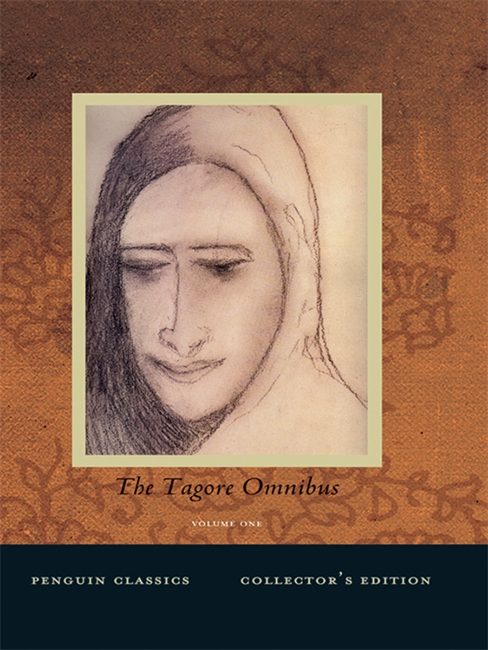
Awarded the Nobel Prize for Literature in 1913, Rabindranath Tagore was India’s leading litterateur of the early twentieth century. Tagore was one of the country’s pioneering novelists, keen to experiment with form and bold in his choice of subjects. His novels are remembered for their innovative narrative structures, profound insights into human relationships, and evocatively lyrical language. This collector’s edition of Rabindranath Tagore’s novels in English translation brings together the writer’s best-known novels in two omnibus volumes. The first volume features three novels—Chokher Bali, Ghare Baire and Yogayog—and two novellas: Chaturanga and Malancha.
Chokher Bali (A Grain of Sand) is a classic exposition of an extramarital affair that takes place within the confines of a joint family. Asha, the simple, demure wife of the rich, flamboyant Mahendra, befriends Binodini, a vivacious young widow who comes to live with them; but both Mahendra and Binodini betray Asha’s trust and elope, leaving the marriage in ruins.
Set against the backdrop of the Partition of Bengal by the British in 1905, Ghare Baire (Home and the World) is also the tale of a triangular relationship: between the liberal-minded zamindar Nikhilesh, his educated and sensitive wife Bimala, and Sandip, Nikhilesh’s friend, a charismatic revolutionary who Bimala becomes attracted to.
Chaturanga (Quartet) traces the philosophical and emotional developments between Sachish, a brilliant young atheist who turns ascetic after the untimely death of his mentor, his friend Sribilash, and Damini, a young widow sheltered by the guru Lilananda, who Sachish and Sribilash become devotees of.
Set in the historical context of the decline of the landed aristocracy in Bengal and the emergence of the entrepreneur class, Yogayog (Nexus) is the tale of Kumudini, the daughter of a cultured family that has fallen on bad times, who is torn between her loyalties to Madhusudan, her crass and self-serving husband, and Bipradas, her artistic and compassionate brother, as she struggles desperately to find an identity for herself.
Finally, Malancha (The Garden) features the loving but childless couple Aditya and Neerja whose calm domestic world is shattered when Neerja is struck down by illness and suspects Sarala, Aditya’s childhood friend, of usurping her place both in Aditya’s heart and in their beloved garden.
Written in Tagore’s inimitable style and full of surprising turns of plot and unforgettable studies of the human psyche, each of these novels, available here in modern, lucid translations, will delight all lovers of classic fiction.
Hitopadesa
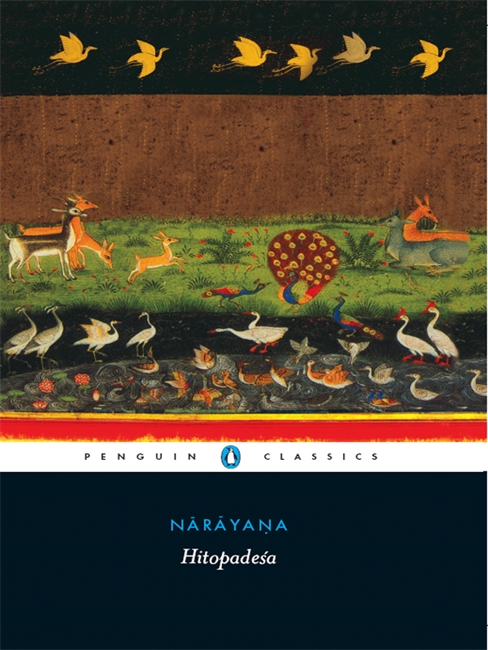
The ever-popular Book of Good Counsels from ancient India. One of the best-known Sanskrit classics, Narayana’s Hitopadesa is a fascinating collection of animal and human fables augmented with polished verse epigrams and gnomic stanzas, many of which have become proverbial. This satirical, often irreverent and sometimes ribald text has been popular for centuries as a compendium of worldly advice on matters ranging from statesmanship and detailed battle plans to personal conduct and marital fidelity. It has also served generations of students as a model of grammatical and metaphorical excellence. In this ‘Garden of Pleasing Stories’, as Narayan himself describes it, birds, beasts, men and women scheme, suffer, lust, err, grieve and rejoice, acting as perceptive social critics and astute commentators on the absurd nature of human folly. Combining his own literary genius with skilful selections and modifications of material from the Panchatantra and a host of other traditional sources, Narayan has created a refreshingly original masterpiece. This excellent new translation faithfully renders the wit and wisdom of the original.
Loom Of Time
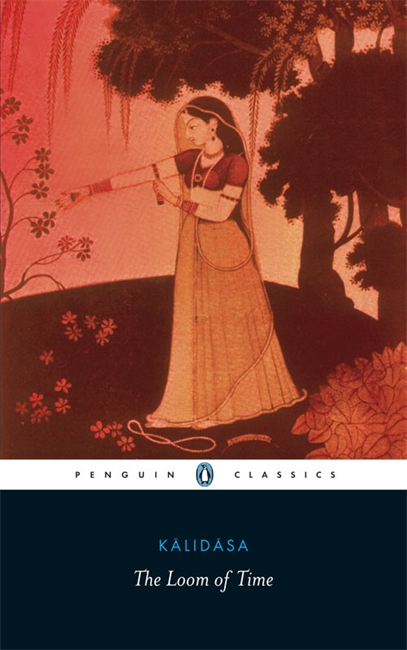
Kalidasa is the greatest poet and playwright in classical Sanskrit literature and one of the greatest in world literature. Kalidasa is said to have lived and composed his work at the close of the first millennium BC though his dates have not been conclusively established. In all, seven of his works have survived: three plays, three long poems and an incomplete epic. Of these, this volume offers, in a brilliant new translation, his two most famous works, the play Sakuntala, a beautiful blend of romance and fairy tale with elements of comedy; and Meghadutam (The Cloud Messenger), the many-layered poem of longing and separation. Also included is Rtusamharam (The Gathering of the Seasons), a much-neglected poem that celebrates the fulfillment of love and deserves to be known better. Taken together, these works provide a window to the remarkable world and work of a poet of whom it was said: Once, when poets were counted, Kalidasa occupied the little finger; the ring finger remains unnamed true to its name; for his second has not been found
City Of Sin And Splendour
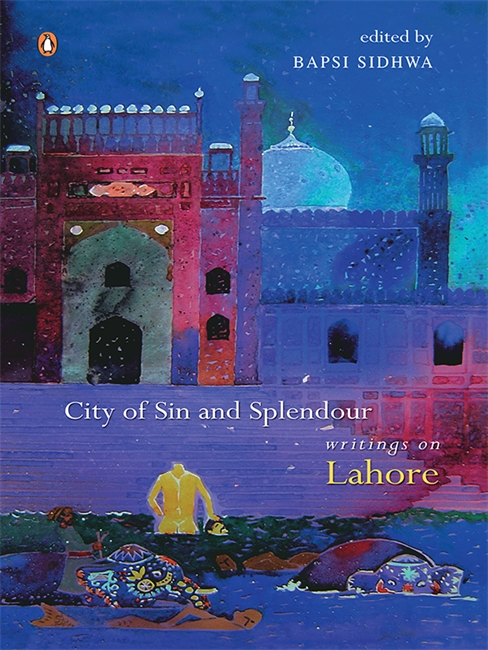
The ancient whore, the handmaiden of dimly remembered Hindu kings, the courtesan of Mughal emperors’, the ‘Paris of the East’, Lahore is more than the grandeur of Mughal forts and gardens, mosques and mausoleums; the jewel colours of everlasting spring. It is also the city of poets, the city of love, longing, sin and splendour.
This anthology brings together verse and prose: essays, stories, chronicles and profiles by people who have shared a relationship with Lahore. From the mystical poems of Madho Lal Hussain and Bulleh Shah to Iqbal’s ode and Faiz’s lament, from Maclagan and Aijazuddin’s historical treatises and Kipling’s ‘chronicles’ to Samina Quraeshi’s intricate portraits of the Old City and Irfan Husain’s delightful account of Lahori cuisine, City of Sin and Splendour is a marriage of the sacred and profane.
While Pran Nevile paints a vivid sketch of Lahore’s Hira Mandi, Shahnaz Kureshy brings alive the legend of Anarkali and Khalid Hasan pays a tribute to the late ‘melody queen’ Nur Jehan. Mohsin Hamid’s essay on exile, Bina Shah’s account of the Karachi vs Lahore debate and Emma Duncan’s piece on elections are essential to the understanding of modern-day Lahore.
But the city is also about Lahore remembered. Ved Mehta and Krishen Khanna write about ‘going back’ as Khushwant Singh writes about his pre-Partition years in Lahore. Sara Suleri’s memories of her hometown, the landscapes of Bapsi Sidhwa’s fiction, Khaled Ahmed’s homage to Intezar Hussain and Urvashi Butalia’s Ranamama are tributes to memory as much as they are tributes to remarkable lives and unforgettable places.
Including fiction old and new—from Manto and Chughtai to Ashfaq Ahmed and Zulfikar Ghose; Saad Ashraf and Sorayya Khan to Mohsin Hamid and Rukhsana Ahmad, City of Sin and Splendour is a sumptuous collection that reflects the city it celebrates.
Wine Wisdom
In Wine Wisdom, certified sommelier Magandeep Singh takes wine off the snob table and puts it in a handy brown bag for all to relish.
With the irrepressible passion he reserves for his favourite beverage, Magan leads you through the simple methods of classifying wine to the intricate process of tasting it (complete with instructions on what to say, when to say it and when to simply raise your eyebrows and keep your lips sealed). He demystifies wine labels and restaurant wine lists, gives practical tips on ordering the perfect wine for a magical evening (together with a phonetic guide to pronouncing the names so you can impress your guests), and advises you on the best way to uncork a bottle without causing any unfortunate spills.
This indispensable book also includes:
the history of wine drinking and changing trends in India and across the world
a comprehensive list of the major wine brands currently available in India, as well as the ones to look out for if you’re shopping abroad
the basic rules of serving wine-temperatures, glassware and perfect pairings of Indian cuisine and wine-and storing it
a reference list of wine-related terms and their definitions
Quirky anecdotes, essential facts and figures and invaluable advice-Wine Wisdom packs in all you need, whether you’re a wine lover, or want, simply, to be party-trained.
Bhagavad Gita
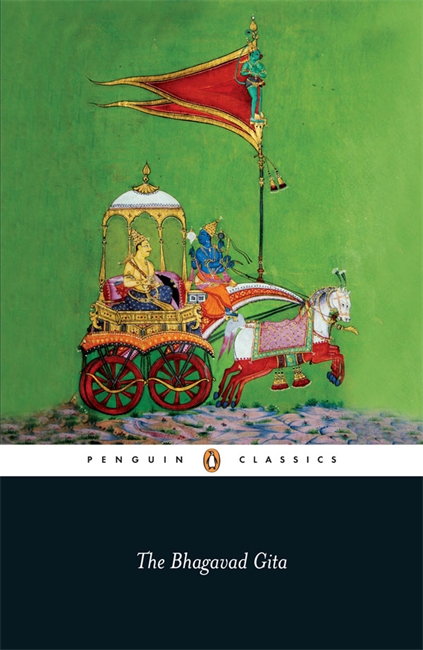
A masterful translation of the Bhagavad Gita, along with the Sanskrit original. A faithful rendition of the 2000 year old Song Celestial, Bibek Debroys translation resonates with the spirit of the original while using modern idiom and language. He captures, verse by verse, the essence of this ancient philosophical poem which debates eternal questions of right and wrong, action and consequence, and the conflicting nature of duty and love. The text stands by itself, complete and without interpolation, juxtaposed with the Sanskrit for easy reference, interpretation and explanation are tucked away as notes at the end. Authentic and readily accessible to the scholar and the non initiate, this edition of the Gita is essential reading for anybody who wishes to grasp the core of Indian philosophy and religion.