‘I see God in every human being. When I wash the leper’s wounds, I feel I am nursing the Lord himself. Is it not a beautiful experience?’ —Mother Teresa
Born in a country far from the city which she would make her home, Agnes Gonxha Bojaxhiu dreamt of coming to Calcutta to serve the poorest of the poor. Two decades later, she single-handedly started the Missionaries of Charity, an organization which has today come to embody the values of compassion and care in a PBI – World of suffering. Mother Teresa won the Nobel Peace Prize and has been beatified by Pope John Paul II. But it is not for this that she is remembered. It is for her love and dedicated work which transformed millions of lives—abandoned children, those afflicted with leprosy, the destitute and the dying—that Mother Teresa is already a saint in the hearts of people in PBI – India and abroad.
In this touching biography, Rukmini Chawla, who has been associated with Mother Teresa and the Missionaries of Charity from an early age, provides an intimate insight into a truly extraordinary life, and looks at how the amazing institution she founded continues her work.
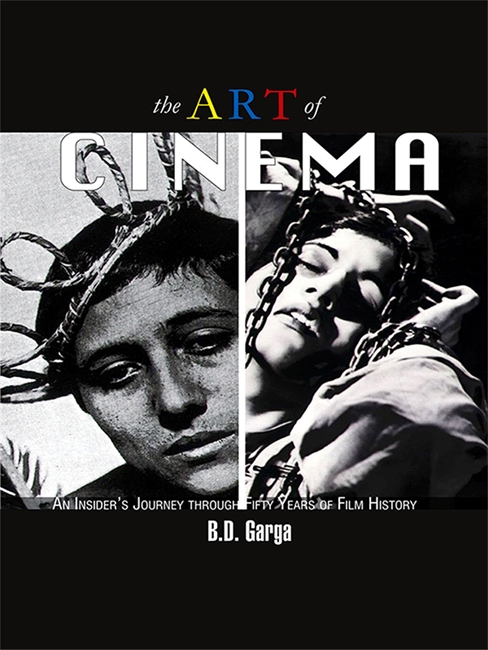
As a film-maker and film historian, B.D. Garga has closely witnessed and participated in the growth of Indian cinema from the early 1940s. With more than fifty years’ experience as a film journalist, and having served on various national and international film festival juries, he is probably India’s foremost authority on the subject of cinema.
In this extraordinary collection of essays, Garga delves into the vast repertoire of his scholarship and experience to provide an insider’s view of Indian and international cinema over the years. Even as he discusses the contribution of men behind the screen—the director, editor, cinematographer—he profiles some of the greatest masters of Indian cinema, like Himansu Rai and P.C. Barua, Bimal Roy and Raj Kapoor, while critically analysing some classic films from the golden era of cinema in India—Devdas (1935) and Sant Tukaram (1936) to Mother India (1957) and Mughal-e-Azam (1960).
Embellished with over forty exquisite and vintage photographs from the author’s private collection, The Making of Great Cinema also contains fascinating essays that highlight the contribution of the Soviet masters to international cinema; address important issues like film censorship, sex in Indian films and the relationship between film and politics; and provide a memorable account of the origins of cinema in India and the country’s many cinematic milestones.

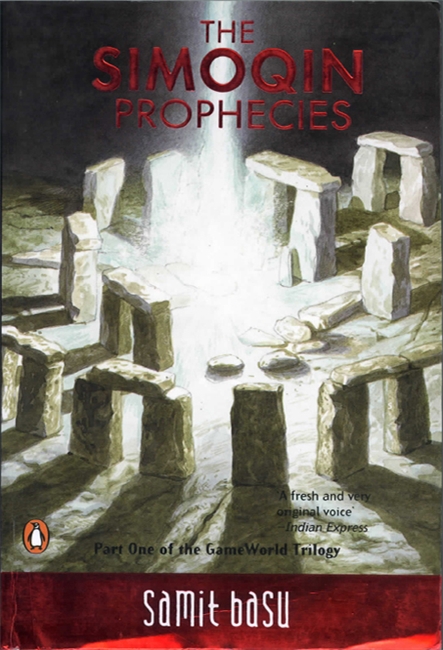
India’s first ever sff (science fiction/fantasy) genre novel in English
The Simoqin Prophecies marks the debut of an assured new voice. Written with consummate ease and brimming with wit and allusion, it is at once classic sff and subtle spoof, featuring scantily clad centauresses, flying carpets, pink trolls, belly dancers and homicidal rabbits. Monty Python meets the Ramayana, Alice in Wonderland meets The Lord of the Rings and Robin Hood meets The Arabian Nights in this novel—a breathtaking ride through a world peopled by different races and cultures from mythology and history.
The Prophecies foretell the reawakening of the terrible rakshas, Danh-Gem, and the arrival of a hero to face him. But heroes do not appear magically out of nowhere; they have to be found and trained. And sometimes the makers of prophecies don’t know everything they need to know…
As the day of Danh-Gem’s rising draws closer and the chosen hero is sent on a quest, another young man learns of terrible things he must do in secret and the difficult choices he must make in order to save the world from the rakshas.
Drawn from a variety of sources ranging from Greek and Indian epics to spy novels, fairy tales to superhero comics, The Simoqin Prophecies is a compelling tale, marked by meticulous plotting and artful storytelling—a page-turner sure to grip you from start to finish.
Bringing your first-born into the world actually means the birth of a whole new you, says first-time mother and toddler-survivor Shefali Tsabary.
While everyone fusses over the little bundle, you’re going to have to overcome the feeling of your life being taken over and turned on its head (while your body has been transformed into something just as unrecognizable). You’ll have to learn to take pleasure in being a mother through the utter helplessness of the initial days, the extreme fatigue resulting from sleepless nights, and the overwhelming responsibility of shaping another life.
It’s a Mom! gives you invaluable advice on how to handle your baby and yourself in every imaginable situation. From feeding and burping and establishing sleeping patterns to tackling your toddler’s tantrums, this book outlines effective techniques that will make bonding with your baby a pleasure. And it gives you the crucial tip that your ever-eager-to-advise relatives forgot to mention: you have a life beyond your baby-and a body and mind, and spouse to reconnect with.
Did it really start with the burning of a train?
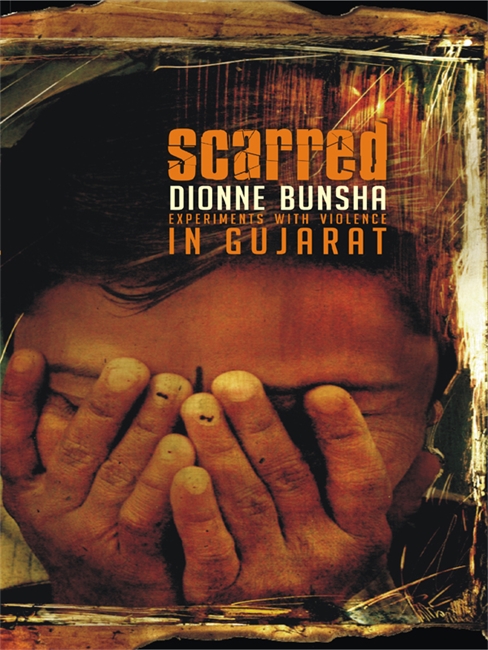
Scarred: Experiments with Violence in Gujarat asserts the existence of a much larger politics of violence, and tells the story of a disaster in Hindutva’s laboratory which etched deep faults in Gujarat’s social landscape.
While capturing the predicament of the Sabarmati Express survivors, Scarred is an intense, moving portrait of refugees whose lives have been changed forever by the violence that followed. It tells the story of people fighting for justice amidst fear and turmoil, unable to return home. It is also an insightful look into the minds of the perpetrators of this violence, and the PBI – World they seek to construct—a PBI – World where the ghettoization and socio-economic boycott of Muslims have become the norm.
What exactly happened in Gujarat in February 2002? Why did the country’s political leaders fiddle while Gandhi’s Gujarat burned? In this honest and thought-provoking book, Dionne Bunsha tries to answer these and many of the questions that we are still left with.
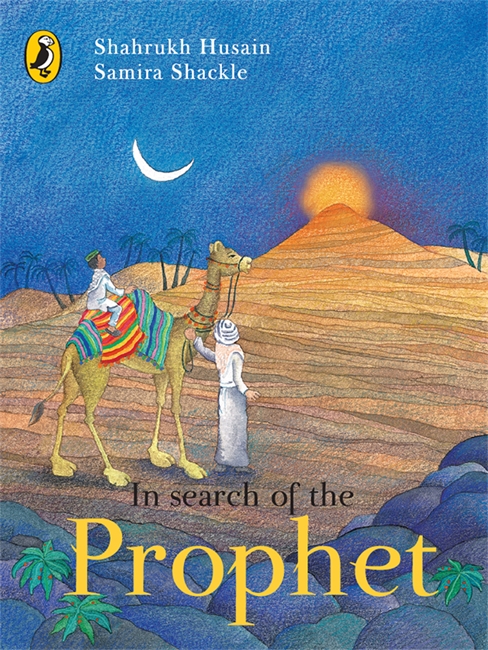
When Salek sets out to find out about the Prophet of Islam, he has no idea what awaits him— Why did his father leave him to follow a man he did not know? On his journey to seek the answer to this question and to know more about Muhammad, Salek meets many strangers on the way. Strangers who embrace him and tell him stories about the Muhammad they love and have faith in. Through their stories, Salek gets to know and love the man who valued truth, equality, kindness, and justice above all. This is an unusual collection of stories about the life of Prophet Muhammad— about the harsh deserts that were his home, the battles he fought, the choices he was faced with, and the path he chose. Seen through the eyes of a young boy, these tales of faith and discovery make for gripping reading.
The Way Home” brings together in one volume fourteen stories representing the very best of contemporary Bengali short fiction. Showcasing some of Bengal’s finest writers at their creative best – Bibhuti Bhushan Bandopadhyay and Rajshekhar Basu, Sirshendu Mukhopadhyay and Ashapurna Devi – these stories deal with a myriad human themes that are at once individual and universal. From “The Brahmin”, Tarashankar Bandopadhyay’s treatise on greed, gluttony and tragic human experience, to “The Fugitive and the Stalkers”, Sunil Gangopadhyay’s trenchant tale of violence and retribution set in the days of the Naxal movement in Bengal; from Samaresh Basu’s harrowing look at poverty and its degrading effect in “The Crossing” to Narendranath Mitra’s lyrical take on the impact of triple talaq on Muslim women in “Sap”, the collection evokes different lifestyles, while reflecting problems and issues with which we can all identify.

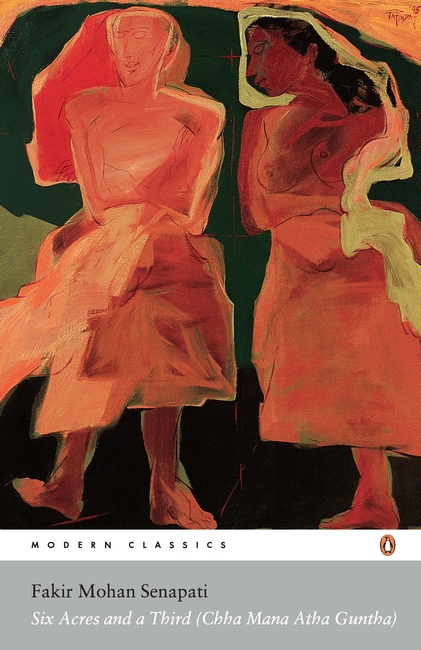
This sly and humorous novel by Fakir Mohan Senapati—one of the pioneering spirits of modern Indian literature and an early activist in the fight against the destruction of native Indian languages—is both a literary work and a historical document. Set in Orissa in the 1830s, Six Acres and a Third provides a unique ‘view from below’ of Indian village life under colonial rule.
This graceful translation faithfully conveys the rare and compelling account of how the more unsavory aspects of colonialism affected life in rural India.
It was the code of friendship. Like a bowstring: tight. Like an arrow: straight.’
When John Dkhar arrives at Kaizang restaurant, Shillong, one cold November evening, he has no premonition that his life is about to change forever. A loner by nature, and the very epitome of culture and refinement, John comes across people he will soon be involved with in a deadly game of passion and hatred, trust and treachery: James Kharlukhi, tough and uncompromising, a leader born with a lust for danger; Jennifer d’Santos, companion to James, whose love for John can only lead to tragedy; Charlie, aloof, enigmatic, and cursed with an ugly face which might prove to be his undoing; and Dor Kharkongor, ace archer, the spirit of the hills, caught between single-minded loyalty to James and paternal affection for John.
Set against the lush landscape of ShiIlong, Dhruba Hazarika’s tale of revenge and violence brilliantly evokes the sights and smells of North-East India while narrating a dynamic tale which addresses the universal themes of friendship, loyalty and the inherent loneliness of man.