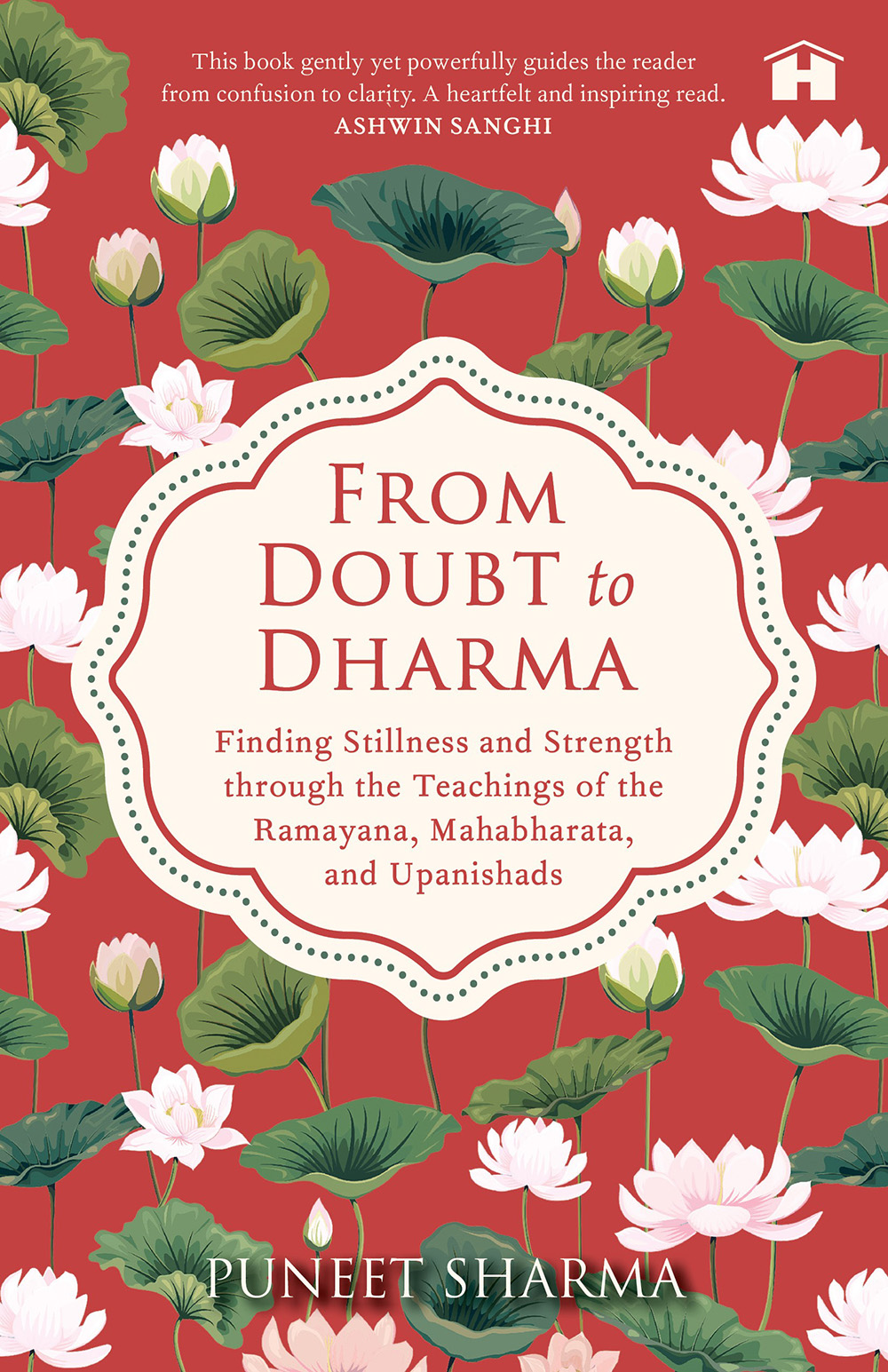
In a noisy world chasing outer success, From Doubt to Dharma is a quiet call to look within. Rooted in the ageless wisdom of the Dharma and inspired by the Ramayana, Mahabharata, Upanishads, and everyday life, this book offers a pathway to inner clarity rather than quick fixes.
Each chapter offers:
• Reflections on the emotional and mental patterns that shape our lives
• Simple yet powerful practices to help you pause, observe, and transform
• Gentle questions that invite deep personal insight rather than surface-level motivation
• Stories drawn from real experiences, not borrowed philosophies
• Timeless guidance from dharma woven into modern life challenges
The author shares the process of healing and clarity with humility and sincerity through themes such as overthinking, comparison, fear, and inner restlessness. If you are ready to pause, reflect, and walk with sincerity, this book will walk with you—not as a guide from above, but as a mirror beside you. The path from doubt to dharma is not about perfection. It is about presence. It is about learning to live from the strength, calm, and courage that already reside within you.

‘I truly loved this brilliant book and will recommend it to anyone and everyone! It’s that good’ Angela Duckworth, author of Grit
‘An insightful read about how to handle the space between stimulus and response’ Adam Grant, author of Think Again
From Marc Brackett, director of the Yale Centre for Emotional Intelligence, comes a life-changing guide for regulating how we respond to our emotions in order to transform our lives.
Think back to your most challenging moment – whether in your career, relationships or personal life. Did you lose control from anger? Were you paralysed by fear? Did you isolate yourself due to humiliation?
Whatever your reaction, your emotions most likely determined what you said, or did, next. But the way we handle our emotions is not, as many believe, an involuntary part of ourselves – it is a skill that must be taught and refined throughout our lives. And there’s no such thing as a ‘bad’ emotion – only the emotions we don’t fully understand or haven’t yet learned to channel in positive, intentional ways.
In Dealing with Feeling, Marc Brackett shares his own journey of emotional growth, explores the latest science behind our emotions and offers practical techniques to help you nurture healthy relationships, tackle life’s challenges and enhance your mental wellbeing.
With this book, you will:
• Master Emotional Intelligence with practical, science-backed strategies
• Learn to regulate emotions like anger, fear, and shame to improve mental wellbeing and relationships.
• Build emotional resilience to respond thoughtfully in life’s toughest moments.
• Transform your emotional health and become the best version of yourself.
Life may be unpredictable, but how you respond doesn’t have to be. With the transformative techniques in Dealing with Feeling you will learn to become the best version of yourself.

The perfect bedtime board book for toddlers!
Join Maisy and Panda as they get ready for bed in this fun, engaging bedtime story for little ones. Follow Maisy through her bedtime routine — brushing teeth, putting on cozy pajamas, and reading a favorite story — all designed to help children wind down and feel calm before sleep.
Just when the lights go out, Maisy remembers one last important step: a quick trip to the loo! Now she’s truly ready to say, Good night! This charming and relatable story encourages healthy bedtime habits and makes bedtime a joyful experience for kids and parents alike.
Perfect for:
• Toddlers and preschoolers ages 1-5
• Early bedtime routines and sleep training
• Parents looking for calming bedtime stories
• Fans of Maisy and Panda’s adventures
Make bedtime easy and fun with this delightful board book — a must-have addition to your child’s bedtime reading collection!

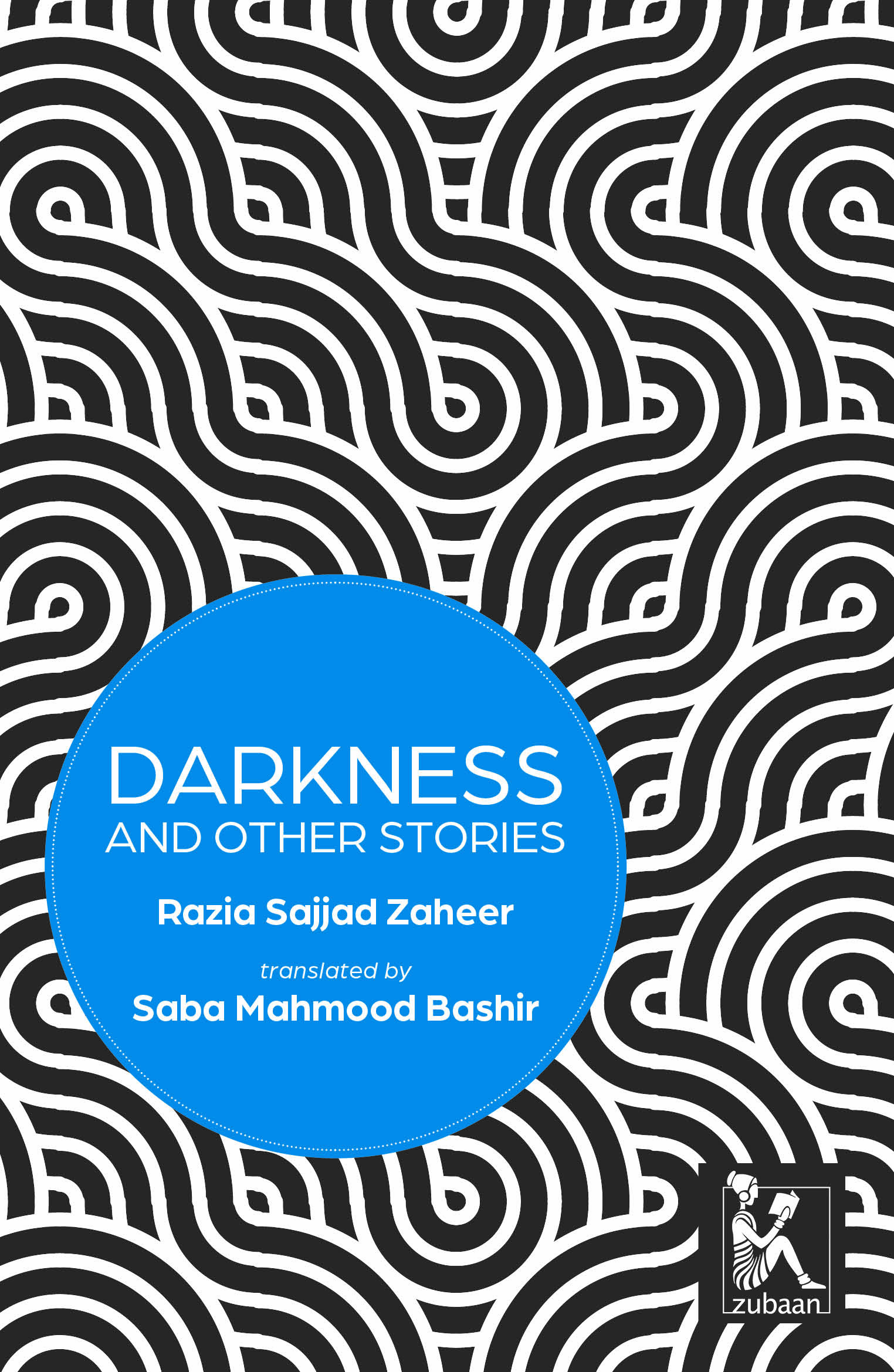
Razia Sajjad Zaheer’s stories are gentle and unassuming tales that describe the lives of ordinary women—a homemaker, a teacher, a writer, a sex worker—whose struggles simply to be themselves, or to make sense of the realities they see around them, mark them as extraordinary. A low caste woman shows up society’s hypocrisy in dealing with caste and, in doing so, turns the mirror on her own tendency to do the same. A working woman, a mother and writer, grapples with how to deal with her over-helpful house help, a man, who thinks he knows that when she asks for tea, he must instead serve her milk. A writer travels alone on a train at night, fearful that she may be attacked by the sinister-seeming men around her, only to find that they are fans of her writing. Every story offers a situation that readers may easily recognise and relate to, and each then suggests a complex twist or an ambivalence that is sometimes elusive and sometimes illuminating. Saba Mahmood Bashir’s competent and accessible translation brings the work of this important writer—which has thus far received little attention—to life for readers of today.
Zubaan
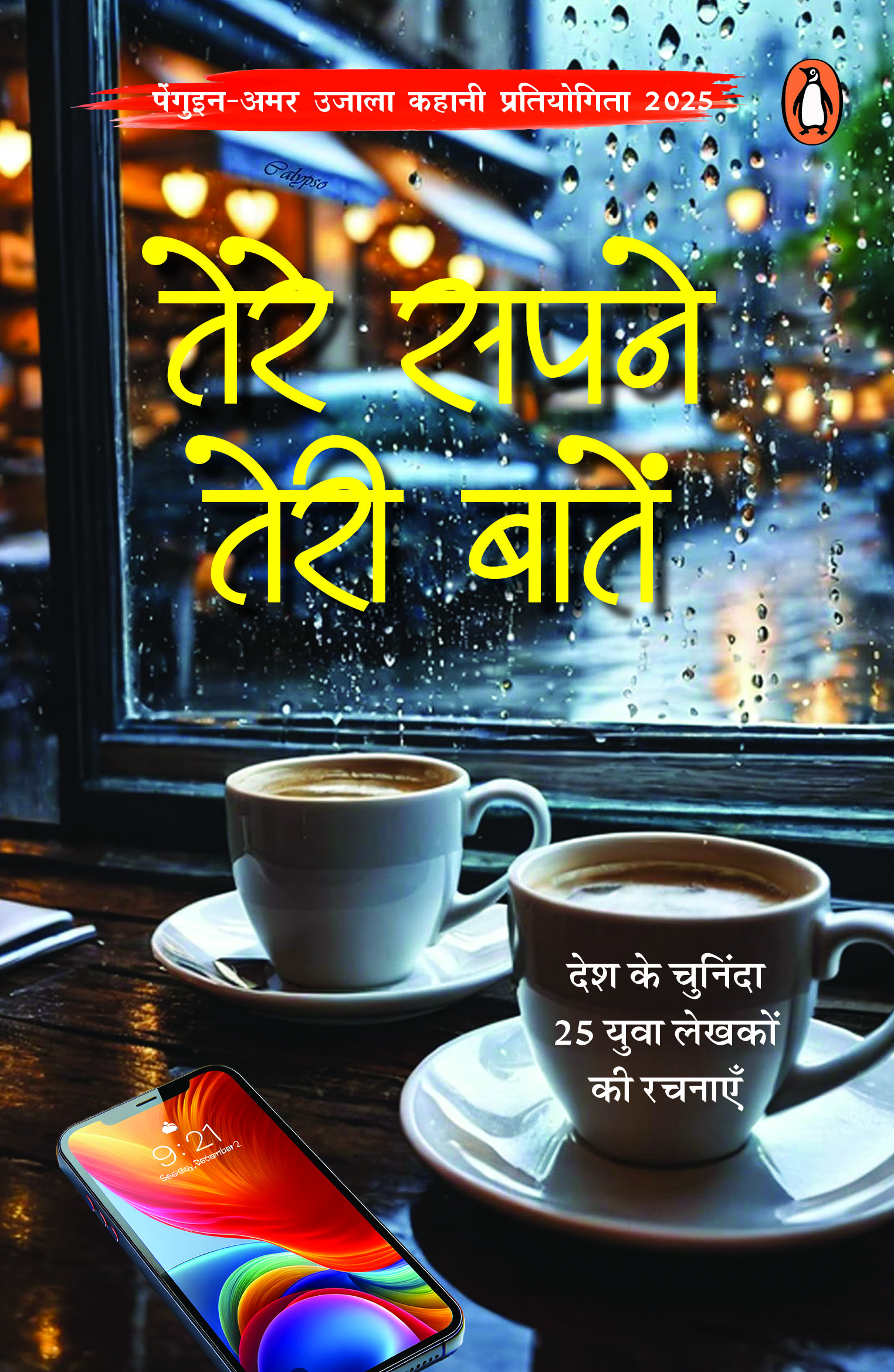
तेरे सपने, तेरी बातें संग्रह ने देश भर के कोनों से आए नए रचनाकारों को एक मंच दिया है। उनमें से चुनी गईं कहानियों में जहाँ युवा जज़्बात हैं, वही जिजीविषा और वही सवाल भी, जिनसे आज का नौजवान रोज़ गुज़रता है। ये कहानियाँ सिर्फ किस्से नहीं, बल्कि हमारे समय की दास्तान हैं—कभी शहर की भागदौड़, कभी गाँव की मिट्टी, कभी रिश्तों की पेचीदगी, तो कभी भीतर छिपे अकेलेपन और उम्मीद की सच्ची झलक।

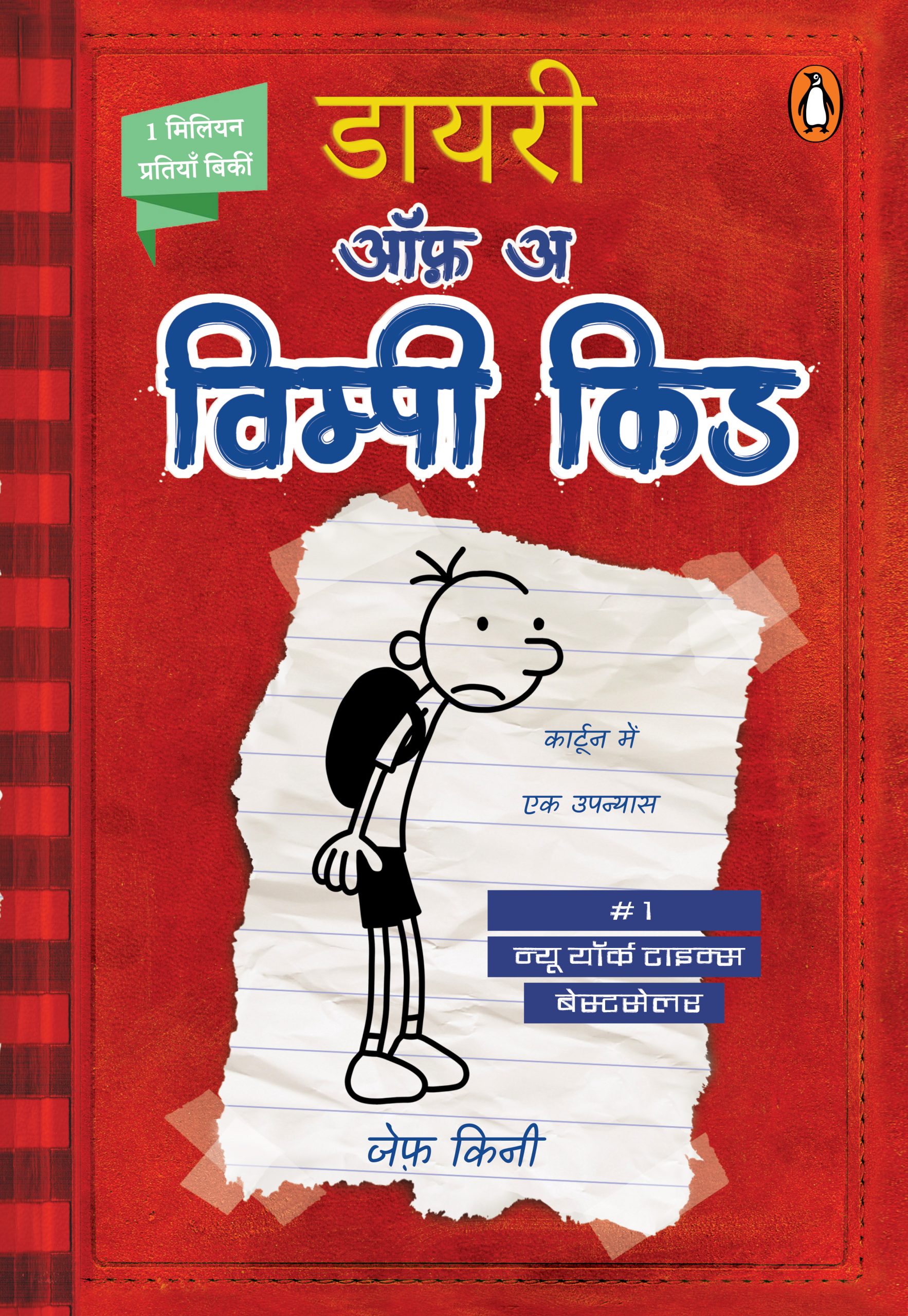
डायरी ऑफ़ अ विम्पी किड एक लोकप्रिय बच्चों की पुस्तक शृंखला है, जिसे जेफ किन्नी ने लिखा है। यह किताब ग्रेग हेफ़्ली नामक एक किशोर लड़के की डायरी के रूप में लिखी गई है, जो स्कूल और घर में अपनी दैनिक चुनौतियों का सामना करता है। सरल भाषा, हास्यपूर्ण घटनाएँ और चित्रों के साथ, यह किताब बच्चों और किशोरों के बीच बेहद लोकप्रिय है। यह न केवल मनोरंजन करती है, बल्कि जीवन के कुछ महत्त्वपूर्ण सबक भी सिखाती है।

Despite over 1500 ascents, the mystique of the Everest remains. An obsession for some, a business for the others, an inspiration for many, a siren song for most and for a few, simply a curse. One is never indifferent to Everest. It makes you or breaks you.
India’s 1984 Expedition to Mount Everest, organized by the Indian Mountaineering Foundation (IMF), succeeded in placing Bachendri Pal, the first Indian woman and the fifth in the world, and four others, on the summit. It was a spectacular achievement etched in history, but one which does not tell the behind-the-scenes stories of this expedition.
Noted film-maker and television presenter Siddharth Kak and his crew of four cameramen followed this expedition from day one and recorded each moment of loss and triumph, instances of glory and distress. They captured struggles and jealousies that didn’t show up on camera. And you will learn much about this mountain—of how it deigns who will climb it, the challenges it will throw at you, the smallness you will feel confronted by its enormousness. It is also a mountain that is environmentally extremely stressed today.
A Fire on Mount Everest springs from an understanding of an incredible moment etched in the memory of the author—a moment very few live to tell about.
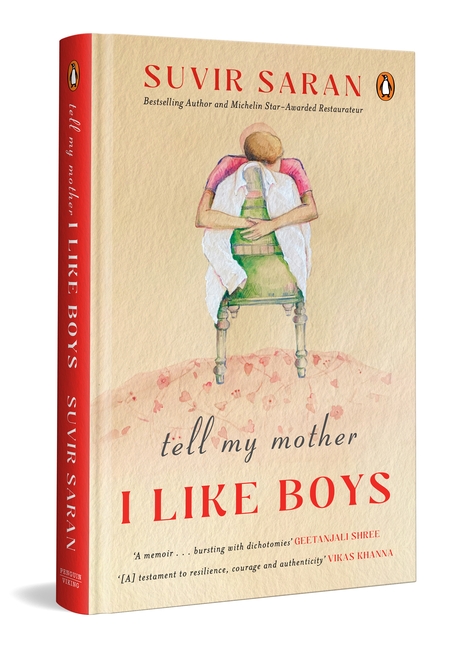
Tell My Mother I Like Boys is a memoir of appetite—for food, for love, for belonging. Suvir Saran,
one of India’s most celebrated chefs, traces a life lived between continents and cultures, where the kitchen becomes both a sanctuary and a crucible. From the spice-laden streets of New Delhi to the pressure-cooked world of Michelin-starred New York dining, he reveals how cooking is never just about taste but about memory, survival and the making of the self.
Saran writes of the exhilaration of opening Devi, the first Indian restaurant in North America to earn a Michelin star, and of the loneliness that trailed even the brightest success. In his hands, food becomes a vocabulary: the slow patience of a biryani, the intricate layering of a galouti kebab, the quiet comfort of dal simmered at home. Each dish carries a memory and meaning, stitching together the fragments of exile, grief, desire and return.
At once an intimate kitchen story and a reckoning with identity, Tell My Mother I Like Boys is about the hungers that shape us and the meals—lavish and humble—that teach us how to live.
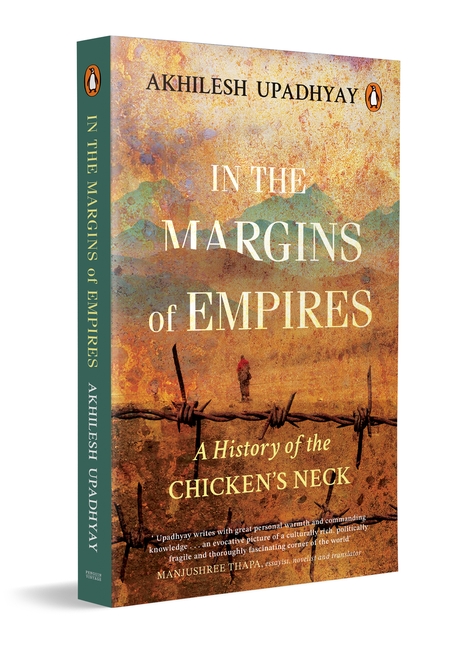
The prevailing narrative and knowledge ecosystem, and most certainly newspaper and TV reporting, on the Himalaya is dominated by colonial and postcolonial situational exposés that are informed by the Centres’ perspectives. Hence, many writings suffer from the imperial gaze, on the one hand, and a recency bias on the other, while approaching the peripheries as either exotic destinations or military hotspots with red lines drawn on snow-capped peaks, crests and arid plateaus.
The Himalaya has always been a contested region and has gained even more political salience after the 1962 Sino-Indian border war and, more so in recent times, with the rise of India and China.
What gets lost are the voices and lives of the people who actually call the Himalaya home.
In the Margins of Empires documents the lives and livelihoods of the borderlands in the Eastern Himalayan region—Nepal, Bhutan, pre-1950 Tibet and the post-1950 Tibetan Autonomous Region, Sikkim, Darjeeling, and India’s North-East. The book is an effort to look at the region as an organic whole, from within the region, connected through centuries of transboundary traders, travellers, scholars, monastic exchanges, but also by missionaries, monks, and moles.
As border infrastructure across the Himalaya in TAR and India is being constantly upgraded, and as India and China play a cat-and-mouse game, smaller states and communities in the borderlands, including the Chicken’s Neck, find themselves caught up in the larger geopolitical arena. With fresh analysis, great insight, and on-the-ground reportage, Akhilesh Upadhyay tells the story of the region and of communities that remain wedged between giants, yet are also shaping their own futures in the shadow of the Himalaya’s peaks.
What does the future of the region look like? Perhaps it will follow the mystique of the Himalaya.
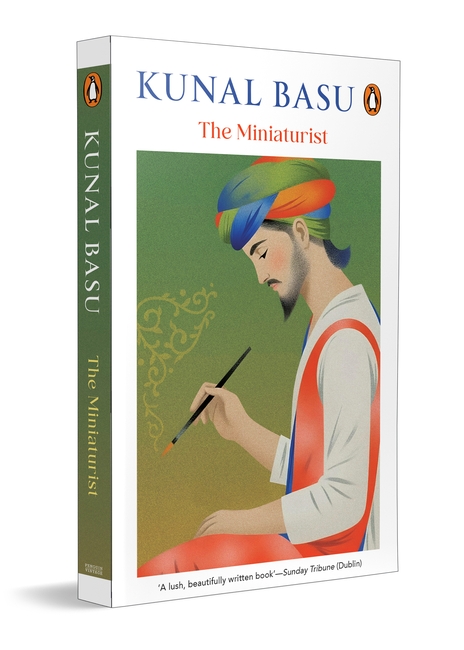
In the sumptuous court of the emperor Akbar, in 16th century India, a group of artists begin the painstaking task of chronicling the emperor’s life. Bihzad is the son of the chief artist and as such, he is groomed to follow in his father’s footsteps. A child prodigy, Bihzad is shielded from life as he grows up in the stunning fortress town of Agra.
But as word of his talent spreads, rumours about the wild, passionate nature of his secret drawings bring his enemies out into the open. When the young artist breaches the rules of the court, they will use his art to destroy him.