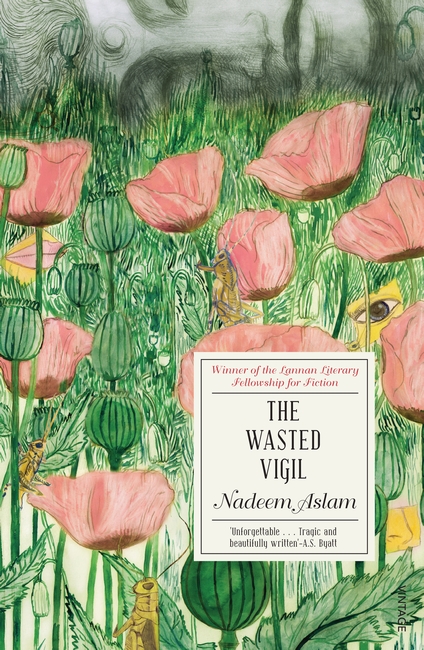
Marcus Caldwell, and English widower and Muslim convert, lives in an old perfume factory in the shadow of the Tora Bora mountains in Afghanistan. Lara, a Russian woman, arrives at his home one day in search of her brother, a Soviet soldier who disappeared in the area many years previously, and who may have known Marcus’s daughter. In the days that follow, further people arrive there, each seeking someone or something.
The stories and histories that unfold, interweaving and overlapping, span nearly a quarter of a century and tell of the terrible afflictions that have plagued Afghanistan—as well of the love that can blossom during war and conflict.

Looking slim isn’t the only marker of being fit. Fitness means having stamina, flexibility, and strength; being able to do your everyday tasks better; and being calm and focussed. Celebrity fitness trainer Abhishek Sharma shows you the perfect exercise regime that:
• Works on body and mind drawing elements from yoga, martial arts, and athletics
• Can be done anywhere and without machines and includes a range of exercises such as brisk walking, jogging, skipping, and cycling
• Helps you achieve a focussed mind through breathing and mind centring
• Is great for people on the move since the emphasis is on using your natural surroundings
• Will make you more confident, alert, and fearless, and is a great self defence tool
Fun, challenging, and for all age groups, Fitness on the Go has worked for celebrities such as Ranbir Kapoor, Anil Kapoor, and Bollywood’s fittest actress, Deepika Padukone. Supplemented with photographs and celebrity secrets, it is the one stop solution for the modern warrior.

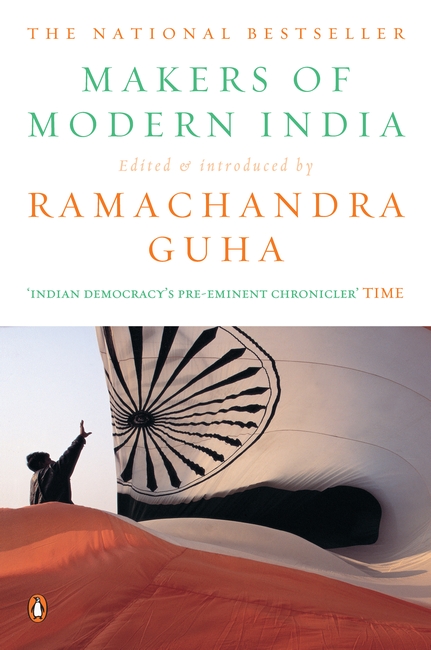
Ramachandra Guha, author of the internationally acclaimed India After Gandhi, profiles nineteen Indians whose ideas had a defining impact on the formation and evolution of our republic and presents rare and compelling excerpts from their writings and speeches. These men and women were not only influential political activists-they also wrote with eloquence, authority and deliberation as they reflected on what Guha describes in his illuminating prologue as ‘the most contentious times in the most interesting country in the world’. Their writings take us from the subcontinent’s first engagement with modernity in the nineteenth century, through the successive phases of the freedom movement, on through the decades after Independence. This book highlights little-known aspects of major figures in Indian history like Tagore and Nehru; it also rehabilitates thinkers who have been unjustly forgotten, such as Tarabai Shinde and Hamid Dalwai. These makers of modern India did not speak in one voice: their perspectives are sometimes complementary, at other times contradictory. The topics they explore and analyse include religion, caste, gender, language, nationalism, colonialism, democracy, secularism and the economy-that is to say, all that is significant in the human condition. These issues have a resonance in our own times, not just in India but everywhere in the world as well.

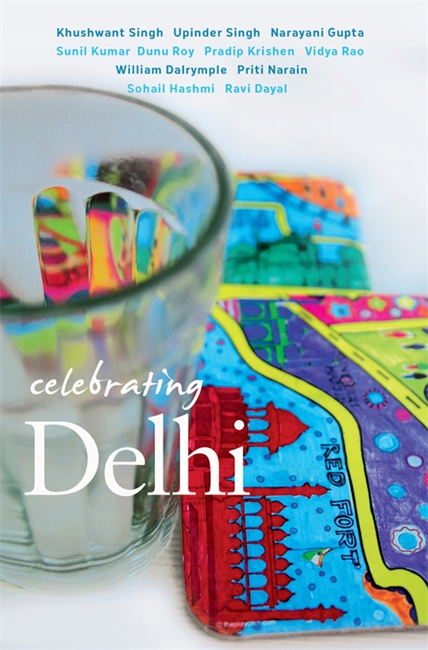
Delhi, located at the crossroads of history, has been occupied, abandoned and rebuilt over the centuries. It has been the capital of the Pandavas, the Rajputs, Central Asian dynasties, the Mughals and the British, and is best described as a melting pot of these vastly varying traditions and customs.
A galaxy of experts come together to offer fresh perspectives on the capital city. Originally part of The Sir Sobha Singh Memorial Lecture series organized by The Attic in collaboration with the India International Centre and the Indian National Trust for Art and Cultural Heritage, this updated selection explores Delhi’s living syncretic heritage.
The essays illuminate unknown and fascinating aspects of the city’s history. We learn, for instance, how Sir Sobha Singh transplanted Delhi’s two foundation stones by bullock-cart in the stealth of the night from Kingsway Camp to Raisina Hill. In a different departure, archival records point to the fundamental ecological miscalculation in the British choice of trees to line the avenues of Imperial New Delhi. Place names, part of the cultural fabric of a city, unearth a vanishing history of Delhi, while the contrasting history of Sufi shrines draws attention to the spiritual masters, the pirs, and their search for truth.
This open-mindedness is reflected in the letters and public proclamations issued from the Mughal court in the Delhi uprising of 1857. These were emphatically religious, yet inclusive of both Hindus and Muslims. In our time a different take on the reality of refugee and resettlement colonies shows the blindness of the city’s civic planners, and reveals who was making and who was breaking the city in the twentieth century.
As the centre of political power for centuries, many great artists, poets and musicians found patronage at the royal courts of Delhi. The city has been home to a rich tradition of classical music-both the Sufi traditions of Central Asia and the darbari (courtly) style explore the development of the rich Delhi gharana tradition, as well as the birth, growth, banishment and reinvention of the language of Delhi over centuries. The many peoples who made Delhi their home through the centuries have all contributed to the creation and development of a sumptuous cuisine noted for its rich variety.
Celebrating Delhi takes you on a journey, both varied and unexpected.

IN THE FOREST, IN THE STILLNESS OF HTE MORNING, YUDHISHTAR, CUSTODIAN OF MORALITY, OBLIVIOUS TO SCALE OR BALANCE, UNTHINKING, MADE LOVE TO THIS WOMAN, HIS WIFE DRAUPADI.
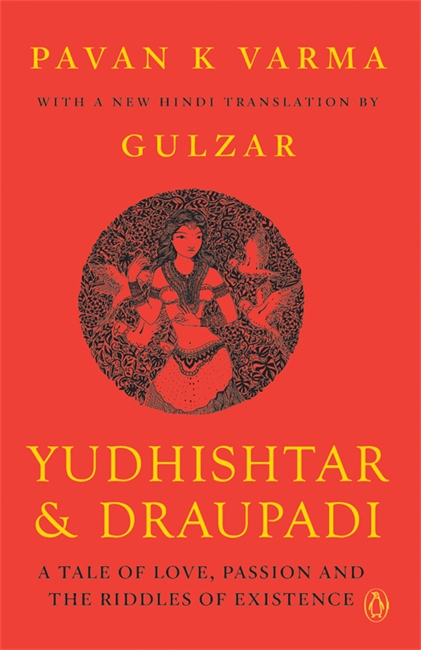
A long poem in rhymed sonnets, Yudhishtar and Draupadi is and imaginative retelling of the encounter between the Pandavas and the Yaksha of the pool, which finds Yudhishtar, the eldest Pandava, answering fundamental philosophical questions about existence and the lives of his brothers hang in the balance. Unknown to him, also at stake is his relationship with Draupadi, who is still furious with him for having wagered her at the game of dice with Kauravas (‘he hadn’t won her; she wasn’t his to lose’).
This marvellous poetic interpretation of a key episode from the Mahabharata has now been translated by renowned poet-lyricist Gulzar, and is re-published in a bilingual edition.

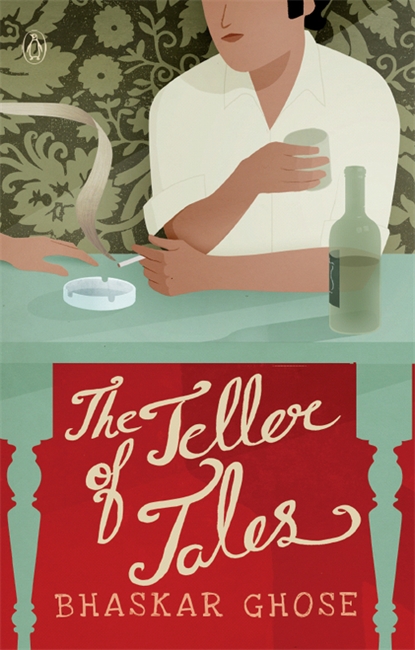
Civil-servant-turned-schoolteacher Arunava Varman is secretive and reticent. But he turns into an inspired teller of tales after a couple of drinks, especially in the company of his friend, Tapan. Arunava’s bizarre stories-involving friends, family and colleagues-add a dash of excitement to Tapan’s mundane life of a bureaucrat. But over the years, as Tapan gets to know Arunava better, he starts discovering disturbing holes in these tales.
Elegant, wistful and full of surprises, this exquisitely crafted first novel combines the suspense of a thriller with the tender charm of a love story.

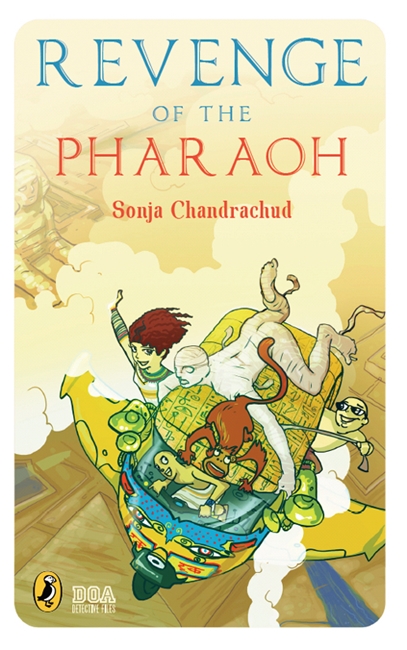
Travel back in time with the DOA gang as they solve out-of-this-world mysteries using their wits, will and Tuk Tuk, their autorickshaw with attitude, which also happens to be a time machine!
The Sceptre of Ra has been stolen, putting the Horus Throne in danger. Pharaoh Hatsheput must find the regal sceptre before the new moon or give up the throne to her nephew, the young and ambitious pharaoh-in-waiting Thutmosis III. Desperate, she summons her father, Thutmosis I, from the dead and sends him to bring in the DOA detectives to solve this perplexing mystery before the new moon.
Soon, the detectives discover that there is much more to the theft. An attack by a black cobra, a poisoned drink, ill omens everywhere . . . something sinister is definitely afoot in the great palace. Will the detectives be able to counter Egyptian heka magic and find the sceptre and the thief in time, or will Hatshepsut carry out her threat of throwing them to the crocodiles?

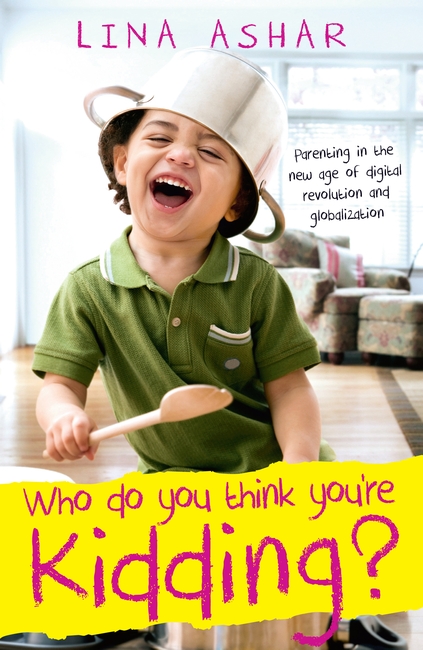
The twenty-first century is a tough place for a child. The competition is razor-edged, the temptations myriad. Gone are the days when children played catch in the neighbourhood, ate what they were given, and went to bed by 9. Now it’s all about staying ahead of the game, being in the know, having the latest gizmos. How does one then raise a happy and well-rounded child amid the pressures of this new age?
In Who Do You Think You’re Kidding? acclaimed educationist Lina Ashar shows you how to:
• prepare your child for a competitive new world by choosing what they want to study
• shift focus from book-based studying to creative higher education
• deal with adolescence
• discover your child’s true potential.
Based on her experiences and research, as a parent and teacher, this book will equip Indian parents with the right tools to guide their children on the right path.
It’s raining in Shillong. Eight-year-old Sophie Das has just realised
she is adopted, but there is also the baby kicking inside her mother’s
stomach whom she’s dying to meet. IAS aspirant Aman Moondy
is planning a fi rst-of-its-kind Happening and praying the lovely
Concordella will come. College lecturer Firdaus Ansari is going
to fi nish her thesis, have a hard talk with her boyfriend, and
then get the hell out. Poetic, funny, tender, Lunatic in My Head
is an unforgettable portrait of a small town and of three
people joined to each other in an intricate web,
determined to break out of their destinies.

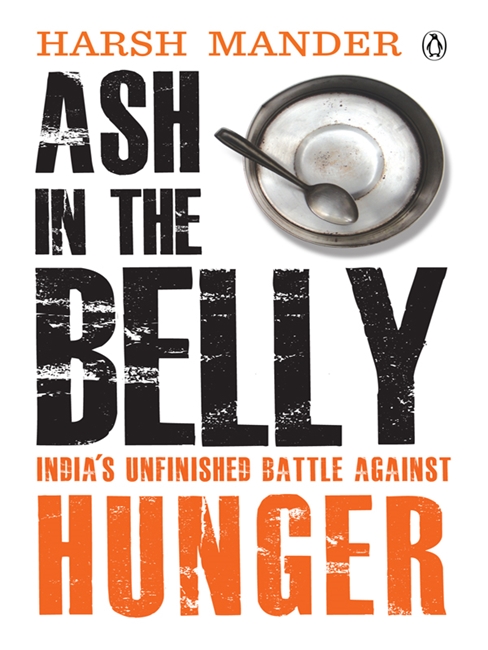
Ash in the Belly is a penetrating account of men, women and children living with hunger, illuminated by their courage in trying to cope and survive. It is simultaneously an investigation into the political economy of hunger whereby one in every two children is malnourished despite the creation of wealth and economic growth. Mander critically examines the increasing economic inequalities, the range of State failures and public indifference, in general, and brings out how they have contributed to creating this grim situation. While doing so, he argues passionately for the passage of a universal right to food law which guarantees food to all persons not as State benevolence but as a legal entitlement.